
Tag High Protein Vegetarian Dinner
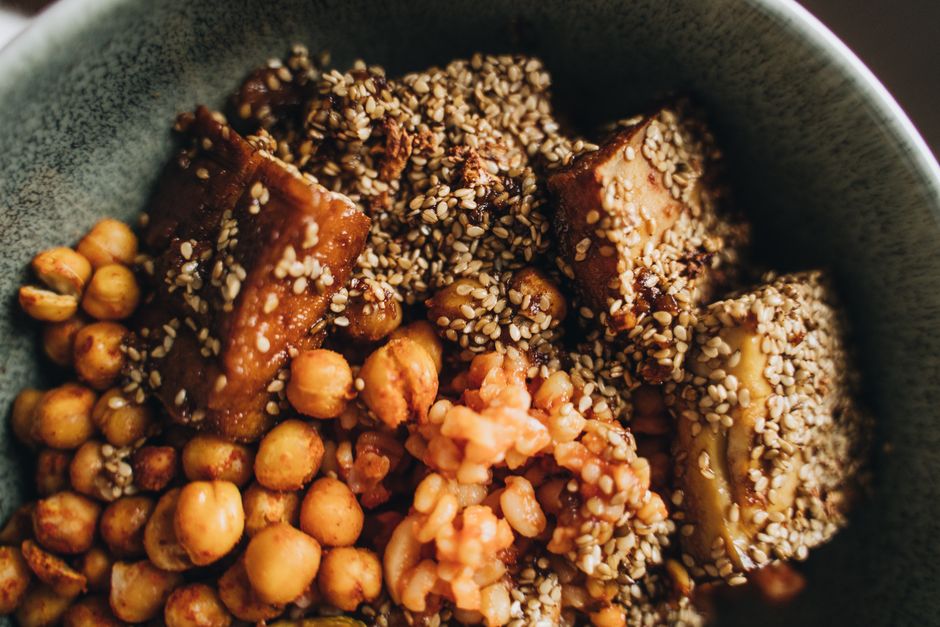
High-Protein Vegetarian Dinners: Fueling Your Body Without Meat
The quest for satisfying, nutrient-dense, and meat-free dinner options is a common one. High-protein vegetarian dinners are not only achievable but can be incredibly diverse and delicious, offering a powerful alternative for individuals looking to reduce meat consumption without compromising on satiety and muscle-building potential. This article delves into the world of vegetarian protein sources, strategic meal planning, and a curated selection of high-protein vegetarian dinner ideas designed to be both wholesome and appealing to a broad audience. Understanding the fundamental building blocks of a high-protein vegetarian diet is crucial for successful implementation. Protein, a macronutrient essential for tissue repair, enzyme function, and overall bodily processes, is often associated with animal products. However, a wealth of plant-based proteins exists, offering a comprehensive nutritional profile that can easily meet and exceed daily protein requirements. Key vegetarian protein powerhouses include legumes (beans, lentils, chickpeas), tofu, tempeh, edamame, seitan, Greek yogurt, cottage cheese, eggs, and certain grains like quinoa. Combining these ingredients strategically within a meal ensures a complete amino acid profile, meaning your body receives all the essential amino acids it needs. For instance, pairing rice and beans, a classic combination, creates a complete protein source. Similarly, incorporating a variety of protein-rich vegetables and whole grains further enhances the nutritional value and protein content of your vegetarian dinners. Beyond individual ingredients, the concept of "protein stacking" – combining multiple protein sources within a single dish – is a highly effective strategy for maximizing protein intake. This approach not only boosts protein levels but also introduces a more complex flavor profile and a greater variety of textures, making meals more engaging and satisfying. Furthermore, understanding protein density – the amount of protein per calorie – helps in making informed choices for weight management and satiety. Foods like lentils, Greek yogurt, and tofu are particularly protein-dense, offering a significant protein punch with a relatively low calorie count.
The art of crafting a high-protein vegetarian dinner lies in thoughtful meal planning and ingredient selection. Prioritizing protein sources at the core of each meal is paramount. This means moving beyond the traditional meat-centric meal structure and placing legumes, tofu, tempeh, or eggs at the forefront. Consider the versatility of these ingredients. Lentils, for instance, can be transformed into hearty stews, flavorful burgers, or a base for shepherd’s pie. Tofu, with its neutral flavor, readily absorbs marinades and spices, making it suitable for stir-fries, curries, baked dishes, and even scrambled preparations. Tempeh, with its firmer texture and nutty flavor, is an excellent choice for grilling, baking, or incorporating into salads and sandwiches. Edamame, whether in pods or shelled, adds a quick and easy protein boost to salads, stir-fries, or can be enjoyed as a satisfying snack. Seitan, a wheat gluten-based protein, offers a chewy, meat-like texture and is a fantastic option for those seeking a more substantial protein source, readily absorbing marinades and grilling beautifully. Dairy products like Greek yogurt and cottage cheese, if consumed, are exceptionally high in protein and can be incorporated into savory dishes or used as bases for dips and sauces. Eggs, of course, are a complete protein and can be featured in numerous dinner preparations, from frittatas and omelets to baked egg dishes. Quinoa, often referred to as a complete protein grain, provides a significant amount of protein and fiber, making it a staple for high-protein vegetarian meals, serving as a base for bowls, a side dish, or incorporated into salads.
Beyond the primary protein source, a well-rounded high-protein vegetarian dinner includes a variety of complementary ingredients that enhance flavor, texture, and nutritional value. Vegetables are not just for color; they contribute essential vitamins, minerals, and fiber, which aids in digestion and promotes satiety. Aim for a colorful array of vegetables, including leafy greens like spinach, kale, and Swiss chard, which are not only packed with nutrients but also offer a decent amount of protein. Cruciferous vegetables like broccoli, cauliflower, and Brussels sprouts are excellent sources of fiber and various micronutrients. Root vegetables like sweet potatoes and carrots add natural sweetness and complex carbohydrates for sustained energy. The inclusion of healthy fats is also crucial for satiety and nutrient absorption. Avocado, nuts, seeds, and olive oil contribute monounsaturated and polyunsaturated fats, which are beneficial for heart health and help you feel fuller for longer. These fats can be incorporated as toppings, dressings, or used in cooking. Whole grains, beyond quinoa, such as brown rice, farro, and barley, add complex carbohydrates, fiber, and a moderate amount of protein, contributing to the overall protein content and ensuring sustained energy release. Flavor development is key to making vegetarian dinners exciting. Herbs, spices, garlic, onion, ginger, and vinegars are your allies in creating depth and complexity. Don’t shy away from bold flavors; they can elevate simple ingredients into gourmet meals. Think of the aromatic power of cumin and coriander in a lentil curry, the zesty kick of lime and chili in a black bean salad, or the savory umami of soy sauce and mushrooms in a tofu stir-fry. Finally, consider the texture. A satisfying meal often involves a interplay of textures – creamy, crunchy, chewy, and tender. Combining ingredients like crispy roasted vegetables with a smooth lentil puree or firm tofu with tender greens can significantly enhance the dining experience.
Exploring specific high-protein vegetarian dinner recipes provides practical examples and inspiration. One highly adaptable option is the Lentil Shepherd’s Pie. The base can be made with brown or green lentils, sautéed onions, carrots, celery, and peas, simmered in a rich vegetable broth with herbs like rosemary and thyme. This creates a hearty, protein-packed filling. The topping can be a creamy mashed potato or, for an even higher protein boost and lower carbohydrate option, a cauliflower mash blended with a dollop of Greek yogurt. The lentils provide substantial protein and fiber, while the vegetables add essential vitamins and minerals. This dish is comforting, filling, and can be prepared in advance, making it a weeknight savior.
Another excellent choice is Tofu Scramble with Black Beans and Veggies. This is a quick and versatile option, perfect for any night of the week. Firm or extra-firm tofu is crumbled and sautéed with turmeric (for color), nutritional yeast (for a cheesy flavor), garlic powder, and onion powder. Black beans are then stirred in, adding significant protein and fiber. A medley of chopped vegetables like bell peppers, onions, spinach, and mushrooms can be incorporated, sautéed until tender. Serve with whole-wheat toast or a side of avocado for added healthy fats. This dish is customizable with various spices and vegetables, offering endless possibilities.
Chickpea and Vegetable Curry is a flavorful and protein-rich meal that can be adapted to various spice levels. The base can be coconut milk or tomato-based, with a generous amount of chickpeas providing protein and fiber. A wide array of vegetables, such as cauliflower, sweet potatoes, spinach, and bell peppers, adds nutrients and texture. Spices like cumin, coriander, turmeric, ginger, and garlic are essential for its signature flavor. Serve with quinoa or brown rice for a complete and satisfying meal. The chickpeas are the star protein source, making this a filling and nutritious option.
For those who enjoy a more substantial, meat-like texture, Seitan Steak with Roasted Root Vegetables and a Side of Quinoa is a fantastic choice. Seitan, being a concentrated source of wheat gluten protein, offers a robust protein profile. Marinate seitan steaks in a savory blend of soy sauce, garlic, herbs, and perhaps a touch of liquid smoke for a grilled flavor. Roast hearty root vegetables like sweet potatoes, parsnips, and carrots with olive oil and herbs until tender and slightly caramelized. Serve alongside a fluffy portion of quinoa, which contributes its complete protein and complex carbohydrates. This meal is incredibly satisfying and visually appealing.
Greek Yogurt and Spinach Stuffed Bell Peppers offer a lighter yet protein-packed dinner. Large bell peppers are halved and hollowed out, then filled with a mixture of cooked quinoa, chopped spinach, garlic, herbs, and a generous amount of plain Greek yogurt. The Greek yogurt provides a creamy texture and a significant protein boost. Bake until the peppers are tender and the filling is heated through. This dish is visually attractive and surprisingly filling due to the protein content of the yogurt and quinoa.
Tempeh and Vegetable Skewers with Peanut Sauce are ideal for grilling or baking. Cubes of tempeh, marinated in a mixture of soy sauce, ginger, garlic, and a touch of maple syrup, are threaded onto skewers with chunks of colorful vegetables like zucchini, bell peppers, cherry tomatoes, and red onion. Grill or bake until the tempeh is browned and the vegetables are tender. Serve with a homemade peanut sauce (made with peanut butter, soy sauce, rice vinegar, and a touch of sriracha) for an extra layer of flavor and protein. The tempeh offers a dense, protein-rich component, complemented by the healthy fats and protein in the peanut sauce.
Edamame and Mushroom Risotto offers a creamy and satisfying take on a classic Italian dish, elevated with plant-based protein. Arborio rice is slowly cooked in vegetable broth with sautéed mushrooms, garlic, and onions. Shelled edamame is stirred in towards the end of cooking, providing a significant protein boost and a vibrant green color. A splash of nutritional yeast can add a cheesy flavor without dairy. This dish is hearty, comforting, and a great way to incorporate more legumes into your diet. The edamame adds a significant protein punch to this traditionally carbohydrate-heavy dish.
Baked Falafel Salad with Tahini Dressing provides a lighter, yet still protein-rich, option. Homemade or store-bought baked falafel (made from chickpeas) are served over a bed of mixed greens with chopped cucumbers, tomatoes, red onion, and a generous drizzle of tahini dressing (tahini, lemon juice, garlic, water). The falafel, being chickpea-based, is a good source of protein and fiber. The tahini dressing also contributes healthy fats and a moderate amount of protein. This salad is refreshing, flavorful, and packed with nutrients.
Black Bean Burgers on Whole Wheat Buns with Sweet Potato Fries is a classic for a reason. Homemade black bean burgers, mashed with spices, breadcrumbs, and binders like flax egg or chia egg, offer substantial protein and fiber. Serve them on whole wheat buns for added complex carbohydrates and fiber. Accompany with oven-baked sweet potato fries seasoned with paprika and garlic powder for a healthier alternative to traditional fries. This is a crowd-pleasing meal that is both satisfying and nutritious. The black beans are the primary protein source, ensuring this burger is filling.
Finally, Lentil and Vegetable Pasta Bake offers a comforting and protein-enhanced pasta dish. Cooked lentils are incorporated into a marinara sauce, along with sautéed vegetables like zucchini, spinach, and mushrooms. This mixture is then layered with whole wheat pasta and baked until bubbly. A sprinkle of vegan cheese or nutritional yeast can be added for extra flavor. This dish transforms a simple pasta meal into a protein powerhouse. The lentils provide a significant protein boost, making this a more satiating and nutritionally complete option compared to traditional pasta bakes.
When developing high-protein vegetarian dinners, consider the balance of macronutrients. While protein is the focus, carbohydrates and fats are also essential for energy, hormone production, and nutrient absorption. Opt for complex carbohydrates from whole grains, fruits, and vegetables to provide sustained energy and fiber. Incorporate healthy fats from sources like avocados, nuts, seeds, and olive oil to enhance satiety and support overall health. Strategically planning your meals to include a variety of protein sources throughout the day can also optimize nutrient intake and muscle protein synthesis. This might involve starting your day with a protein-rich breakfast like tofu scramble or Greek yogurt with berries and nuts, having a lentil soup or bean salad for lunch, and then enjoying one of the high-protein vegetarian dinners discussed above. The key is to make protein a prominent component of every meal, rather than an afterthought. Furthermore, paying attention to portion sizes is important, especially when trying to manage calorie intake. While protein-rich foods are generally more satiating, it’s still possible to overconsume calories. Understanding the protein content of different foods allows for informed portioning and calorie management. For example, knowing that 1 cup of cooked lentils contains approximately 18 grams of protein can help you adjust your serving size accordingly. Similarly, understanding that tofu and tempeh are excellent sources of protein allows you to build meals around them effectively. The accessibility and affordability of many vegetarian protein sources also make them an attractive option for individuals on a budget. Lentils, beans, and tofu are typically less expensive than meat, making it easier to create nutritious and protein-rich meals without breaking the bank. This economic advantage, combined with the health and environmental benefits, further solidifies the appeal of high-protein vegetarian dinners. Ultimately, the journey to incorporating more high-protein vegetarian dinners is about exploration, creativity, and a commitment to nourishing your body with wholesome, plant-based ingredients. With a little planning and an understanding of the incredible diversity of vegetarian protein sources, you can create delicious, satisfying, and powerfully nutritious meals that support your health and well-being.
