
Chicken Scallopini With Sage Capers
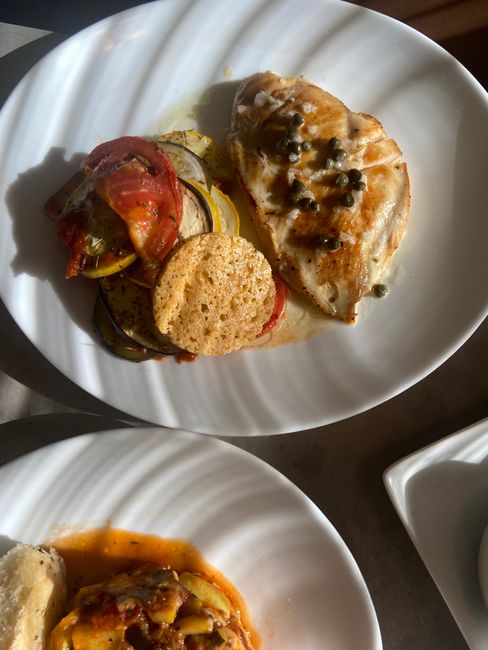
Chicken Scallopini with Sage & Capers: A Modern Classic for Effortless Elegance
Chicken scallopini, a dish celebrated for its elegant simplicity and exquisite flavor, offers a sophisticated yet remarkably approachable culinary experience. At its heart, scallopini involves thin, tender cutlets of chicken, typically pounded from the breast, that cook rapidly, absorbing vibrant flavors and developing a delicate crispness. This particular iteration, elevated by the aromatic embrace of fresh sage and the briny pop of capers, transforms a humble poultry dish into a restaurant-quality masterpiece achievable in any home kitchen. The inherent versatility of chicken scallopini allows it to be a weeknight savior or a refined option for entertaining, proving that gourmet dining doesn’t necessitate complex techniques or exhaustive ingredient lists. This dish embodies the principle of "less is more," where high-quality ingredients, expertly prepared, speak for themselves. The delicate texture of the chicken, combined with the earthy notes of sage and the bright, tangy zest of capers, creates a harmonious balance that is both comforting and invigorating.
The culinary journey of chicken scallopini can be traced back to the Italian tradition of scaloppine, a term referring to thin slices of meat, most commonly veal or chicken, that are quickly sautéed. The preparation method is crucial to its success. By pounding the chicken breasts thinly, the surface area is increased, allowing for rapid and even cooking. This technique also ensures an exceptionally tender result, as the meat fibers are broken down. The thinness prevents the chicken from drying out during its brief time in the pan, a common pitfall with thicker cuts. The foundation of a superior chicken scallopini lies in selecting the freshest, highest-quality chicken breasts. Opting for free-range or organic chicken can contribute to a superior flavor profile and texture, though conventional options will still yield delicious results when prepared correctly. The process of pounding the chicken is straightforward. Place chicken breasts between two sheets of parchment paper or plastic wrap and use a meat mallet, the flat side of a heavy pan, or even a rolling pin to gently but firmly pound them to an even thickness of about ¼ to ½ inch. This step is non-negotiable for achieving the characteristic tenderness and rapid cooking time of scallopini.
The flavor profile of chicken scallopini with sage and capers is a testament to the power of aromatic herbs and preserved ingredients. Fresh sage, with its distinctive earthy, slightly peppery, and almost camphoraceous notes, is a classic pairing with poultry. When sautéed, sage leaves release their essential oils, infusing the cooking fat and subsequently the chicken with an intoxicating aroma and a deep, resonant flavor. The key to maximizing sage’s potential is to cook it briefly in the hot fat until it becomes crisp and fragrant. Overcooking can lead to bitterness, so vigilance is required. Capers, the pickled flower buds of the caper bush, introduce a sharp, salty, and slightly lemony tang. Their briny nature cuts through the richness of the chicken and the sautéed butter, providing a welcome counterpoint that awakens the palate. The capers also add a subtle textural element, a delightful little burst of flavor with every bite. The combination of sage and capers is not merely additive; it’s synergistic. The sage provides a grounding, aromatic depth, while the capers offer brightness and a zesty counterpoint, creating a complex yet beautifully integrated flavor experience.
The preparation of chicken scallopini with sage and capers typically involves a series of carefully executed steps, each contributing to the final exquisite dish. The process begins with preparing the chicken cutlets. After pounding them to the desired thickness, they are usually lightly dredged in all-purpose flour. This flour coating serves multiple purposes: it helps to create a slightly crisp exterior, it binds the seasonings to the chicken, and it thickens the pan sauce that forms. The flour should be seasoned generously with salt and freshly ground black pepper before dredging. Excess flour should be shaken off to prevent a gummy coating. The cooking process itself is a rapid sauté. A large skillet, preferably cast iron or stainless steel for even heat distribution, is heated over medium-high heat. A generous amount of unsalted butter, often combined with a neutral oil like olive oil to prevent the butter from burning, forms the cooking medium. Once the fat is shimmering hot, the floured chicken cutlets are added to the pan in a single layer, taking care not to overcrowd the skillet. Overcrowding will steam the chicken rather than sear it, leading to a less desirable texture. Cook for approximately 2-3 minutes per side, or until golden brown and cooked through. The exact cooking time will depend on the thickness of the cutlets.
Following the initial sauté of the chicken, the dish progresses to the incorporation of the sage and capers, which are key to its signature flavor. Once the chicken is cooked and removed from the skillet, resting on a plate tented with foil, the heat in the pan is reduced slightly. More butter is often added to the skillet, and as it melts, the fresh sage leaves are introduced. It’s crucial to use fresh sage leaves, not dried, as they will crisp beautifully and release their oils. The sage should be sautéed for only about 30-60 seconds, until they turn a darker green and become slightly translucent and fragrant. Be careful not to burn them. Next, the capers, typically drained from their brine, are added to the skillet. They are sautéed briefly with the sage, allowing their briny essence to meld with the aromatic butter. This brief sauté awakens their flavor and mellows their intensity.
The development of the pan sauce is the final and arguably most crucial element in transforming simple sautéed chicken into a sophisticated scallopini. After the sage and capers have been sautéed, a liquid is added to the hot skillet to deglaze the pan. This liquid, often dry white wine or chicken broth, serves to lift all the flavorful browned bits (fond) from the bottom of the skillet, which are essential for building a rich and complex sauce. The wine or broth is brought to a simmer, and the sauce is allowed to reduce slightly, concentrating its flavors. If using wine, allow the alcohol to cook off. The butter remaining from sautéing the sage and capers, along with any residual chicken juices from the resting cutlets, will emulsify into the sauce, creating a silky smooth consistency. A knob of cold butter can be whisked in at the end of the sauce-making process (a technique called monter au beurre) to add extra richness and shine. The sauce is seasoned to taste with salt and pepper. The cooked chicken cutlets are then returned to the skillet, spooning the sage and caper-infused sauce over them to reheat and coat evenly.
A perfectly executed chicken scallopini with sage and capers requires attention to detail at every stage. The selection of ingredients is paramount. Opt for fresh, plump sage leaves, avoiding any that are wilted or bruised. Similarly, choose good-quality capers, preferably non-pareils, which are smaller and more delicate in flavor. The chicken itself should be lean and free of excess fat. When pounding the chicken, aim for uniformity in thickness to ensure even cooking. Over-pounding can lead to shredded meat, so a gentle but firm approach is best. The flour coating should be light; a thick layer of flour can become pasty. The fat for sautéing should be hot enough to create a beautiful sear but not so hot that it burns the chicken or the sage. Monitoring the cooking time for both the chicken and the sage is crucial. The chicken should be cooked through but still moist and tender, while the sage should be fragrant and slightly crisp, not burnt and bitter. The deglazing liquid should be added to a hot pan to effectively lift the fond. Finally, tasting and adjusting the seasoning of the pan sauce is a vital step before serving.
Serving chicken scallopini with sage and capers is an opportunity to present a visually appealing and gastronomically satisfying meal. The dish is best served immediately after preparation, while the chicken is warm and tender, and the sauce is glossy and vibrant. Garnish is minimal but impactful. A few fresh sage leaves, perhaps lightly crisped in the pan, can be placed on top of the scallopini. A scattering of additional capers can provide a visual cue to the bright flavors within. For a complete meal, chicken scallopini pairs exceptionally well with a variety of side dishes. A simple side of steamed or sautéed green beans, asparagus, or broccoli provides a fresh, crisp counterpoint. Creamy polenta or mashed potatoes offer a comforting and absorbent base for the flavorful sauce. Lemon-infused or herb-roasted potatoes are another excellent accompaniment, echoing the bright and aromatic notes of the scallopini. A light, crisp salad with a lemon vinaigrette can also cut through the richness of the dish, offering a refreshing contrast.
The versatility of chicken scallopini with sage and capers extends beyond its primary preparation. Variations can be introduced to suit different preferences and occasions. For those seeking an extra layer of richness, a splash of heavy cream can be added to the pan sauce, transforming it into a more decadent emulsion. A touch of lemon zest or a squeeze of fresh lemon juice can be incorporated into the sauce to enhance its brightness and acidity, particularly if the capers are less potent. For a hint of umami depth, a teaspoon of Dijon mustard can be whisked into the sauce. Some cooks may opt for a combination of butter and olive oil for sautéing the chicken, which can provide a slightly different flavor profile and higher smoke point. The flour dredge can also be seasoned with additional herbs like thyme or rosemary, or even a pinch of garlic powder for an extra aromatic dimension. For a gluten-free version, almond flour or a gluten-free all-purpose flour blend can be used for dredging.
When it comes to the optimal cooking vessel for chicken scallopini, a well-seasoned cast iron skillet or a heavy-bottomed stainless steel pan are ideal choices. These materials offer excellent heat retention and distribution, ensuring that the chicken sears evenly and develops a beautiful golden-brown crust. The ample surface area of a larger skillet is also beneficial, as it allows for cooking the chicken in a single layer without overcrowding, which is essential for achieving the desired texture. The pan should be preheated thoroughly before adding the chicken. This initial high heat is crucial for developing the Maillard reaction, the process responsible for browning and creating complex flavors. The sizzle as the chicken hits the hot pan is a good indicator that the temperature is correct. Conversely, a pan that is too cool will lead to steaming rather than searing, resulting in pale, flabby chicken.
The role of professional technique in achieving superior chicken scallopini cannot be overstated, even in a home kitchen. The pounding of the chicken, as mentioned, is critical for tenderness and even cooking. Professional chefs often use specialized meat pounders designed for evenness. However, a standard mallet or even the bottom of a heavy saucepan will suffice with care. The finesse with which the sage is sautéed is also a hallmark of excellent execution. Observing its color and aroma closely will prevent it from burning. The deglazing process, while seemingly simple, requires a hot pan and prompt addition of liquid to effectively capture all the caramelized bits from the bottom. The emulsification of the sauce, particularly if a knob of cold butter is added at the end, is a technique that professional chefs employ to create a luxurious, silky texture. This requires consistent whisking and a watchful eye to prevent the sauce from breaking.
The storage and reheating of chicken scallopini require a thoughtful approach to preserve its delicate texture and flavor. Chicken scallopini is best enjoyed fresh. However, if there are leftovers, they should be cooled completely before being stored in an airtight container in the refrigerator for up to two days. Reheating should be done gently to avoid drying out the chicken. The most effective method is to gently warm the scallopini in a skillet over low heat, adding a tablespoon or two of water or chicken broth to create steam and help rehydrate the chicken and sauce. Covering the skillet during this process will further aid in steaming and prevent overcooking. Microwaving is generally not recommended, as it can lead to uneven heating and a rubbery texture.
The nutritional profile of chicken scallopini with sage and capers can be surprisingly favorable, especially when prepared with mindful ingredient choices. Chicken breast is a lean source of protein, essential for muscle repair and growth, and it is relatively low in saturated fat. Sage, while used in small quantities, provides antioxidants and certain micronutrients. Capers, though high in sodium due to their brining, are also a source of vitamin K and add flavor without adding significant calories. The primary contributors to the calorie and fat content will be the butter and oil used in cooking. By using a moderate amount of healthy fats like olive oil and unsalted butter, and by ensuring the chicken is not overcooked, the dish can be a balanced and satisfying option. The flour coating adds a small amount of carbohydrates.
In conclusion, chicken scallopini with sage and capers stands as a testament to the enduring appeal of simple, high-quality ingredients prepared with care. Its ability to deliver sophisticated flavor and elegant presentation with relatively straightforward techniques makes it an invaluable addition to any home cook’s repertoire. The harmonious interplay of tender chicken, aromatic sage, and zesty capers, all brought together by a luscious pan sauce, creates a culinary experience that is both comforting and refined. From its origins in traditional Italian cuisine to its modern interpretation, this dish continues to captivate palates and inspire culinary creativity. Mastering the subtle nuances of its preparation, from the pounding of the chicken to the emulsification of the sauce, unlocks its full potential, transforming a simple meal into a memorable dining occasion. The SEO benefits of this dish lie in its popularity, its clear and identifiable ingredients, and its association with elegant yet accessible home cooking, making it a highly searchable and desirable recipe.
