Dentaurum Expands tomas Orthodontic Implant Portfolio with New Pin Lengths and Digital Tools

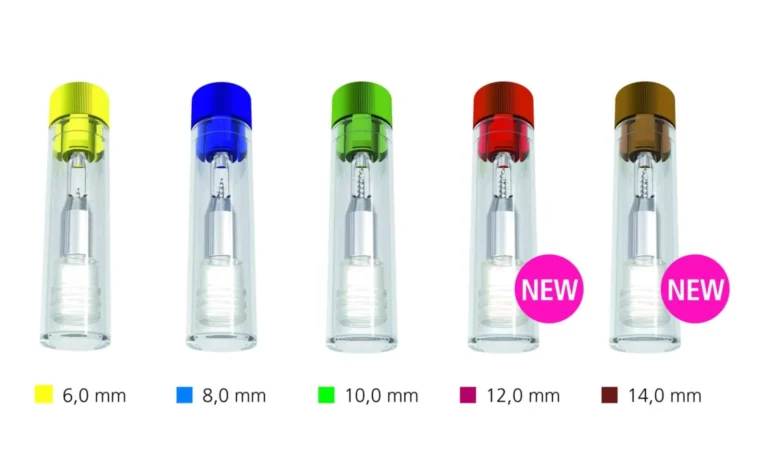
As the global orthodontic community moves toward increasingly digitized treatment protocols, Dentaurum has announced a significant expansion of its tomas (temporary orthodontic micro anchorage system) portfolio for 2026. This strategic update introduces 12 mm and 14 mm pin lengths for the tomas-pin SD and EP lines, alongside a sophisticated digital scanbody designed to integrate seamlessly into modern clinical workflows. These developments arrive during a landmark year for the Ispringen-based manufacturer, which is simultaneously celebrating its 140th anniversary as a family-owned enterprise and the 20th anniversary of the tomas system’s introduction to the global dental market.
Advancements in Skeletal Anchorage Stability
The introduction of 12 mm and 14 mm pins represents a technical response to the evolving demands of complex orthodontic cases, particularly those requiring enhanced primary stability. In clinical practice, the ability to achieve reliable anchorage is often the limiting factor in the success of skeletal expansion and tooth movement. By extending the length of the tomas-pin SD and EP series, Dentaurum provides clinicians with the necessary hardware to pursue bicortical anchorage—a technique where the implant engages two cortical plates rather than one.
Bicortical anchorage is recognized in literature as a superior method for distributing mechanical loads across dense bone, which is critical when using mini-implants to support heavy-duty orthodontic appliances like rapid palatal expanders (RPE). The increased insertion depth of the 14 mm pins allows for a greater surface area of integration, reducing the risk of implant loosening or failure during the active phases of treatment. For clinicians, this development translates to a more predictable biomechanical environment, ensuring that the coupling elements and attached appliances remain stable even under the significant forces required for adult maxillary expansion or complex space closure.
Integration of Digital Workflow Solutions
Beyond the physical hardware, the inclusion of a new, purpose-built scanbody highlights Dentaurum’s commitment to the digital transformation of orthodontics. Traditionally, the registration of mini-implants within a digital scan required manual measurement or inaccurate proxy methods. The new tomas scanbody solves this by allowing for precise intraoral capture of the pin position during a standard digital impression session.
The scanbody is engineered for compatibility with current intraoral scanning technology, ensuring that the exact spatial orientation of the tomas-pin is recorded. By offering the scanbody as a free STL file download on the company’s website, Dentaurum is lowering the barrier to entry for clinics that utilize in-house 3D printing. Dentists can print the component on demand, place it onto the installed pin, scan the site, and immediately import the data into CAD software. This digital pathway enables the construction of patient-specific orthodontic appliances that fit perfectly around the pins, eliminating the need for traditional, often uncomfortable, analog impressions.
The Evolution of the Pin-Last Approach
A core component of the updated tomas ecosystem is the continued refinement of the "Pin-Last" protocol. This methodology, centered on the use of the tomas-RPE eyelet, has fundamentally altered how rapid palatal expansion is delivered. In conventional setups, surgeons and orthodontists often performed the surgical placement of the expansion appliance in stages, which could lead to multiple appointments and increased patient discomfort.
The Pin-Last approach streamlines this process by allowing the RPE appliance and the mini-implants to be placed in a single, efficient clinical visit. The tomas-RPE eyelet acts as a mechanical bridge, linking the structural stability of the pins to the hyrax expansion screws. Clinical feedback suggests that this approach not only reduces chair time but also enhances patient compliance, as the transition from placement to active treatment is nearly instantaneous. By supporting this workflow, Dentaurum is positioning itself at the forefront of "minimally invasive" orthodontics, where skeletal support is achieved with minimal trauma to the oral tissues.
Chronology of the Tomas System
The success of the tomas system is deeply rooted in its 20-year history. Launched in 2006, the system was designed to provide a versatile, modular solution for skeletal anchorage, a field that was then in its infancy.
- 2006: The initial launch of the tomas system, providing a standardized kit for temporary orthodontic anchorage.
- 2010s: Expansion of the system to include various head shapes and connection options, catering to both lingual and labial orthodontic requirements.
- 2016: Integration of advanced material science, focusing on alloy stability and resistance to corrosion in the oral environment.
- 2021-2024: Incremental shifts toward digital compatibility, culminating in the development of CAD/CAM-ready components.
- 2026: The current expansion, featuring the longest pins in the series and the release of proprietary scanbodies, marking the transition into a fully digital-first workflow.
This timeline reflects a broader industry trend where hardware manufacturers are increasingly moving away from standalone product sales toward "ecosystem" models, where the software, hardware, and training are integrated into a single, cohesive clinical solution.
Educational Infrastructure and Clinical Support
Recognizing that sophisticated hardware requires a corresponding level of clinical expertise, Dentaurum has significantly ramped up its educational initiatives. The company’s 2026 strategy includes an extensive calendar of international workshops and hands-on training courses. These programs are designed not merely to introduce the new pins and scanbodies, but to provide a comprehensive curriculum on the biomechanics of skeletal anchorage.
The workshops often feature leading orthodontic experts who demonstrate the nuances of the Pin-Last approach, troubleshooting techniques for difficult anatomical sites, and the digital fabrication of appliances. By fostering a community of practitioners who are well-versed in these protocols, Dentaurum ensures that the clinical outcomes of their products remain high, reinforcing the brand’s reputation for reliability.
Market Implications and Future Outlook
The decision to expand the tomas portfolio comes at a time when the orthodontic market is experiencing a significant shift toward adult treatment. As more adults seek orthodontic correction, the necessity for skeletal anchorage has grown, as these patients often lack the growth potential of adolescents and may require more robust force delivery systems. The introduction of 14 mm pins is specifically targeted at these high-demand cases, providing the stability required to treat patients who might have previously required orthognathic surgery.
Furthermore, the emphasis on digital files—specifically the open-access nature of the scanbody STL files—demonstrates a strategic pivot toward interoperability. By not locking their digital components into a proprietary, closed-loop software system, Dentaurum is allowing orthodontists to continue using their existing lab workflows and CAD software. This flexibility is likely to be a major selling point for mid-to-large-sized practices that have already invested in specific digital infrastructures.
140 Years of German Engineering
The 2026 milestones are not just corporate anniversaries; they represent a century and a half of engineering legacy. Founded in 1886, Dentaurum has survived multiple global economic cycles and technological revolutions, from the era of manual wire bending to the current age of artificial intelligence-assisted treatment planning. The company’s continued operation from Ispringen, Germany, serves as a point of pride and a hallmark of quality for many clinicians who prioritize the precision associated with German manufacturing standards.
As the industry looks toward the next decade, the integration of skeletal anchorage into digital workflows will likely become the standard of care. With the 2026 updates, Dentaurum has successfully modernized the tomas system, ensuring that it remains relevant for the next generation of orthodontic specialists. The combination of increased pin lengths for superior stability and the streamlined digital acquisition of anatomical data positions the company to maintain its competitive edge in a rapidly accelerating market.
By balancing historical reliability with modern innovation, Dentaurum is not just providing tools for tooth movement; it is providing the infrastructure for the future of skeletal orthodontics. The company’s ability to bridge the gap between mechanical engineering and digital dentistry will undoubtedly be the primary driver of its success in the years to come, ensuring that the tomas system remains a cornerstone of orthodontic practice for years beyond its 20th anniversary.