
Experts Debate Should You Buy Organic
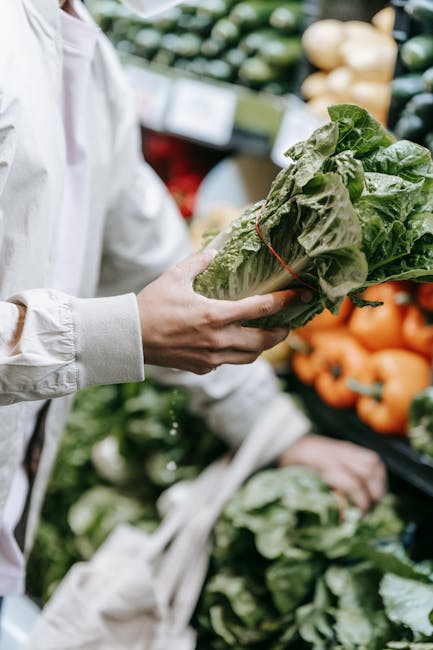
The Organic Debate: Experts Weigh In on Whether You Should Buy Organic
The question of whether to buy organic food is a persistent one, sparking debate among consumers, farmers, and scientists alike. While the "organic" label conjures images of healthier, more environmentally sound produce, the reality is nuanced, with compelling arguments on both sides. Understanding the complexities of organic production, its purported benefits, and its associated costs is crucial for making informed purchasing decisions. This article delves into the expert opinions and scientific evidence surrounding the organic debate, aiming to provide a comprehensive overview.
At its core, organic agriculture adheres to strict standards that prohibit the use of synthetic pesticides, herbicides, fertilizers, genetically modified organisms (GMOs), and irradiation. The National Organic Program (NOP) in the United States, for instance, outlines these regulations, ensuring a defined level of rigor for products labeled "organic." This means that organic farmers rely on natural methods of pest and disease control, such as crop rotation, beneficial insects, and natural fertilizers like compost and manure. The emphasis is on sustainable practices that promote soil health, biodiversity, and ecological balance. Proponents argue that these methods lead to food that is not only free from harmful chemical residues but also potentially more nutrient-dense and flavorful.
One of the primary drivers behind the organic movement is the concern over pesticide exposure. Conventional farming often utilizes synthetic pesticides to maximize crop yields and minimize pest damage. While regulatory bodies set limits on acceptable pesticide residues, some studies suggest that even low-level exposure can have adverse health effects, particularly in vulnerable populations like children and pregnant women. Research has linked pesticide exposure to a range of health issues, including neurological disorders, developmental problems, and certain types of cancer. Organic advocates contend that choosing organic significantly reduces one’s exposure to these chemicals, offering a safer alternative. This perspective is bolstered by organizations like the Environmental Working Group (EWG), which annually publishes the "Dirty Dozen" and "Clean Fifteen" lists, highlighting produce with the highest and lowest pesticide contamination, respectively.
Beyond direct human health concerns, the environmental impact of organic farming is another major point of contention. Organic practices are designed to be more sustainable, aiming to reduce pollution and conserve natural resources. By avoiding synthetic fertilizers, organic farming helps to prevent nutrient runoff into waterways, which can cause eutrophication and damage aquatic ecosystems. The focus on soil health through composting and cover cropping improves soil structure, water retention, and carbon sequestration, potentially mitigating climate change. Furthermore, the prohibition of GMOs in organic farming appeals to those concerned about the long-term ecological and genetic implications of genetically modified crops. Biodiversity is often enhanced in organic systems, as they tend to support a wider range of plant and animal life compared to monoculture-based conventional farms.
However, the organic label does not come without its critics and challenges. A significant hurdle for many consumers is the price premium associated with organic products. Organic farming is often more labor-intensive, yields can be lower, and certification processes can be costly for farmers. This translates to higher prices in grocery stores, making organic food less accessible for individuals and families on a budget. Critics argue that this price disparity creates an inequitable food system, where healthy and sustainable food options are reserved for the affluent. The question then arises: are the purported benefits of organic food significant enough to justify the higher cost for the average consumer?
The scientific evidence regarding the nutritional superiority of organic food is not entirely conclusive. While some studies have shown higher levels of certain nutrients, such as antioxidants and omega-3 fatty acids, in organic produce, others have found no significant differences. The variability in results can be attributed to numerous factors, including soil quality, climate, crop variety, and farming practices. While organic farming may foster healthier soil, which can indirectly impact nutrient content, it doesn’t guarantee a consistently higher nutritional profile across the board. Therefore, the argument for organic based solely on superior nutrition is not as straightforward as some proponents suggest.
Another point of contention is the effectiveness of organic pest control. While synthetic pesticides are prohibited, organic farmers still employ methods to manage pests and diseases. Some of these methods, like using certain natural pesticides, can still have environmental impacts, though generally considered less harmful than their synthetic counterparts. Moreover, organic farming does not inherently mean "pesticide-free." Organic-approved pesticides exist and are used when necessary. The debate often centers on the "type" of pesticide, with organic advocating for naturally derived options over synthetically manufactured ones.
The impact of organic farming on global food security is also a complex issue. Critics argue that if the entire world were to switch to organic farming, current global food production might not be sufficient to feed the growing population due to potentially lower yields. Proponents counter that improved organic techniques, increased biodiversity, and reduced reliance on fossil fuels could offset these concerns in the long run, creating a more resilient and sustainable food system. However, the transition to widespread organic agriculture would undoubtedly be a monumental undertaking with significant economic and logistical challenges.
When making a purchasing decision, consumers often consider a confluence of factors: health, environment, ethics, and cost. For those prioritizing the reduction of pesticide exposure, organic is a clear choice. The peace of mind that comes from knowing your food has been grown without synthetic chemicals can be a significant motivator. Similarly, individuals deeply concerned about environmental sustainability and the long-term health of the planet may find that supporting organic agriculture aligns with their values.
However, for many, the financial aspect is a primary determinant. In this context, a pragmatic approach might involve prioritizing organic purchases for produce known to have higher pesticide residues (i.e., the EWG’s "Dirty Dozen") while opting for conventionally grown options for those with lower residues (the "Clean Fifteen"). This strategy can help mitigate pesticide exposure without breaking the bank. Furthermore, supporting local farmers, whether organic or not, can foster community connections and reduce the carbon footprint associated with long-distance transportation.
The "organic" label is a complex certification that signifies adherence to a specific set of agricultural standards. It does not automatically equate to a universally superior product in all aspects. The debate is not about a simple "yes" or "no" to organic, but rather a nuanced understanding of its benefits and drawbacks. Experts emphasize that a balanced diet rich in fruits and vegetables, regardless of whether they are organic or conventional, is far more important for overall health than scrutinizing individual food choices for their organic status alone. The key takeaway is to be an informed consumer, understanding the motivations behind organic production and the evidence supporting its claims, while also being realistic about its limitations and costs.
Ultimately, the decision of whether to buy organic food is a personal one, influenced by individual priorities, financial constraints, and ethical considerations. While the ideal scenario for many would be a food system where all produce is grown organically and is affordably accessible, the current reality is more complex. Acknowledging the ongoing scientific research, the diverse perspectives of experts, and the practical realities of food production allows for a more informed and balanced approach to navigating the organic debate. Consumers can strive for a diet that incorporates a healthy balance of fruits and vegetables, prioritizing organic when it aligns with their values and resources, and understanding that a wholly organic diet may not be feasible or necessary for everyone to achieve good health and support environmental stewardship. The conversation surrounding organic food is ongoing, and a commitment to critical thinking and continuous learning is essential for making the best choices for ourselves and the planet.
