
How Long Does A Root Canal Procedure Take
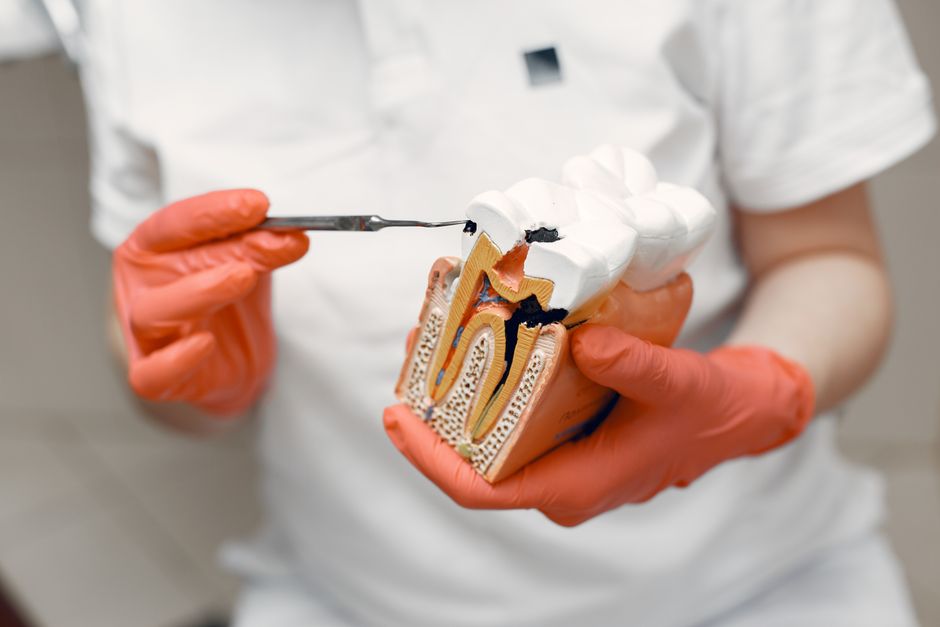
How Long Does a Root Canal Procedure Take? A Comprehensive Guide
The duration of a root canal procedure is a frequently asked question, and the answer is not a single, fixed number. Several variables influence the time commitment, ranging from the complexity of the tooth’s anatomy and the extent of infection or damage to the dentist’s experience and the technology employed. Generally, a standard root canal treatment on an anterior (front) tooth can take anywhere from 30 minutes to an hour. Posterior teeth, such as molars and premolars, with their more intricate root systems, typically require a longer timeframe, often between 60 to 90 minutes, and sometimes extending up to two hours for particularly challenging cases. The underlying reasons for this variability are multifaceted, encompassing the number of root canals within the tooth, the degree of calcification in those canals, the presence of abscesses or swelling, and whether the procedure is a re-treatment of a previously done root canal. Understanding these factors is crucial for patients to manage their expectations and prepare accordingly.
The anatomical complexity of the tooth is a primary determinant of root canal duration. Anterior teeth, like incisors and canines, generally possess a single root canal, making the cleaning and sealing process more straightforward and less time-consuming. In contrast, premolars can have one or two root canals, and molars, especially the upper ones, are known for their three or even four root canals, often with accessory canals and intricate branching. The curvature and diameter of these canals also play a significant role. Sharply curved canals can be more difficult to navigate and clean thoroughly, requiring greater precision and time. Calcified canals, where the canal space has narrowed due to secondary dentin deposition, present another challenge, making it harder for the endodontist to access and debride. The presence of additional, unpredicted canals or internal resorption further complicates the procedure, necessitating a more extensive exploration and treatment.
The severity of the infection or damage to the tooth is another critical factor influencing the root canal timeline. If a tooth has experienced irreversible pulpitis, meaning the pulp tissue is inflamed beyond repair but there isn’t a significant infection, the procedure might be relatively standard. However, when an abscess has formed at the root tip or the infection has spread into the surrounding bone, the process becomes more involved. The dentist needs to thoroughly clean and disinfect the infected area, which might require more extensive irrigation and the use of antimicrobial agents. In cases of significant swelling or pus, draining the infection might be a prerequisite or a concurrent step, adding to the overall treatment time. For teeth with extensive decay that has reached the pulp, or those that have suffered traumatic injuries, the extent of damage dictates the invasiveness and duration of the root canal.
The skill and experience of the dental professional performing the root canal are undeniably important. Endodontists, specialists in root canal therapy, generally have advanced training and possess specialized equipment that can expedite the process and improve outcomes. Their familiarity with complex root canal anatomy and their proficiency in using tools like dental microscopes allow for greater precision and efficiency. A general dentist performing a root canal will also complete the procedure successfully, but in more complex cases, they might refer the patient to an endodontist. The dentist’s speed and dexterity, honed through years of practice, can also contribute to a shorter procedure time without compromising quality. Conversely, a less experienced practitioner might take longer due to increased caution and the need for more deliberate movements.
The technology and materials utilized during the root canal procedure can also impact its duration. Modern endodontic practices often incorporate advanced technologies that streamline the treatment. For instance, digital radiography and cone-beam computed tomography (CBCT) scans can provide highly detailed 3D images of the tooth and its root structure, allowing for better pre-operative planning and visualization of complex anatomy, thus potentially reducing treatment time. Rotary instrumentation, using engine-driven files, is generally faster and more efficient than traditional hand instrumentation for cleaning and shaping root canals. Ultrasonic devices can aid in removing obstructions and cleaning calcified canals. Furthermore, the type of filling material used to seal the canals and the technique for its placement can also vary in time. Advanced sealing systems and gutta-percha techniques might be more efficient than older methods.
The number of appointments required for a root canal treatment is another aspect of its overall time commitment. While many root canals can be completed in a single visit, complex cases, teeth with severe infections, or when certain complications arise, may necessitate multiple appointments. For example, if a tooth has a significant infection with pus or swelling, the dentist might opt for a two-visit approach. In the first visit, the canals are cleaned, medicated with an antibacterial agent, and a temporary filling is placed. The patient might be prescribed antibiotics. The canals are then re-accessed and cleaned again during a second visit, after the infection has subsided. This allows for a more thorough disinfection and reduces the risk of persistent infection. Re-treatment of previously root-canaled teeth, often referred to as endodontic retreatment, can also be more time-consuming than initial treatments, as it involves removing old filling materials and navigating potentially altered canal anatomy.
The initial diagnostic phase, which precedes the actual root canal procedure, also contributes to the overall patient experience and time investment. This phase typically involves a thorough dental examination, including a review of the patient’s medical history, followed by dental X-rays. These images are crucial for identifying the extent of decay, the condition of the pulp, and the shape and number of root canals. In some instances, more advanced imaging techniques like CBCT scans might be recommended, particularly for complex cases or retreatment, to gain a more comprehensive 3D view of the tooth. This diagnostic phase, while not part of the surgical duration of the root canal itself, is an essential precursor that can take anywhere from 15 to 30 minutes or more, depending on the individual case and the technology available.
The actual surgical procedure of a root canal involves several distinct stages, each contributing to the overall time taken. The first step is the isolation of the tooth. This is typically achieved using a dental dam, a thin sheet of latex or non-latex material that is stretched over the tooth and surrounding gum tissue. The dental dam is secured with a clamp, creating a sterile field and preventing saliva and bacteria from contaminating the canals during treatment. This isolation process ensures a clean working environment and protects the patient from ingesting any debris or irrigating solutions. The application of the dental dam, while routine, adds a few minutes to the overall procedure.
Following isolation, the dentist will administer local anesthesia to ensure the patient is comfortable and pain-free throughout the procedure. Once the tooth is numb, an access opening is created in the crown of the tooth. The location and size of this opening depend on the type of tooth being treated. For anterior teeth, the opening is usually made on the back surface, while for posterior teeth, it is typically on the biting surface. This step requires careful drilling to reach the pulp chamber without causing unnecessary damage to the tooth structure. The time taken for creating the access cavity can vary depending on the thickness and density of the enamel and dentin.
The next critical phase involves the removal of the pulp tissue. The dentist uses specialized instruments called endodontic files to carefully remove the inflamed or infected pulp from the pulp chamber and root canals. These files are available in various sizes and shapes and are used in a specific sequence to clean and shape the canals. The process of debridement, or cleaning out the infected material, is meticulous and requires significant time, especially in multi-rooted teeth. The irrigating solutions, such as sodium hypochlorite, are used throughout this stage to flush out debris and disinfect the canals. The thoroughness of this cleaning is paramount for successful treatment, and rushing this step can lead to complications.
Once the canals are thoroughly cleaned and shaped, they are disinfected and dried. The dentist will then fill the cleaned canals with a biocompatible material, most commonly gutta-percha, a rubber-like substance. This material is typically placed with an adhesive cement to ensure a complete seal. The process of obturation, or filling the canals, can be done using various techniques, some of which are more time-consuming than others. The goal is to completely fill all aspects of the root canal system to prevent reinfection.
Finally, a temporary or permanent filling is placed in the access opening of the tooth. In cases where a permanent restoration will be placed at a later date, a temporary filling is used. If the tooth is structurally sound, a permanent filling might be placed immediately. The placement of a permanent crown is usually a separate appointment that occurs after the root canal treatment has been completed and the tooth has had time to heal. The decision to place a temporary or permanent filling directly after the root canal is based on the dentist’s assessment of the tooth’s condition.
The complexity of the tooth’s root system is a significant driver of the time required for root canal treatment. A single-rooted incisor with a straight canal will be considerably faster to treat than a multi-rooted molar with curved or calcified canals. The number of root canals present in a tooth varies: incisors and canines typically have one, premolars can have one or two, and molars, especially maxillary molars, often have three or even four canals. Each canal requires thorough cleaning, shaping, and filling. The presence of accessory canals, which are small branches off the main root canals, further complicates the procedure as they also need to be cleaned and sealed.
Calcification of root canals can also dramatically increase the time required for a root canal. Over time, the tooth can deposit secondary dentin, which narrows the root canal space. This calcification makes it more challenging for the dentist to access and navigate the canals with instruments. Specialized techniques and longer instrumentation times may be necessary to achieve patency (openness) of calcified canals.
The presence of pathological conditions, such as a periapical abscess or cysts, adds another layer of complexity and time to a root canal. An abscess is a collection of pus that forms at the root tip due to infection. If present, the dentist must ensure thorough disinfection and drainage of the infected area. This may involve longer irrigation times, the use of specific antimicrobial agents, and sometimes the need for a second appointment after the initial infection has been managed.
The experience and skill of the dental professional performing the root canal significantly influence the procedure’s duration. Endodontists, specialists in root canal therapy, possess advanced training and utilize sophisticated equipment, often including dental operating microscopes and specialized sonic or ultrasonic instruments. These tools allow for greater magnification and precision, enabling them to navigate complex anatomy more efficiently and effectively. While general dentists are proficient in performing root canals, complex cases or those requiring specialized techniques might be more time-consuming for them compared to an endodontist.
Technological advancements in endodontics have also contributed to making root canal procedures more efficient. Digital radiography and cone-beam computed tomography (CBCT) provide detailed 3D imaging, allowing dentists to better visualize the root canal system before and during treatment, which can reduce surprises and save time. Rotary and reciprocating file systems, powered by electric motors, are significantly faster and more efficient at shaping root canals compared to traditional hand files. Ultrasonic instruments can be used for tasks like removing obstructions or cleaning calcified canals more effectively.
The type of tooth being treated is a primary factor. Anterior teeth (incisors, canines) generally have simpler anatomy with one root and one canal, making them quicker to treat. Posterior teeth (premolars, molars) have more complex root systems with multiple canals, which are often curved and narrower, thus requiring more time for cleaning and shaping. Maxillary molars are known for their intricate anatomy, including extra canals and accessory canals, which can significantly extend the procedure time.
The presence of previous dental work, such as fillings, crowns, or prior root canals, can also affect the duration. If a tooth has been previously root-canaled, the retreatment process involves removing old filling materials and navigating potentially altered canal anatomy, which is often more challenging and time-consuming than treating a tooth for the first time. The integrity of existing restorations and the presence of decay can also influence the access preparation and overall treatment strategy.
The patient’s individual anatomy and biological response are also considered. Some individuals may have naturally more complex root canal systems. The degree of inflammation and the extent of infection can also vary widely, influencing the thoroughness required for cleaning and disinfection. The patient’s pain tolerance and ability to remain still during the procedure can also be factors, although with proper anesthesia, pain should not be a limiting factor.
In summary, while a typical root canal might take between 30 to 90 minutes, this duration is highly variable. Patients should not assume a fixed time for their procedure. Factors such as the tooth’s location and complexity, the extent of infection or damage, the dentist’s expertise, and the technology used all contribute to the final time spent in the dental chair. Open communication with your dentist or endodontist about the anticipated duration of your specific procedure is always recommended to manage expectations effectively.
