
How Body Acceptance Can Help You Reach Your Goals
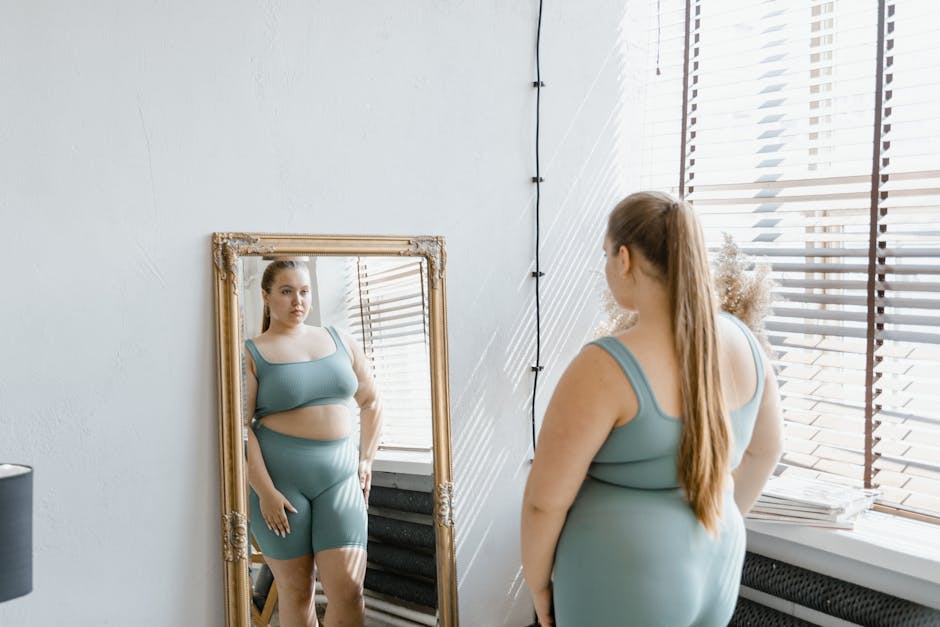
Unlock Your Potential: How Body Acceptance Fuels Goal Achievement
The journey to achieving personal and professional goals is often characterized by self-discipline, strategic planning, and unwavering focus. However, a frequently overlooked yet profoundly impactful element in this pursuit is body acceptance. Far from being a tangential concept, embracing your body as it is – regardless of societal pressures or perceived imperfections – creates a powerful internal foundation that directly and indirectly propels you toward your aspirations. When you cease the internal war against your physical self, you liberate immense mental and emotional energy, redirecting it towards productive action and sustained motivation. This shift allows for greater resilience in the face of setbacks, improved decision-making, and a more holistic approach to well-being, all of which are critical for long-term success.
One of the most immediate benefits of body acceptance is the dramatic reduction in mental energy spent on self-criticism and comparison. The constant barrage of idealized images in media and social circles can foster a pervasive sense of inadequacy, leading individuals to dedicate significant cognitive resources to scrutinizing their bodies. This internal monologue of judgment consumes valuable bandwidth that could otherwise be channeled into problem-solving, creative thinking, or strategic planning essential for goal attainment. When you accept your body, you quiet this incessant critic, freeing up mental RAM. This liberated energy can then be redirected towards analyzing your goals, identifying actionable steps, and developing innovative solutions to overcome obstacles. Imagine the cumulative effect of reclaiming hours of self-criticism each week and investing that time and mental energy into focused work, skill development, or pursuing opportunities. This redirection is not merely theoretical; it’s a tangible shift in cognitive allocation that directly enhances your capacity for achievement.
Furthermore, body acceptance cultivates a deeper sense of self-compassion and resilience, crucial components for navigating the inevitable challenges inherent in pursuing significant goals. The path to success is rarely linear. It’s marked by failures, rejections, and moments of doubt. Without a foundation of self-acceptance, these setbacks can be devastating, leading to feelings of hopelessness and a desire to abandon the pursuit altogether. When you have accepted your body, you’ve already practiced a form of radical self-kindness by acknowledging and embracing your physical reality. This internal practice of compassion extends to other areas of your life, making you more forgiving of your mistakes and more inclined to learn from them rather than be paralyzed by them. This resilience allows you to bounce back more effectively, to view failures as learning opportunities, and to persevere with renewed determination. Instead of internalizing a setback as a reflection of your inherent worth (which a lack of body acceptance often triggers), you can view it as a temporary hurdle, a piece of information to be analyzed and integrated into your strategy.
The impact of body acceptance on overall well-being is also a significant, albeit indirect, contributor to goal achievement. When you are at war with your body, stress levels are invariably higher. Chronic stress impairs cognitive function, including concentration, memory, and decision-making – all critical for effective goal pursuit. Moreover, this internal conflict can manifest in disordered eating patterns, insufficient sleep, and a general neglect of self-care. These detrimental habits further erode physical and mental energy, making it exponentially harder to maintain the discipline and focus required to reach your targets. Conversely, body acceptance encourages a more harmonious relationship with your physical self. This often leads to healthier lifestyle choices motivated by a desire to nourish and care for your body, rather than punish or transform it. When you feel good in your body, you have more energy, clearer thoughts, and a greater capacity for sustained effort. This improved well-being acts as a powerful catalyst, providing the sustained vitality needed to tackle demanding projects and long-term objectives.
Body acceptance also fosters a more authentic and confident self-presentation, which is vital for professional and personal advancement. In many fields, self-assurance and a confident demeanor are perceived as indicators of competence and leadership potential. When you are preoccupied with perceived physical flaws or feel uncomfortable in your skin, this insecurity can manifest in hesitant communication, avoidance of eye contact, and a general lack of assertiveness. This can hinder networking opportunities, limit your ability to advocate for yourself, and diminish your perceived credibility. Embracing your body, however, allows you to stand taller, speak more clearly, and engage with others with genuine self-possession. This authentic confidence is magnetic, drawing people to you and opening doors to collaborations, promotions, and leadership roles. It signals that you are comfortable with who you are, which translates to an assumption of competence and an ability to handle challenges.
Moreover, the pursuit of goals often requires vulnerability and the willingness to step outside of one’s comfort zone. This can involve public speaking, presenting ideas, or engaging in new and challenging experiences. A lack of body acceptance can amplify the fear associated with these situations. The thought of being judged for your appearance can become a significant barrier, leading to avoidance of these crucial growth opportunities. When you have cultivated body acceptance, the fear of external judgment regarding your appearance is significantly reduced. You are more likely to embrace opportunities for growth, even if they feel daunting, because your self-worth is not contingent on external validation of your physical form. This willingness to be vulnerable and to try new things is a fundamental driver of progress and innovation, essential for achieving ambitious goals.
The process of achieving goals frequently involves collaboration and building relationships. Body acceptance can significantly enhance your ability to connect with others on a deeper level. When you are not consumed by self-judgment, you are more present and attuned to the needs and perspectives of those around you. This fosters empathy and improves your communication skills, enabling you to build stronger, more supportive networks. These networks can provide invaluable advice, encouragement, and practical assistance, all of which are crucial for navigating complex challenges and achieving ambitious targets. A person who is at ease with themselves is more approachable and more likely to foster trust, which are foundational elements of successful teamwork and leadership.
Furthermore, body acceptance encourages a more balanced and sustainable approach to self-improvement, which is vital for long-term goal achievement. The societal pressure to constantly “optimize” one’s body can lead to extreme and unsustainable diet and exercise regimens. These can result in burnout, injury, and a negative relationship with health and fitness. When body acceptance is prioritized, self-improvement efforts are driven by a desire for genuine well-being and functionality, rather than by an attempt to conform to an external ideal. This leads to healthier, more sustainable practices that are conducive to long-term energy levels and focus. Instead of cyclical patterns of deprivation and overexertion, you develop consistent habits that support your overall capacity to pursue and achieve your goals over extended periods. This shift from a punitive mindset to a nurturing one is essential for enduring success.
The internalized narrative that often accompanies a lack of body acceptance can create a pervasive feeling of "not enoughness." This can seep into how individuals perceive their capabilities and potential, leading them to self-sabotage or to set less ambitious goals due to a belief that they are not worthy of greater success. By accepting your body, you dismantle this core belief of inadequacy. You begin to recognize your inherent worth, independent of your physical appearance. This fundamental shift in self-perception empowers you to set bolder goals, to believe in your ability to achieve them, and to take the necessary risks without being held back by internal limitations. The confidence derived from body acceptance translates directly into a willingness to aim higher and to tackle challenges that might have previously seemed insurmountable.
Finally, body acceptance fosters a crucial disconnect between your physical self and your overall sense of self-worth. When your body image is constantly fluctuating or is tied to external validation, your emotional state becomes precarious. This emotional instability can derail your focus and motivation when pursuing goals. By accepting your body, you decouple your self-esteem from your physical appearance. Your worth becomes an intrinsic quality, not something to be earned or lost based on the number on the scale or the fit of your clothes. This emotional stability provides a solid bedrock of confidence, allowing you to remain centered and focused on your objectives, even when faced with external pressures or internal doubts. This unwavering sense of self is a powerful engine for sustained effort and the ultimate realization of your aspirations.
