
Sauteed Shrimp With Mango Salsa
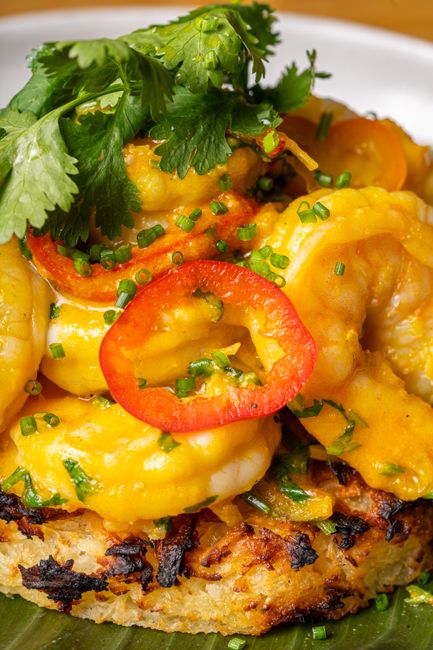
Sauteed Shrimp with Mango Salsa: A Tropical Culinary Masterpiece for SEO Success
This article explores the intricate details of creating and optimizing content around sauteed shrimp with mango salsa, a dish renowned for its vibrant flavors, health benefits, and inherent appeal to a broad culinary audience. We will delve into keyword research, content structure, recipe optimization, nutritional information, and various promotional strategies to ensure maximum search engine visibility and user engagement. Understanding the nuances of this dish, from its core ingredients to its regional variations and potential pairings, is paramount for crafting compelling and rankable content. The keywords we will focus on, such as "sauteed shrimp recipe," "mango salsa," "healthy seafood dinner," "quick weeknight meal," and "tropical flavors," are highly searched terms within the food and recipe niche. By strategically integrating these and related long-tail keywords throughout the article, we aim to capture a significant share of organic search traffic. The dish itself offers a wealth of content opportunities, including variations in preparation, spice levels, and accompanying side dishes, all of which can be leveraged for SEO purposes.
The foundation of any successful culinary article lies in a meticulously crafted and user-friendly recipe. For sauteed shrimp with mango salsa, this involves clear, concise instructions, precise measurements, and readily available ingredients. The shrimp, a lean protein source, requires careful attention to cooking time to prevent overcooking, a common pitfall that can render the dish rubbery. The ideal method involves a quick sauté over medium-high heat, ensuring a slightly firm yet tender texture. Key ingredients for the shrimp component include fresh shrimp, often medium to large in size, peeled and deveined. Olive oil or a neutral cooking oil like canola or grapeseed oil serves as the cooking fat. Seasoning is crucial, typically involving salt, freshly ground black pepper, and often a touch of garlic powder or minced garlic. For an extra layer of flavor, a squeeze of lime juice can be incorporated towards the end of the sautéing process, adding a bright, acidic counterpoint. The simplicity of the shrimp preparation allows the mango salsa to shine, making it a dish where balance and ingredient quality are paramount. Search terms like "easy shrimp recipe," "best sauteed shrimp," and "garlic shrimp" are critical for attracting users looking for straightforward cooking solutions.
The mango salsa is the soul of this dish, infusing it with sweetness, acidity, and a refreshing zest. Achieving the perfect mango salsa requires a balance of sweet, tart, spicy, and herbaceous elements. The star ingredient, ripe mangoes, should be firm but yield slightly to pressure, indicating optimal ripeness. Diced uniformly, they form the sweet base. Complementing the mango are finely diced red onion, providing a sharp bite and vibrant color. Cilantro, freshly chopped, adds an essential herbaceous freshness. Jalapeño or serrano peppers, finely minced with seeds removed for controlled heat, introduce a welcome spicy kick. A critical component is lime juice, freshly squeezed, which cuts through the sweetness of the mango and harmonizes the flavors. A pinch of salt enhances all the individual tastes. Some variations might include diced red bell pepper for added sweetness and crunch, or a touch of honey or agave nectar if the mangoes are not exceptionally sweet. The key is to allow the salsa to meld for at least 15-20 minutes before serving, enabling the flavors to fully develop. Keywords such as "homemade mango salsa recipe," "fresh salsa," "spicy mango salsa," and "fruit salsa" are essential for capturing this aspect of the dish.
Beyond the core recipe, understanding and presenting the nutritional benefits significantly enhances SEO potential and user value. Sauteed shrimp is an excellent source of lean protein, omega-3 fatty acids, and essential vitamins and minerals like selenium and vitamin B12. These nutrients contribute to muscle health, heart function, and cognitive well-being. Mangoes, rich in vitamins A and C, dietary fiber, and antioxidants, offer numerous health advantages, including immune support and improved digestion. The combination of shrimp and mango creates a well-rounded meal that can be positioned as a healthy, guilt-free option. Highlighting these benefits attracts health-conscious consumers searching for "healthy seafood recipes," "low-calorie dinners," and "nutritious meals." Data from reputable sources like the USDA FoodData Central can be referenced to provide accurate nutritional breakdowns, further bolstering credibility and SEO. The presence of antioxidants from both mango and cilantro also appeals to consumers interested in anti-inflammatory foods.
Optimizing the recipe for search engines involves more than just keyword inclusion; it requires a structured and easily scannable format. This includes clearly labeling ingredients and steps, using bullet points or numbered lists, and incorporating schema markup for recipes. Schema markup, specifically Recipe schema, allows search engines to understand the content as a recipe, enabling rich snippets to appear in search results, showcasing images, ratings, and cook times. This significantly increases click-through rates. The title of the recipe within the article should be compelling and keyword-rich, such as "Juicy Sauteed Shrimp with Vibrant Homemade Mango Salsa." The meta description should be a concise summary of the dish, enticing users to click, and include primary keywords. Using headings and subheadings (H1, H2, H3) breaks up the text, making it more readable for both users and search engines. Each section, from ingredients to instructions to variations, should be logically organized.
Expanding the content’s reach involves exploring variations and serving suggestions that cater to diverse preferences and dietary needs. For instance, offering a "spicy shrimp" variation by increasing the chili content in the salsa or adding cayenne pepper to the shrimp marinade can attract users searching for "spicy seafood recipes." A "vegan mango salsa" alternative, while not directly for the shrimp component, could be relevant if positioned as a versatile topping. For those seeking lighter options, suggesting serving the sauteed shrimp and mango salsa over a bed of mixed greens or quinoa taps into the "healthy salad recipes" or "quinoa bowl recipes" search queries. Gluten-free adaptations are straightforward as the core ingredients are naturally gluten-free. Incorporating these variations demonstrates comprehensive knowledge and broadens the keyword targeting. Think about adding shrimp cooked with a hint of jerk seasoning for a Caribbean twist, or pairing it with coconut rice for a more tropical meal, which opens up keywords like "Caribbean shrimp" and "coconut rice recipes."
The visual appeal of sauteed shrimp with mango salsa is undeniable, making high-quality imagery a crucial element for both user engagement and SEO. Professional, well-lit photographs of the finished dish, as well as close-ups of the vibrant salsa, are essential. These images should be optimized for web use, with descriptive alt text that includes relevant keywords. For example, an alt text for a photo of the salsa could be "Freshly diced mango, red onion, cilantro, and jalapeño for vibrant mango salsa." Images with high engagement metrics can signal to search engines that the content is valuable and appealing. Video content, such as a short cooking tutorial demonstrating the sautéing technique or the salsa preparation, can further enhance engagement and provide another avenue for SEO. Embedding these videos directly into the article can increase dwell time, a positive ranking factor. Keywords like "how to make mango salsa video" or "shrimp cooking tutorial" become relevant here.
Promoting the article through various channels is vital for driving traffic and building authority. Social media platforms are ideal for sharing visually appealing content. Platforms like Instagram and Pinterest are particularly effective for food content, allowing for the use of relevant hashtags such as #shrimprecipes, #mangosalsa, #seafoodlover, #healthyfood, and #dinnerideas. Engaging with food bloggers and influencers can lead to backlinks and increased visibility. Email marketing campaigns to subscribers can also drive traffic to the article. Participating in online culinary communities and forums, where appropriate, can also expose the content to a targeted audience. Backlink building from reputable food websites, recipe directories, and health and wellness blogs will significantly boost the article’s authority and search engine ranking. The goal is to create a comprehensive ecosystem around the dish, with the article serving as the central hub.
Understanding user intent is paramount in crafting content that resonates and ranks. Users searching for "sauteed shrimp with mango salsa" likely have several underlying intentions: they might be looking for a quick and easy recipe for a weeknight dinner, seeking a healthy and flavorful meal option, or exploring new and exciting flavor combinations. The article must address these various intents comprehensively. By providing a detailed recipe, nutritional information, serving suggestions, and highlighting its ease of preparation, we cater to all these potential user needs. The inclusion of keywords that reflect these specific intents, such as "quick shrimp dinner" or "easy healthy mango recipe," further refines the targeting. For example, a user looking for a "healthy seafood dinner" will appreciate the lean protein and vitamin content, while someone seeking a "quick weeknight meal" will be drawn to the straightforward cooking process.
Furthermore, the longevity of the content can be ensured by addressing seasonal relevance and potential pairings. While mangoes are generally available year-round, their peak season can be highlighted, positioning the dish as a perfect summer or tropical-themed meal. This can be leveraged for timely content promotion. Discussing complementary side dishes adds another layer of value. Serving suggestions like coconut rice, grilled corn on the cob, a simple avocado salad, or even black beans and rice can open up additional keyword opportunities and appeal to a wider audience looking for complete meal ideas. For instance, "shrimp with coconut rice" or "grilled shrimp and corn" are valuable search terms. The versatility of the dish allows it to be a standalone star or a component of a larger, more elaborate meal, catering to different occasions and skill levels.
Finally, the ongoing optimization process is crucial for maintaining and improving search engine rankings. Regularly reviewing keyword performance, analyzing user engagement metrics (bounce rate, time on page, click-through rates), and updating the content with fresh information or new variations will keep the article relevant and competitive. Monitoring competitor content and identifying gaps or opportunities can also inform future content development. The digital landscape is constantly evolving, and a proactive approach to SEO ensures that content remains at the forefront of search results, consistently attracting and satisfying user queries related to this delicious sauteed shrimp with mango salsa. The aim is not just to rank but to become a definitive resource for this popular and flavorful dish.
