
Slow Cooker Chicken Noodle Soup
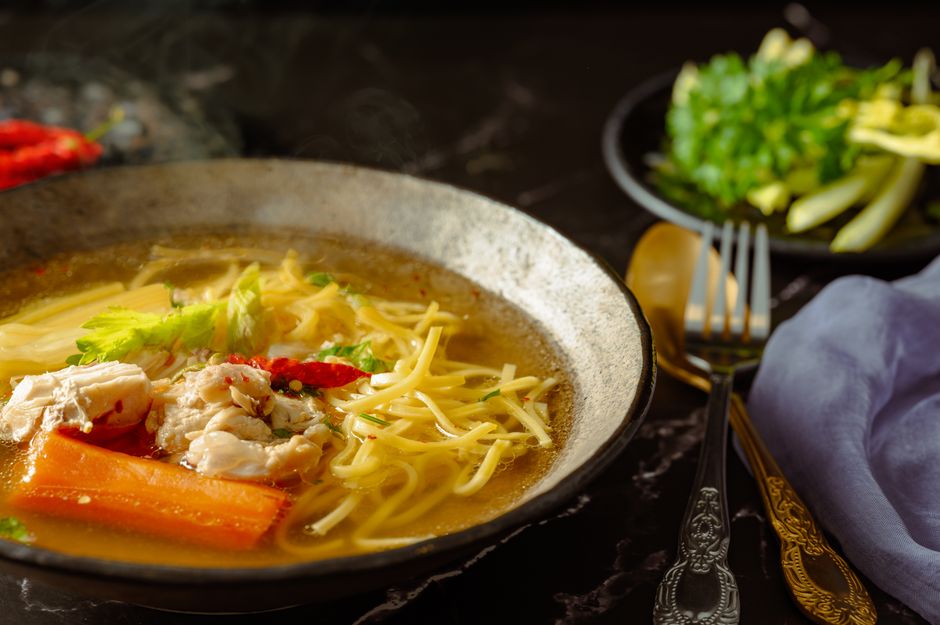
The Ultimate Slow Cooker Chicken Noodle Soup: A Comfort Food Classic, Effortlessly Prepared
This article delves into the creation of an exceptional slow cooker chicken noodle soup, a dish synonymous with comfort and ease. We will explore the fundamental principles of slow cooking this classic, the optimal ingredients for depth of flavor, and troubleshooting common issues. The objective is to equip readers with the knowledge to produce a consistently delicious and satisfying bowl of chicken noodle soup with minimal active cooking time. We will break down the process into actionable steps, focusing on ingredient selection, preparation techniques, and the science behind achieving perfect texture and taste in a slow cooker environment. Emphasis will be placed on maximizing flavor extraction and ensuring the noodles achieve the ideal al dente consistency, a frequent challenge in slow cooker recipes.
Key Ingredients for an Unforgettable Slow Cooker Chicken Noodle Soup
The foundation of any great chicken noodle soup lies in its ingredients. For a slow cooker version, certain choices significantly enhance flavor and texture while simplifying the cooking process. Bone-in, skin-on chicken pieces, such as thighs and drumsticks, are paramount. The bones release gelatin and collagen into the broth, creating a richer, more unctuous base. The skin, while often removed before serving for a less fatty soup, contributes significantly to the initial flavor development during the slow cooking period. Alternatively, boneless, skinless thighs can be used for a slightly leaner soup, though the broth may be less robust. Whole chickens, if you have the time and inclination, can also be used, yielding an exceptionally flavorful broth and plenty of shredded chicken.
The aromatic vegetables, collectively known as the mirepoix, are crucial. This classic combination of onions, carrots, and celery provides a sweet, savory, and slightly pungent foundation. Dicing these vegetables relatively uniformly ensures they cook evenly in the slow cooker. For enhanced flavor, consider using a combination of yellow or sweet onions and avoiding red onions, which can impart a less desirable color and flavor to the soup.
Chicken broth is another critical component. Opt for a high-quality, low-sodium chicken broth or stock. Low-sodium allows for better control over the soup’s saltiness. Homemade chicken stock, if available, will elevate the soup to an entirely new level of flavor. Conversely, using water as the primary liquid will result in a bland soup, lacking the depth that good broth provides.
Herbs and seasonings are the unsung heroes. Fresh thyme and bay leaves are indispensable for their aromatic contributions. Dried herbs can be used, but fresh often imparts a brighter, more nuanced flavor. A sprig or two of fresh parsley added towards the end of cooking, or as a garnish, will add a final burst of freshness. Salt and freshly ground black pepper are essential for balancing the flavors. Consider adding a pinch of dried sage for an earthy undertone, particularly effective with poultry.
Finally, the noodles. The type of noodle is a matter of personal preference, but some varieties perform better in a slow cooker than others. Egg noodles are traditional and absorb flavor beautifully. Wide egg noodles offer a satisfying chew, while thin egg noodles cook more quickly. Other options include elbow macaroni, ditalini, or even broken spaghetti. The timing of noodle addition is crucial to prevent them from becoming mushy, a common pitfall in slow cooker recipes.
The Slow Cooking Process: Maximizing Flavor and Minimizing Effort
The beauty of a slow cooker lies in its ability to transform simple ingredients into a deeply flavorful meal with minimal supervision. The process for chicken noodle soup begins with preparing the chicken and aromatics. If using bone-in chicken, you can brown it in a skillet before adding it to the slow cooker. This step, while optional, enhances the Maillard reaction, contributing a more complex, roasted flavor to the soup. Sear the chicken pieces on all sides until golden brown, then transfer them to the slow cooker insert.
Next, add the diced onions, carrots, and celery to the slow cooker. If you choose not to brown the chicken, you can sauté the mirepoix in the same skillet used for browning the chicken, deglazing the pan with a splash of broth to capture any browned bits. This adds another layer of flavor.
Pour in the chicken broth, ensuring it covers the chicken and vegetables. Add the bay leaves and sprigs of fresh thyme. Season generously with salt and pepper. Remember that the saltiness will concentrate as the soup cooks, so it’s often better to err on the side of slightly under-seasoning initially and adjust at the end.
Cover the slow cooker and cook on low for 6-8 hours or on high for 3-4 hours. The low setting is generally preferred for maximum flavor development and tender chicken. During this time, the chicken will become exceptionally tender, and the flavors will meld beautifully.
Achieving Perfect Noodles: A Delicate Balance
The most critical step for successful slow cooker chicken noodle soup is the timing of noodle addition. Adding them too early will result in overcooked, mushy noodles that disintegrate into the soup. The goal is to cook the noodles until they are al dente, retaining a slight bite.
Approximately 30-45 minutes before serving, remove the chicken from the slow cooker. Shred the chicken meat from the bones, discarding the bones and skin. Return the shredded chicken to the slow cooker.
Increase the heat setting of the slow cooker to high if it was on low. Add the dried noodles directly to the slow cooker with the shredded chicken and vegetables. Stir to ensure the noodles are submerged in the liquid. Cook for the time recommended on the noodle package, usually around 15-20 minutes, or until the noodles are tender but still firm to the bite. It’s essential to stir occasionally to prevent the noodles from sticking to the bottom of the slow cooker.
If the soup becomes too thick at this stage, you can add a little more chicken broth or water to reach your desired consistency. Taste and adjust seasoning as needed. For a final touch of freshness, stir in a handful of chopped fresh parsley just before serving.
Troubleshooting Common Slow Cooker Chicken Noodle Soup Issues
Despite its apparent simplicity, slow cooker chicken noodle soup can present a few challenges. One common issue is blandness. This can be attributed to several factors: using low-quality broth, insufficient aromatics, or not seasoning adequately. To combat blandness, start with a good quality chicken broth. Don’t skimp on the onions, carrots, and celery – they are the flavor base. Season throughout the cooking process, tasting and adjusting as you go. A splash of soy sauce or Worcestershire sauce added towards the end can also boost umami.
Another frequent problem is mushy noodles. As mentioned, this is almost always a result of adding the noodles too early. Stick to the recommended timing of adding them in the last 30-45 minutes of cooking. If you find yourself with slightly overcooked noodles, don’t despair. You can try adding a small amount of uncooked pasta to absorb some of the excess liquid, or simply serve it as is, acknowledging that it might be a bit softer than desired.
A watery soup can also occur. This is often because the chicken releases a lot of liquid during cooking, and the vegetables also contribute moisture. If your soup is too thin, you have a couple of options. You can thicken it by making a slurry of 2 tablespoons of cornstarch or flour mixed with an equal amount of cold water and stirring it into the simmering soup. Alternatively, you can continue to cook the soup uncovered on the stovetop or in the slow cooker on a higher setting to allow some of the liquid to evaporate.
If the chicken is dry, it’s usually because it was cooked for too long without sufficient liquid, or boneless, skinless chicken breasts were used, which are prone to drying out. Bone-in, skin-on chicken pieces, especially thighs, are more forgiving in a slow cooker and tend to stay moist. Ensure there’s ample broth to cover the chicken.
Variations and Enhancements for Your Slow Cooker Chicken Noodle Soup
While the classic chicken noodle soup is a perennial favorite, there are numerous ways to customize and enhance your slow cooker creation. For a heartier soup, consider adding other vegetables such as peas, corn, or diced potatoes. These can be added along with the mirepoix, or peas and corn can be added in the last hour of cooking to prevent them from becoming overcooked.
For a spicier kick, incorporate a pinch of red pepper flakes or a diced jalapeño pepper with the aromatics. If you enjoy a creamy soup, you can stir in a can of evaporated milk or a swirl of heavy cream in the final minutes of cooking. This will transform the soup into a rich and decadent chowder-like consistency.
Herbal variations are also popular. Rosemary can add a robust, pine-like aroma, while a touch of marjoram can provide a subtle sweetness. Experiment with different herb combinations to discover your personal favorite.
For those looking for a gluten-free option, simply omit the noodles and thicken the soup with cornstarch or tapioca starch. Alternatively, use gluten-free pasta designed for slow cooker use.
The Enduring Appeal of Slow Cooker Chicken Noodle Soup
The enduring appeal of slow cooker chicken noodle soup lies in its comforting nature, its nutritional value, and its sheer convenience. It’s a dish that evokes warmth and nostalgia, perfect for a cold day or when seeking solace. The slow cooker method elevates this comfort food classic, making it accessible even for the busiest of home cooks. By understanding the fundamental principles of ingredient selection, cooking techniques, and troubleshooting common issues, anyone can master the art of creating a consistently delicious and satisfying bowl of slow cooker chicken noodle soup, a testament to the power of simple ingredients and patient cooking. The ease of preparation, combined with the depth of flavor achievable, solidifies its place as a staple in kitchens worldwide. From the rich broth to the tender chicken and perfectly cooked noodles, every spoonful offers a taste of home and a reminder of life’s simple pleasures.
