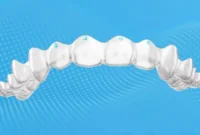
Snapz Tasty Bands are available in mint and cherry flavors to help improve patient comfort and treatment compliance


Orthodontic treatment represents a significant commitment for patients, often spanning several years of rigorous care and daily maintenance. A primary hurdle in the success of these treatments is patient compliance, particularly regarding the use of interarch elastics, which are essential for correcting bite alignment and jaw positioning. Recognizing the persistent challenges associated with the traditional, often unpleasant experience of wearing rubber elastics, Snapz Innovations Inc. has introduced Snapz Tasty Bands. By infusing orthodontic elastics with mint and cherry flavors, the company aims to transform a standard medical necessity into a more palatable experience, potentially bridging the gap between clinical requirements and daily patient adherence.
The Evolution of Orthodontic Patient Compliance
The field of orthodontics has long grappled with the issue of "patient compliance fatigue." Treatment plans for malocclusion—the misalignment of teeth—frequently require the patient to manually place elastic bands on their braces or aligners several times a day. These elastics provide the constant, gentle pressure necessary to shift teeth into their optimal positions. However, the nature of these materials—often composed of synthetic rubber or latex—can be off-putting. Patients frequently report a distinct, rubbery taste and a dry, unpleasant texture in their mouths, which can act as a psychological deterrent to wearing them for the recommended 22 hours per day.
For decades, the orthodontic industry has focused primarily on the biomechanics of tooth movement, refining brackets, wires, and clear aligner plastics. Yet, the human element of the treatment—the patient’s willingness to perform the daily labor of wearing elastics—has remained a persistent bottleneck. Clinical studies have shown that non-compliance with elastic wear is one of the leading causes of extended treatment times and less-than-ideal aesthetic outcomes. When a patient forgets to replace their elastics or chooses to skip them due to discomfort, the entire treatment timeline can be disrupted, leading to increased costs for both the patient and the orthodontic practice.
Product Innovation: Engineering Comfort
Snapz Tasty Bands are designed to function as a direct, drop-in replacement for traditional orthodontic elastics. From a mechanical standpoint, they adhere to the same tension and elasticity standards required by orthodontists to ensure predictable tooth movement. The innovation lies not in the mechanics of the rubber, but in the proprietary flavoring process integrated into the bands.
By offering mint and cherry profiles, Snapz Innovations Inc. is addressing the sensory-aversion factor. The goal is to replace the neutral or unpleasant rubber taste with a familiar flavor, making the act of placing the bands less of a chore. For younger patients, who often find the process of wearing elastics tedious, the novelty and taste of the bands can act as a positive reinforcement tool, encouraging them to keep up with their treatment schedule. For adults, the improvement in mouthfeel contributes to a higher quality of life during the years they are undergoing treatment.
Clinical Context and the Patient Journey
The journey of an orthodontic patient is structured into several phases: the initial consultation, the bonding of brackets or the fitting of aligners, the active treatment phase, and finally, the retention phase. The active treatment phase, where elastics are most commonly used, is arguably the most demanding. During this time, patients must manage oral hygiene, dietary restrictions, and the aesthetic adjustments to their smiles.
Orthodontists have historically attempted to incentivize compliance through gamification or reward programs, particularly for younger patients. The introduction of a consumer-facing, branded elastic like Snapz Tasty Bands represents a shift toward "patient-centered design." By providing a product that feels less like a clinical device and more like a consumer health tool, the company is attempting to lower the friction associated with daily compliance.
Analyzing the Impact on Treatment Adherence
While the product is a novel approach, its efficacy will ultimately be measured by its impact on clinical outcomes. If a patient is more likely to wear their elastics because they are flavored, the orthodontist can expect a more predictable trajectory for bite correction.
Data from the orthodontic industry suggests that the "compliance gap"—the difference between the time a doctor prescribes for elastic wear and the time the patient actually wears them—can be as high as 30% to 50% in some demographics. Even a small increase in compliance, perhaps 10% to 15%, could result in shorter treatment durations and fewer emergency appointments necessitated by shifting teeth or missed milestones.
Furthermore, the integration of flavored bands into a practice’s workflow is relatively seamless. Because the bands follow the same sizing and tension protocols as standard elastics, the orthodontist does not need to adjust their treatment plan. The transition is purely a change in the patient’s supply kit. This ease of implementation is a critical factor for adoption in busy clinical environments, where staff time is limited and efficiency is paramount.
Official Perspective and Strategic Vision
Jennifer Moody Stubaus, vice president of Snapz Innovations Inc., has framed the product as a direct response to the human challenges of orthodontic care. In a statement, Stubaus emphasized that the "long journey" of orthodontics requires consistent patient effort, and that even incremental improvements in daily comfort can produce significant, measurable results.
The company’s strategy appears to be rooted in the belief that when medical treatments are more comfortable and less intrusive, patients are more likely to adhere to the prescribed protocols. By focusing on the sensory experience, Snapz is positioning itself at the intersection of orthodontics and patient lifestyle, acknowledging that the patient experience is as important to clinical success as the technical precision of the hardware.
Market Availability and Future Implications
Currently, Snapz Tasty Bands are available for direct purchase by patients online, reflecting a broader trend of direct-to-consumer access in the dental and orthodontic space. However, the company is also looking to foster partnerships with orthodontic clinics, allowing practitioners to offer the bands as part of their standard starter kits.
This hybrid approach to distribution—balancing consumer convenience with professional distribution—suggests that Snapz Innovations Inc. is aiming for widespread adoption. As more clinics begin to offer these bands, it is likely that other manufacturers will be forced to innovate their own elastic lines, potentially leading to a broader market trend of flavored, comfort-focused orthodontic materials.
The Road Ahead
The long-term success of this product line will depend on the reception by both practitioners and patients. Orthodontists will likely evaluate the bands based on their durability, elasticity retention, and whether the flavor additives interfere with the integrity of the latex or synthetic polymers used in the bands. Patients, on the other hand, will be the ultimate arbiters of the product’s value, determining whether the flavors provide enough of an incentive to change their daily habits.
If Snapz Tasty Bands prove effective in reducing the "compliance gap," they could become a standard recommendation in orthodontic offices worldwide. In an industry where technological advancements have largely focused on invisible aligners and computer-aided design, a simple, low-cost, and sensory-focused solution like flavored elastics serves as a reminder that the most significant improvements in healthcare often come from addressing the fundamental, human aspects of the patient experience.
As orthodontic treatment continues to evolve, the integration of such patient-friendly features will likely play a role in how clinics differentiate themselves. A practice that prioritizes patient comfort—through the use of flavored elastics, advanced digital scanning, or refined, low-profile brackets—often sees higher patient satisfaction rates and increased referrals. By aligning clinical goals with patient comfort, Snapz Innovations Inc. is tapping into a fundamental truth of modern medicine: when patients are comfortable, they are more compliant, and when they are compliant, the best clinical outcomes are achieved.
The introduction of these bands marks a small but significant shift in the orthodontic landscape, signaling that the industry is paying closer attention to the daily experience of the millions of individuals who navigate the years-long path toward a straighter, healthier smile. Whether this leads to a permanent shift in how orthodontic supplies are produced and marketed remains to be seen, but for now, it provides a practical, sensory-oriented solution to a challenge that has persisted for as long as elastics have been used to guide the human bite.