The 4th Global IAPD Summit to Convene in Barcelona: A Nexus for Paediatric Dentistry Innovation

The International Association of Paediatric Dentistry (IAPD) is poised to host its highly anticipated 4th Global IAPD Summit in the vibrant city of Barcelona, Spain, from November 13th to 15th, 2026. This pivotal event will bring together a distinguished global community of paediatric dentists, researchers, educators, and industry professionals to delve into the forefront of child oral health. With registration and abstract submissions now open, the Summit promises an immersive scientific experience centered around the critical theme: "Early Orthodontics Anchored in Evidence: An Integration Between Paediatric Dentistry & Orthodontics."
The choice of Barcelona as the venue underscores the city’s status as a hub for international medical and scientific conferences, offering a stimulating environment for collaboration and knowledge exchange. The 4th Global IAPD Summit is not merely a gathering; it represents a crucial step in advancing the field of paediatric dentistry by fostering interdisciplinary dialogue and promoting evidence-based practices that will shape the future of children’s oral healthcare worldwide. The organizing committee has curated a comprehensive scientific program designed to facilitate discussion, collaboration, and the formation of international consensus on key issues impacting pediatric oral health. Attendees can anticipate engaging sessions led by an esteemed faculty of leading experts, offering unparalleled insights into the latest research, clinical techniques, and innovative approaches in paediatric dentistry and orthodontics.
A Thematic Deep Dive: Early Orthodontics and Interdisciplinary Care
The overarching theme of the 4th Global IAPD Summit, "Early Orthodontics Anchored in Evidence: An Integration Between Paediatric Dentistry & Orthodontics," highlights a growing recognition of the profound connection between early dental development and long-term orthodontic outcomes. This theme signifies a paradigm shift towards a more integrated approach to child dental care, emphasizing the importance of early detection, diagnosis, and intervention for orthodontic issues.

Historically, paediatric dentistry and orthodontics have operated as distinct, albeit related, specialties. However, contemporary research and clinical practice increasingly demonstrate the benefits of a collaborative approach, particularly in addressing the complex interplay between developmental dental anomalies, oral habits, and the establishment of optimal occlusion. The Summit’s focus on evidence-based early orthodontics aims to equip practitioners with the knowledge and tools to implement effective interceptive strategies, thereby potentially reducing the need for more complex and costly interventions later in life. This approach not only benefits the child’s oral health and overall well-being but also contributes to more efficient and sustainable healthcare systems.
The scientific program will feature a robust agenda designed to explore this theme from multiple angles. Sessions will likely cover topics such as the genetic and environmental factors influencing dental development, diagnostic tools for early identification of orthodontic discrepancies, the evidence base for various interceptive orthodontic techniques, and the role of paediatric dentists in managing complex cases in collaboration with orthodontists. The emphasis on "anchored in evidence" underscores a commitment to promoting practices supported by rigorous scientific research, moving beyond anecdotal observations to establish clear, data-driven treatment protocols.
Registration and Abstract Submission: Opportunities for Global Engagement
The opening of registration and abstract submission marks a significant milestone in the lead-up to the Summit. This call to action invites paediatric dentists and researchers from around the globe to contribute their findings, case studies, and innovative ideas to the collective knowledge base of the IAPD. Submitting an abstract provides a unique platform for professionals to share their work with an international audience, gain recognition within the field, and engage in scholarly discourse with peers and leaders in paediatric dentistry.
The process is designed to be accessible, encouraging participation from both seasoned academics and emerging clinicians. Accepted abstracts will be presented in various formats, including oral presentations and poster sessions, offering diverse avenues for knowledge dissemination. The abstract submission deadline is a critical date for many professionals, and adhering to it will ensure their work is considered for inclusion in the prestigious Summit program. Early registration, often accompanied by discounted rates, is also being encouraged, allowing attendees to secure their participation and plan their travel to Barcelona well in advance.

A Legacy of Leadership: In Memoriam of Professor Hugo Furze
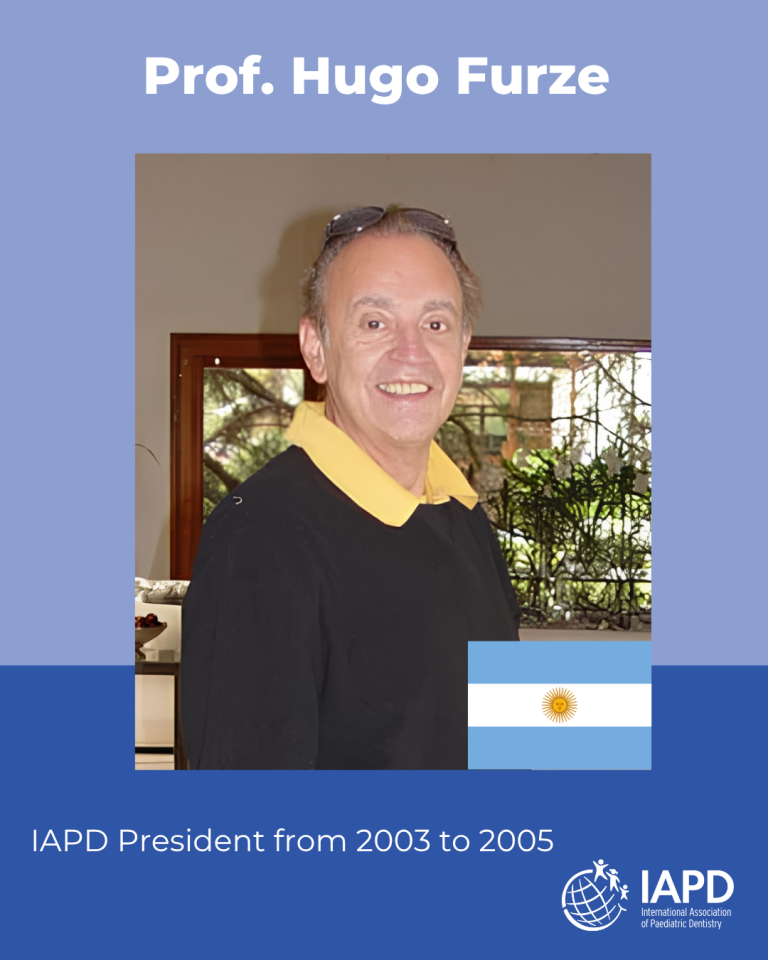
The May 2026 E-News from the IAPD also carries a somber note with the announcement of the passing of Professor Hugo Furze of Argentina. Professor Furze served as President of the IAPD from 2003 to 2005, a period marked by significant growth and development for the association. His dedicated leadership and unwavering commitment to advancing paediatric dentistry on a global scale left an indelible mark on the profession.
During his tenure, Professor Furze was instrumental in strengthening international collaboration, fostering a sense of community among paediatric dentists worldwide, and championing the IAPD’s mission to improve the oral health of children. His contributions were vital in guiding the association through a period of expansion and increasing its global reach. Professor Furze will be remembered not only for his leadership qualities and professional dedication but also for his collegial spirit and his lasting impact on paediatric dentistry, both in his native Argentina and internationally. The IAPD extends its deepest condolences to his family, friends, and colleagues, acknowledging the profound loss felt by the global paediatric dental community.
The International Journal of Paediatric Dentistry Embraces a Digital Future
In a move towards greater sustainability and accessibility, the International Journal of Paediatric Dentistry (IJPD) is transitioning to an online-only format. This strategic shift represents a significant step in modernizing scientific publishing within the field. By eliminating the need for printed copies, the IJPD will reduce its environmental footprint, decreasing paper consumption, printing, and the associated carbon emissions from international shipping. This eco-conscious approach aligns with global efforts to promote sustainable practices across all industries.

Crucially, this transition will not diminish accessibility for IAPD members. High-quality research will continue to be readily available through the IAPD Membership Portal, where the latest issues and articles will be consistently updated. Members are encouraged to leverage this digital platform to stay abreast of cutting-edge research and developments in paediatric dentistry. Furthermore, the IJPD is enhancing its engagement strategy by offering email alerts. Readers can subscribe to receive notifications directly in their inboxes whenever new content is published, ensuring they remain informed without having to actively seek out new issues. This move signifies the journal’s commitment to providing a seamless, efficient, and environmentally responsible channel for disseminating critical scientific information.
Strengthening Global Collaboration at AAPD 2026
The IAPD’s commitment to fostering global partnerships was visibly demonstrated through its active participation in the American Academy of Pediatric Dentistry (AAPD) 2026 Annual Session held in Las Vegas. Members of the IAPD Executive Committee, including Secretary General Dr. Anna Maria Vierrou, President Dr. Soni Stephen, President Elect Dr. Virinder Goyal, and Past President Dr. Jorge Castillo, were in attendance, underscoring the strong international ties between paediatric dental organizations.
A significant highlight of the IAPD’s presence at the AAPD session was a compelling presentation delivered by Dr. Anna Maria Vierrou and Dr. Jorge Castillo. Titled "Decision Making in the Developing Dentition: Global Perspectives on Early Intervention," the session was structured as an interactive clinical decision-making forum. It actively engaged the audience through live polls, open discussions, and case-based scenarios, fostering a dynamic exchange of knowledge and practical approaches. The presentation explored diverse global perspectives on early intervention strategies in paediatric dentistry, reflecting the growing importance of international dialogue in advancing patient care. The enthusiastic participation from attendees underscored the value of collaborative learning and the shared pursuit of excellence in paediatric oral healthcare. The IAPD expressed its delight in connecting with colleagues at the AAPD 2026 Annual Session and reaffirmed its dedication to strengthening global partnerships within the paediatric dentistry community.
Celebrating IAPD Fellows and Encouraging Future Excellence
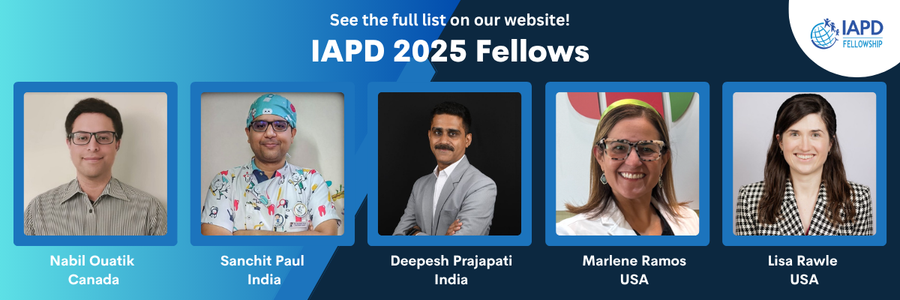
The IAPD is extending its congratulations to a cohort of fellows who successfully completed their examinations in 2025. This achievement signifies their dedication to continuous professional development and their commitment to upholding the highest standards in paediatric dentistry. The IAPD recognizes the rigorous nature of these examinations and celebrates the fellows’ hard work and perseverance.
In parallel with this celebration, the application window for the 2027 Examination has officially opened. This announcement serves as an invitation to eligible professionals to pursue fellowship status, further enhancing their expertise and contribution to the field. The IAPD Fellowship program is designed to recognize individuals who have demonstrated exceptional knowledge and clinical proficiency in paediatric dentistry, thereby elevating the overall quality of care provided to children globally.
Kids-e-Dental Sponsors the Bengt Magnusson Memorial Prize
The IAPD is proud to announce Kids-e-Dental as the sponsor of the prestigious Bengt Magnusson Memorial Prize in Child Dental Health. This esteemed award honors the legacy of Professor Bengt Magnusson of Gothenburg, Sweden, a foundational figure in the field of paediatric dentistry and a devoted member of the IAPD until his passing in 1981. The prize, awarded at the IAPD Congress, recognizes the finest submitted essay on a topic pertinent to child dental health, embodying Professor Magnusson’s lifelong dedication to advancing paediatric oral care and academic excellence.
Through its sponsorship, Kids-e-Dental actively supports the continued recognition of high-quality research and insightful clinical perspectives that contribute to the improvement of oral health outcomes for children worldwide. Kids-e-Dental has solidified its reputation as a trusted entity in paediatric dentistry, with a core focus on developing products specifically designed to meet the unique needs of children. Their approach is geared towards creating positive and effective dental experiences, while simultaneously supporting clinicians in delivering care that is both preventative and aligned with contemporary expectations.
As the dental profession increasingly embraces preventive strategies, minimally invasive techniques, and aesthetic considerations, Kids-e-Dental remains steadfast in its commitment to innovation and ongoing improvement. By fostering close engagement with the global dental community, the company adeptly adapts to emerging needs, maintaining a strong emphasis on quality, user-friendliness, and patient-centered care. The IAPD expresses its profound gratitude to Kids-e-Dental for their invaluable support of the Bengt Magnusson Memorial Prize and their significant contribution to the advancement of paediatric dental care on a global scale.
Upcoming IAPD Webinars: Knowledge Sharing at Your Fingertips
The IAPD is continuing its commitment to accessible continuing education with an engaging series of upcoming webinars. These online sessions offer practitioners invaluable opportunities to learn from leading experts and stay current with the latest advancements in paediatric dentistry, all from the convenience of their own location.
The webinar schedule includes:
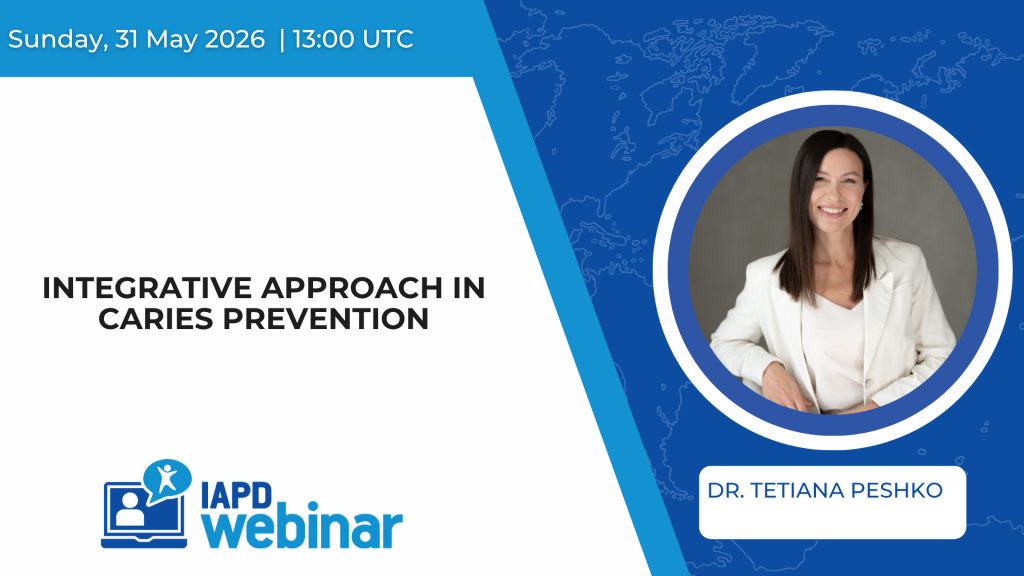
- May 31st: Dr. Tetiana Peshko will present a webinar sponsored by Ultradent on the topic of "Integrative Approach in Caries Prevention." This session is expected to delve into comprehensive strategies for preventing dental caries in children, integrating various clinical and preventive measures.
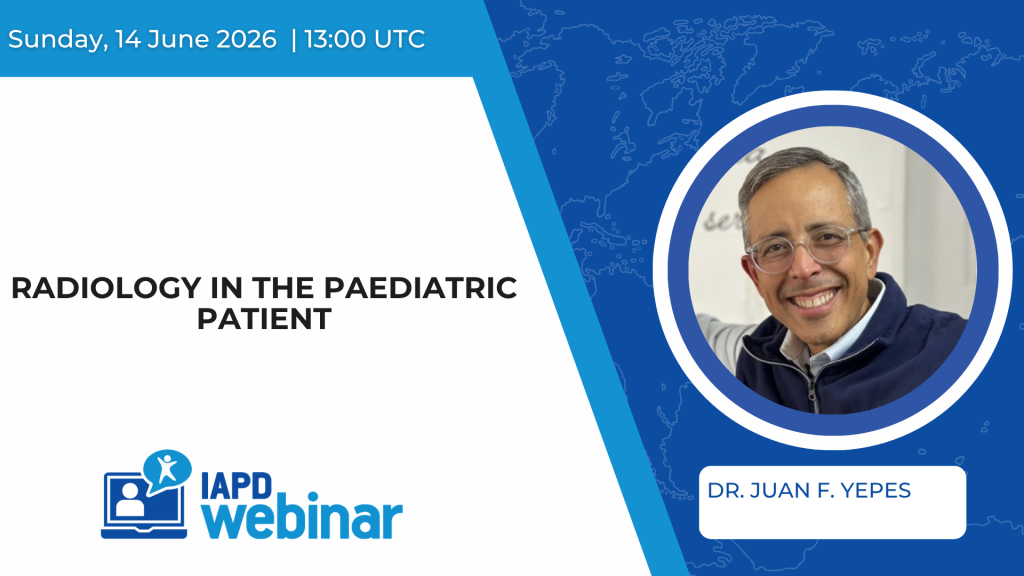
- June 14th: Dr. Juan Fernando Yepes will conduct a webinar focusing on "Radiology in the Paediatric Patient." This presentation will likely cover the essential role of radiography in diagnosing and managing dental conditions in children, emphasizing appropriate techniques and interpretation.
Important Note on Webinar Access: IAPD live webinars are exclusively hosted on Zoom and are not streamed on social media platforms. Interested individuals are urged to secure their participation by registering in advance. IAPD Members not only benefit from active participation but also qualify for a certificate of attendance. Furthermore, recorded lectures are made available in the IAPD Video Lecture Centre for members to revisit at their convenience, highlighting the substantial advantages of IAPD membership. The IAPD encourages professionals to join the association to capitalize on these exclusive benefits.
Spotlight on IAPD Consensus Recommendations: Dental Anomalies
This month, the IAPD shines a spotlight on its Consensus Recommendation concerning Dental Anomalies. Dental anomalies, which can manifest in various forms affecting enamel, dentin, tooth number, eruption patterns, aesthetics, function, and overall quality of life, necessitate timely diagnosis and appropriate management within paediatric dental care.
The IAPD’s Consensus Recommendations on Dental Anomalies offer crucial guidance for a spectrum of conditions, including amelogenesis imperfecta, dentinogenesis imperfecta, dentin dysplasia, hypodontia (missing teeth), supernumerary teeth (extra teeth), dens evaginatus, dens invaginatus, and natal or neonatal teeth. These recommendations emphasize practical approaches such as vigilant monitoring, early intervention, restorative care, multidisciplinary management strategies, and patient-centered treatment planning. By exploring these comprehensive recommendations, dental professionals can gain valuable insights to support the effective care of every child presenting with dental anomalies.
News from Around the Globe: National Member Society Engagement
The IAPD actively encourages and facilitates the sharing of news and events from its National Member Societies. The organization recognizes the vital role these local associations play in advancing paediatric dentistry within their respective regions. As a testament to this commitment, the IAPD provides a platform on its website for these societies to showcase their upcoming events.
Member societies are invited to submit details of their conferences, seminars, and other significant activities. This initiative not only serves to inform the broader IAPD community about regional developments but also promotes cross-pollination of ideas and fosters stronger collaborative networks. The IAPD’s submission portal for events provides a straightforward mechanism for societies to reach a wider audience, thereby enhancing the visibility and impact of their contributions to paediatric dentistry.