
Dancing Meditation 4 More Self Care Rituals Trainers Do
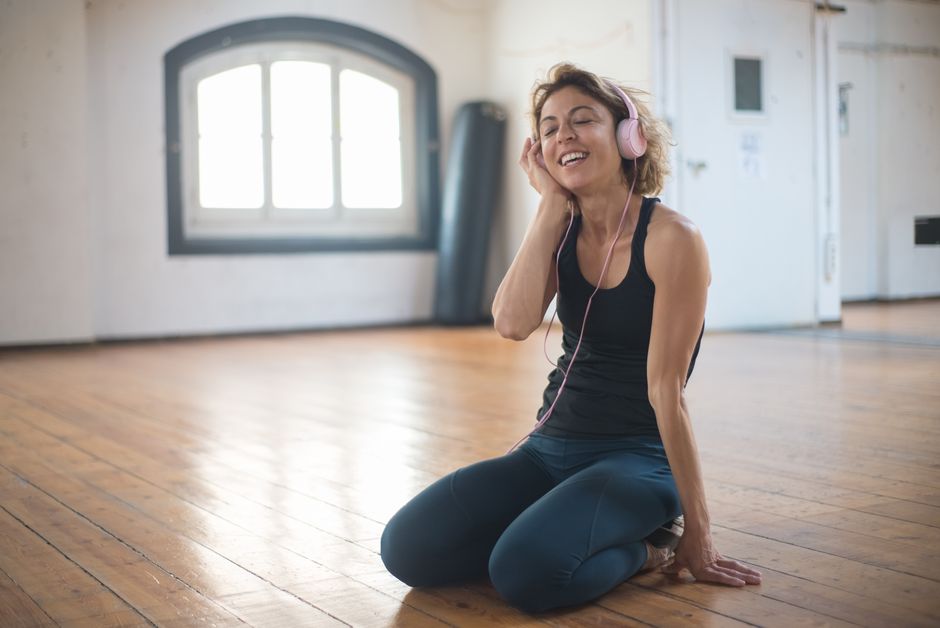
Dancing Meditation: 4 Self-Care Rituals Fitness Trainers Embrace for Enhanced Well-being
Fitness trainers, renowned for their dedication to physical health and athletic prowess, often overlook the crucial role of mental and emotional well-being in their demanding profession. The constant pressure to perform, inspire, and maintain peak physical condition can lead to burnout and diminished effectiveness. To combat this, many trainers have integrated “dancing meditation” into their self-care routines, a practice that seamlessly blends movement, mindfulness, and emotional release. This article explores four specific dancing meditation rituals commonly adopted by fitness professionals to foster resilience, enhance their teaching, and cultivate deeper self-awareness. These practices are not merely about enjoyable movement; they are structured approaches to address the unique stressors and demands faced by those who guide others toward healthier lifestyles. By engaging in these rituals, trainers can replenish their energy reserves, process emotional challenges, and return to their clients with renewed vigor and presence.
The first transformative dancing meditation ritual fitness trainers frequently embrace is the "Release and Recharge Flow." This practice is specifically designed to shed the physical and mental residue accumulated from a day of intense workouts, client sessions, and administrative tasks. It typically begins with a period of gentle, intuitive movement, allowing the body to loosen up and release any lingering tension. This could involve slow, fluid stretches, shaking out limbs, or swaying the torso. The key here is to listen to the body’s innate wisdom, allowing it to guide the pace and nature of the movement without judgment or prescribed choreography. As the body becomes more mobile, the trainer gradually increases the intensity and tempo, incorporating more dynamic movements such as expressive leaps, spins, or rhythmic stomps. The aim is not to achieve a specific aesthetic or athletic feat, but rather to embody and express the emotions and energy held within. This might include channeling frustration into powerful arm swings, releasing stress through rapid footwork, or expressing joy through expansive gestures. Throughout this phase, conscious breathing is paramount. Trainers focus on deep, diaphragmatic breaths, synchronizing their inhales and exhales with the ebb and flow of their movements. This breathwork not only oxygenates the body and mind but also anchors the practitioner in the present moment, preventing rumination on past challenges or future anxieties. As the energy reaches a peak, the trainer then consciously transitions into a cooling-down phase. This involves a gradual reduction in movement intensity, returning to slower, more grounded postures. The final minutes are often spent in stillness, lying on the floor or sitting comfortably, allowing the body to integrate the released energy and experience a profound sense of calm. This ritual effectively acts as a daily reset button, allowing trainers to leave the day’s burdens on the dance floor and approach their personal lives and subsequent training sessions with a clear, revitalized mind and body. The "Release and Recharge Flow" is particularly effective for trainers who experience significant physical exertion and emotional investment in their work, providing a cathartic outlet that prevents the buildup of exhaustion.
The second potent dancing meditation ritual embraced by fitness professionals is the "Intuitive Movement for Creative Insight." This practice focuses on accessing the subconscious mind and unlocking creative problem-solving abilities, which are essential for designing effective training programs, adapting to individual client needs, and innovating within the fitness industry. Unlike the "Release and Recharge Flow," which emphasizes catharsis, this ritual prioritizes exploration and discovery. It typically begins with a clear intention, such as overcoming a creative block, finding a new approach to a specific exercise, or understanding a client’s underlying motivation. The trainer then enters a space of free, uninhibited movement, allowing their body to respond to internal prompts and impulses. This might involve responding to music that evokes a particular mood or theme, or simply moving in silence to tap into subconscious guidance. The movements are often spontaneous and unconventional, driven by feelings and sensations rather than preconceived notions of what "dancing" should look like. A trainer might find themselves embodying the struggle of a client trying to master a complex movement, or expressing the fluidity and power of a well-executed exercise. The focus is on allowing the body to communicate what the conscious mind might be missing. During this process, trainers cultivate a state of relaxed awareness, observing their movements and the accompanying thoughts and emotions without judgment. This non-judgmental observation is crucial for allowing intuitive insights to surface. They might notice a particular gesture that represents a breakthrough in understanding a client’s biomechanics, or a sequence of movements that inspires a novel training exercise. The duration of this ritual can vary, but the emphasis is on allowing the exploration to unfold organically until a sense of clarity or a tangible idea emerges. Upon concluding the movement, trainers often engage in a brief journaling session to capture any insights, images, or feelings that arose. This practice directly enhances a trainer’s professional efficacy by fostering adaptability, innovation, and a deeper understanding of the human body and mind from a less analytical, more embodied perspective. It allows them to move beyond rote instruction and tap into a wellspring of creative solutions that benefit both themselves and their clients.
The third significant dancing meditation ritual employed by fitness trainers is the "Embodied Gratitude and Connection Practice." This ritual is designed to cultivate profound appreciation for the body’s capabilities, the act of movement itself, and the opportunity to serve others as a fitness professional. It addresses the potential for entitlement or burnout that can arise from a profession focused on physical achievement and client results. This practice often starts with a moment of mindful grounding, where the trainer stands or sits with a clear intention of connecting with their own body and the present moment. They then begin to move with a palpable sense of gratitude, allowing their movements to express appreciation for the strength, resilience, and vitality of their physical form. This might involve slow, deliberate gestures of self-compassion, such as gently touching their muscles or tracing the lines of their body with reverence. The movements are not about exertion but about acknowledging and celebrating the body’s inherent gifts. As the practice progresses, the trainer expands their focus to include gratitude for the act of movement, recognizing its power to heal, uplift, and transform. This can manifest as joyous, expansive movements, expressing the freedom and exhilaration that comes with fluid and powerful motion. The music, if used, is typically uplifting and inspiring, fostering a sense of joy and wonder. A crucial element of this ritual is the intentional incorporation of connection. Trainers visualize or embody the energy of their clients, moving with empathy and a sense of shared experience. They might imagine the challenges their clients face and move in a way that offers support and encouragement, or visualize the successful outcomes they are striving for and embody that strength and triumph. This practice deepens the trainer’s sense of purpose and reinforces their commitment to their clients’ well-being. It shifts the focus from performance and outcomes to the intrinsic value of health, movement, and human connection. The practice concludes with a period of stillness, allowing the feelings of gratitude and connection to fully integrate. This ritual serves as a powerful antidote to the pressures of the fitness industry, ensuring trainers remain grounded in their passion and connected to the heart of their work, fostering a more sustainable and fulfilling career.
The fourth and final vital dancing meditation ritual frequently adopted by fitness trainers is the "Inner Critic Transmutation through Embodiment." This practice directly confronts and transforms the internal voice of self-doubt, judgment, and inadequacy that can plague even the most experienced professionals. The fitness industry, with its constant emphasis on appearance and performance, can be fertile ground for such negative self-talk. This ritual begins with the trainer consciously acknowledging and identifying their inner critic’s common themes and phrases. Instead of suppressing these thoughts, they are invited to be embodied. For instance, if the inner critic says, "You’re not fit enough," the trainer might physically embody that feeling through slumped posture and slow, heavy movements. The key is to give these negative emotions a physical form without judgment. Once embodied, the trainer then intentionally begins to transform the movement. This might involve gradually straightening the posture, introducing more confident and assertive gestures, or shifting the energy from restriction to expansion. The goal is not to pretend the inner critic doesn’t exist, but to consciously choose a different response through embodied action. This could involve a powerful dance sequence that expresses resilience and strength, directly counteracting the messages of inadequacy. Music that inspires courage and empowerment is often utilized. Throughout this process, the trainer focuses on observing the shift in their internal state as they change their physical expression. They might notice the lessening of tension in their shoulders as they stand taller, or the rise of self-assurance as they move with greater intention. Breathwork plays a vital role, with deep, steady inhales and exhales supporting the transformation. This ritual is about actively rewiring the neural pathways associated with self-criticism by creating new, positive embodied experiences. It empowers trainers to move beyond the limitations imposed by their inner critic and to approach their work and their own bodies with greater self-compassion and confidence. The practice concludes with a strong sense of inner peace and self-acceptance, allowing trainers to project authenticity and unwavering support to their clients, fostering a truly empowering environment.
