The moment braces finally come off marks the culmination of months or even years of dedicated orthodontic treatment. For millions of patients worldwide, the removal appointment represents the long-awaited unveiling of a straight, healthy smile. However, dental professionals and industry associations emphasize that the day the brackets are removed is not the end of the orthodontic journey, but rather the transition into a critical maintenance phase. Understanding the physical sensations, necessary protocols, and long-term responsibilities following brace removal is essential for ensuring that the investment of time, discomfort, and financial resources yields a permanent, beautiful smile.
The Orthodontic Removal Process: What Actually Happens in the Chair
When a patient arrives for their debanding appointment—the clinical term for removing braces—the procedure is typically straightforward, systematic, and far less intimidating than many anticipate. Orthodontists utilize specialized instruments designed to gently squeeze the base of each stainless steel or ceramic bracket, breaking the bond between the adhesive and the tooth enamel. Patients frequently report hearing and feeling a series of distinct clicking sounds as the brackets detach, accompanied by minor pressure rather than sharp pain.
Following the removal of brackets, wires, and elastic bands, the orthodontic team must address the residual bonding resin left on the tooth surfaces. Using a specialized dental polisher or scaler, the clinician carefully buffs away the leftover composite adhesive. This step ensures that the enamel returns to a smooth, natural texture, preventing plaque accumulation and restoring the aesthetic clarity of the teeth.
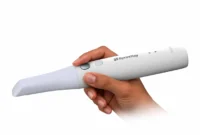
Depending on the specific protocols of the orthodontic practice and the patient’s individual treatment plan, the removal appointment often concludes with comprehensive record-keeping evaluations. Clinicians may capture high-resolution clinical photographs, digital intraoral scans, physical dental impressions, or panoramic X-rays. These diagnostic tools allow the orthodontist to verify that the final occlusion (bite) aligns precisely with the initial treatment projections. Finally, the practitioner fits the patient for a custom retainer, outlining the exact wear schedule required to safeguard the newly aligned teeth.
Immediate Physical Sensations and Managing Sensitivity
A common apprehension among patients preparing to get their braces off is whether the procedure will hurt. Clinical consensus indicates that the removal process itself is virtually painless. The physical sensations are generally limited to brief moments of pressure, tension, or vibration as brackets are popped off and adhesive is polished away.
Once the hardware is gone, however, the mouth undergoes a significant sensory adjustment. Teeth and gums may feel unusually tender or sensitive for several days. This localized soreness occurs because the teeth are adjusting to a new environment, free of the continuous forces exerted by archwires, and the gums—which may have experienced mild inflammation or hypertrophy (overgrowth) during treatment—are recovering. Furthermore, patients frequently remark that their teeth feel astonishingly smooth, thin, or even structurally altered when running their tongues across them for the first time in years.
To mitigate post-removal sensitivity, dental professionals frequently recommend over-the-counter anti-inflammatories, warm saltwater rinses, and specialized potassium nitrate-based toothpastes designed for dentin hypersensitivity. If the tenderness persists beyond a few days or intensifies, patients are advised to contact their orthodontist for a professional evaluation.
The Vital Role of Retainers in Preventing Orthodontic Relapse
Perhaps the most crucial component of post-braces care is the consistent use of retainers. According to data from major dental and orthodontic boards, without mechanical retention, teeth possess a natural biological memory that causes them to drift back toward their original, misaligned positions—a phenomenon known in the medical community as orthodontic relapse.
Orthodontists generally prescribe one of three primary types of retainers based on individual patient needs:
- Hawley Retainers: Traditional removable appliances constructed from acrylic and metal wire, offering durability and adjustable retention.
- Clear Essix Retainers: Transparent, vacuum-formed plastic trays that fit snugly over the entire dental arch, favored for their discreet appearance.
- Fixed (Lingual) Retainers: A thin, custom-fitted wire bonded permanently to the backside of the lower front teeth, providing continuous, unremovable support in the most relapse-prone zone.
During the initial months following brace removal, the periodontal ligaments, gingival tissues, and alveolar bone supporting the teeth are in a state of cellular turnover and biological adaptation. Consequently, orthodontists typically mandate a strict wear schedule where removable retainers must be worn 20 to 22 hours per day, removed only for eating, brushing, and flossing. Over time, as the surrounding bone stabilizes, patients are frequently transitioned to a nighttime-only wear schedule, which is often recommended indefinitely to combat age-related physiological changes in facial structure and jaw alignment.
Dietary Transitions and Nutritional Freedom
One of the most celebrated milestones of getting braces removed is the sudden return of dietary freedom. Throughout active treatment, patients must strictly avoid hard, crunchy, sticky, and chewy foods—such as whole apples, corn on the cob, popcorn, caramel, and hard candies—to prevent bracket detachment and wire bending.
Upon debanding, patients are legally and practically permitted to reintroduce these foods into their diets. However, dental experts advise a cautious, measured approach. Because teeth and periodontal tissues remain temporarily sensitive immediately following removal, biting directly into a hard apple or chewing tough foods can induce unexpected discomfort. Easing back into a normal diet over the course of a week allows the masticatory system to adapt comfortably to the newfound absence of orthodontic appliances.
Long-Term Oral Hygiene and Maintenance Protocols
With the physical barriers of brackets and wires eliminated, achieving optimal oral hygiene becomes significantly easier, but maintaining rigorous daily habits remains non-negotiable. Plaque and food debris no longer hide behind metal components, but the risk of decalcification, gingivitis, and periodontal disease persists if proper home care lapses.
Dental professionals recommend brushing at least twice daily with a fluoride toothpaste and flossing daily—utilizing floss threaders or water flossers if a permanent bonded retainer is present. Additionally, retainers require diligent daily cleaning to prevent the buildup of bacteria, calculus, and foul odors. Removable plastic retainers should be gently brushed with non-abrasive soap or specialized denture cleansers, avoiding hot water that can warp the plastic material.
Follow-Up Appointments and Recognizing Warning Signs
The orthodontic relationship does not terminate the day the braces come off. Standard clinical protocols dictate a series of scheduled post-debanding check-ups—typically at one month, three months, six months, and one year post-removal—to monitor tissue stability, retainer integrity, and overall bite occlusion. These proactive visits allow practitioners to catch minor alignment shifts or mechanical retainer failures before they develop into significant complications.
Patients must remain vigilant and contact their orthodontist immediately if they encounter any of the following warning signs:
- Retainers that suddenly feel overly tight, painful, or refuse to seat correctly on the dental arch.
- A fixed retainer wire that has debonded, bent, or fractured from a tooth.
- Unusually severe or prolonged tooth mobility, pain, or localized gum swelling.
- Visible changes in tooth alignment or the development of unwanted spacing.
Conclusion: Securing a Lifetime of Confident Smiles
Achieving a straight, healthy smile through orthodontic treatment represents a major milestone characterized by personal patience and clinical precision. However, securing that investment requires lifelong commitment through diligent retainer compliance, meticulous oral hygiene, and routine dental monitoring. By understanding the biological realities of post-braces care and adhering strictly to professional guidance, patients can ensure that their newly unveiled smiles remain radiant, stable, and healthy for decades to come. Those seeking further information or looking to begin their orthodontic journey are encouraged to consult qualified dental professionals through verified industry networks such as the American Association of Orthodontists.