The Comprehensive Guide to Post-Braces Care: What to Expect When Your Orthodontic Treatment Concludes


The removal of orthodontic braces represents a monumental milestone for millions of patients worldwide. After months or often years of regular adjustments, dietary restrictions, and meticulous oral hygiene routines, patients finally reach the culmination of their active treatment phase. However, dental professionals and industry associations emphasize that the day the brackets come off does not signal the end of the orthodontic journey. Instead, it marks a critical transition from active alignment to a vital maintenance phase designed to preserve the structural integrity of the newly straightened smile. Understanding the biological and physical realities of this transition helps patients protect their investment and ensure lifelong dental health.
The Removal Procedure: A Step-by-Step Clinical Overview
When the day of debonding arrives, patients often experience a mixture of intense excitement and lingering apprehension. The clinical procedure itself, however, is typically straightforward and efficient. Orthodontists utilize specialized instruments designed to safely apply targeted pressure to the base of each stainless steel or ceramic bracket, causing the dental adhesive to fracture cleanly away from the enamel surface.
During this process, patients frequently report hearing sharp clicking sounds or feeling mild, momentary pressure as individual brackets, bands, and archwires are detached. This sensation stems from the force required to break the bond between the medical-grade adhesive and the tooth surface, rather than any trauma to the tooth itself. Once all hardware has been cleared from the mouth, the clinical team uses specialized polishing burs and instruments to gently buff away any remaining adhesive residue. This polishing step is crucial for restoring the natural texture and smooth finish of the dental enamel, preventing plaque accumulation on rough surfaces, and preparing the teeth for final impressions or digital scans.
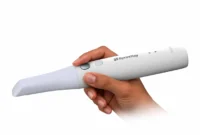
Following the physical removal of the braces, the orthodontist conducts a comprehensive evaluation of the static and dynamic occlusion—commonly known as the bite. This assessment ensures that the upper and lower teeth meet harmoniously, confirming that the initial treatment objectives have been fully realized. Clinicians may capture panoramic X-rays, cephalometric radiographs, or high-resolution intraoral digital scans to document the final position of the roots and bone structure. These records serve as a permanent baseline for future dental care and assist in designing the patient’s custom retention devices.
Physical Sensations and Immediate Post-Removal Adjustments
The physical transformation of the mouth on the day braces are removed can be startling. For years, patients have grown accustomed to the tactile sensation of metallic or ceramic brackets and thick archwires against their lips, cheeks, and tongue. Once these elements are stripped away, the teeth often feel remarkably smooth, thin, or even slippery. Tongues frequently explore the newly exposed surfaces of the enamel, and the lips may rest differently over the dental arches.
While the removal procedure itself is not inherently painful, mild discomfort can manifest shortly afterward. The sudden absence of the stabilizing archwires, combined with the vibrations and friction generated during the adhesive-removal phase, can leave dental ligaments and surrounding gum tissues slightly tender. Furthermore, teeth that were subjected to sustained pressure throughout treatment may experience temporary sensitivity to thermal stimuli—such as hot, cold, or sweet foods and beverages.
Clinical observations indicate that this localized sensitivity typically subsides within a few days as the periodontium adapts to the lack of mechanical restraint. Orthodontists frequently recommend over-the-counter analgesics or specialized desensitizing toothpastes for patients with particularly sensitive enamel, ensuring a smoother recovery period during the first week post-debonding.
The Biological Reality: Why Retention is Mandatory
To fully comprehend the necessity of a retainer, patients must understand the biological mechanisms governing tooth movement. Orthodontic treatment relies on controlled mechanical force to remodel the alveolar bone—the dense jawbone that surrounds and supports tooth roots. As braces guide teeth into their new, aligned positions, the bone on one side of the root resorbs while new bone deposition occurs on the opposite side.
However, this biological remodeling process does not conclude the moment the braces are removed. The periodontal ligament fibers, gingival tissues, and surrounding bone require several months to fully reorganize and stabilize around the teeth in their new locations. Without external stabilization, the elastic periodontal fibers naturally pull teeth back toward their original, pre-treatment positions—a phenomenon known in the orthodontic community as orthodontic relapse.
Statistical data from orthodontic research indicates that without lifelong retention compliance, a significant percentage of patients will experience measurable dental shifting within the first few years following treatment. This natural tendency for teeth to drift underscores why retainers are universally prescribed by dental professionals.
Types of Orthodontic Retainers and Maintenance Protocols
Modern orthodontics offers several distinct types of retainers, each tailored to specific patient needs, aesthetic preferences, and clinical requirements. Understanding the differences between these devices helps patients cooperate fully with prescribed wear schedules.
- Removable Clear Plastic Retainers (Essix/Vivera): Fabricated from transparent, medical-grade thermoplastic materials via digital scans or physical impressions, these retainers fit snugly over the entire dental arch. They are nearly invisible when worn, making them highly popular among adolescents and adults. However, they require careful maintenance to prevent staining, warping from hot water, and structural fatigue over time.
- Traditional Removable Hawley Retainers: Composed of a custom-molded acrylic base that rests against the roof of the mouth or the floor of the tongue, combined with a labial wire that spans the front of the teeth, Hawley retainers are exceptionally durable. The metal wire can be subtly adjusted by the orthodontist to make minor refinements to tooth alignment if minor shifting has occurred.
- Fixed (Permanent) Retainers: Consisting of a custom-fitted multi-stranded wire bonded directly to the lingual (tongue-facing) surfaces of the front teeth—typically from canine to canine—fixed retainers provide continuous, 24/7 protection against shifting without relying on patient compliance. While highly effective for maintaining lower incisor alignment, they require specialized flossing tools, such as floss threaders or interdental brushes, to maintain optimal periodontal health and prevent calculus buildup.
Orthodontists typically prescribe a rigorous wear schedule immediately following the removal of braces. During the initial phase—often lasting anywhere from several months to a full year—patients are instructed to wear their removable retainers continuously, removing them only during meals, athletic activities, and oral hygiene routines. As the alveolar bone and supporting soft tissues fully solidify around the roots, clinicians frequently transition patients to a nighttime-only wear protocol. For many individuals, long-term or lifelong nightly retainer wear is recommended to permanently guard against age-related dental crowding and natural shifting.
Dietary Freedom and Reintroducing Hard Foods
One of the most celebrated aspects of getting braces removed is the immediate liberation from dietary restrictions. For months or years, patients must meticulously avoid hard, crunchy, sticky, or chewy foods—such as caramel, popcorn, whole apples, and crusty bread—to prevent bending archwires or dislodging brackets.
Upon debonding, patients are technically free to consume these previously forbidden foods. Nevertheless, dental professionals advise a cautious approach during the first week. Because the teeth and gums may still exhibit mild tenderness or sensitivity following the removal process, biting immediately into hard or crunchy items can cause discomfort. Easing back into a normal diet over several days allows the periodontal tissues to comfortably adapt to functional chewing forces without undue irritation. Furthermore, patients utilizing removable retainers are strictly instructed to remove their appliances prior to eating to prevent food trapping, bacterial growth, and structural damage to the retainer material.
Enhanced Oral Hygiene and Long-Term Dental Health
Maintaining immaculate oral hygiene is paramount once braces are removed. While fixed appliances frequently trap food particles and plaque, creating challenges for brushing and flossing, the removal of brackets grants unobstructed access to all tooth surfaces. However, newly exposed enamel can sometimes reveal minor areas of decalcification—manifesting as chalky white spots—if plaque control was inadequate during active treatment.
To counteract these vulnerabilities, patients are encouraged to maintain a rigorous daily regimen consisting of twice-daily brushing with fluoride toothpaste, daily interdental cleaning, and routine professional dental cleanings every six months. For patients wearing fixed retainers, extra diligence is required along the lingual wire to prevent the accumulation of plaque and tartar, which can otherwise lead to gingivitis or periodontal disease.
Follow-Up Care and When to Contact the Orthodontist
The conclusion of active orthodontic treatment does not terminate the professional relationship between the patient and the orthodontist. Most practices schedule a series of follow-up evaluation appointments—typically at one, three, six, and twelve months post-debonding—to monitor periodontal stability, assess retainer wear, and ensure the dentition remains stable.
Patients must remain vigilant and contact their orthodontic provider immediately if specific complications arise. Warning signs that necessitate prompt professional evaluation include:
- A removable retainer that suddenly feels excessively tight, painful, or refuses to seat properly over the teeth, indicating that dental shifting has already begun.
- A cracked, fractured, or lost retainer, which requires immediate replacement to preserve alignment.
- A loose bond on a fixed retainer wire, which can allow unchecked shifting of individual teeth if left unaddressed.
- Persistent, localized pain, severe tenderness, or abnormal mobility in any tooth that does not improve within the expected post-removal window.
By adhering to professional guidance, maintaining consistent retainer protocols, and keeping scheduled follow-up appointments, patients can ensure that the investment of time, effort, and expense put into their orthodontic treatment yields a healthy, beautiful, and stable smile that lasts a lifetime.