
How To Do The Perfect Squat
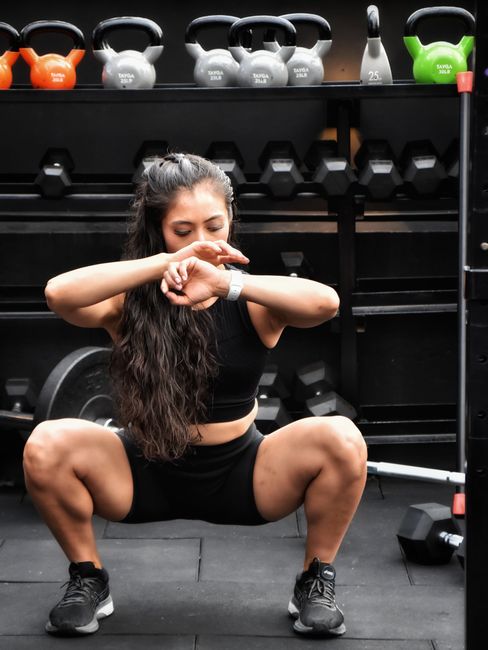
The Perfect Squat: A Comprehensive Guide to Technique, Benefits, and Progression
Mastering the squat is foundational for strength, athletic performance, and overall physical health. This compound exercise engages numerous muscle groups simultaneously, making it incredibly efficient for building a strong lower body and core. However, achieving the "perfect" squat requires meticulous attention to form, understanding the biomechanics involved, and consistent practice. This article will break down the essential elements of a flawless squat, from setup to execution, and explore the myriad benefits it offers.
Anatomy of the Squat: Key Muscle Groups Engaged
The squat is a multi-joint movement that taxes a vast array of musculature. Primarily, it targets the quadriceps (rectus femoris, vastus lateralis, vastus medialis, vastus intermedius) for knee extension. The hamstrings (biceps femoris, semitendinosus, semimembranosus) contribute significantly to hip extension and knee flexion stabilization. The gluteal muscles (gluteus maximus, medius, minimus) are paramount for hip extension, power generation, and pelvic stability. The adductors (inner thigh muscles) assist in hip adduction and stabilization. The erector spinae and other spinal erectors work isometrically to maintain an upright torso and spinal neutrality. The abdominal muscles (rectus abdominis, obliques, transverse abdominis) act as a crucial corset, bracing the core to protect the spine and transfer force efficiently. Even the calves (gastrocnemius and soleus) play a role in ankle stabilization and propulsion. Understanding this widespread muscle activation highlights why the squat is considered a king of exercises.
The Squat Setup: Laying the Foundation for Success
The foundation of a perfect squat begins before the bar even leaves the rack.
-
Bar Placement: For a barbell back squat, the bar can be positioned in two primary ways: the high-bar and the low-bar position.
- High-Bar Squat: The bar rests high on the trapezius muscles, just above the C7 vertebra. This position generally leads to a more upright torso and a greater reliance on the quadriceps. The hands grip the bar slightly wider than shoulder-width apart, with the elbows pointing downwards.
- Low-Bar Squat: The bar is placed lower, across the rear deltoids and the top of the scapulae. This position allows for a more forward torso lean and a greater involvement of the posterior chain (hamstrings and glutes). The grip is typically wider, and the elbows are often angled slightly backward.
The choice between high-bar and low-bar depends on individual anatomy, mobility, and desired emphasis. For beginners, the high-bar often provides a more intuitive starting point for maintaining an upright torso.
-
Foot Stance: The ideal foot stance is typically shoulder-width apart, though this can vary based on individual hip structure and mobility. Experimentation is key. Toes should point slightly outward, generally between 5 and 15 degrees. A wider stance will emphasize the glutes and adductors more, while a narrower stance will target the quadriceps more.
-
Bracing the Core: This is arguably the most critical element for spinal safety and force production. Before initiating the descent, take a deep diaphragmatic breath, filling your belly and lower rib cage. Then, forcefully exhale against this closed glottis, creating intra-abdominal pressure and tightening your core muscles as if preparing for a punch. This brace must be maintained throughout the entire squat.
-
Establishing Tension: With the bar on your back and your core braced, create tension throughout your body. Engage your lats by pulling your shoulder blades down and back, as if trying to "break" the bar. This helps maintain thoracic extension and prevents the bar from rolling forward. Squeeze your glutes hard. This pre-emptive engagement sets the stage for controlled movement.
The Squat Descent: Controlled and Powerful
The eccentric (lowering) phase of the squat is where form is often compromised. A controlled descent is paramount.
-
Initiating the Movement: Begin the squat by simultaneously bending at the hips and knees. Think of it as pushing your hips back and down, rather than just bending your knees. This "hip hinge" initiates the movement, ensuring that the posterior chain is engaged from the outset.
-
Torso Angle: Maintain a relatively neutral spine throughout the descent. The degree of torso lean will be influenced by your bar placement and individual anatomy. For a high-bar squat, the torso will remain more upright. For a low-bar squat, a more pronounced forward lean is natural and necessary. Avoid rounding your lower back at all costs.
-
Knee Tracking: Your knees should track in line with your toes. Avoid letting them cave inwards (valgus collapse) or excessively flare outwards. Imagine pushing your knees slightly outwards against an imaginary force to maintain this alignment.
-
Depth: The ideal squat depth is often debated, but generally, it’s considered to be at least to parallel, where the crease of your hip is below the top of your knee. However, for many individuals, achieving full depth (where your hamstrings lightly touch your calves) is possible and beneficial, provided mobility and form are maintained. Pushing for depth without proper mobility can lead to form breakdown. Focus on maintaining an upright torso and a neutral spine as you descend. If you can’t maintain these, depth needs to be adjusted.
-
Breathing: Continue to hold your breath and maintain core brace throughout the descent.
The Squat Ascent: Explosive and Controlled
The concentric (lifting) phase is about driving force and returning to the starting position.
-
Initiating the Ascent: Drive forcefully through your feet, as if pushing the floor away. Imagine spreading your feet outwards to engage the glutes.
-
Simultaneous Hip and Knee Extension: Extend your hips and knees simultaneously. Avoid letting your hips rise faster than your chest, which is a common cue for a "good morning" squat and indicates posterior chain dominance or insufficient quad engagement.
-
Maintaining Core Bracing: Continue to hold your breath and maintain your core brace until you have passed the sticking point or reached the top of the movement.
-
Bar Path: The bar should travel in a relatively vertical line over your midfoot. For a low-bar squat, the bar path will naturally have a slight forward arc.
-
Finishing the Movement: At the top, achieve full hip and knee extension without hyperextending your knees or lower back. Squeeze your glutes to ensure full lockout.
Common Squat Faults and How to Correct Them
-
Knee Valgus (Knees Caving Inward): This is a common issue indicating weakness in the glute medius and hip abductors. Corrective exercises include banded walks, clamshells, and single-leg glute bridges. During the squat, focus on consciously pushing your knees outwards.
-
Butt Wink (Lower Back Rounding at the Bottom): This indicates tight hamstrings, limited ankle mobility, or insufficient core bracing. Address tight hamstrings with stretching and foam rolling. Improve ankle mobility through drills like calf stretches and deep squat holds. Reinforce core bracing techniques. Consider reducing depth until mobility improves.
-
Lifting Hips Faster Than Chest (Good Morning Squat): This suggests weak quadriceps or an improper initiation of the ascent. Focus on driving through your quads at the start of the lift. Practice pause squats to improve control out of the bottom.
-
Forward Lean (Excessive Torso Lean): While some lean is natural, excessive forward lean can indicate weak upper back strength or poor bar placement. Strengthen your upper back with exercises like rows and face pulls. Ensure proper bar placement and shoulder engagement.
-
Shallow Depth: This can be due to fear, lack of mobility, or underdeveloped leg strength. Gradually work towards deeper squats, prioritizing form. Incorporate mobility work for hips and ankles.
Variations for Progress and Specialization
Once the basic barbell back squat is mastered, various modifications can be employed for progression and to target specific areas.
-
Front Squat: The barbell is held across the anterior deltoids. This variation demands significant upper back strength, thoracic mobility, and core stability, and heavily emphasizes the quadriceps.
-
Overhead Squat: The barbell is held overhead with arms fully extended. This is an advanced exercise that requires exceptional mobility in the shoulders, upper back, hips, and ankles, along with significant core strength.
-
Box Squat: Performed by squatting down to a box or bench and then standing back up. This variation allows for controlled depth, can help develop explosive power out of the bottom, and provides feedback on hip hinge mechanics.
-
Goblet Squat: A dumbbell or kettlebell is held at chest level. This is an excellent beginner-friendly variation that promotes an upright torso and teaches proper squatting mechanics.
-
Zercher Squat: The barbell is held in the crook of the elbows. This variation challenges core strength and grip significantly.
Benefits of the Perfect Squat
The consistent execution of a perfect squat yields profound benefits:
-
Increased Leg and Glute Strength: The squat is unparalleled for developing strength in the quadriceps, hamstrings, and glutes, leading to improved power and explosiveness.
-
Enhanced Core Stability: The bracing required for proper squatting significantly strengthens the entire core musculature, improving posture and reducing the risk of back pain.
-
Improved Athletic Performance: Stronger legs and a more stable core translate directly to better performance in nearly all athletic endeavors, from running and jumping to changing direction.
-
Increased Bone Density: As a weight-bearing exercise, squats stimulate bone growth and can help prevent osteoporosis.
-
Hormonal Response: Compound exercises like squats can stimulate the release of anabolic hormones like testosterone and growth hormone, which are beneficial for muscle growth and fat loss.
-
Calorie Expenditure: The engagement of large muscle groups makes the squat a highly effective calorie-burning exercise, aiding in fat loss.
-
Improved Mobility and Flexibility: With proper technique, squats can improve hip and ankle mobility, leading to better range of motion in daily activities.
Progression and Periodization
To continue making progress, a structured approach to training is necessary.
-
Progressive Overload: Gradually increase the weight, repetitions, sets, or decrease rest periods over time.
-
Volume and Intensity: Vary the intensity (weight) and volume (total work) of your squat sessions. Include heavy days with lower reps and lighter days with higher reps.
-
Frequency: The optimal squat frequency depends on individual recovery capabilities. For most, 1-3 squat sessions per week is sufficient.
-
Accessory Work: Incorporate exercises that support squatting, such as glute-ham raises, Romanian deadlifts, calf raises, and core strengthening exercises.
-
Deload Weeks: Periodically incorporate lighter training weeks to allow for recovery and prevent overtraining.
Mastering the squat is a journey that requires patience, dedication, and a commitment to proper form. By understanding the biomechanics, focusing on the setup, executing each phase with precision, and incorporating smart progression, you can unlock the full potential of this fundamental exercise for a stronger, healthier, and more capable physique.