
Yoga Etiquette For Beginners
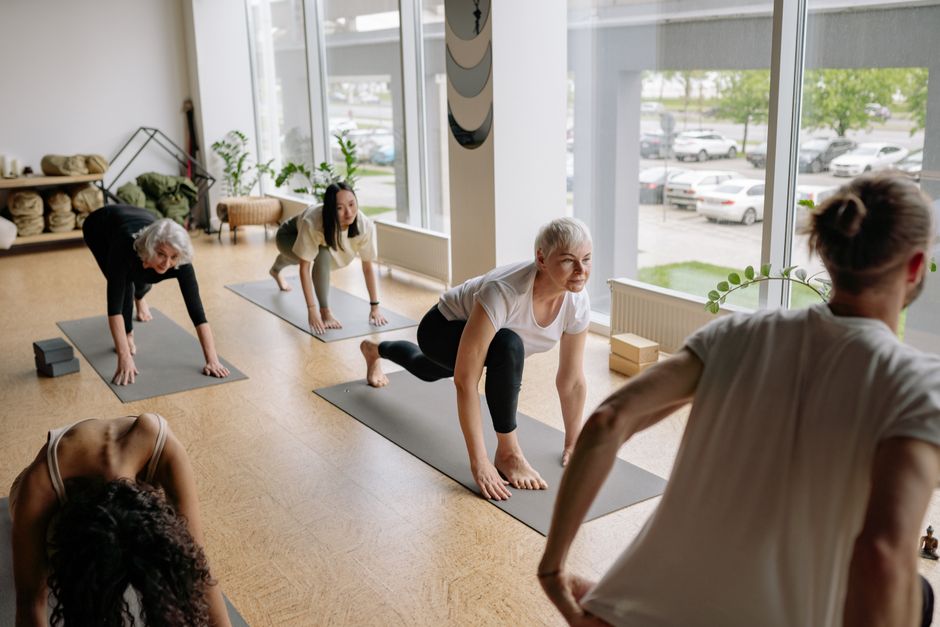
Yoga Etiquette for Beginners: Mastering Studio Manners and Enhancing Your Practice.
Understanding and adhering to yoga studio etiquette is fundamental for a positive and respectful practice, both for yourself and your fellow yogis. This comprehensive guide will equip beginners with the essential knowledge to navigate the studio environment with confidence and consideration, transforming potential awkwardness into a seamless and enriching experience. Mastering these unspoken rules enhances not only the collective atmosphere but also deepens your personal connection to the practice.
Punctuality is paramount in a yoga class. Arriving late disrupts the instructor’s flow, the energy of the room, and can be a distraction for other students. Most studios recommend arriving at least 5-10 minutes before the scheduled start time. This buffer allows you to sign in, set up your mat, and settle your mind before the practice begins. If you anticipate being late, it’s courteous to inform the studio or instructor in advance if possible. Upon entering the studio space, locate an available spot and begin your preparation. Avoid walking across the room or setting up your mat directly in front of someone who is already settled and perhaps in a meditative state.
Appropriate attire is a key aspect of yoga etiquette, focusing on comfort, functionality, and respect for the practice. Opt for breathable, flexible clothing that allows for a full range of motion without restricting your movements. Avoid overly loose or baggy clothing that might inadvertently reveal too much or get in the way during inversions. Most studios favor fitted tops and bottoms, but personal comfort is the primary consideration. Cleanliness of your attire is non-negotiable. Sweaty or soiled clothing can be distracting and unhygienic for others. Similarly, ensure your personal hygiene is maintained; a shower before class is advisable, especially if you’ve been active or are prone to strong body odor. Clean feet are also essential, and many studios have a designated area for shoe removal.
Maintaining a serene and focused environment is a shared responsibility in a yoga studio. Minimize unnecessary noise and distractions. This includes keeping conversations to a minimum before and after class, and entirely during the practice. Silence your mobile phone completely, and refrain from using it during class, even for checking messages or the time. The temptation to document your practice with photos or videos should be resisted unless explicitly permitted by the studio and other students. Even then, be mindful of privacy. Loud breathing, groaning, or excessive fidgeting can be disruptive. While some sounds are natural during strenuous poses, try to be aware of your own sounds and their impact on others. The intention is to cultivate a shared space of mindfulness and introspection.
Respect for personal space is a critical component of studio etiquette. Yoga mats are typically spaced a comfortable distance apart, and it’s important to maintain this spacing. Avoid placing your mat so close to another student’s that your limbs might touch during poses or transitions. Be mindful of the boundaries of others, both physically and energetically. This extends to the props available. Use them as needed, but return them neatly to their designated storage areas after class. Do not hoard props or prevent others from accessing them. If a studio has a limited number of props, be considerate and only take what you genuinely need for your practice.
Cleanliness and hygiene extend beyond personal attire to your yoga mat and the studio space. Many studios provide cleaning spray and cloths. It is a common practice to wipe down your mat after each class, especially if you have been sweating. This demonstrates respect for the studio and for the next person who will use the mat. If you bring your own mat, ensure it is clean before you arrive. If you use a studio-provided mat, clean it thoroughly. Be mindful of where you place your mat; avoid walking on other students’ mats and keep your belongings organized at the front or side of the room.
Understanding and respecting the instructor’s guidance is fundamental to your yoga journey. The instructor is there to guide your practice safely and effectively. Listen attentively to their cues, both verbal and non-verbal. Avoid engaging in side conversations or asking questions that can be answered outside of class time. If you have a pre-existing injury or condition, it is your responsibility to inform the instructor before class begins. This allows them to offer modifications or suggest alternative poses. Similarly, if you feel discomfort or pain during a pose, it is crucial to listen to your body and come out of the pose rather than pushing through pain. The instructor is a resource, but ultimately, your body is your greatest teacher.
The beginning and end of a yoga class are often moments of transition and shared intention. Most classes begin with a brief period of centering or breath awareness, often accompanied by a moment of silence or an invocation. During this time, it is essential to be still and quiet, allowing yourself to transition into the practice. Similarly, the end of the class typically concludes with Savasana (corpse pose), a period of deep relaxation. This is perhaps the most sacred time in a yoga class and should be treated with the utmost reverence. Avoid getting up, packing your mat, or speaking during Savasana. This is a time for integration and rest. When the instructor indicates Savasana is ending, slowly begin to deepen your breath and gently move your fingers and toes, re-emerging from your state of relaxation with awareness and grace.
Child’s pose is a universal resting pose in yoga. While it is acceptable to take child’s pose at any time you need to rest or reset during a class, it’s done with awareness. Avoid making child’s pose a permanent fixture of your practice, as it can prevent you from exploring other poses. If you find yourself consistently in child’s pose, consider whether you are working with your body’s limitations or avoiding the challenge. When you do enter child’s pose, do so without disrupting others.
Food and drink consumption within the yoga studio should be limited. Water bottles are generally acceptable, provided they are sealed to prevent spills. Avoid bringing strong-smelling food or beverages into the practice space, as these can be distracting to others. Ideally, avoid eating a heavy meal for at least two hours before class to prevent discomfort during poses.
Respect for the studio space and its resources is a cornerstone of responsible yogi behavior. This includes treating props with care, not damaging mats or walls, and cleaning up after yourself. If you are the last to leave a studio room, ensure all lights are off and doors are secured as per the studio’s policy. This shared responsibility contributes to a welcoming and sustainable environment for all practitioners.
Leaving class early should be avoided unless absolutely necessary. If you must leave, do so discreetly, preferably during a transition between poses. Inform the instructor before class if you anticipate needing to leave early. Entering and exiting the room mid-class can be disruptive to the collective energy and focus.
Yoga is a practice of inclusivity and non-judgment. This extends to how you interact with fellow students. Avoid offering unsolicited advice or corrections to others. Each person’s journey is unique, and their practice is their own. Focus on your own mat and your own breath. Celebratory comments or excessive chatter after class should be kept at a reasonable volume and duration, allowing everyone to transition out of their practice at their own pace.
For beginners, these etiquette guidelines might seem numerous, but they are rooted in the principles of respect, mindfulness, and shared experience that define yoga. By embracing these practices, you not only ensure a more comfortable and enjoyable experience for yourself but also contribute positively to the overall atmosphere of the yoga studio. This mindful approach to studio life mirrors the mindful approach brought to the mat, enriching your entire yoga journey. Ultimately, understanding and applying yoga etiquette fosters a sense of community and mutual respect, making the yoga studio a sanctuary for all.