
Ways to Make Better, Healthier Pasta
Ways to make better healthier pasta – Ways to Make Better, Healthier Pasta: Pasta is a beloved staple in many kitchens, but it often gets a bad rap for being unhealthy. However, with a few simple tweaks, you can enjoy pasta as part of a balanced diet without sacrificing flavor or satisfaction.
This guide explores ways to choose healthier pasta options, cook it for optimal nutrition, create flavorful sauces, and incorporate healthy toppings and sides.
From understanding the nutritional differences between white and whole wheat pasta to exploring alternative grains and legumes like lentil or chickpea pasta, this guide will equip you with the knowledge to make informed choices. We’ll delve into the benefits of cooking pasta al dente and explore various cooking methods to preserve nutrients and enhance flavor.
We’ll also discuss how to create healthy, flavorful sauces using fresh ingredients, herbs, and spices, while minimizing added calories and sodium. And finally, we’ll explore how to incorporate protein-rich toppings, vegetables, and healthy fats to create well-rounded pasta dishes that are both delicious and nutritious.
Cooking Pasta for Optimal Health: Ways To Make Better Healthier Pasta
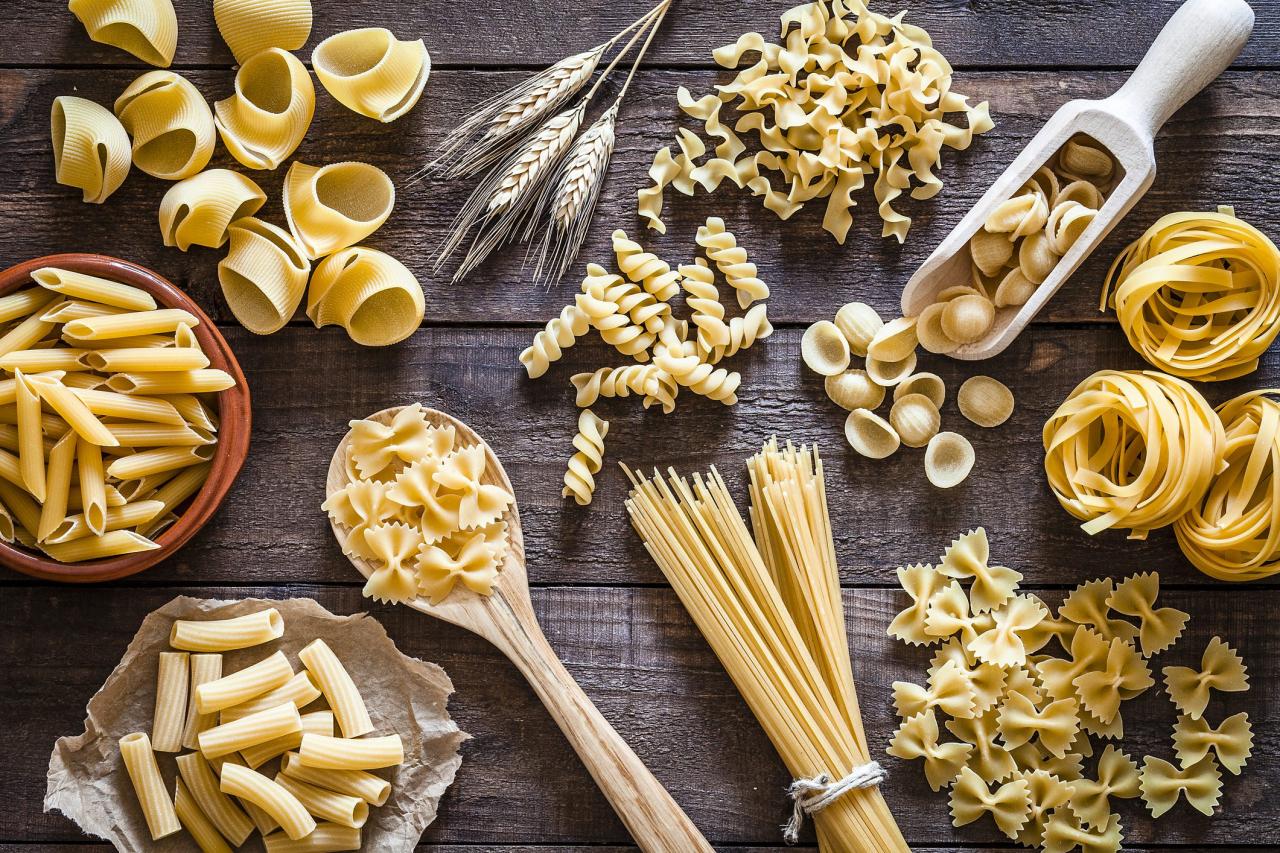
Pasta is a staple food in many cultures, but it’s often associated with unhealthy eating habits. However, with a few simple tweaks, you can enjoy pasta as part of a healthy diet. One key factor is cooking pasta al dente, which refers to cooking it to a firm texture, rather than mushy.
The Importance of Al Dente Pasta, Ways to make better healthier pasta
Cooking pasta al dente offers several benefits for your health and digestion. When pasta is cooked al dente, it retains more of its nutrients and fiber, which are essential for good digestion and blood sugar control.
- Improved Digestion:Al dente pasta is easier to digest than overcooked pasta because it retains more fiber, which helps regulate bowel movements and prevent constipation.
- Better Blood Sugar Control:Al dente pasta has a lower glycemic index (GI) than overcooked pasta, meaning it doesn’t cause a rapid spike in blood sugar levels. This is beneficial for managing blood sugar levels and reducing the risk of developing type 2 diabetes.
- Nutrient Retention:Cooking pasta al dente helps preserve its nutritional value, including vitamins, minerals, and antioxidants. Overcooking can leach out these valuable nutrients, making the pasta less nutritious.
Different Ways to Cook Pasta
There are several ways to cook pasta, each with its own advantages and disadvantages.
Boiling Pasta
Boiling pasta is the most common method. It’s simple, quick, and requires minimal equipment.
- Advantages:Simple, quick, requires minimal equipment.
- Disadvantages:Can result in overcooked pasta if not monitored closely.
Baking Pasta
Baking pasta is a great option for a more flavorful and less messy alternative to boiling.
- Advantages:Can be more flavorful, less messy than boiling, allows for adding additional ingredients.
- Disadvantages:Requires more time and effort, can be difficult to achieve al dente texture.
Stir-frying Pasta
Stir-frying pasta is a quick and healthy way to cook it.
- Advantages:Quick, healthy, allows for adding vegetables and other ingredients.
- Disadvantages:Can be difficult to achieve al dente texture, requires a wok or large skillet.
Benefits and Drawbacks of Different Cooking Methods
| Cooking Method | Benefits | Drawbacks |
|---|---|---|
| Boiling | Simple, quick, requires minimal equipment | Can result in overcooked pasta if not monitored closely |
| Baking | Can be more flavorful, less messy than boiling, allows for adding additional ingredients | Requires more time and effort, can be difficult to achieve al dente texture |
| Stir-frying | Quick, healthy, allows for adding vegetables and other ingredients | Can be difficult to achieve al dente texture, requires a wok or large skillet |
Last Point
By understanding the nuances of pasta choices, cooking methods, and flavor combinations, you can transform your pasta dishes into healthier and more satisfying meals. Whether you’re looking to manage your weight, improve your overall health, or simply explore new and exciting culinary possibilities, this guide provides a roadmap to enjoying pasta without compromise.
So, ditch the guilt and embrace the delicious world of healthier pasta options!
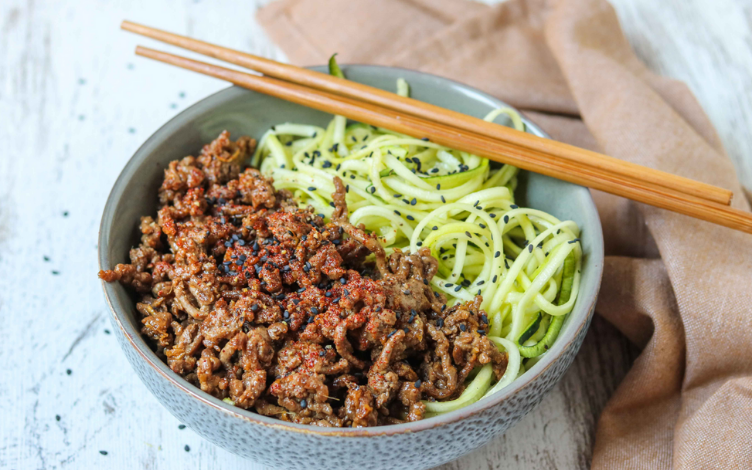
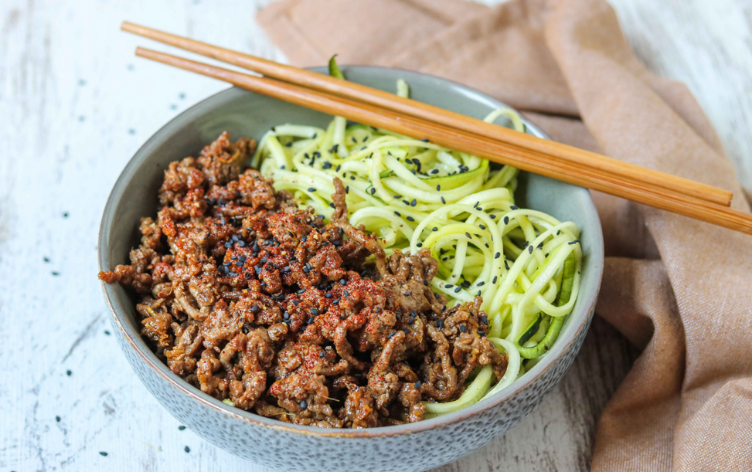
Looking for ways to make pasta healthier? Try swapping out white pasta for whole wheat or lentil pasta, or even zucchini noodles for a low-carb option! And for a delicious and nutritious breakfast that’s perfect for busy mornings, check out this recipe for golden overnight oats with blueberries.
It’s packed with fiber, protein, and antioxidants, and it’s so easy to prepare the night before. Once you’ve got your healthy breakfast sorted, you can focus on those pasta swaps for a balanced meal.
Swapping out white pasta for whole wheat or lentil pasta is a great way to boost your fiber intake, but sometimes you just crave a classic pasta dish. If you’re looking for a healthier alternative, check out this halloween candy matrix how not bad for you is your favorite candy to see how your favorite treats stack up.
It’s a fun way to think about nutrition, and it might even inspire you to create a healthier version of your favorite pasta dish!
Making healthier pasta is all about finding creative swaps and additions. You can try whole-wheat pasta for a boost of fiber, or sneak in some extra veggies by adding chopped spinach or zucchini to your sauce. And while you’re focusing on healthy habits, remember that even a simple activity like walking can make a huge difference in your overall well-being.
In fact, walking can help you live longer even if you’ve never exercised before , according to a recent study. So, get those steps in and enjoy a delicious and nutritious pasta dish!