
Low Carb Lunches With 23 Grams Of Carbs
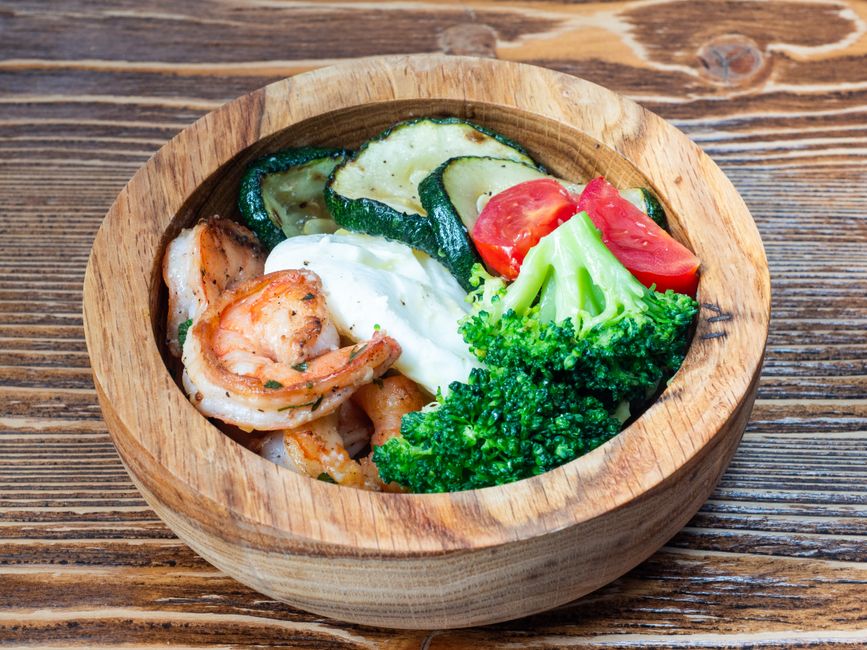
Low Carb Lunch Ideas: Delicious and Satisfying Meals Under 23 Grams of Net Carbs
Achieving a low-carb lifestyle doesn’t mean sacrificing flavor or variety, especially when it comes to lunchtime. Many individuals seeking to manage blood sugar, promote weight loss, or simply adopt a healthier eating pattern struggle to find satisfying midday meals that adhere to specific carbohydrate limits. This article provides a comprehensive guide to creating and enjoying low-carb lunches with a strict maximum of 23 grams of net carbohydrates, offering a diverse range of options to prevent palate fatigue and ensure sustained energy throughout the afternoon. Net carbs, calculated by subtracting fiber from total carbohydrates, are the primary focus as they represent the digestible carbohydrate content that impacts blood glucose levels. Understanding this distinction is crucial for effective low-carb meal planning. This guide will delve into various meal categories, from quick and easy assemble-and-go options to more elaborate, yet still efficient, preparations, all designed to fit within the 23-gram net carb threshold. We will explore protein sources, healthy fats, and low-carb vegetables that form the foundation of these fulfilling meals, alongside practical tips for preparation and portion control.
Salads: The Versatile Low-Carb Lunch Powerhouse
Salads are a quintessential low-carb lunch option, offering an incredible spectrum of flavors and textures. The key to keeping them under 23 grams of net carbs lies in the selection of base greens, toppings, and dressings. Leafy greens like romaine lettuce, spinach, arugula, and mixed greens are virtually carb-free and provide essential vitamins and minerals. Avocado, a healthy fat source, adds creaminess and satiety without significantly increasing carb count. Protein is paramount for a filling salad; grilled chicken breast, salmon, tuna (canned in water or oil, not mixed with sugary relishes), hard-boiled eggs, and lean turkey are excellent choices. For added flavor and nutrients, consider incorporating non-starchy vegetables such as cucumbers, bell peppers (in moderation due to slightly higher carb content), broccoli florets, cauliflower florets, mushrooms, zucchini, and asparagus. Berries like raspberries and blueberries can be added sparingly for a touch of sweetness and antioxidants, ensuring their carb contribution remains within the limit.
When building your 23-gram net carb salad, focus on protein-rich toppings and limit carb-heavy additions like croutons, corn, or sweet peas. Cheese, such as feta, goat cheese, mozzarella, or cheddar, offers healthy fats and protein, adding a savory dimension. Nuts and seeds, including almonds, walnuts, pecans, chia seeds, and flax seeds, provide healthy fats, fiber, and a satisfying crunch. However, be mindful of portion sizes as these can be calorie-dense. Dressings are a critical component, and store-bought options often contain hidden sugars and high fructose corn syrup. Opt for homemade dressings using olive oil or avocado oil as the base, combined with vinegar (apple cider, red wine, balsamic – in moderation), lemon juice, Dijon mustard, and herbs like parsley, dill, or chives. Creamy dressings can be made with full-fat Greek yogurt or mayonnaise, again, ensuring no added sugars. A typical salad might include 4-6 ounces of grilled chicken, a generous bed of mixed greens, half an avocado, a quarter cup of sliced bell peppers, a tablespoon of slivered almonds, and a two-tablespoon olive oil and lemon juice dressing. This combination would comfortably fall within the 23-gram net carb limit. For variety, consider a Cobb salad with grilled chicken, bacon, hard-boiled egg, avocado, and a blue cheese dressing. A Greek salad with grilled chicken, feta cheese, olives, cucumbers, and a lemon-herb vinaigrette is another flavorful option. Remember to weigh or accurately measure your ingredients, especially dressings and calorie-dense additions, to stay on track.
Lettuce Wraps and Rolls: Fresh and Flavorful Low-Carb Alternatives
Lettuce wraps and rolls offer a refreshing and customizable way to enjoy a low-carb lunch, providing a satisfying alternative to traditional bread-based sandwiches. Large, sturdy lettuce leaves, such as butter lettuce, iceberg, or romaine, serve as the perfect edible vessel. These wraps can be filled with a variety of protein-rich and low-carb ingredients. Ground meat, such as seasoned ground turkey, beef, or chicken, cooked with herbs and spices, makes for a delicious filling. Shredded rotisserie chicken, seasoned with a sugar-free BBQ sauce or a creamy avocado-based sauce, is another convenient option. Stir-fried vegetables, including broccoli, mushrooms, snap peas, and bell peppers, can be incorporated for added texture and nutrients.
Consider Asian-inspired fillings for your lettuce wraps. For instance, ground chicken or pork stir-fried with ginger, garlic, soy sauce (or tamari for gluten-free), and a touch of sesame oil, then topped with chopped peanuts and fresh cilantro, can be a flavorful choice. Another popular option is a taco-style filling with seasoned ground beef, diced tomatoes, onions, and a sprinkle of shredded cheese, served in crisp lettuce cups. For a lighter option, tuna salad or chicken salad made with full-fat mayonnaise and finely chopped celery and onions can be spooned into lettuce cups. When constructing your lettuce wraps, be mindful of the carb content of any sauces or marinades used. Sugar-free soy sauce, tamari, and coconut aminos are good low-carb alternatives to traditional soy sauce. Many hot sauces are also low in carbs. A typical lettuce wrap could consist of 4-5 ounces of seasoned ground turkey, half a cup of shredded cabbage and shredded carrots (in moderation), and a drizzle of sugar-free sriracha sauce, all enclosed in large lettuce leaves. This would easily fit within the 23-gram net carb limit. Experiment with different seasonings and flavor profiles to keep your lettuce wrap lunches exciting. Think Thai-inspired with lime juice, ginger, and chili flakes, or Mediterranean with olives, sun-dried tomatoes (in moderation), and oregano. The versatility of lettuce wraps allows for endless creativity while maintaining strict carb control.
Stir-fries and Sautéed Dishes: Quick, Flavorful, and Low-Carb
Stir-fries and sautéed dishes are excellent for busy individuals looking for a quick and nutritious low-carb lunch. The foundation of these meals lies in lean protein and a generous portion of non-starchy vegetables. Chicken breast, lean beef, pork tenderloin, shrimp, and tofu are all fantastic protein choices. When preparing stir-fries, focus on a variety of colorful vegetables that are low in carbohydrates. Broccoli, cauliflower, bell peppers, zucchini, mushrooms, asparagus, spinach, kale, and green beans are all excellent choices. The key to managing carb content in stir-fries is to limit or avoid starchy vegetables like carrots (though small amounts are acceptable), potatoes, and corn.
The sauce is another critical element for maintaining low-carb integrity. Many pre-made stir-fry sauces are laden with sugar and high-fructose corn syrup. Opt for homemade sauces using low-carb ingredients such as soy sauce or tamari (gluten-free), coconut aminos, rice vinegar, sesame oil, ginger, garlic, and a touch of a sugar-free sweetener like erythritol or stevia if sweetness is desired. A thickening agent like xanthan gum can be used sparingly to achieve a thicker sauce. For a typical stir-fry, you might sauté 4-6 ounces of sliced chicken breast with 2 cups of mixed low-carb vegetables like broccoli florets, sliced bell peppers, and mushrooms. The sauce could be made with 2 tablespoons of tamari, 1 tablespoon of rice vinegar, 1 teaspoon of sesame oil, minced garlic and ginger, and a pinch of red pepper flakes. This combination would provide substantial protein and fiber while remaining well within the 23-gram net carb limit. Consider a beef and broccoli stir-fry, a shrimp and asparagus sauté with lemon and garlic, or a chicken and vegetable medley with a light ginger-soy glaze. Portion control is still important; ensure your vegetable-to-protein ratio is balanced to maximize nutrient intake without exceeding your carb target. Serving these dishes over cauliflower rice or shirataki noodles further enhances their low-carb profile, providing a satisfying rice or noodle-like texture without the carbohydrate load.
Soups and Stews: Hearty and Warming Low-Carb Options
Hearty soups and stews can be surprisingly low in carbohydrates, offering a comforting and filling lunch option, especially during cooler months. The key to making these dishes low-carb is to focus on a rich broth, ample protein, and a generous amount of non-starchy vegetables. Avoid carb-heavy bases like pasta, rice, or potatoes. Instead, opt for vegetable broths or bone broths as the liquid foundation. Protein sources can include shredded chicken, ground turkey or beef, chunks of beef or lamb, fish, or even eggs (hard-boiled or poached).
Non-starchy vegetables that shine in soups and stews include celery, onions (in moderation), leeks, garlic, mushrooms, zucchini, spinach, kale, cauliflower, and broccoli. For instance, a chicken vegetable soup can be made with shredded chicken breast, chicken broth, celery, diced zucchini, spinach, and a medley of herbs like thyme and parsley. A hearty beef stew can be prepared with tender chunks of beef, beef broth, celery, mushrooms, and a generous amount of onions and garlic, seasoned with rosemary and bay leaves. Creamy soups can be achieved using full-fat coconut milk or heavy cream, and pureed cauliflower can add a creamy texture without significant carbohydrate impact. For a low-carb chili, use ground beef or turkey, diced tomatoes (in moderation), onions, garlic, bell peppers, and chili spices. Avoid adding beans, as they are a significant source of carbohydrates. A typical low-carb soup might be a creamy broccoli and cheddar soup made with steamed broccoli, chicken broth, heavy cream, and shredded cheddar cheese. A hearty lentil soup is generally not recommended due to the carbohydrate content of lentils. However, a "faux lentil" soup can be made using diced mushrooms and a rich beef broth, seasoned to mimic the savory depth of lentil soup, offering a similar comforting experience. Portion control remains important, especially with creamy soups, to manage calorie intake. A large bowl of a well-prepared low-carb soup can be incredibly satisfying and keep you full for hours, all while staying within your 23-gram net carb limit.
Egg-Based Lunches: Protein-Packed and Versatile
Eggs are a cornerstone of low-carb eating due to their high protein and healthy fat content and their minimal carbohydrate footprint. Omelets, frittatas, and scrambled eggs offer quick, customizable, and satisfying lunch options. A basic omelet or scrambled egg dish can be elevated with low-carb vegetables and proteins.
For an omelet, start with 2-3 large eggs and whisk them with a splash of unsweetened almond milk or heavy cream for added richness. Fillings can include sautéed mushrooms, spinach, diced bell peppers, onions (in moderation), and your choice of cheese like cheddar, Swiss, or goat cheese. For a more substantial meal, add cooked bacon, sausage, or diced ham. A frittata is essentially an open-faced omelet that can be baked or cooked on the stovetop, making it ideal for meal prep. Prepare a base of sautéed vegetables and protein, pour the egg mixture over the top, and cook until set. This can then be sliced and enjoyed cold or reheated. For example, a spinach and feta frittata made with 6 eggs, a cup of cooked spinach, 1/4 cup of crumbled feta cheese, and a touch of garlic powder would be a delicious and filling lunch. Hard-boiled eggs are a convenient grab-and-go option. Pair 2-3 hard-boiled eggs with a handful of almonds and some cucumber slices for a simple and effective low-carb lunch. Egg salad made with full-fat mayonnaise and seasoned with mustard and celery is another excellent option that can be eaten on its own or scooped into lettuce cups. A typical egg-based lunch might consist of a three-egg cheese and spinach omelet, which would provide a substantial amount of protein and healthy fats and remain well under the 23-gram net carb limit. The versatility of eggs allows for endless combinations, ensuring you won’t get bored with your low-carb lunches.
Snack Boxes and Bento-Style Lunches: Portion-Controlled and Varied
Creating low-carb snack boxes or bento-style lunches allows for portion control and variety, making them ideal for busy individuals who want to assemble a satisfying meal quickly. These lunches are essentially curated collections of low-carb food items. The key is to combine protein sources, healthy fats, and low-carb vegetables to create a balanced and filling meal.
Think of these boxes as a deconstructed meal. Protein options can include hard-boiled eggs, sliced deli meats (ensure they are sugar-free and nitrate-free), leftover cooked chicken or turkey, cubes of cheese, or even a small portion of tuna salad or chicken salad made with full-fat mayonnaise. Healthy fat components can include a small handful of nuts (almonds, walnuts, pecans), seeds (pumpkin seeds, sunflower seeds), olives, or avocado slices (though avocado can brown quickly, so pack it with lemon juice or keep it separate). For vegetables, include raw baby carrots (in moderation), celery sticks, cucumber slices, bell pepper strips, cherry tomatoes (in moderation), or sugar snap peas. A small portion of full-fat Greek yogurt or a sugar-free flavored yogurt can also be included. When assembling your snack box, aim for a balance of textures and flavors. For example, a box might contain two hard-boiled eggs, a quarter cup of mixed nuts, a handful of cherry tomatoes, celery sticks, and a few slices of cheddar cheese. This combination provides protein, healthy fats, and fiber, all while remaining well within the 23-gram net carb limit. Another example could be sliced roast beef, olives, cucumber slices, and a dollop of full-fat cream cheese with chives. The beauty of bento-style lunches is their adaptability. You can rotate the components daily to prevent monotony and ensure you are consuming a wide array of nutrients. This method of meal preparation is particularly useful for packing lunches for work or school, as it allows for pre-portioned and easily accessible meals.
Key Considerations for Staying Under 23 Grams of Net Carbs
Adhering to a 23-gram net carb limit for lunch requires careful attention to ingredient selection and portion sizes. Net carbs are calculated by subtracting dietary fiber from total carbohydrates. Fiber, an indigestible carbohydrate, does not significantly impact blood sugar levels. Therefore, focusing on net carbs is crucial for effective low-carb eating.
Protein sources are naturally low in carbs. Prioritize lean meats (chicken, turkey, lean beef, pork), fish, eggs, and tofu. Be mindful of processed meats, as some can contain added sugars or fillers. Healthy fats are essential for satiety and should be incorporated generously. This includes avocados, olive oil, coconut oil, nuts, and seeds. While healthy, nuts and seeds are calorie-dense, so moderate your portions.
Non-starchy vegetables are your best friends for adding volume, nutrients, and fiber to your low-carb meals. Excellent choices include leafy greens (spinach, romaine, kale, arugula), broccoli, cauliflower, zucchini, cucumber, bell peppers, asparagus, green beans, mushrooms, and celery. Be mindful of slightly higher carb vegetables like onions and tomatoes; use them in moderation. Fruits should be consumed sparingly. Berries, such as raspberries, strawberries, and blueberries, are the lowest in carbohydrates and can be enjoyed in small quantities. Avoid high-sugar fruits like bananas, mangoes, and grapes.
Sauces, dressings, and marinades are often hidden sources of carbohydrates. Always check nutrition labels for added sugars, high-fructose corn syrup, and starches. Opt for homemade options using olive oil, vinegar, lemon juice, herbs, spices, and sugar-free sweeteners. Sugar-free ketchup, mustard, and hot sauces can be good additions.
Portion control is paramount, even with low-carb foods. While a handful of almonds is healthy, consuming an entire bag will significantly increase your calorie and carb intake. Use measuring cups and spoons, or a kitchen scale, to accurately gauge portion sizes, especially when you are starting out. Reading food labels diligently is non-negotiable. Pay close attention to the carbohydrate and fiber content. When in doubt about the carb count of a particular ingredient, it is always better to err on the side of caution. Meal prepping is an invaluable strategy for staying on track with your low-carb goals. Preparing components of your lunches in advance, such as cooking chicken breasts, chopping vegetables, or making dressings, will make it easier to assemble a quick and compliant meal when lunchtime arrives. By understanding these principles and implementing these strategies, you can confidently create delicious, satisfying, and low-carb lunches that consistently remain under 23 grams of net carbohydrates.
