
6 Tasty Fermented Foods With A Probiotic Kick
6 Tasty Fermented Foods Packed with Probiotic Power
Fermented foods, a culinary tradition spanning millennia and continents, offer a potent punch of flavor and a significant boost to your gut microbiome. These ancient preservation methods transform simple ingredients through the action of beneficial microorganisms, yielding complex tastes and a treasure trove of probiotics. Probiotics, the live bacteria and yeasts that are good for your health, are crucial for digestive well-being, immune function, and even mental clarity. Integrating a variety of fermented foods into your diet is a delicious and accessible way to harness these remarkable benefits. This article explores six exceptionally tasty fermented foods, each offering a unique probiotic profile and culinary versatility, designed to enrich your meals and optimize your health.
1. Sauerkraut: The Tangy Gut Guardian
Sauerkraut, meaning "sour cabbage" in German, is a quintessential fermented food, celebrated for its sharp, tangy flavor and remarkable probiotic content. The fermentation process, primarily driven by lactic acid bacteria (LAB) such as Lactobacillus plantarum and Leuconostoc mesenteroides, transforms shredded cabbage into a vibrant, nutrient-dense powerhouse. The key to sauerkraut’s probiotic efficacy lies in its simplicity: finely shredded cabbage is massaged with salt, which draws out moisture and creates an anaerobic environment conducive to LAB proliferation. This process not only preserves the cabbage but also breaks down its tough cellulose, making nutrients more bioavailable and easier to digest.
Beyond its probiotic qualities, sauerkraut is an excellent source of Vitamin C, Vitamin K, and fiber. The fermentation process enhances these nutritional contributions. Vitamin C, a potent antioxidant, is vital for immune system support and collagen production. Vitamin K, essential for blood clotting and bone health, is also significantly present. The fiber content aids in digestive regularity and promotes a feeling of fullness, contributing to satiety. Furthermore, the lactic acid produced during fermentation can help to balance the pH of the gut, creating an environment less hospitable to pathogenic bacteria.
The probiotic strains found in traditional, unpasteurized sauerkraut are diverse and beneficial. Lactobacillus species are particularly adept at producing lactic acid, which inhibits the growth of harmful bacteria. They also contribute to the breakdown of lactose, making sauerkraut a potentially viable option for some individuals with lactose intolerance. The sheer volume of live bacteria in well-made sauerkraut can be astonishing, offering a direct influx of beneficial microbes to the digestive tract.
Incorporating sauerkraut into your diet is remarkably easy. It serves as a superb topping for sausages, burgers, and hot dogs, adding a zesty counterpoint to rich flavors. It can also be mixed into salads, layered into sandwiches, or enjoyed as a side dish with roasted meats and potatoes. For a milder, sweeter variation, some recipes include grated carrots or apples. When purchasing sauerkraut, always opt for unpasteurized, refrigerated varieties to ensure the presence of live and active cultures. Pasteurized sauerkraut, while still providing fiber and vitamins, will have had its probiotic benefits eradicated by heat. The characteristic crunch and pungent aroma are indicators of its live, active nature. The complex flavor profile, ranging from subtly sweet to intensely sour, is a testament to the intricate biochemical transformations that occur during fermentation, making it a truly unique and healthy addition to any meal.
2. Kimchi: The Spicy Korean Superfood
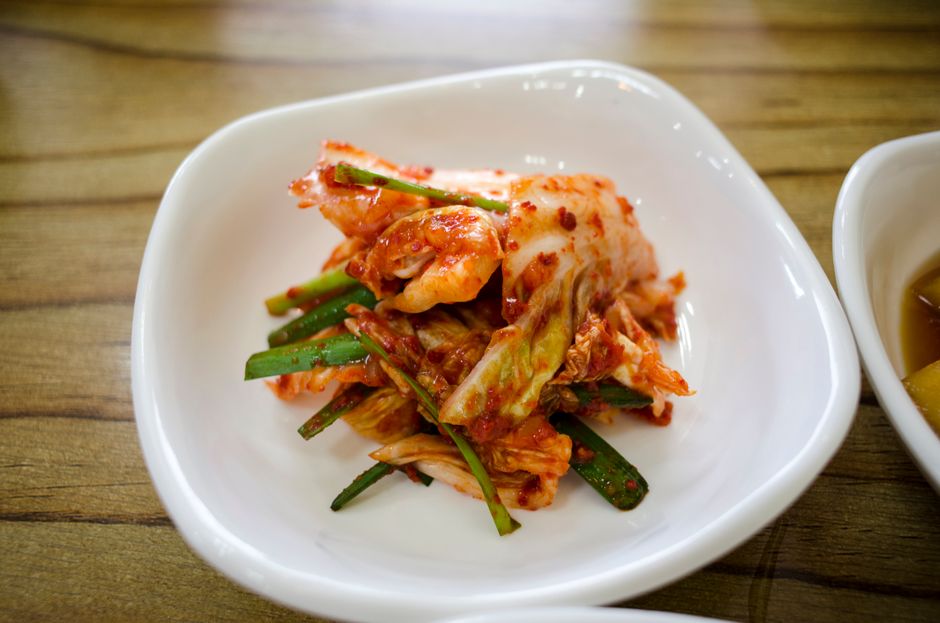
Kimchi, a staple of Korean cuisine, is a fermented vegetable dish, most commonly made with napa cabbage and a vibrant medley of seasonings. While napa cabbage is the traditional base, kimchi can be prepared with a wide array of vegetables, including radishes, cucumbers, and scallions, each imparting a unique character. The fermentation process, typically involving salt, garlic, ginger, chili powder (gochugaru), and various seafood elements like shrimp paste or anchovy sauce, results in a fiery, complex, and profoundly probiotic-rich food.
The primary drivers of kimchi’s fermentation are lactic acid bacteria, with Lactobacillus kimchi being a distinct species often found in this preparation. However, other Lactobacillus species, alongside Leuconostoc and Weissella strains, also contribute significantly to its distinctive flavor and health benefits. The spicy notes, derived from the generous use of chili powder, are not just for taste; capsaicin, the active compound in chilies, has been shown to possess anti-inflammatory and metabolic-boosting properties, further enhancing kimchi’s nutritional profile.
Kimchi is a nutritional powerhouse, brimming with vitamins A, C, and K, as well as essential minerals like iron and calcium. The fermentation process not only preserves these nutrients but also increases their bioavailability. The fiber content is substantial, aiding in digestive regularity and promoting gut health. The presence of garlic and ginger adds their own well-documented antimicrobial and anti-inflammatory properties, synergizing with the probiotics to create a formidable force for immune support.
The diversity of probiotic strains in kimchi is a key factor in its widespread health recognition. Studies have indicated that regular consumption of kimchi can lead to a reduction in the prevalence of gastrointestinal issues, such as constipation and diarrhea, by promoting a balanced gut flora. The complex array of bacteria can also play a role in modulating the immune system, potentially reducing the risk of infections and autoimmune conditions. The fermented brine itself is a potent source of these beneficial microbes.
Culinary applications for kimchi are vast and varied. It can be enjoyed as a banchan (side dish) with nearly any Korean meal, providing a refreshing and pungent contrast. It’s also an excellent addition to stir-fries, fried rice, stews (like kimchi jjigae), and even scrambled eggs. For a more adventurous palate, consider incorporating it into quesadillas or tacos. The spicy, umami-rich flavor profile of kimchi can elevate simple dishes into culinary masterpieces. As with sauerkraut, choose unpasteurized, refrigerated kimchi to guarantee the presence of live probiotics. The vibrant red hue and pungent aroma are hallmarks of its authentic, fermented character.
3. Kefir: The Creamy Probiotic Drink
Kefir, a fermented milk drink with origins in the Caucasus Mountains, is a remarkably potent source of probiotics, offering a tangy, effervescent beverage that is both refreshing and incredibly beneficial for gut health. Traditionally made by fermenting milk with kefir grains – a symbiotic matrix of bacteria and yeasts – kefir boasts a far more diverse and robust microbial profile than many other fermented dairy products. These grains are not actual grains but rather a gelatinous culture that thrives in milk.
The fermentation process in kefir is complex, involving both lactic acid fermentation and alcohol fermentation, resulting in its characteristic slightly sour taste and fizzy texture. The vast array of microorganisms present in kefir grains typically includes over 30 strains of bacteria and yeasts, with prominent species such as Lactobacillus kefiri, Lactococcus lactis, Leuconostoc cremoris, and various yeasts like Kluyveromyces marxianus. The presence of these diverse probiotics contributes to a highly effective colonization of the gut, supporting a healthy microbial balance.
Beyond its probiotic prowess, kefir is an excellent source of calcium, magnesium, and B vitamins, particularly B12 and riboflavin. The fermentation process also predigests lactose, making kefir often well-tolerated by individuals with lactose intolerance. The increased bioavailability of nutrients due to fermentation further enhances its nutritional value. The protein content is also significant, contributing to satiety and muscle health.
The probiotic benefits of kefir extend to improved digestion, enhanced immune function, and potentially even improved bone density. The Lactobacillus kefiri strain, unique to kefir, is known for its ability to inhibit the growth of pathogenic bacteria like Salmonella and H. pylori. The diverse yeast strains can also contribute to a balanced gut environment by competing with harmful fungi. Regular consumption of kefir has been linked to a reduction in symptoms associated with irritable bowel syndrome (IBS) and other inflammatory bowel diseases.
Kefir can be enjoyed on its own as a refreshing beverage, or it can be used as a base for smoothies, adding a creamy texture and a probiotic boost. It can also be incorporated into salad dressings, marinades, or used as a substitute for buttermilk in baking, lending a tender crumb and a tangy undertone to baked goods. For those who prefer a less tangy flavor, a touch of honey or fruit can be added. Homemade kefir is readily achievable with the purchase of kefir grains and can be significantly more cost-effective than commercially produced varieties, while also offering greater control over the microbial profile. The slight effervescence is a sign of the active fermentation process, a delightful sensory experience that underscores its live and beneficial nature.
4. Miso: The Umami-Rich Fermented Paste
Miso, a traditional Japanese seasoning paste, is a powerhouse of flavor and a significant source of probiotics, derived from the fermentation of soybeans with a fungus called koji (Aspergillus oryzae) and salt. The koji is crucial as it produces enzymes that break down the soybeans, creating the characteristic rich, savory, and umami-laden flavor profile of miso. Different types of miso exist, varying in color and flavor intensity, based on the type of grain used (e.g., barley, rice) and the fermentation period.
The primary microorganisms responsible for miso’s probiotic benefits are the beneficial bacteria that thrive during its extended fermentation. While koji is the initial mold, various lactic acid bacteria, such as Lactobacillus species, proliferate and contribute to the final microbial composition. These beneficial bacteria play a crucial role in supporting a healthy gut microbiome.
Miso is not only a flavor enhancer but also a nutritional contributor. It’s a good source of protein, B vitamins, and minerals like manganese and zinc. The fermentation process makes the nutrients in soybeans, particularly proteins and carbohydrates, more easily digestible. The presence of isoflavones in soybeans, which are potent antioxidants, is also enhanced through fermentation.
The probiotic content in miso can vary depending on the type and how it’s prepared. Unpasteurized, unadulterated miso is the best source of live and active cultures. The probiotics in miso can aid in digestion, support immune function, and potentially contribute to overall gut health. The breakdown of complex carbohydrates and proteins by the fermenting microbes can also make miso easier for some individuals to digest compared to unprocessed soybeans.
Miso’s culinary applications are incredibly versatile. The most common use is in miso soup, a warming and deeply satisfying broth that is a staple of Japanese cuisine. Beyond soup, miso can be used as a marinade for meats and vegetables, a glaze for roasted dishes, a flavorful addition to salad dressings, or even incorporated into dips and sauces for an umami boost. Different types of miso offer distinct flavor profiles: white miso (shiro miso) is milder and sweeter, ideal for lighter dishes, while red miso (aka miso) is bolder and saltier, perfect for more robust flavors. When using miso, it’s generally best to add it towards the end of cooking, as excessive heat can diminish its probiotic content.
5. Tempeh: The Indonesian Fermented Soybean Cake
Tempeh, an Indonesian delicacy, is a firm, nutty cake made from fermented soybeans. Unlike tofu, which is pressed soy milk, tempeh is made from whole soybeans that have been fermented with a starter culture containing the mold Rhizopus oligosporus. This mold binds the soybeans together into a compact cake, creating a unique texture and a significantly altered nutritional profile.
The fermentation process in tempeh is primarily driven by the Rhizopus mold, which breaks down the complex carbohydrates and proteins in the soybeans. During this process, beneficial bacteria, including Lactobacillus species, also colonize the tempeh, contributing to its probiotic value. The fermentation significantly enhances the digestibility of the soybeans, making them easier to absorb.
Tempeh is a nutritional powerhouse, boasting a higher protein content and more fiber than many other soy products. It’s also a good source of iron, calcium, and phosphorus. The fermentation process in tempeh breaks down phytic acid, an anti-nutrient found in soybeans that can inhibit mineral absorption. This means the minerals present in tempeh are more bioavailable than those in unfermented soy.
The probiotics in tempeh, while potentially less diverse than in some other fermented foods, offer significant gut health benefits. The Rhizopus mold itself can have prebiotic effects, feeding beneficial bacteria in the gut. The presence of lactic acid bacteria further contributes to a healthy gut microbiome, potentially aiding in digestion and supporting immune function.
Tempeh’s firm texture and earthy flavor make it incredibly versatile in the kitchen. It can be sliced, diced, or crumbled and then baked, fried, or steamed. It absorbs marinades exceptionally well, making it an excellent meat substitute in stir-fries, curries, or even as tempeh bacon. Its slightly nutty flavor pairs well with a wide range of spices and sauces. When purchasing tempeh, look for a firm, solid cake with a white or slightly off-white surface; any black spots are generally harmless and indicate aging, but excessive blackness may suggest spoilage. The compact nature of tempeh allows for a satisfying chew, making it a popular choice for those seeking plant-based protein alternatives.
6. Kombucha: The Tangy Fermented Tea
Kombucha, a fermented tea beverage, has surged in popularity for its refreshing taste and perceived health benefits. It’s made by fermenting sweetened black or green tea with a SCOBY (Symbiotic Culture of Bacteria and Yeast), the same type of culture used in water kefir, though often with a slightly different microbial composition. The SCOBY consumes the sugar and produces a range of organic acids, carbon dioxide, and a small amount of alcohol, resulting in a fizzy, tangy, and slightly sweet drink.
The probiotic diversity in kombucha can vary significantly depending on the starter culture, the type of tea used, and the fermentation time. However, common inhabitants include various species of acetic acid bacteria (like Acetobacter) and lactic acid bacteria (Lactobacillus species). These microorganisms contribute to the gut microbiome and are believed to support digestive health.
Kombucha also contains beneficial compounds derived from the tea itself, such as antioxidants. The fermentation process can also break down some of the complex compounds in tea, potentially increasing their bioavailability. While the sugar content can vary, it’s generally lower in commercially produced kombucha than in sodas.
The probiotic benefits of kombucha are often cited for their potential to improve gut health, boost immunity, and even enhance energy levels. The acetic acid bacteria, in particular, are known for their antimicrobial properties and their role in maintaining a healthy gut environment. The carbonation provides a delightful mouthfeel, making it an appealing alternative to sugary beverages.
Kombucha can be enjoyed chilled as a standalone drink. Its versatility allows it to be used as a mixer for cocktails, a base for smoothies, or even as a flavorful addition to salad dressings. Many commercially available kombuchas are flavored with fruits and herbs, offering a wide array of taste profiles. When choosing kombucha, it’s advisable to look for brands that use organic ingredients and have a lower sugar content. For those interested in a more cost-effective and customizable option, brewing kombucha at home is a popular endeavor. The naturally carbonated effervescence is a hallmark of its live fermentation.
