
Liz Archs Green Goddess Bowl
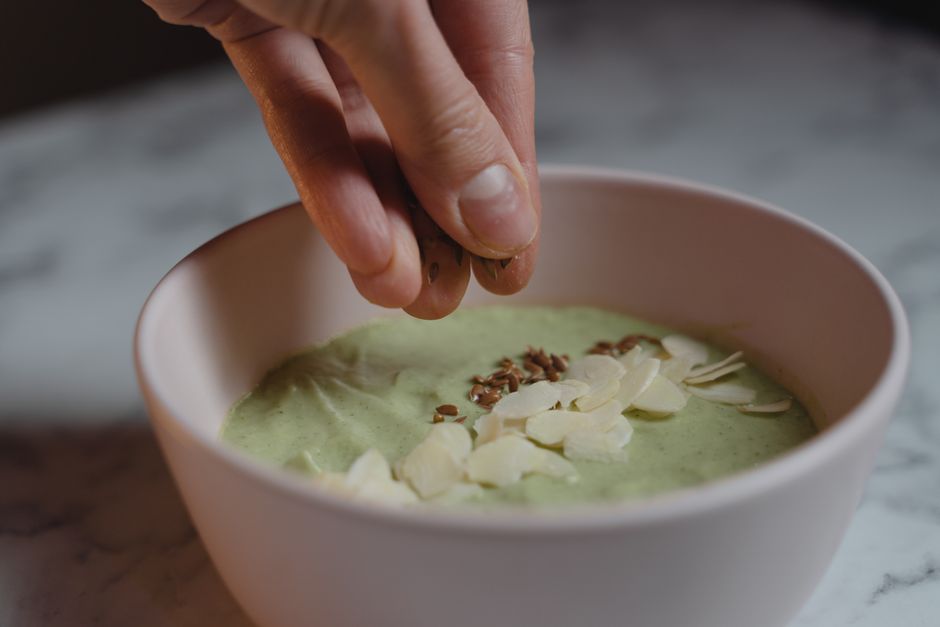
Liz Arch’s Green Goddess Bowl: A Nutrient-Dense Masterpiece for Optimal Health
The Liz Arch Green Goddess Bowl is more than just a visually appealing meal; it’s a carefully curated ensemble of ingredients designed to maximize nutrient density and promote holistic well-being. This powerhouse of a dish, often featured on wellness blogs and social media feeds, embodies the principles of vibrant, plant-forward eating, focusing on whole foods that deliver a potent punch of vitamins, minerals, fiber, and beneficial phytonutrients. At its core, the bowl celebrates the "green goddess" concept, which traditionally centers around a creamy, herb-infused dressing, but Liz Arch elevates this by building a substantial and satisfying meal around it. Understanding the components and their synergistic benefits is key to appreciating the genius of this recipe for anyone seeking to optimize their health through diet.
At the heart of Liz Arch’s Green Goddess Bowl is its rich foundation of leafy greens. Typically, this involves a generous portion of kale, spinach, or a mixed greens blend. Kale, a cruciferous champion, is a nutritional powerhouse, boasting high levels of Vitamin K, Vitamin A, Vitamin C, and manganese. Its robust fiber content aids in digestion and promotes satiety, contributing to a feeling of fullness that can help manage appetite. Spinach, another staple, is equally impressive, providing essential folate, iron, and antioxidants like lutein and zeaxanthin, crucial for eye health. The combination of these greens not only provides a broad spectrum of micronutrients but also contributes alkalinity to the body, a principle often espoused in holistic nutrition circles. The preparation of these greens is also vital. Massaging kale, for instance, breaks down its tough cellulose structure, making it more tender and digestible, thereby enhancing nutrient absorption. This attention to detail underscores the thoughtful construction of the bowl.
Beyond the greens, the Liz Arch Green Goddess Bowl is characterized by a vibrant assortment of colorful vegetables, each chosen for its unique nutritional profile and textural contribution. Roasted sweet potatoes are a common and highly beneficial addition. These starchy tubers are an excellent source of beta-carotene, which the body converts into Vitamin A, vital for vision, immune function, and skin health. Their complex carbohydrates provide sustained energy, and they are also a good source of Vitamin C and potassium. Broccoli, another frequent player, offers a wealth of Vitamin C, Vitamin K, and dietary fiber. Its sulfur-containing compounds, such as sulforaphane, are of particular interest for their potential anti-inflammatory and antioxidant properties. Other complementary vegetables might include crunchy bell peppers, adding Vitamin C and a satisfying crunch, or thinly sliced red onion for a touch of pungent flavor and additional antioxidants. The diversity of colors in these vegetables signifies a wide array of phytochemicals, the plant compounds that offer protective health benefits and contribute to disease prevention.
The protein component of Liz Arch’s Green Goddess Bowl is crucial for satiety, muscle repair, and overall metabolic function. While variations exist, common and highly effective protein sources include quinoa, chickpeas, or grilled chicken or fish for omnivorous versions. Quinoa, a complete protein, is rare among plant-based foods, meaning it contains all nine essential amino acids. Its high fiber content further aids digestion and blood sugar regulation. Chickpeas, or garbanzo beans, are another excellent plant-based protein source, rich in fiber, folate, and iron. Their slightly nutty flavor and creamy texture complement the other ingredients beautifully. For those who include animal protein, lean options like grilled chicken breast or salmon provide high-quality protein and beneficial omega-3 fatty acids (in the case of salmon), which are essential for brain health and reducing inflammation. The strategic inclusion of protein ensures that the Green Goddess Bowl is a truly balanced and sustaining meal, preventing energy crashes and promoting muscle synthesis.
Perhaps the most iconic element of any Green Goddess dish is the dressing, and Liz Arch’s interpretation is no exception. This creamy, herbaceous sauce is the unifying force that brings all the components together, transforming simple ingredients into a culinary masterpiece. The base of the dressing is typically made with a healthy fat source, such as avocado, tahini, or Greek yogurt. Avocado provides monounsaturated fats, which are heart-healthy and contribute to satiety, along with a creamy texture and a wealth of vitamins and minerals. Tahini, made from ground sesame seeds, offers healthy fats, protein, and minerals like calcium and magnesium. Greek yogurt, for those who consume dairy, provides a protein boost and a tangy flavor. The "green goddess" aspect comes from a generous infusion of fresh herbs, most commonly parsley, cilantro, chives, and basil. These herbs are not only flavorful but also packed with vitamins, antioxidants, and anti-inflammatory compounds. Lemon juice or apple cider vinegar adds brightness and acidity, crucial for balancing the richness of the dressing and aiding digestion. A touch of garlic and perhaps a hint of Dijon mustard or ginger can further enhance the complexity of the flavor profile. The carefully balanced combination of healthy fats, fresh herbs, and bright acidity makes the Green Goddess dressing a functional food in its own right.
Beyond the core ingredients, Liz Arch often incorporates textural elements and healthy fats that elevate the Green Goddess Bowl from a simple salad to a complete and satisfying meal. Toasted nuts and seeds, such as almonds, walnuts, pumpkin seeds, or sunflower seeds, are frequently added. These provide a delightful crunch, essential fatty acids, and additional protein and fiber. Walnuts, in particular, are rich in omega-3 ALA, beneficial for heart and brain health. Pumpkin seeds are a good source of magnesium, zinc, and iron. The inclusion of these small powerhouses adds a significant nutritional boost and an enjoyable textural contrast to the softer elements of the bowl. A drizzle of extra virgin olive oil is also common, further enhancing the healthy fat content and aiding in the absorption of fat-soluble vitamins present in the vegetables.
The SEO-friendly aspects of Liz Arch’s Green Goddess Bowl lie in its inherent health benefits and the descriptive language used to portray its ingredients. Keywords such as "nutrient-dense," "plant-forward," "whole foods," "healthy fats," "lean protein," "fiber-rich," "antioxidants," "vitamins," "minerals," "digestive health," and "anti-inflammatory" are naturally integrated when discussing the bowl’s components. The focus on specific ingredients like "kale," "spinach," "avocado," "quinoa," "chickpeas," and "herbs" further enhances searchability for users seeking recipes for these individual superfoods or for a complete meal solution. The bowl’s appeal spans various dietary preferences and health goals, making it relevant for searches related to "healthy lunch ideas," "vegetarian recipes," "vegan bowls," "power bowls," "detox recipes," and "immune-boosting meals."
The therapeutic benefits of the ingredients in Liz Arch’s Green Goddess Bowl are profound. The high fiber content promotes a healthy gut microbiome, which is increasingly recognized as crucial for overall health, including immune function, mood regulation, and even weight management. The abundance of antioxidants from the colorful vegetables and herbs helps combat oxidative stress, a process that damages cells and contributes to aging and chronic diseases. Vitamin C, abundant in greens and bell peppers, is vital for immune system function and collagen production, supporting skin health. Vitamin K, prominent in kale, is essential for blood clotting and bone health. The healthy fats from avocado, nuts, and seeds support hormone production, nutrient absorption, and reduce inflammation throughout the body. The magnesium content from tahini, seeds, and leafy greens plays a role in over 300 enzymatic processes in the body, including muscle and nerve function, blood glucose control, and blood pressure regulation.
The versatility of Liz Arch’s Green Goddess Bowl is another significant factor in its popularity and SEO potential. While the core components remain consistent, the recipe can be easily adapted to individual preferences and dietary needs. For instance, those following a strict vegan diet can rely on the plant-based protein sources like quinoa and chickpeas and ensure the dressing base is avocado or tahini-based. Gluten-free individuals can naturally incorporate this bowl into their diet as most ingredients are gluten-free, with a focus on quinoa as the grain. For those seeking a lighter meal, the quantity of grains can be reduced, emphasizing the vegetables and greens. Conversely, for a more substantial meal, additional protein or healthy fats can be incorporated. This adaptability makes the bowl highly searchable for a wide range of dietary requirements, increasing its organic reach.
Furthermore, the visual appeal of Liz Arch’s Green Goddess Bowl contributes to its shareability and online presence. The vibrant greens, the creamy emerald dressing, and the colorful array of vegetables make it an Instagram-worthy dish, driving traffic and awareness. This visual appeal often translates into user-generated content, with individuals sharing their own versions of the bowl, further amplifying its reach and search engine visibility. The term "Green Goddess Bowl" itself has become a recognizable and searchable entity, associated with healthy, vibrant, and delicious meals.
In conclusion, Liz Arch’s Green Goddess Bowl is a meticulously designed meal that harmoniously combines nutrient-rich ingredients to support optimal health and well-being. Its foundation of leafy greens, array of colorful vegetables, quality protein sources, and a flavorful, herb-infused dressing creates a truly satisfying and health-promoting experience. The inherent health benefits, combined with its versatility and visual appeal, make it a highly searchable and widely appreciated dish in the realm of modern, health-conscious cuisine, solidifying its position as a nutritional powerhouse and a go-to option for those prioritizing a vibrant, plant-forward lifestyle.
