LightForce Orthodontics Unveils Groundbreaking Patient-Specific 3D-Printed Metal Brackets, Revolutionizing Orthodontic Treatment for the Majority

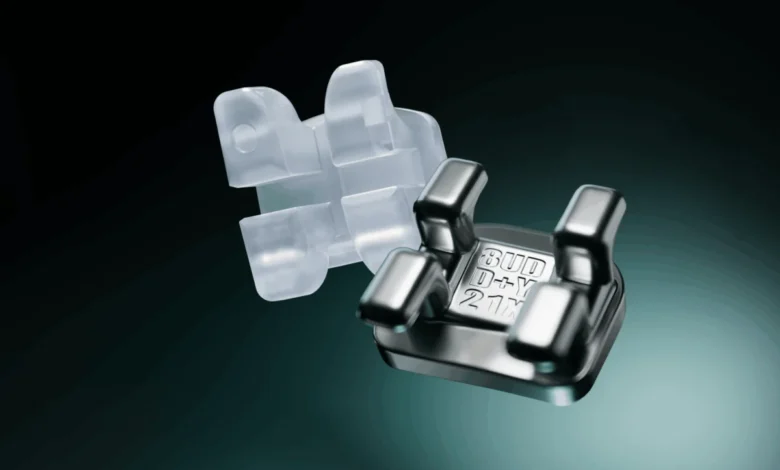
LightForce Orthodontics, a pioneer in customized fixed appliances, is set to fundamentally transform the landscape of the orthodontic industry with the introduction of LightBracket Metal. Building upon its foundational success with 3D-printed, fully customized ceramic brackets, the company is now extending its personalized digital planning capabilities to the largest segment of the global orthodontic market. This groundbreaking launch represents a significant leap towards universal access to individualized treatment, specifically targeting the estimated 65% of orthodontic patients worldwide who opt for metal braces. The debut of this first-of-its-kind patient-specific 3D-printed metal bracket is slated for the highly anticipated AAO Annual Session in Orlando, Florida, signaling a new era for digital orthodontics.
The Dawn of Generative Orthodontics: A Paradigm Shift
The journey of LightForce began with a radical vision: to move beyond standardized, mass-produced orthodontic appliances towards fully personalized solutions. Co-founder and CEO, Alfred Griffin, DMD, PhD, MMSc, emphasizes that 3D printing itself is not the ultimate product but rather the indispensable manufacturing mechanism enabling a new category of care: generative braces. "The reason we started with 3D printing was not because I love 3D printing; it’s because it’s the only way to scale this concept of generative braces, where information from the patient and the doctor can combine to make something bespoke and novel just for that patient," Griffin states, articulating the core philosophy of personalized medicine in orthodontics. This innovative approach ensures that each appliance is intrinsically linked to the digital treatment plan, allowing for seamless adaptation and modification as the treatment progresses.
Historically, orthodontic brackets have been manufactured through injection molding, a process that inherently relies on a catalog of predetermined, standardized sizes. This "one-size-fits-many" approach often necessitates compromises in fit and treatment mechanics, requiring orthodontists to manually adjust and compensate. LightForce’s ceramic brackets, launched earlier, proved the viability and efficacy of 3D printing in creating highly customized appliances. The strategic expansion into metal was always part of the long-term vision, acknowledging the pervasive demand for metal braces and the opportunity to bring unparalleled precision to this dominant market segment. The transition from ceramic to metal production, however, presented unique engineering challenges, particularly in achieving the exacting surface finishes and tight tolerances required for clinically effective orthodontic appliances. LightForce dedicated years to developing its infrastructure, mastering the complexities of scaling traceability—ensuring the correct bracket for the correct tooth for each patient—and maintaining slot accuracy, before applying these hard-won lessons to metal.
Precision Engineering: The Science Behind LightBracket Metal
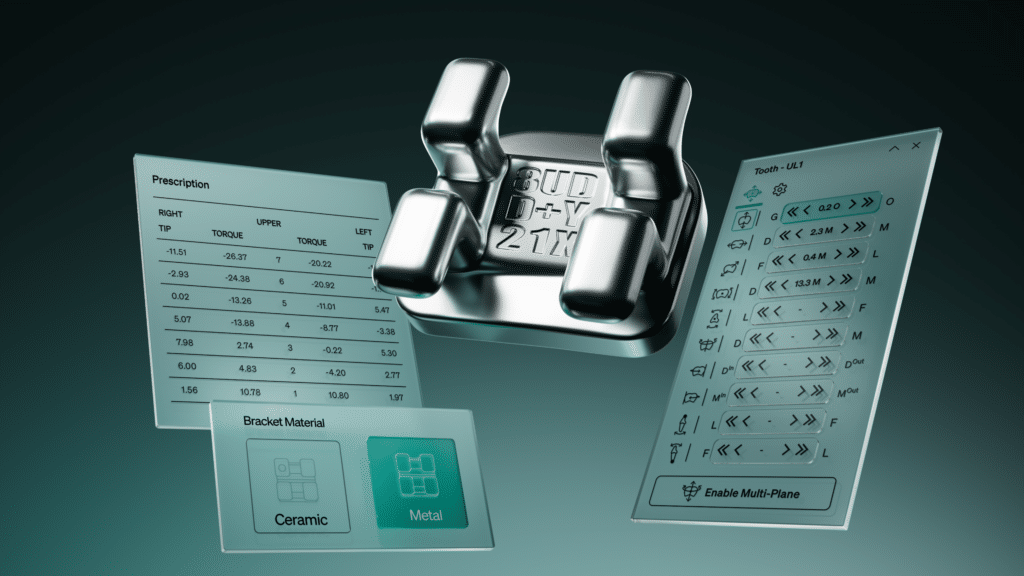
Generative braces, as conceptualized by LightForce, allow for the complete customization of every element of the bracket. LightBracket Metal takes this to an unprecedented level, individualizing the appliance across six critical dimensions: the bracket base, slot height, slot prescription, bracket position, tie wings, and hooks. This level of customization stands in stark contrast to traditional stock braces, where orthodontists must select from a limited range of pre-fabricated options. The new system offers three slot sizes (.018″, .020″, and .022″) with bidimensional combinations, providing clinicians with precise tools to manage diverse treatment plans.
A key innovation lies in the bracket base, which is designed to conform precisely to the unique morphology of each individual tooth. This ensures a superior, precise fit and, crucially, accurate torque expression—a feat that injection-molded slots struggle to consistently replicate due to inherent manufacturing limitations. Furthermore, because LightBracket Metal is printed in exact layers directly from a digital STL file, its slot accuracy remains consistent throughout the treatment duration. This eliminates the common issue seen with injection molds, which can degrade over time and require slight divergences for part ejection, leading to compromised precision. The assurance of consistent precision means that the digital treatment plan envisioned by the orthodontist translates directly and reliably into the clinical outcome for the patient, minimizing chairside adjustments and maximizing predictability.
Addressing the Dominant Teen Market
The decision to introduce a metal option was largely driven by the specific demands of the teen demographic, which constitutes the vast majority of the global orthodontic market. According to Dr. Griffin, an astounding 95% of teenagers undergoing orthodontic treatment receive metal braces. This preference is multifaceted, stemming from both aesthetic and functional considerations. "One thing I underappreciated when we started this is that a lot of teenagers just want what their friends have. Their sense of self is informed by their peers," Griffin explains, highlighting the significant role of social dynamics in treatment choice. Beyond peer influence, many teenagers genuinely prefer the aesthetic of metal braces, a stark contrast to the adult market where discretion often dictates the choice of clear aligners or ceramic options.
Functionally, metal braces offer distinct advantages, particularly for younger patients. Durability is a primary concern for orthodontists, as metal can better withstand the rigors of a teenager’s diet and lifestyle, reducing the likelihood of breakage or debonding compared to more brittle materials. Moreover, metal brackets inherently offer lower friction, which is highly beneficial during critical phases of treatment, such as space closure. This attribute can contribute to more efficient tooth movement and potentially shorter overall treatment times. By offering a customized metal option, LightForce empowers orthodontists to provide this dominant demographic with a patient-specific solution that aligns with their preferences while delivering superior clinical performance. The global orthodontic market, valued at approximately $5 billion in 2023 and projected to grow steadily, is heavily influenced by this teen segment, making LightBracket Metal a strategic entry into a high-demand area.
Enhancing Patient Comfort and Clinical Efficiency
The development of LightBracket Metal presented an opportunity for LightForce to introduce new features specifically aimed at improving the patient experience. Key among these are fully customized tie wings and hooks. LightForce’s overarching goal is to engineer "the most comfortable bracket in the world," a factor that holds significant weight for both patients and clinicians during treatment consultations.
Traditional stock brackets often present clinical challenges. For instance, altering the vertical position of a stock bracket can inadvertently change the angle of its hook, potentially leading to impingement on the gingiva or irritation of the patient’s cheeks. With generative braces, however, the hook’s angle is custom-bent to maintain a functional and safe distance from both the tooth and gingival tissues, irrespective of its vertical placement. Furthermore, the digital planning process allows for a synergistic design of all bracket components—tie wings, slot angle, and base—to collectively minimize the bracket’s physical footprint. This innovative approach resolves historical orthodontic debates, such as "torque in face versus torque in base," by optimizing the entire bracket profile. The resulting lower-profile design not only significantly enhances patient comfort but also plays a crucial role in reducing debond rates by minimizing the lever arm effect on the bracket, leading to a more stable and reliable appliance. This focus on patient comfort and clinical reliability aligns with broader trends in healthcare towards patient-centric care models.
Data-Driven Innovation: The Role of LightTrays and Machine Learning
A cornerstone of the LightForce platform is its sophisticated utilization of data to continuously improve both individual case outcomes and the overall system. This data-driven philosophy extends to the indirect bonding trays, known as LightTrays, which are integral to the efficient and precise placement of the customized brackets.
Unlike conventional indirect bonding systems that often employ a generic, one-size-fits-all approach, LightForce leverages machine learning algorithms. This advanced AI analyzes an extensive dataset derived from approximately 200,000 patients and historical reorder data. This allows the system to intelligently pre-segment the LightTrays based on the patient’s initial clinical presentation, accounting for specific factors such as spacing, crowding, or erupting teeth. This intelligent segmentation is crucial in preventing common issues like the tray rocking during seating or tearing upon removal, thereby significantly minimizing the number of surprises and bracket debonds during the bonding process. The system also proactively addresses potential debonds: every LightForce case includes a pre-segmented backup bracket that can be placed immediately if needed, and practices can reorder replacements at no additional cost.
Dr. Griffin emphasizes the importance of investing in "tech stacks that will get better with new information." He asserts that any 3D-printed platform capable of collecting data on debonds will become incrementally smarter, informing future product refinements and enhancing scalability. This continuous feedback loop ensures that the LightForce system evolves, providing increasingly predictable and efficient treatment outcomes for orthodontists and patients alike. This approach positions LightForce at the forefront of digital health innovation, mirroring trends seen in other data-intensive industries.
Transforming Practice Operations and Economics
Integrating a 3D-printed, patient-specific bracket system like LightForce necessitates adjustments to existing practice workflows, but it also presents significant opportunities for streamlining operations and improving profitability. Many beta testers of the LightForce system have highlighted its ability to consolidate practice inventory, allowing them to effectively manage their entire fixed appliance caseload (both ceramic and metal) with LightForce, alongside their preferred clear aligner system. This simplification of inventory management reduces overhead and complexity.
Clinically, the LightForce platform redefines roles within the practice. While the orthodontist designs the precise digital treatment plan, staff members take on a more critical role in the installation of the hardware, requiring meticulous isolation techniques for delegated bonding. Crucially, the LightForce platform tracks bracket replacements, providing orthodontists with actionable data on staff bonding effectiveness. Over time, practices can analyze metrics such as debond rates per team member or even pinpoint specific areas (e.g., left or right side of the mouth) where isolation techniques may need refinement. This data-driven feedback mechanism fosters continuous improvement and enhances clinical consistency.
Operationally, practices typically shift towards more efficient 60-minute bonding appointments. Because tooth movement is guided by a precise digital plan, orthodontists become less reactive, requiring fewer chairside adjustments. This increased predictability allows for significantly longer intervals between appointments, often stretching to 10 or 12 weeks for initial wires, thereby reducing the total number of office visits for patients. A recent clinical trial conducted at the University of Buffalo, published in the journal International Orthodontics, underscored these operational efficiencies, demonstrating a remarkable 43% shorter treatment time and 60% fewer appointments for patients treated with the LightForce system compared to conventional stock braces. This reduction in chair time is a significant benefit for both patients and busy orthodontic practices.

Economically, practices adopting LightForce must prepare for a shift in cash flow dynamics. While the initial lab fee for customized brackets is higher than for stock alternatives, the substantial reduction in patient visits and overall treatment time ultimately translates to a higher profit per visit. Griffin notes that practices typically experience a four-to-six-month cash flow adjustment period as they transition, before realizing the full financial benefits of increased efficiency and reduced overhead associated with fewer appointments and shorter treatment durations. To facilitate this transition, LightForce provides dedicated onboarding support, sharing comprehensive data and modeling from a diverse range of existing users—from nascent startups to large service organizations—to ensure doctors are fully informed about the clinical, operational, and economic implications before making the switch. This commitment to support helps mitigate the risks associated with adopting new technology.
Strategic Growth and Sustainable Innovation
The introduction of a metal 3D-printed bracket to the market was not an immediate undertaking for LightForce. The delay was not due to a lack of ambition but rather the profound engineering challenges inherent in achieving mass customization for metal orthodontic appliances. Early applications of metal 3D printing were primarily tailored for industries like automotive and aerospace, which did not demand the exact surface finishes or ultra-tight tolerances critical for a clinically efficacious orthodontic bracket.
LightForce strategically invested years in meticulously building its infrastructure around ceramic brackets, a less demanding material in terms of printing precision. This phased approach allowed the company to master the complexities of scaling traceability—ensuring not just the right bracket for the right patient, but for the specific tooth—and consistently maintaining slot accuracy. Only after perfecting these processes for ceramic did LightForce apply these invaluable lessons to the more challenging realm of metal 3D printing. Griffin underscores that responsible scaling has always been the company’s paramount priority, ensuring unwavering quality and precision for a part that demands exactitude every single time. Consequently, LightBracket Metal is being rolled out gradually to ensure that LightForce can meet demand without compromising its stringent manufacturing standards or the trust it has built with its providers. Given the initial limited availability, orthodontists are advised to directly contact their LightForce sales representative for access inquiries.
Ultimately, the introduction of metal generative braces represents a pivotal step in refining the entire orthodontic process and systematically eliminating historical inefficiencies. As Griffin succinctly puts it, "When LightForce replaces stock braces, tooth movement is not going to speed up biologically. The waste will just disappear—the extra appointments, the adjustments, the repositions of brackets, the wire bending." He clarifies that these traditional interventions were "never part of treatment; that was the cost of using a tool that wasn’t designed for the patient." This philosophy of eliminating inherent waste through precise, personalized manufacturing aligns with broader sustainability goals in healthcare, reducing the consumption of generic, ill-fitting parts and minimizing chairside adjustments that consume valuable resources and time.
The Broader Implications for the Orthodontic Landscape
The launch of LightBracket Metal is more than just a product release; it signifies a significant inflection point for the entire orthodontic industry. By democratizing access to fully customized, 3D-printed fixed appliances across both ceramic and now metal options, LightForce is accelerating the shift towards personalized digital orthodontics as the new standard of care.
For orthodontists, this innovation offers enhanced control and predictability over treatment outcomes, reducing the reliance on manual adjustments and unexpected challenges. The data-driven insights provided by the LightForce platform empower clinicians to optimize their practice operations, leading to improved efficiency, reduced chair time, and ultimately, greater profitability. The promise of shorter treatment times and fewer appointments is a powerful differentiator in a competitive market, allowing practices to attract and retain more patients.
For patients, LightBracket Metal means a superior treatment experience. The precise fit and lower-profile design contribute to greater comfort, while the customized mechanics promise more efficient and predictable tooth movement. The prospect of significantly shorter treatment durations—as evidenced by the University of Buffalo study—and fewer office visits is a compelling benefit, particularly for busy teenagers and their families. This advancement brings the benefits of personalized medicine, long-heralded in other medical fields, directly to the orthodontic patient, offering a level of bespoke care previously unattainable with traditional methods.
Looking ahead, LightForce’s continued innovation in 3D printing for orthodontics solidifies the technology’s role as a transformative force in medical device manufacturing. It underscores the potential for digital workflows to not only enhance clinical outcomes but also to create more sustainable, efficient, and patient-centric healthcare systems. As the industry moves further into the digital age, companies like LightForce are paving the way for a future where every patient receives truly individualized care, optimized for their unique biological and aesthetic needs.