
Cacio E Pepe Spaghetti Squash Boats
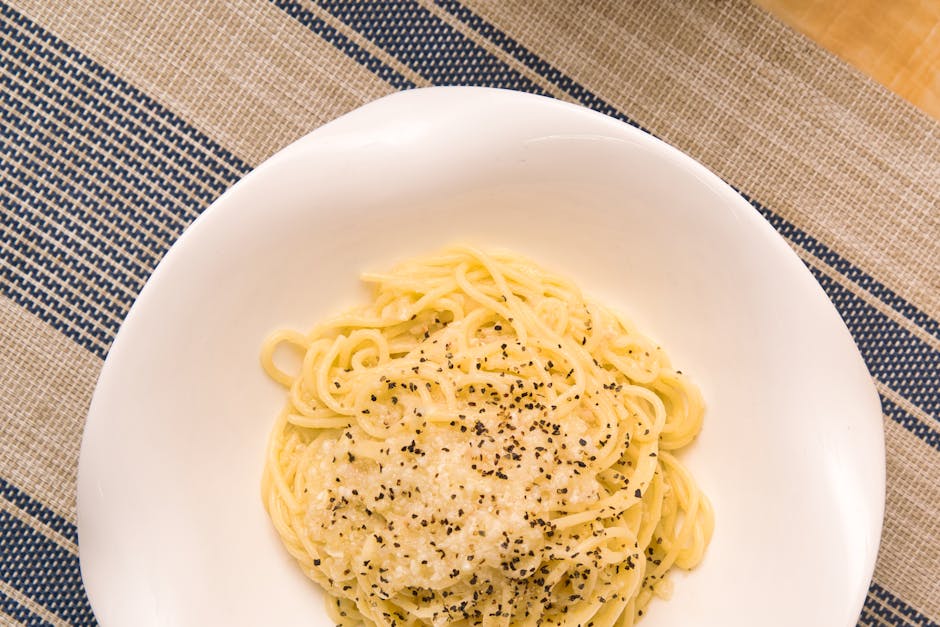
Cacio e Pepe Spaghetti Squash Boats: A Low-Carb Italian Classic Reinvented for Health and Flavor
The intersection of traditional Italian comfort food and modern dietary consciousness is a fertile ground for culinary innovation. Cacio e Pepe, a deceptively simple yet profoundly satisfying Roman pasta dish, traditionally relies on Pecorino Romano cheese, black pepper, and the starchy pasta water to create a creamy, emulsified sauce. Adapting this beloved classic to a low-carb, gluten-free, and vegetable-forward format presents an exciting opportunity to enjoy its signature flavors without the carbohydrate load of traditional pasta. Spaghetti squash, with its naturally stringy, pasta-like texture when cooked, emerges as the ideal vessel for this transformation, creating "spaghetti squash boats" that are both visually appealing and incredibly delicious. This article will delve into the intricacies of creating Cacio e Pepe spaghetti squash boats, exploring the science behind the sauce, the benefits of the ingredients, optimal cooking techniques, and variations to suit diverse palates and dietary needs.
The core of any Cacio e Pepe dish, whether traditional or reimagined, lies in the emulsification of cheese and water. In the classic preparation, the starch released from the pasta into the cooking water acts as a binder, creating a smooth, luxurious sauce when combined with the finely grated Pecorino Romano and a generous amount of freshly cracked black pepper. Achieving this delicate balance without pasta starch requires a nuanced approach when using spaghetti squash. The key is to mimic the binding properties by carefully controlling the moisture content and employing techniques that encourage the cheese to melt and bind effectively. This often involves using a small amount of the spaghetti squash’s own rendered moisture, or strategically adding a touch of reserved cooking liquid from the squash itself if it’s boiled, or even a small amount of starchy vegetable broth or a judiciously measured splash of high-quality olive oil to facilitate the emulsion. The aim is to achieve a creamy, clinging sauce that coats each strand of spaghetti squash without becoming oily or clumpy.
Spaghetti squash offers a compelling nutritional profile that makes it an excellent substitute for traditional pasta. It is significantly lower in carbohydrates and calories, making it a dieter’s dream and a valuable tool for managing blood sugar levels. Rich in fiber, particularly beta-carotene, which the body converts to vitamin A, spaghetti squash supports eye health, immune function, and skin health. It also provides essential minerals like potassium and manganese. The natural sweetness of cooked spaghetti squash also complements the sharp, salty tang of Pecorino Romano, creating a harmonious flavor profile. When halving and roasting spaghetti squash to create "boats," one not only maximizes the edible surface area for the sauce but also concentrates its natural sweetness through caramelization, enhancing the overall taste experience.
The preparation of spaghetti squash boats is straightforward and begins with selecting ripe, firm squash. The most efficient method for cooking spaghetti squash for this application is roasting. Halving the squash lengthwise and scooping out the seeds is the initial step. To facilitate even cooking and prevent the squash from becoming waterlogged, it’s often recommended to lightly salt the cut surfaces and allow them to sit for a short period to draw out excess moisture. Alternatively, some chefs opt to boil or microwave the squash halves, though roasting typically yields the most desirable texture and flavor by promoting caramelization. Once halved, the squash should be placed cut-side down on a baking sheet lined with parchment paper and roasted at a relatively high temperature (around 400°F or 200°C) until fork-tender. The cooking time will vary depending on the size of the squash, but generally ranges from 30 to 50 minutes. Upon removal from the oven, the squash needs to cool slightly before the strands can be gently scraped out with a fork, revealing the pasta-like texture.
The Cacio e Pepe sauce preparation is where the culinary alchemy truly happens. The quality of the Pecorino Romano is paramount. Authentic Pecorino Romano, made from sheep’s milk, offers a distinct sharp, nutty, and salty flavor that is integral to the dish. It is crucial to use finely grated cheese; a microplane or the smallest holes on a box grater are ideal, as this ensures smooth melting and prevents clumping. Freshly cracked black pepper is non-negotiable. The pungent aroma and spicy kick of freshly ground peppercorns are essential to the authentic Cacio e Pepe experience. The pepper should be toasted lightly in a dry pan before grinding to enhance its flavor and aroma, adding another layer of complexity.
To create the sauce for the spaghetti squash boats, the scraped spaghetti squash strands are typically returned to the emptied squash shells, or a separate pan is used. The key to the emulsion without pasta starch is the careful introduction of moisture and fat. A small amount of hot water or, ideally, the reserved cooking liquid from the squash (if boiled or steamed) is gradually added to the squash strands along with the grated Pecorino Romano and toasted black pepper. Vigorous tossing or stirring is essential at this stage to encourage the cheese to melt and emulsify with the liquid, forming a creamy coating. Some recipes advocate for a very small amount of high-quality olive oil or even a touch of unsalted butter to aid in the emulsification and add richness, although purists might forgo this. The sauce should cling to the squash strands, creating a cohesive and flavorful dish. Patience and gradual addition of liquid are crucial to prevent a watery or separated sauce.
The term "boats" refers to the halved spaghetti squash shells that serve as edible serving vessels. After the spaghetti squash strands have been combined with the Cacio e Pepe sauce, they are spooned back into their respective shells, creating a visually appealing and self-contained meal. This presentation not only enhances the dining experience but also makes for easy serving and portion control. The caramelized edges of the roasted squash shells add another dimension of flavor and texture.
Several variations and enhancements can elevate the Cacio e Pepe spaghetti squash boat experience. For those who enjoy a richer sauce, a splash of heavy cream or a knob of unsalted butter can be incorporated during the sauce-making process, though this will slightly increase the fat content. To introduce additional flavor dimensions, consider adding a minced garlic clove to the rendered moisture of the squash before adding the cheese, or a pinch of red pepper flakes for a subtle heat. Fresh herbs, such as finely chopped parsley or chives, can be stirred in at the end for a burst of freshness and color.
For individuals following a dairy-free or vegan diet, an adaptation is possible, though it requires a different approach to achieving the creamy texture and cheesy flavor. Vegan parmesan substitutes, often made from nuts and nutritional yeast, can be used. The emulsification will likely rely more heavily on starchy vegetable broths, a touch of tahini, or even a cashew cream base. Achieving the exact texture and flavor profile of traditional Cacio e Pepe without dairy presents a significant challenge, but a delicious and satisfying vegan alternative can still be created.
From an SEO perspective, incorporating relevant keywords is vital for discoverability. Terms such as "low carb," "gluten-free," "spaghetti squash recipe," "keto," "paleo," "Italian food," "healthy dinner," "vegetable recipes," "cheese and pepper pasta," and "easy weeknight meal" should be strategically woven into the article. The title itself is a crucial SEO element, clearly stating the dish and its core components. Using descriptive subheadings will also improve readability and SEO by breaking down the content into digestible sections. The inherent appeal of a low-carb, healthy twist on a classic Italian dish naturally lends itself to high search interest.
The nutritional benefits extend beyond the low-carb and gluten-free aspects. The fiber content in spaghetti squash aids digestion and promotes satiety, making this dish a satisfying and filling meal option that can contribute to weight management efforts. The antioxidants present in the squash, particularly beta-carotene, are crucial for cellular health and disease prevention. The simple ingredients of Pecorino Romano and black pepper also offer their own nutritional advantages; Pecorino Romano is a good source of calcium and protein, while black pepper contains piperine, a compound that may enhance nutrient absorption.
The versatility of this dish is another strong selling point. It can be a complete meal on its own or served as a flavorful side dish. It’s an excellent option for meal prepping, as the roasted squash can be prepared in advance, and the sauce can be made just before serving to ensure optimal texture. The recipe can be easily scaled up to feed a crowd or halved for a solo meal. The visual appeal of the spaghetti squash boats also makes them a compelling choice for entertaining, offering a healthy yet impressive option for guests.
In conclusion, Cacio e Pepe spaghetti squash boats represent a brilliant fusion of tradition and innovation. By leveraging the natural qualities of spaghetti squash and meticulously replicating the emulsification techniques of classic Cacio e Pepe, a low-carb, gluten-free, and nutrient-dense dish emerges. Its accessibility, deliciousness, and health benefits make it a standout option for anyone seeking to enjoy the essence of Italian comfort food in a health-conscious manner. The ease of preparation, coupled with its inherent adaptability, ensures that this reinvented classic will continue to be a popular choice for home cooks and discerning diners alike, proving that healthy eating doesn’t require a compromise on flavor or culinary heritage. The emphasis on quality ingredients, precise technique, and strategic keyword integration makes this an SEO-friendly and informative resource for those eager to explore this delightful culinary creation.
