
7 Easy Tricks For Healthier Grilling According To Rds
7 Easy Tricks for Healthier Grilling According to RDs
Grilling often conjures images of indulgent, smoky flavors and hearty, sometimes less-than-healthy, meals. However, achieving a delicious and nutritious grilled feast is entirely possible with a few strategic adjustments. Registered Dietitians (RDs) emphasize that the method of grilling itself, when approached thoughtfully, can be a fantastic way to prepare food while maximizing nutrient retention and minimizing the formation of potentially harmful compounds. The key lies in understanding the principles of healthy cooking and applying them to the art of grilling. This article will delve into seven actionable, easy-to-implement tricks, backed by the expertise of RDs, to transform your grilling routine into a health-conscious culinary experience. These aren’t about sacrificing flavor; they’re about enhancing it through smarter choices. From selecting the right ingredients to managing the heat and preventing charring, each tip is designed to contribute to a healthier outcome without compromising the enjoyment of your grilled creations. By incorporating these strategies, you can confidently enjoy your favorite grilled dishes, knowing you’re making choices that benefit your well-being.
1. Prioritize Lean Protein Sources and Plant-Based Powerhouses.
The foundation of any healthy grilled meal often starts with the protein. Registered Dietitians consistently advocate for choosing lean protein options to reduce saturated fat intake. This translates to selecting cuts of meat like chicken breast (skinless), turkey breast, lean cuts of pork loin, or fish like salmon, tuna, and cod. When opting for red meat, steer towards leaner varieties such as sirloin, flank steak, or tenderloin, trimming away any visible fat before grilling. Beyond traditional meats, embracing plant-based proteins on the grill is an excellent strategy. Vegetables themselves offer a plethora of nutrients and can be incredibly satisfying when grilled. Think beyond mere side dishes and consider them as main events. Portobello mushrooms, with their meaty texture, absorb marinades beautifully and provide a substantial, low-calorie option. Halloumi cheese, while a cheese, grills remarkably well and offers a good source of protein. Tofu and tempeh, when marinated and pressed, can achieve a desirable smoky flavor and satisfying chew. Legumes, such as chickpeas or black beans, can be formed into veggie burgers or skewers for a protein-rich, fiber-filled grilled option. The versatility of plant-based grilling is immense and offers a wealth of nutritional benefits, including fiber, vitamins, and minerals, often with fewer calories and less saturated fat than their meat counterparts. When selecting proteins, always consider the quality and origin. Opting for sustainably sourced or organically raised options, where possible, can further enhance the nutritional profile and ethical considerations of your grilled meal. Remember, the goal is to build your grilled meal around nutrient-dense foods that contribute positively to your overall dietary intake.
2. Marinate for Flavor and Reduced Harmful Compound Formation.
Marinades are not just for flavor; RDs highlight their significant role in reducing the formation of harmful compounds that can develop during high-heat grilling. When meat is cooked at high temperatures, particularly when it comes into direct contact with flames, heterocyclic amines (HCAs) and polycyclic aromatic hydrocarbons (PAHs) can form. HCAs are created when the amino acids in muscle meat are exposed to high heat. PAHs are formed when fat drips onto the coals, creating smoke that then coats the food. Research suggests that marinades, especially those containing acidic ingredients like vinegar, lemon juice, or yogurt, can help mitigate the formation of these compounds. The acid in the marinade can create a barrier on the surface of the meat, preventing direct contact with extreme heat and smoke. Furthermore, marinades can significantly reduce the cooking time required, as the acid begins to tenderize the meat. This shorter cooking time, in turn, leads to less exposure to high temperatures. Antioxidants present in many marinade ingredients, such as garlic, onion, herbs (like rosemary and thyme), and spices, also play a crucial role. These antioxidants can help neutralize free radicals that contribute to the formation of HCAs and PAHs. Aim for marinades that are primarily based on healthy oils (like olive oil), acid, and flavorful aromatics. Avoid marinades with excessive amounts of sugar, as sugar can caramelize and burn quickly, increasing the risk of charring and the formation of potentially undesirable compounds. Consider experimenting with different flavor profiles, from a simple lemon-herb marinade for chicken and fish to a soy-ginger marinade for tofu and tempeh. The longer you marinate, the deeper the flavor and the greater the potential protective effect, but even a brief marination period of 30 minutes can offer benefits.
3. Embrace the Power of Vegetables and Fruits on the Grill.
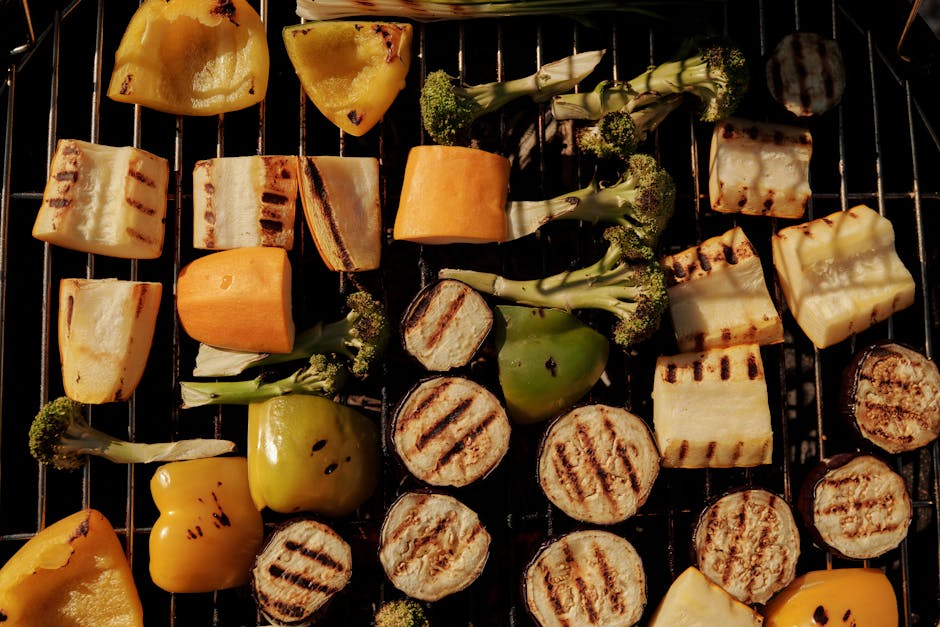
Grilling vegetables and fruits is a fantastic way to enhance their natural sweetness and create a delightful texture. RDs emphasize that this method can make these nutrient powerhouses even more appealing, encouraging greater consumption. The high heat of the grill caramelizes the natural sugars in vegetables like corn, bell peppers, onions, zucchini, asparagus, and eggplant, intensifying their flavor and making them incredibly appealing. Similarly, fruits like pineapple, peaches, and even watermelon can develop a wonderful smoky char and a concentrated sweetness that is unparalleled. When grilling vegetables, cut them into uniform pieces to ensure even cooking. Toss them with a light coating of olive oil, herbs, and spices before placing them on the grill. For fruits, a light brushing of oil can prevent sticking, and some, like pineapple, benefit from a sprinkle of cinnamon or a drizzle of honey before grilling. Grilling fruits can transform them into a healthier dessert option, reducing the need for added sugars often found in traditional desserts. This also offers a way to incorporate a wider variety of produce into your diet. Consider grilling whole items like corn on the cob, bell pepper halves, or thick onion slices. Skewers are another excellent method for grilling a medley of vegetables and even fruits, allowing for easy handling and attractive presentation. The fiber, vitamins, minerals, and antioxidants present in these grilled produce items contribute significantly to a balanced and healthy diet. Don’t underestimate the versatility; grilled vegetables can be incorporated into salads, wraps, or served as a flavorful side dish.
4. Master Heat Management and Indirect Cooking.
Effective heat management is paramount for healthy grilling, according to RDs. High, direct heat for extended periods can lead to burning and charring, increasing the formation of HCAs and PAHs. Understanding the difference between direct and indirect heat is crucial. Direct heat involves placing food directly over the heat source, ideal for quick-cooking items like thin steaks, burgers, or vegetables that benefit from a quick sear. Indirect heat involves arranging the coals or burners to one side of the grill, creating a cooler zone where food can cook more slowly and evenly, similar to an oven. This method is ideal for larger cuts of meat, whole chickens, or anything that requires longer cooking times. By using indirect heat, you can reduce the risk of burning the exterior before the interior is cooked through. This also allows for more gentle cooking, preserving moisture and nutrients. RDs recommend preheating your grill to the appropriate temperature and then adjusting the heat as needed. For direct grilling, aim for medium-high heat (around 400-450°F). For indirect grilling, maintain a lower temperature, around 300-350°F. Consider using a grill thermometer to ensure accuracy. Another technique is to sear food over direct heat for a few minutes per side to achieve grill marks and flavor, then move it to the indirect heat zone to finish cooking. This "sear and move" method combines the best of both worlds. For charcoal grills, you can control heat by arranging coals in a single layer for direct heat or piling them to one side for indirect heat. For gas grills, adjust the burner settings accordingly. Proper heat management not only contributes to healthier grilling but also to more consistently delicious results.
5. Trim Visible Fat and Drain Excess Grease.
A simple yet highly effective strategy for healthier grilling, consistently advised by RDs, is to meticulously trim away any visible fat from meats before they hit the grill. This includes the fat cap on steaks, the skin from poultry (unless a crispy skin is a desired element and the fat is intended to be consumed in moderation), and any excess fat on pork cuts. Fat, especially when exposed to high heat, can drip onto the coals or heating elements, generating smoke that carries PAHs onto the food. By removing the excess fat beforehand, you significantly reduce the amount of smoke produced and the subsequent potential for PAH contamination. Furthermore, trimming fat directly reduces the saturated fat content of your meal, contributing to a healthier cardiovascular profile. For foods that have been grilled, especially those that have released a significant amount of fat, RDs suggest draining any excess grease from the platter before serving. This can be done by allowing the food to rest for a few minutes and then carefully pouring off the accumulated liquid fat. While grilling offers a method to cook food with less added fat compared to frying, it’s still important to be mindful of the fat that naturally exists within the ingredients. This practice is a straightforward yet powerful way to enhance the healthfulness of your grilled dishes without sacrificing flavor or texture.
6. Avoid Over-Charring and Embrace Browning.
The allure of those dark, charred grill marks can be misleading when it comes to health. RDs strongly caution against over-charring food. While some browning is desirable for flavor development (the Maillard reaction), excessive charring, especially blackening, significantly increases the formation of HCAs and PAHs. These compounds are believed to be potentially carcinogenic. The goal is to achieve a delicious brown crust on your food, not a burnt, bitter one. To achieve this, as previously mentioned, master heat management and indirect cooking. Don’t overcrowd the grill, as this can lead to uneven cooking and increase the likelihood of some pieces burning while others remain undercooked. Flipping food regularly also helps to ensure even cooking and prevents one side from becoming excessively charred. If you notice areas of your food beginning to char excessively, move them to a cooler part of the grill or remove them temporarily while the rest of the food finishes cooking. Some RDs also suggest scraping off any overly charred portions before serving. Remember, browning is a sign of delicious flavor development, but blackening is a sign of potential harm. Focus on achieving a golden-brown exterior, rather than a deep, dark char, to maximize both taste and health benefits.
7. Enhance Nutrition with Herbs, Spices, and Healthy Sauces.
Elevating the health profile and flavor of your grilled meals can be easily achieved by judiciously using herbs, spices, and opting for healthy sauce choices, as recommended by RDs. Fresh and dried herbs, such as parsley, cilantro, basil, mint, rosemary, and thyme, are packed with antioxidants and add vibrant flavor without adding calories or fat. Dried spices like paprika, cumin, chili powder, garlic powder, and onion powder offer a spectrum of flavors and also possess beneficial compounds. Experiment with spice rubs to add complexity to your grilled meats, poultry, fish, and vegetables. When it comes to sauces, many popular barbecue sauces are laden with added sugars and sodium. RDs suggest opting for lighter, homemade versions or choosing healthier store-bought alternatives. Think about using a base of plain yogurt or Greek yogurt for a creamy, protein-rich sauce, or a base of pureed vegetables like roasted red peppers. Vinaigrettes made with olive oil and vinegar or lemon juice are also excellent choices for drizzling over grilled foods. Salsa, with its fresh ingredients, can be a flavorful and healthy topping. Even a squeeze of fresh lemon or lime juice can brighten the flavors of grilled items. Consider incorporating ingredients with known health benefits into your marinades and sauces, such as garlic, ginger, turmeric, and chilies. These additions not only boost flavor but also contribute to the overall nutritional value of your meal. By focusing on these flavor enhancers, you can create delicious and wholesome grilled dishes that are both satisfying and beneficial for your health.
