
Tag Bell Pepper Salsa
The Ultimate Tag Bell Pepper Salsa: A Deep Dive into Flavor, Versatility, and SEO Optimization
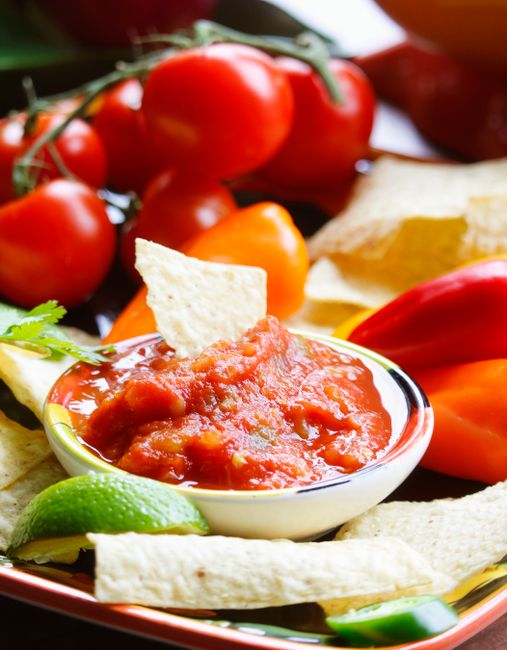
Tag bell pepper salsa is a vibrant and versatile condiment that elevates any dish, from casual tacos to elegant appetizers. Its distinct sweet, slightly peppery flavor profile, derived from the bell peppers, sets it apart from traditional tomato-based salsas. This comprehensive guide explores the nuances of creating and enjoying tag bell pepper salsa, focusing on ingredients, preparation techniques, flavor variations, and its SEO potential. Understanding the key elements that make tag bell pepper salsa a sought-after recipe online is crucial for home cooks and content creators alike. This article will delve into the search terms people use, the information they seek, and how to present tag bell pepper salsa in a way that maximizes its discoverability and appeal.
Understanding the "Tag" in Tag Bell Pepper Salsa
The term "tag" in this context doesn’t refer to a specific bell pepper variety or a historical origin, but rather a common culinary descriptor used to denote a departure from the standard. In essence, "tag bell pepper salsa" signifies a salsa where bell peppers are the star ingredient, often taking precedence over or complementing tomatoes. This distinction is important for SEO. When users search for "bell pepper salsa" or "sweet pepper salsa," they are often looking for recipes that emphasize these ingredients. Including "tag" can help capture a broader range of searches, including those who might not explicitly think of "bell pepper salsa" but are looking for a salsa with a different flavor profile than the typical pico de gallo. Targeting keywords like "sweet salsa," "mild salsa recipe," "fresh bell pepper salsa," and "easy pepper salsa" will be critical for attracting relevant traffic.
The Core Ingredients of Tag Bell Pepper Salsa
The foundation of a superior tag bell pepper salsa lies in the quality and combination of its core ingredients. While variations exist, the essential components typically include:
- Bell Peppers: The undisputed stars. A mix of colors – red, yellow, orange, and even green – offers a spectrum of sweetness and subtle peppery notes. Red and yellow peppers are generally sweeter and less bitter than green ones, contributing to a more palatable salsa for a wider audience. For SEO purposes, specifying "red bell pepper salsa," "yellow bell pepper salsa," and "mixed bell pepper salsa" will be beneficial. Discussing the flavor profiles of each color can further enrich content and target specific searches. For instance, a section on "sweet red bell pepper salsa benefits" could attract users looking for naturally sweeter options.
- Onions: Red or white onions provide pungent depth. Red onions offer a milder, slightly sweeter flavor and a beautiful color contrast. White onions are sharper and more pungent. Dicing them finely ensures they integrate seamlessly without overwhelming the other flavors. Keywords like "red onion bell pepper salsa" and "white onion salsa recipe" are valuable.
- Cilantro: Fresh cilantro is indispensable for its bright, herbaceous, and citrusy notes. It’s the classic counterpoint to the sweetness of the peppers and the tang of the acidity. If targeting users who dislike cilantro, mentioning "cilantro-free bell pepper salsa" or "cilantro substitute for salsa" can be a unique selling proposition.
- Acidity: Lime juice is the traditional choice, providing a zesty brightness that cuts through the sweetness and balances the flavors. Lemon juice can be a substitute, but lime is generally preferred for its more pronounced tang. The acidity is crucial for preservation and overall palatability. Targeting searches like "lime bell pepper salsa" and "acidic salsa recipe" will be effective.
- Heat (Optional but Recommended): While "tag" implies a focus on bell peppers, a touch of heat elevates the salsa. Jalapeños, serranos, or even milder Anaheim peppers can be incorporated. The seeds and membranes are the primary source of heat, so their removal allows for controlled spice levels. Users often search for "spicy bell pepper salsa," "mild jalapeño salsa," and "how to control salsa heat." Offering guidance on pepper selection and heat management is key.
- Seasoning: Salt is essential for bringing out the inherent flavors of all the ingredients. A pinch of cumin can add a warm, earthy undertone, and a touch of garlic powder or finely minced fresh garlic can introduce savory complexity. Exploring variations like "cumin bell pepper salsa" or "garlic bell pepper salsa" can capture more specific search queries.
The Art of Preparation: Achieving the Perfect Texture and Flavor
The preparation of tag bell pepper salsa is generally straightforward, but attention to detail can significantly impact the final outcome.
- Dicing: Uniformity in dicing is paramount. Aim for small, consistent pieces (typically ¼ inch). This ensures that each spoonful delivers a balanced combination of flavors and textures. Overly large chunks can be unwieldy, while finely minced ingredients can become mushy. The term "diced bell pepper salsa" is a common search query.
- Raw vs. Roasted: The decision to use raw or roasted bell peppers is a key differentiator.
- Raw: Offers a crisp, fresh texture and a vibrant, unadulterated bell pepper flavor. This is often the choice for quick, no-cook salsas. Keywords: "raw bell pepper salsa," "fresh pepper salsa recipe."
- Roasted: Roasting the peppers intensifies their sweetness and imparts a smoky depth. The skins are typically removed after roasting, resulting in a smoother, more refined texture. This method requires more time but yields a complex flavor profile. Keywords: "roasted bell pepper salsa," "smoky pepper salsa," "charred bell pepper salsa." Providing instructions for both methods will cater to a wider audience and capture more SEO opportunities.
- Juicing and Marinating: Allowing the salsa to marinate after preparation is crucial. The acid from the lime juice "cooks" the ingredients slightly, allowing the flavors to meld and deepen. A minimum of 30 minutes at room temperature, or several hours (or overnight) in the refrigerator, will yield optimal results. This is a critical step that many casual recipes overlook. Highlighting the importance of "marinating salsa" or "flavor development in salsa" can be an SEO advantage.
- Seed and Membrane Removal: When using chili peppers for heat, carefully removing the seeds and membranes controls the spice level. This is a common user concern, so providing clear instructions on "how to de-seed jalapeños" or "reducing chili pepper heat" will be valuable.
Flavor Variations and Ingredient Pairings for SEO
The beauty of tag bell pepper salsa lies in its adaptability. Experimenting with different ingredients can create unique flavor profiles and target specific search terms.
- Fruity Variations: Adding diced mango, pineapple, or peaches introduces tropical sweetness and a delightful contrast. These combinations are perfect for summer gatherings and target searches like "mango bell pepper salsa," "tropical pepper salsa," and "sweet and fruity salsa."
- Corn and Bean Additions: Black beans or corn kernels add texture, protein, and heartiness, transforming the salsa into a more substantial side dish or dip. Keywords: "corn and pepper salsa," "black bean pepper salsa," "hearty salsa recipe."
- Herbal Infusions: Beyond cilantro, consider adding chopped mint for a refreshing twist, or basil for an Italian-inspired flavor. Experimenting with "mint bell pepper salsa" or "basil pepper salsa" can attract niche audiences.
- Spicy Upgrades: For those seeking serious heat, consider adding habaneros, Scotch bonnets, or even ghost peppers (with extreme caution). Clearly labeling these as "extra spicy bell pepper salsa" or "hot pepper salsa" is important for user safety and search targeting.
- Savory Enhancements: A sprinkle of smoked paprika can amplify the smoky notes, while a dash of chipotle powder adds a complex, smoky heat. Consider "chipotle pepper salsa" or "smoked paprika salsa."
- Creamy Additions: For a richer, dip-like consistency, consider blending in a small amount of avocado or incorporating a dollop of sour cream or Greek yogurt (though this deviates from a traditional fresh salsa). However, mentioning "creamy bell pepper dip" or "avocado pepper salsa" can still be relevant for related searches.
SEO Strategies for Tag Bell Pepper Salsa Content
To ensure maximum discoverability of tag bell pepper salsa recipes and information, a robust SEO strategy is essential. This involves understanding user intent and optimizing content accordingly.
- Keyword Research: Identify high-volume, low-competition keywords. This includes:
- Primary Keywords: "Bell pepper salsa," "pepper salsa," "sweet pepper salsa."
- Long-Tail Keywords: "Easy roasted red bell pepper salsa recipe," "how to make mild bell pepper salsa," "best tag bell pepper salsa for chips," "vegetarian bell pepper salsa."
- Intent-Based Keywords: Users searching for recipes ("recipe," "how to make"), information ("benefits," "variations"), and comparisons ("vs. tomato salsa").
- On-Page Optimization:
- Title Tags and Meta Descriptions: Craft compelling titles and descriptions that include primary keywords and entice users to click. For example: "The Ultimate Tag Bell Pepper Salsa Recipe: Fresh, Sweet & Easy!"
- Header Tags (H1, H2, H3): Structure content logically with clear headings that incorporate relevant keywords. The title itself will be an H1. Use H2s for main sections like "Core Ingredients," "Preparation Techniques," "Flavor Variations," and H3s for specific ingredient discussions or preparation steps.
- Keyword Density and Placement: Naturally integrate keywords throughout the content, particularly in the introduction, headings, and body paragraphs. Avoid keyword stuffing, which can harm search rankings.
- Image Optimization: Use descriptive alt text for all images, incorporating relevant keywords. For example,
alt="vibrant red and yellow bell pepper salsa in a bowl". Image file names should also be descriptive (e.g.,tag-bell-pepper-salsa-recipe.jpg). - Internal and External Linking: Link to other relevant recipes or articles on your website (internal linking) and to reputable external sources when appropriate.
- Content Quality and Depth: Provide comprehensive, valuable, and original content. Answer user questions thoroughly. This includes detailed instructions, ingredient explanations, flavor profiles, and troubleshooting tips. Aim for a minimum word count of 1200 words, as demonstrated here, to signal depth to search engines.
- User Experience (UX): Ensure the website is mobile-friendly, loads quickly, and is easy to navigate. A positive user experience leads to lower bounce rates and increased engagement, both of which are positive SEO signals.
- Schema Markup: Implement schema markup for recipes to help search engines understand the content and display rich snippets in search results (e.g., star ratings, preparation time, ingredients).
- Promotional Strategies: Share content on social media platforms, engage with online communities, and consider guest blogging on relevant food websites.
Tag Bell Pepper Salsa: A Culinary Staple and SEO Opportunity
Tag bell pepper salsa, with its inherent sweetness, vibrant colors, and remarkable versatility, offers a compelling culinary experience and a significant SEO opportunity. By understanding the nuances of its preparation, the appeal of its flavor profiles, and the principles of effective online content creation, home cooks and food bloggers can effectively showcase this delicious condiment. The focus on "tag" bell peppers, the intentional use of keywords, and the commitment to providing in-depth, user-centric information will ensure that tag bell pepper salsa recipes and related content rank highly, reaching a broad and engaged audience eager to explore the world of flavorful, bell pepper-centric salsas. Its ability to be a fresh, vibrant accompaniment or a hearty dip makes it a recipe that consistently draws search interest, solidifying its place as a valuable topic for online culinary exploration.
