The Complexities and Comprehensive Management of Diastema: Understanding Teeth Spacing from Cosmetic Concern to Clinical Imperative.


Teeth spacing, medically known as diastema, represents a prevalent orthodontic condition characterized by visible gaps between two or more teeth. While often perceived as a purely aesthetic issue, these spaces can hold significant implications for an individual’s oral health, bite functionality, and the long-term stability of dental alignment. Understanding the myriad reasons behind the formation of diastema and recognizing when professional intervention is necessary is crucial for making informed decisions regarding one’s smile and overall oral well-being.
Defining Diastema: More Than Just a Gap
Diastema refers specifically to a space or gap between teeth. These gaps can manifest in various forms: a singular, often prominent space between the two upper front teeth (a midline diastema), or multiple, smaller spaces distributed throughout the dental arches. While some cultures historically viewed or continue to view a midline diastema as a sign of beauty or good fortune, modern orthodontics and dentistry recognize its potential to contribute to functional issues. The condition affects individuals across all age groups, from young children during developmental stages to adults experiencing new or worsening gaps. Its etiology is complex, often stemming from a combination of genetic, developmental, and acquired factors, necessitating a thorough evaluation to determine the most appropriate course of action.
The Multifaceted Etiology of Diastema: Why Gaps Form
The presence of gaps between teeth is rarely attributable to a single cause. Instead, it typically arises from an interplay of several factors, each contributing to the discrepancy between available jaw space and tooth size, or to forces that push teeth apart.
- Genetic Predisposition and Tooth-to-Jaw Size Discrepancy: One of the most common underlying causes is a genetic mismatch between the size of the jawbone and the size of the teeth. If an individual inherits a large jaw and relatively small teeth, excess space can result, leading to generalized spacing. Conversely, if teeth are large and the jaw is small, crowding occurs. Family history often plays a significant role, with children frequently exhibiting similar dental arch characteristics to their parents.
- Missing Teeth (Hypodontia or Agenesis): The congenital absence of one or more permanent teeth, a condition known as hypodontia, can directly lead to spacing. When a tooth fails to develop, the surrounding teeth may drift into the vacant space, creating gaps elsewhere in the arch, or the empty space itself remains as a prominent gap.
- Oversized Labial Frenum: The labial frenum is a small fold of tissue that connects the upper lip to the gum between the two front teeth. If this frenum is unusually large or attaches too low on the gum line, it can physically prevent the front teeth from coming together, resulting in a persistent midline diastema. This is a common cause of gaps between the central incisors.
- Habitual Factors and Myofunctional Issues:
- Thumb Sucking/Pacifier Use: Prolonged and vigorous thumb sucking or pacifier use in childhood can exert pressure on the front teeth, pushing them forward and outward, thereby creating or exacerbating gaps. The intensity and duration of the habit are key determinants of its impact.
- Tongue Thrusting: This myofunctional habit involves the tongue pushing against the front teeth during swallowing or speech, rather than resting against the roof of the mouth. The constant pressure can gradually move the teeth apart, leading to spacing.
- Lip Sucking: A less common but impactful habit where the lower lip is habitually tucked behind the upper front teeth, applying pressure that can lead to spacing and protrusion.
- Gum Disease (Periodontal Disease): Advanced periodontal disease can severely compromise the supporting structures of the teeth, including the gum tissue and alveolar bone. Bone loss and inflammation can cause teeth to become mobile and drift, leading to new or widening gaps. This is a particularly concerning cause in adults, as it signifies underlying oral health problems.
- Tooth Loss or Extraction: The loss of a tooth due to trauma, decay, or necessary extraction can create an immediate gap. Over time, the adjacent teeth may shift and tilt into this empty space, causing a domino effect that creates additional spaces or alters the bite.
- Trauma: Direct injury to the teeth or jaw can sometimes result in tooth displacement, leading to new gaps or widening existing ones.
- Pathological Conditions: Although rare, cysts or tumors within the jawbone can exert pressure on teeth, causing them to migrate and create spaces. Such conditions highlight the importance of thorough diagnostic imaging during an orthodontic evaluation.
Beyond Aesthetics: The Functional and Health Implications of Unaddressed Spacing
While the cosmetic aspect is often the primary concern for individuals with diastema, the functional and health consequences can be significant if the condition is left untreated.
- Oral Hygiene Challenges and Increased Risk of Disease: Gaps between teeth create ideal traps for food particles, making effective brushing and flossing more challenging. This chronic food impaction increases the risk of plaque accumulation, leading to gingivitis (gum inflammation), periodontal disease, and dental caries (cavities) in the exposed tooth surfaces. Studies indicate that areas with persistent food traps are significantly more prone to localized gum inflammation.
- Speech Impediments: Spaces, particularly between the front teeth, can allow air to escape during speech, leading to lisps, whistles, or other speech articulation difficulties. This can affect communication and self-confidence.
- Bite Irregularities (Malocclusion): Significant spacing can disrupt the harmonious alignment of the upper and lower teeth, leading to an improper bite. This malocclusion can result in inefficient chewing, uneven distribution of biting forces, and excessive wear on certain teeth. In severe cases, it can contribute to temporomandibular joint (TMJ) disorders, causing pain, clicking, or limited jaw movement.
- Tooth Sensitivity: Exposed root surfaces due to gum recession or tooth movement can increase tooth sensitivity to hot, cold, or sweet stimuli.
- Psychosocial Impact: For many, the most immediate and profound impact of diastema is on self-esteem and confidence. A smile is a powerful tool for social interaction, and visible gaps can lead to self-consciousness, reluctance to smile openly, and even social anxiety. Research consistently shows a strong correlation between perceived smile aesthetics and an individual’s psychological well-being and social interactions.
The Orthodontic Evaluation: A Precision Approach to Diagnosis
A comprehensive orthodontic evaluation is the cornerstone of effective diastema management. During this initial assessment, an orthodontist meticulously reviews the patient’s oral health, dental history, and specific concerns to identify the root cause of the spacing and formulate a tailored treatment plan.
The process typically involves:
- Patient History and Chief Complaint: Discussion of the patient’s concerns, medical and dental history, and any relevant habits (e.g., thumb sucking).
- Comprehensive Clinical Examination: A thorough visual inspection of the teeth, gums, and surrounding oral structures. The orthodontist assesses the size and shape of the teeth, the presence and location of gaps, the alignment of the bite (occlusion), and the health of the gum tissue. Special attention is paid to the labial frenum attachment.
- Diagnostic Records: To gain a detailed understanding of the underlying bone structure and tooth positioning, advanced diagnostic tools are employed:
- Digital X-rays: Panoramic X-rays provide a broad view of all teeth, jawbones, and temporomandibular joints, revealing any missing teeth, impacted teeth, or bone pathology. Cephalometric X-rays offer a lateral view of the head, showing the relationship between the jaws and teeth.
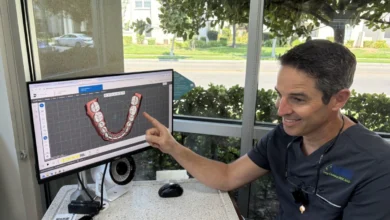
- 3D Digital Scans: Intraoral scanners create highly accurate, three-dimensional digital models of the teeth and gums. These scans allow for precise measurements, virtual treatment planning, and simulation of potential outcomes. They have largely replaced traditional physical impressions for their accuracy and patient comfort.
- Photographs: A series of facial and intraoral photographs are taken to document the initial condition, track progress throughout treatment, and aid in communication with the patient.
- Bite Registration: Records detailing how the upper and lower teeth meet.
- Differential Diagnosis and Treatment Planning: Based on the gathered information, the orthodontist can accurately diagnose the cause(s) of the diastema. This critical step enables the development of an individualized treatment plan that addresses not only the visible gaps but also any underlying functional or health issues.
Chronology of Spacing: From Childhood Development to Adult Concerns
The presentation and significance of teeth spacing can vary significantly with age and developmental stage.
- Childhood (Primary and Mixed Dentition):
- Normal Developmental Spacing: In very young children with primary (baby) teeth, small gaps, often referred to as "primate spaces," are common and even beneficial. These spaces accommodate the larger permanent teeth that will eventually erupt.
- Monitoring: Orthodontists often recommend an initial check-up for children around age seven. At this stage, while some spacing is normal as baby teeth fall out and permanent teeth begin to emerge, persistent or unusually large gaps, especially those associated with a prominent frenum or harmful habits, should be monitored. Early intervention (Phase 1 orthodontics) might be considered for severe cases to guide jaw growth or address habits before they cause more significant problems.
- Adolescence (Permanent Dentition):
- As all permanent teeth erupt, persistent gaps become more indicative of an underlying issue. This is the most common age for comprehensive orthodontic treatment, as the jaws are still developing, making tooth movement more predictable. Gaps that were previously considered "normal" developmental spaces may now signify a need for intervention if they affect aesthetics, function, or oral health.
- Adulthood:
- Spacing in adults can be a long-standing issue that was never treated, or it can be a new development. New or widening gaps in adulthood are particularly important to evaluate promptly, as they can be red flags for underlying issues such as active periodontal disease, tooth migration due to bite changes, or even underlying systemic conditions. Adult treatment considerations often include aesthetic preferences, existing dental restorations (crowns, fillings), and overall bone density. The biological process of tooth movement remains similar, but treatment duration or specific approaches might be adjusted.
Advanced Therapeutic Options for Diastema Closure
Modern orthodontics offers a sophisticated array of treatment options to effectively close gaps and achieve a healthy, aligned smile. The choice of treatment is highly personalized, depending on the cause, size, and location of the gaps, the patient’s age, and the presence of any other alignment issues.
-
Orthodontic Solutions:
- Traditional Braces (Metal, Ceramic, Lingual): Braces remain a highly effective and versatile solution for closing gaps, particularly when spacing occurs alongside crowding, significant bite problems, or more complex alignment concerns. They work by gradually applying continuous, controlled forces to move teeth into their ideal positions.
- Mechanism: Brackets are bonded to the tooth surface, and an archwire is threaded through them. Regular adjustments by the orthodontist activate the wire, gently guiding the teeth.
- Effectiveness: Braces are capable of addressing a wide range of orthodontic issues, including complex diastemas.
- Process: Requires regular appointments for adjustments, with typical treatment durations ranging from 18 to 30 months, depending on severity.
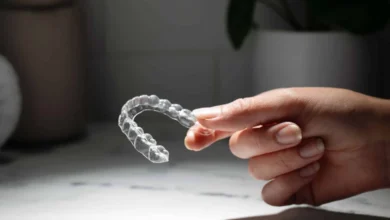
- Clear Aligners (e.g., Invisalign): Clear aligners have revolutionized orthodontic treatment, offering an aesthetic and often more comfortable alternative for many patients.
- Mechanism: A series of custom-made, removable, transparent plastic trays are worn sequentially. Each aligner gradually shifts the teeth closer to the desired position.
- Suitability: Clear aligners are an excellent option for mild to moderate spacing, gradually moving teeth into proper alignment to close gaps and create a more balanced, healthy smile. Advancements in aligner technology have expanded their capabilities to address more complex cases.
- Process: Patients typically change aligners every 1-2 weeks, wearing them for 20-22 hours per day. Treatment duration can vary, often comparable to or slightly shorter than braces for similar cases. Success is highly dependent on patient compliance.
- Retention Phase: Irrespective of the chosen orthodontic method, the retention phase is absolutely critical for maintaining the results and preventing gaps from reopening. Orthodontic professionals consistently highlight the critical role of retainers, citing studies that show up to 70% of orthodontic cases can experience some degree of relapse without proper retention.
- Types: Retainers can be removable (e.g., Hawley retainers, Essix retainers) or fixed (a thin wire bonded to the back of the front teeth). Patients are typically advised to wear retainers indefinitely, especially for spacing issues that are more prone to relapse, to ensure long-term stability.
- Traditional Braces (Metal, Ceramic, Lingual): Braces remain a highly effective and versatile solution for closing gaps, particularly when spacing occurs alongside crowding, significant bite problems, or more complex alignment concerns. They work by gradually applying continuous, controlled forces to move teeth into their ideal positions.
-
Adjunctive Dental Treatments: In some instances, orthodontic care may be combined with other dental treatments to achieve optimal functional and aesthetic outcomes.
- Cosmetic Bonding (Composite Resin): For small gaps or minor discrepancies, composite resin, a tooth-colored material, can be directly applied to the tooth surface and sculpted to widen the teeth and close the space. This is a minimally invasive, cost-effective, and often immediate solution. However, it may be less durable and more prone to staining than other options.
- Dental Veneers (Porcelain or Composite): Veneers are custom-made, thin shells of porcelain or composite material that are bonded to the front surface of teeth. They can effectively close larger gaps, reshape teeth, and improve overall smile aesthetics. Porcelain veneers offer superior durability and stain resistance but typically require some irreversible reduction of the natural tooth structure.
- Crowns: In cases of significant tooth damage, severe structural issues, or very large gaps where veneers are not suitable, dental crowns (caps) may be used to restore the tooth’s form and close spaces.
- Frenectomy: If an oversized labial frenum is identified as the cause of a midline diastema, a frenectomy (surgical removal or reduction of the frenum) is often performed. This procedure, which can be done with a scalpel or laser, is typically carried out before or during orthodontic treatment to allow the teeth to move together and prevent future relapse.
- Dental Implants or Bridges: If gaps are a result of missing teeth, dental implants (artificial tooth roots topped with crowns) or dental bridges can be used to replace the missing teeth, thereby closing the spaces and restoring function.
- Gum Disease Treatment: If periodontal disease is contributing to tooth migration and spacing, it must be thoroughly addressed and managed by a periodontist before or concurrently with orthodontic treatment to stabilize the supporting structures of the teeth.
The Role of Professional Organizations and Patient Empowerment
Organizations like the American Association of Orthodontists (AAO) play a vital role in advancing orthodontic science, setting professional standards, and educating the public. They advocate for early orthodontic evaluations, recommending that children see an orthodontist by age seven, to identify potential issues like spacing and guide jaw development.
For patients, empowerment comes from informed decision-making. It is crucial to engage in open discussions with an AAO-certified orthodontist, understanding all available options, their benefits, risks, and expected outcomes. A holistic approach that considers overall oral health, functional needs, and aesthetic desires will lead to the most satisfactory and long-lasting results.
Conclusion
Teeth spacing, or diastema, is a common orthodontic concern with varied origins and impacts. While some gaps are purely cosmetic, many have underlying causes that can affect oral health, bite function, and psychological well-being. Modern orthodontic and dental advancements offer a comprehensive range of effective treatments, from traditional braces and clear aligners to cosmetic bonding and surgical interventions. The key to successful management lies in a thorough diagnostic evaluation by a qualified orthodontist to identify the precise cause of the spacing. By addressing these gaps, individuals can not only achieve a more aesthetically pleasing smile but also improve their long-term oral health and quality of life. If concerns about gaps in your or your child’s teeth arise, scheduling an orthodontic evaluation with an AAO orthodontist is the definitive first step toward a healthier, more confident smile. Find an AAO orthodontist near you and schedule your consultation today.
Related posts: