A Comprehensive Guide to Ceramic Braces: Modern Orthodontic Options for a Discreet Smile


Orthodontic care has evolved significantly over the past several decades, shifting from purely functional, highly visible metal interventions to sophisticated, aesthetically integrated treatment plans tailored to the modern consumer. Among the most popular developments in contemporary orthodontics is the advent of ceramic braces. Designed to bridge the gap between the structural reliability of traditional fixed metal braces and the discreet appearance of removable clear aligners, ceramic brackets offer patients a compelling alternative. However, choosing the right orthodontic appliance requires a careful evaluation of clinical efficacy, lifestyle compatibility, financial investment, and individual dental architecture.
The Main Facts of Ceramic Orthodontics
At their core, ceramic braces function on the exact same biomechanical principles as traditional stainless-steel braces. Both systems utilize a combination of brackets bonded directly to the teeth and an archwire threaded through these fixtures to apply continuous, gentle pressure. This regulated force gradually guides teeth into improved alignment and corrects bite anomalies over a predetermined treatment timeline.
The defining distinction lies in the material composition and visual profile of the brackets. Traditional braces feature metallic components that, while exceptionally durable, are immediately noticeable when a patient speaks, laughs, or smiles. Conversely, ceramic braces substitute these metallic fixtures with clear or tooth-colored ceramic brackets. To maximize aesthetic discretion, orthodontists may also pair these brackets with frosted or tooth-colored archwires and clear elastic ligatures.
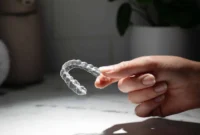
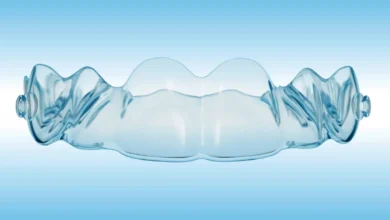
Despite sharing visual similarities with clear aligners—such as the Invisalign system—ceramic braces are fundamentally different appliances. Clear aligners consist of removable, transparent plastic trays. Ceramic braces are fixed appliances; once secured to the teeth by an orthodontic specialist, they remain in place continuously until the active phase of treatment concludes. This structural permanence ensures uninterrupted force application, removing the compliance variable often associated with removable trays.
Background Context and Evolution of Orthodontic Materials
The demand for discreet orthodontic treatments accelerated dramatically during the late 20th and early 21st centuries. Historically, braces were viewed primarily as a rite of passage for adolescents, leading many adults with malocclusions or aesthetic concerns to forgo necessary dental corrections. The introduction of ceramic brackets in the 1980s, followed by continuous metallurgical and chemical refinements, transformed adult orthodontics.
Early iterations of ceramic brackets were prone to fracturing, staining, and difficulty during debonding—the process of removing the brackets at the end of treatment. Modern advancements in polycrystalline and monocrystalline alumina ceramics have largely resolved these historical limitations. Today’s ceramic brackets exhibit high fracture resistance, superior color stability against staining agents like coffee, tea, and tobacco, and advanced adhesive bases that protect the underlying enamel while ensuring secure fixture throughout the treatment lifecycle.
Comparative Analysis: Ceramic Braces vs. Metal Braces
When patients sit down for an initial orthodontic consultation, the comparison between ceramic and traditional metal brackets is frequently central to the discussion. Both modalities deliver exceptional clinical outcomes, but they cater to different patient priorities.
Appearance and Social Comfort
The primary driver for choosing ceramic brackets is aesthetic discretion. For working professionals, public-facing employees, older teens, and adults who feel self-conscious about the distinct appearance of a "metal mouth," ceramic options provide a subtle profile. They allow patients to pursue necessary structural dental realignment without drawing undue attention to their orthodontic hardware.
Durability and Maintenance
While modern manufacturing has closed the durability gap, stainless steel remains the gold standard for sheer strength. Metal brackets can withstand high impact and extreme mechanical stress without fracturing, making them an optimal choice for severe malocclusions or patients involved in contact sports. Ceramic brackets, while highly effective, are inherently more brittle. They require increased patient mindfulness regarding dietary restrictions—such as avoiding hard, sticky, or crunchy foods—and meticulous oral hygiene practices to prevent plaque accumulation around the clear components.
Comfort and Biomechanical Efficiency
Both systems utilize similar mechanisms to move teeth. While minor differences in bracket profiling can influence initial soft-tissue adaptation inside the lips and cheeks, both ceramic and metal braces generally entail a brief adjustment period characterized by mild soreness following placement or routine wire adjustments. Orthodontists can readily manage these symptoms with standard palliative care, such as orthodontic wax and mild analgesics.
Ceramic Braces Versus Clear Aligners
For individuals prioritizing discretion, the decision often comes down to ceramic braces versus clear aligners. While both solutions minimize visibility compared to metal braces, they operate under entirely different operational frameworks.
Visibility and Structure
Clear aligners offer near-invisibility, as they consist of transparent plastic overlays custom-molded to the dental arches. Ceramic braces are still visible upon close inspection due to the presence of the archwire and brackets, though they blend significantly better than metal alternatives.
Removability and Patient Compliance
The most significant operational difference is patient agency. Clear aligners are removable; patients must take them out during meals, snacking, and oral hygiene routines. This requires disciplined compliance, as aligners must be worn for 20 to 22 hours per day to maintain projected progress. Ceramic braces, being fixed appliances, eliminate this responsibility. Because the patient cannot remove them, treatment proceeds continuously without reliance on daily adherence habits.
Clinical Control and Complexity
Fixed ceramic appliances offer the orthodontist precise three-dimensional control over complex tooth movements, severe crowding, significant rotations, and vertical bite corrections. While clear aligners have advanced considerably in handling complex cases, fixed appliances remain the preferred modality for specific intricate structural realignments.
Financial Considerations and Cost Implications
The financial investment required for orthodontic treatment is a vital consideration for patients and families. The total cost of ceramic braces varies based on several distinct variables:
- The clinical complexity and severity of the malocclusion
- The estimated duration of the treatment plan
- Geographic location and regional cost of living
- Individual dental insurance policy coverages and lifetime orthodontic maximums
- The specific pricing structure of the chosen orthodontic practice
In many regional markets, ceramic braces command a slightly higher price point than traditional metal braces. This variance is attributable to the advanced manufacturing costs associated with high-grade ceramic materials and specialized components. However, many orthodontic practices offer flexible monthly payment plans, interest-free financing options, and family discounts to help offset these expenses. Patients are strongly advised to request a comprehensive breakdown during their initial consultation to understand what is included in the global fee—such as diagnostic records, emergency visits, and post-treatment retainers.
Clinical Evaluation and the Decision-Making Process
Orthodontic intervention is not a one-size-fits-all medical procedure. An appliance that proves ideal for one patient may be entirely contraindicated for another. Factors such as periodontal health, root structure, skeletal jaw relationships, and personal lifestyle habits dictate the ultimate treatment recommendation.
During an initial evaluation, an orthodontist conducts a thorough examination involving digital imaging, panoramic or cephalometric x-rays, and physical impressions or 3D scans of the teeth and bite. Based on these diagnostic indicators, the specialist outlines the available clinical pathways, detailing the anticipated pros and cons of ceramic brackets, metal braces, and clear aligners.
To facilitate a productive discussion during a consultation, patients should consider asking their orthodontist specific, targeted questions:
- Am I a strong clinical candidate for ceramic braces based on the complexity of my bite?
- How do the estimated treatment times compare between ceramic braces and alternative options in my specific case?
- What specific dietary restrictions or maintenance protocols must I follow with ceramic brackets?
- Are ceramic brackets more prone to staining from food, beverages, or lifestyle habits, and how can that be minimized?
- How does the total cost of ceramic braces compare to metal braces and clear aligners under your practice’s fee structure?
- Does my insurance policy cover ceramic braces, or is there an out-of-pocket upgrade fee?
Broader Impact and Implications of Modern Orthodontics
The availability of advanced aesthetic appliances like ceramic braces reflects a broader cultural and medical shift toward patient-centered healthcare. By removing the psychological and social barriers traditionally associated with adolescent orthodontic gear, these innovations have empowered millions of adults to seek necessary dental care later in life.
Correcting malocclusions, overbites, underbites, and crowded teeth extends far beyond cosmetic enhancement. Properly aligned teeth are significantly easier to clean, reducing the long-term risk of periodontal disease, tooth decay, premature enamel wear, and temporomandibular joint (TMJ) disorders. By blending clinical efficacy with aesthetic flexibility, ceramic braces continue to play an essential role in modern oral health management, ensuring that patients no longer have to choose between functional dental health and personal confidence.