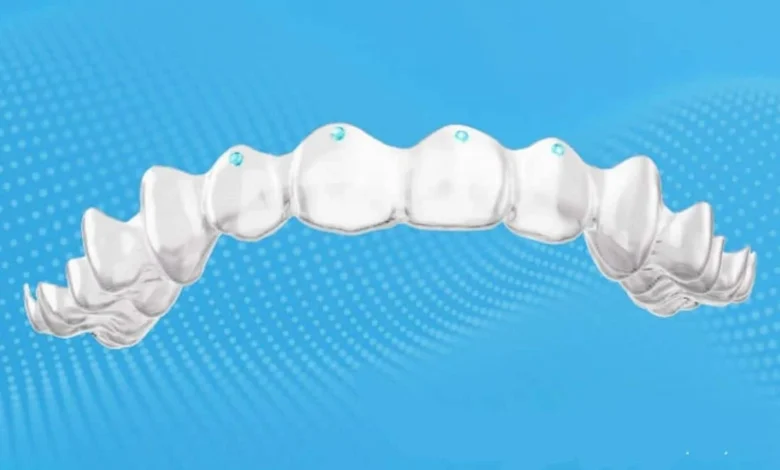
The core of the dispute centers on patent claims held by Align Technology Inc., the manufacturer of Invisalign, regarding specific methods for tooth movement and repositioning. The UPC, a specialized patent court serving participating European Union member states, determined that the design of the Torque Ridges feature infringed upon these intellectual property rights. This ruling is a significant development in the ongoing legal and commercial competition between the two orthodontic giants, who have spent years vying for market share in the lucrative clear aligner segment.
A Strategic Transition in European Markets
The legal landscape surrounding orthodontic technology has become increasingly complex as companies strive to differentiate their offerings. For Angelalign, the transition away from the disputed feature was part of a broader, long-term technological evolution. According to company reports, the Torque Ridges feature was removed from the European market in September 2026.
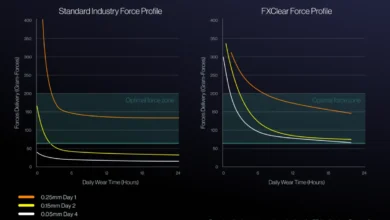
In its place, the company introduced "Pressure Points," an upgraded feature specifically engineered to enhance torque control—a critical component in achieving precise root movement during orthodontic treatment. This new iteration was developed to align with the company’s focus on biomechanical efficiency. By replacing the older technology, Angelalign effectively mitigated the risk of a market disruption, ensuring that orthodontists currently utilizing the system would not face a sudden loss of functionality or the need to halt ongoing patient treatment plans.
Xavier Cherbavaz, General Manager and Vice President for Europe, Africa, and the Middle East at Angelalign, emphasized the company’s dedication to clinical continuity. "Our priority is to ensure that orthodontists can continue delivering excellent care to their patients," Cherbavaz stated in an official release. He further clarified that the Pressure Points technology was specifically designed to support the controlled force application and optimal tooth contact required for modern orthodontic care, effectively rendering the discontinued feature obsolete in their current clinical portfolio.
Legal Context and Global Implications
The reach of the Paris Local Division of the UPC is significant within the European patent ecosystem, but its scope is not universal. The ruling does not impact Angelalign’s operations in countries outside the Unified Patent Court’s jurisdiction, including key markets such as the United Kingdom, Spain, and the broader regions of the Americas and Asia. This geographic limitation serves as a crucial buffer for the company, allowing it to maintain its current product architecture in the vast majority of its global markets without intervention.
Despite the limited geographical application of the ruling, Angelalign has taken a transparent approach to regulatory compliance. The company confirmed that it would adhere to the court’s requirements, which include the procedural return of any products containing the legacy Torque Ridges feature that may still be in the distribution pipeline. Richard Hirschland, Chief Commercial Officer and Senior Vice President at Angelalign, addressed the company’s stance on the litigation. "Angel takes intellectual property rights seriously and is careful not to infringe on valid patents," Hirschland noted. He added that while the company respectfully disagrees with the court’s reasoning, it is currently in the process of a thorough review to determine its next steps, which could include appeals or further refinements to its legal and technical strategies.
The Evolution of Clear Aligner Technology
The current litigation highlights a broader trend within the medical device industry: the intense race to patent biomechanical improvements in aligner therapy. As clear aligners shift from simple aesthetic solutions to comprehensive orthodontic tools capable of correcting complex malocclusions, the "torque" or "root movement" capabilities of these devices have become a major focal point for R&D departments.
Torque, in orthodontic terms, refers to the movement of the root of the tooth relative to the crown. Achieving this movement requires precise force application, a challenge that companies have approached through various material sciences and mechanical design strategies. The legal friction between Angelalign and Align Technology is indicative of the high stakes involved; as more patients opt for clear aligners over traditional metallic braces, the intellectual property governing the "mechanics" of these movements becomes the company’s most valuable asset.
Industry analysts suggest that this ruling is unlikely to dampen the momentum of clear aligner adoption in Europe. The orthodontic community has shown a high degree of adaptability, often shifting between proprietary systems as new clinical research emerges. Furthermore, the rapid transition to the "Pressure Points" system demonstrates that major players in the industry are prepared for such legal hurdles, maintaining redundant technology pipelines to ensure that clinicians are never left without the tools necessary for patient care.
Timeline of Key Developments
- Pre-September 2026: Angelalign Technology Inc. utilizes Torque Ridges as a key feature in its clear aligner systems across several markets.
- September 2026: As part of a global product refresh, the company officially replaces the Torque Ridges feature with the new Pressure Points technology in the European market.
- Late 2026/Early 2027: The Paris Local Division of the Unified Patent Court hears arguments regarding the patent infringement claims brought by Align Technology Inc.
- Recent Ruling: The court issues a decision finding that the legacy Torque Ridges feature infringed upon specific patents held by Align Technology.
- Post-Ruling: Angelalign confirms it is complying with the ruling, reaffirming that its current European portfolio—centered on the Pressure Points feature—remains unaffected and fully available to its network of providers.
Clinical Impact and Future Outlook
For the thousands of orthodontists and dental professionals who rely on Angelalign’s platform, the primary concern remains the clinical outcome for their patients. The company has moved to provide comprehensive technical and clinical support to ensure that the transition to the newer Pressure Points technology is seamless. Clinical studies and white papers provided by the company suggest that the new system meets, if not exceeds, the performance metrics of the previous design, particularly regarding the predictability of tooth movement.
The implications for the broader market are twofold. First, the ruling reinforces the importance of robust IP protection for medical device manufacturers. It sends a clear message that courts are increasingly willing to scrutinize the mechanics behind cosmetic and functional dental devices. Second, the case demonstrates the resilience of companies that maintain an active innovation cycle. By proactively phasing out the disputed technology, Angelalign effectively immunized its current business operations against the most severe potential consequences of the litigation.
As the market for clear aligners continues to expand, driven by a growing adult demographic seeking discreet orthodontic solutions, the competition is expected to intensify. Analysts expect to see continued legal activity as both established leaders and emerging challengers seek to carve out niches in the biomechanical design of aligners. However, for now, the status quo for providers in Europe remains stable. Angelalign’s ability to pivot its product offering while maintaining service levels serves as a case study in corporate risk management within the specialized medical device sector.
In conclusion, while the Paris Local Division’s ruling against Angelalign Technology Inc. marks a notable win for the plaintiff, the practical reality is a testament to the pace of innovation in the dental field. The proactive retirement of the Torque Ridges feature and the subsequent rollout of the Pressure Points system have ensured that the impact on patients is negligible. As Angelalign continues to evaluate its legal options and refine its global product strategy, its providers can remain confident in the availability and efficacy of their treatment options. The company’s commitment to continued innovation, despite the ongoing litigation, suggests that it remains firmly focused on its long-term objective: to provide clinicians with the most advanced tools available to transform smiles and improve oral health outcomes globally.