September 2026 IAPD Global News: Bridging Disciplines and Advancing Pediatric Dental Standards

The International Association of Paediatric Dentistry (IAPD) is setting a transformative agenda for the final quarter of 2026, centering its efforts on the convergence of specialized dental disciplines, global advocacy for child health, and the establishment of rigorous clinical standards. As the organization prepares for its 4th Global Summit in Barcelona this November, it continues to influence the international dental community through symposiums, clinical fellowship programs, and evidence-based consensus recommendations that aim to standardize care for pediatric patients across diverse healthcare systems.

The 4th IAPD Global Summit: Integrating Pediatric Dentistry and Orthodontics
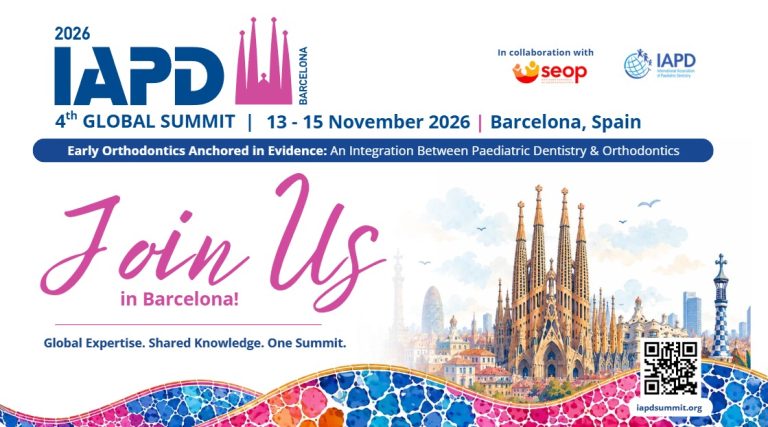
The upcoming 4th IAPD Global Summit, scheduled for 13–15 November 2026, at the Barceló Sants Hotel in Barcelona, represents a strategic pivot in the association’s educational mission. Titled "Early Orthodontics Anchored in Evidence: An Integration Between Paediatric Dentistry & Orthodontics," the event seeks to dissolve the traditional silos that have historically separated general pediatric dentistry from specialized orthodontic intervention.
The program is designed as a three-day intensive curriculum addressing the most pressing clinical dilemmas facing modern practitioners. By focusing on the biological foundations of craniofacial growth, the summit will provide a comprehensive examination of sagittal, transverse, and vertical malocclusions. Furthermore, the agenda includes critical modules on dental trauma management, space maintenance strategies, and the evolving role of myofunctional therapy and frenectomies in early childhood development.

The choice of Barcelona as the host city is symbolic of the IAPD’s commitment to fostering a collaborative environment. Organizers have curated the schedule to balance rigorous scientific inquiry with opportunities for interdisciplinary networking, recognizing that the most effective advancements in child oral health often occur during informal professional exchanges. For those unable to attend in person, the association has introduced a hybrid participation model, ensuring that the evidence-based practices discussed in Spain reach a global audience of clinicians and researchers.
Elevating Clinical Standards: The 2027 Fellowship Examination
A cornerstone of the IAPD’s mission to elevate the standard of care is its Fellowship program. Applications are currently being accepted for the 2027 IAPD Fellowship Examination, a rigorous assessment designed for practitioners who have demonstrated a long-term commitment to the oral health of children. The Fellowship, which confers the FIAPD designation, is more than a professional credential; it acts as a global benchmark for excellence, requiring participants to demonstrate an advanced understanding of current pediatric dental literature, diagnostic precision, and patient-centered treatment planning.
The deadline for application is 26 March 2027, followed by an online examination on 20 April 2027. This initiative serves as a filter for professional quality, ensuring that dentists operating within the IAPD network maintain the highest levels of proficiency. Candidates who succeed in this process join an elite international cohort tasked with disseminating evidence-based research and mentoring the next generation of pediatric dental professionals.
Addressing Dental Erosion: A Consensus-Based Approach
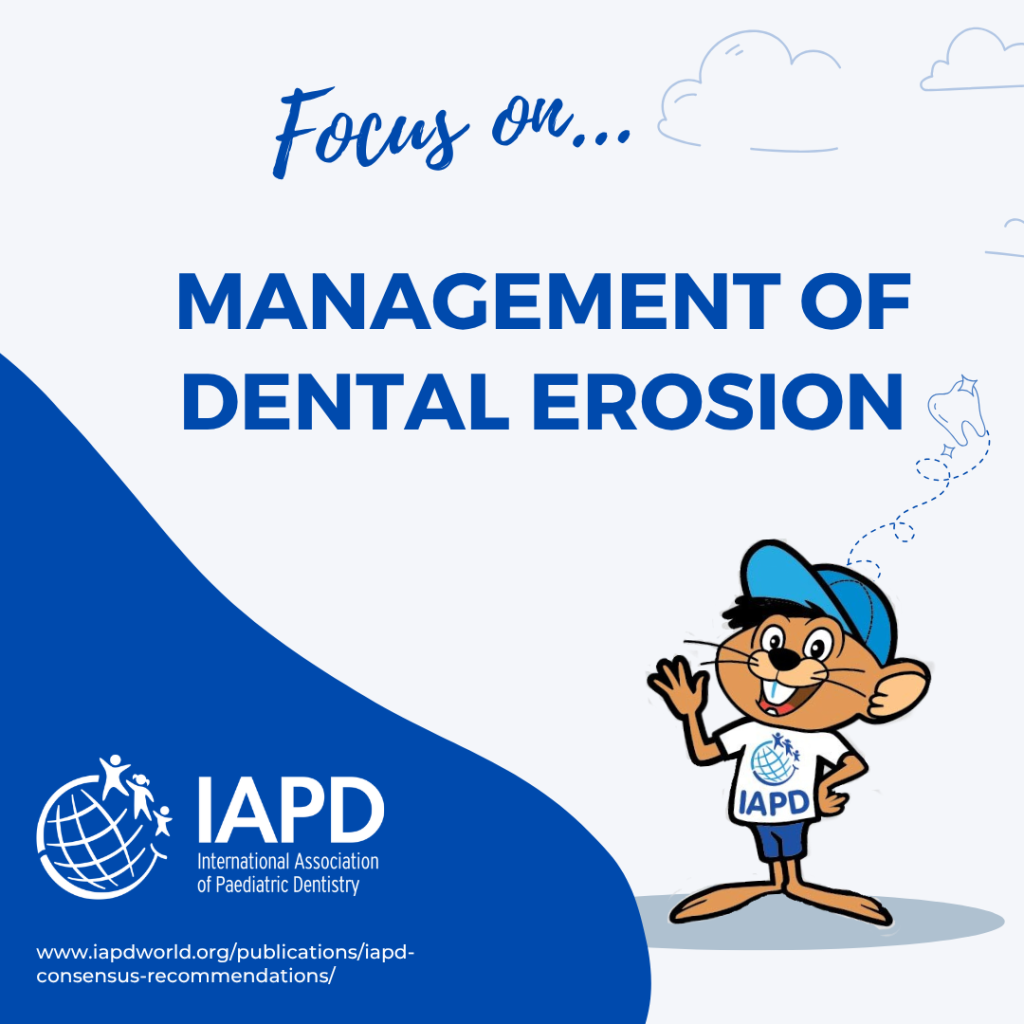
In its ongoing efforts to provide actionable guidance to practitioners, the IAPD has spotlighted its formal Consensus Recommendation on the Management of Dental Erosion. This document addresses a significant public health issue: the irreversible loss of tooth structure in children due to non-bacterial acidic exposure.

Clinical data suggests that the prevalence of dental erosion is increasing, driven by dietary changes and an uptick in gastro-oesophageal reflux disease (GERD). The IAPD recommendation emphasizes that primary teeth are uniquely susceptible to damage due to their reduced enamel thickness and lower mineralization density compared to permanent teeth. By distinguishing between intrinsic acid sources—such as chronic vomiting or reflux—and extrinsic sources—such as high-acidity beverages and snacks—the IAPD provides a framework for early diagnosis. This shift from reactive treatment to proactive, prevention-focused care is central to the association’s clinical strategy.
International Advocacy: Prague and the Eastern Pediatric Congress
The IAPD’s reach extends beyond its own summits, as evidenced by its recent high-profile engagement at the FDI World Dental Congress in Prague on 4 September 2026. During this event, the IAPD hosted a dedicated symposium that effectively integrated pediatric dentistry into the broader dental discourse.
Prof. Dr. Figen Seymen, IAPD Immediate Past President, led the delegation, emphasizing the shift toward "minimal intervention" dentistry. This concept advocates for the preservation of healthy tooth structure, prioritizing preventive care over invasive procedures. The symposium featured clinical insights into pain management, which research indicates is a significant factor in a child’s long-term psychological relationship with dental care. Additionally, the presentation on the use of prefabricated crowns provided attendees with practical, evidence-based alternatives for restorative work in pediatric patients.
Building on this momentum, the IAPD also participated in the 6th Eastern Pediatric Congress in Diyarbakır, Türkiye. In a notable joint session between family medicine and pediatric dentistry, the dialogue centered on the necessity of a multidisciplinary approach to child health. The core message delivered by Prof. Seymen was clear: oral health is not a discrete medical field but is inextricably linked to systemic pediatric health. By fostering partnerships with non-dental medical practitioners, the IAPD aims to integrate oral screenings into routine well-child checkups, thereby increasing the early detection of dental pathology.

Digital Innovation and Community Engagement: The Fluoriders Challenge
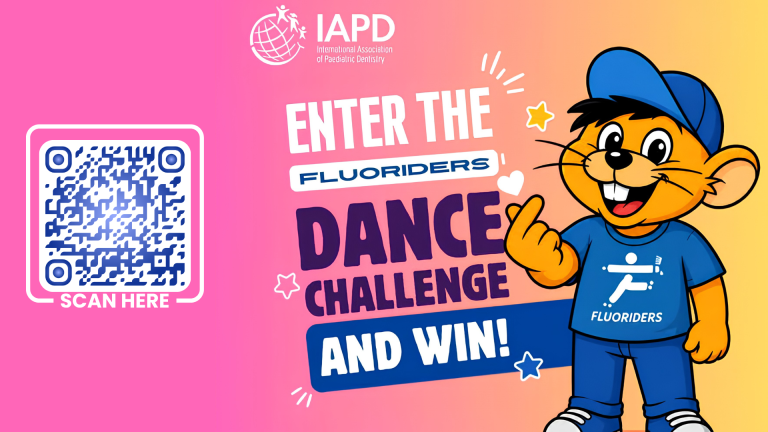
While the association maintains a focus on high-level scientific research, it also recognizes the necessity of public-facing initiatives to improve oral health outcomes. The "Fluoriders Dance Challenge," which runs through 29 October 2026, is a creative attempt to gamify the habit of brushing for the recommended two minutes.
By leveraging social media platforms under the hashtag #Fluoriders, the association is tapping into digital trends to influence behavioral change in children and families. This initiative underscores the importance of simple, accessible education in preventing long-term oral disease. The campaign, which will see winners announced on 30 October 2026, highlights the organization’s awareness that effective public health policy must be paired with community-level engagement to be truly successful.
Future Outlook and Membership Benefits
The IAPD continues to expand its digital infrastructure, including the Video Lecture Centre, which provides members with access to recorded proceedings from global events. This resource is becoming an essential component for practitioners operating in remote areas or those with limited access to international travel.
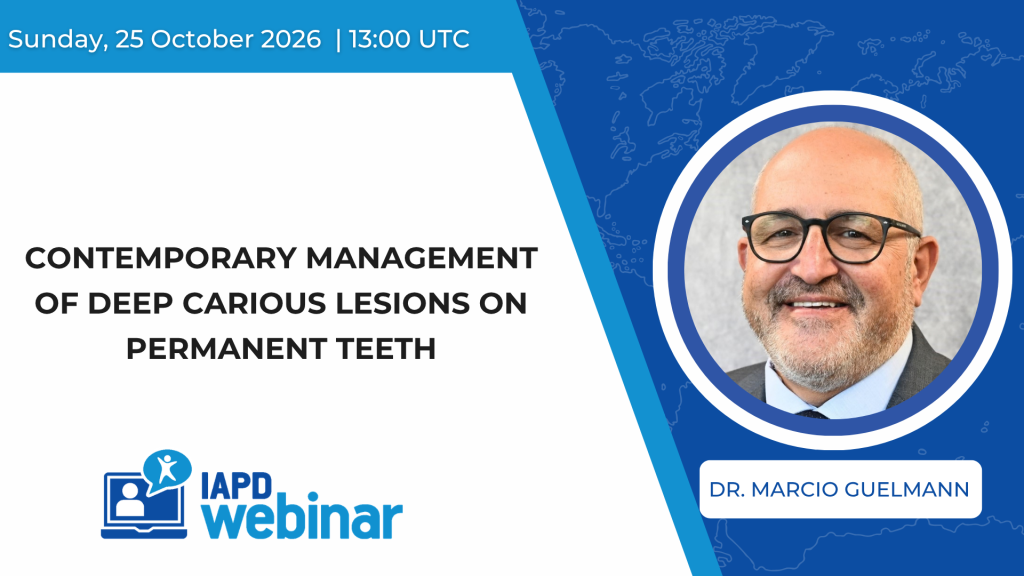
As the organization looks toward 2027, the focus remains on the "three-pillar" strategy: education, advocacy, and clinical standardization. Through its webinars—such as the upcoming 25 October session by Dr. Marcio Guelmann on the management of deep carious lesions—and its sustained presence at international forums, the IAPD is reinforcing its position as the primary authority on pediatric oral health.
For professionals and researchers involved in the field, the upcoming months serve as a critical period for professional development. Whether through participation in the Barcelona Summit, engagement with the new consensus recommendations on dental erosion, or pursuing the IAPD Fellowship, the association is providing the necessary tools to navigate the evolving challenges of modern pediatric dentistry. The goal remains consistent: ensuring that every child has access to evidence-based care, supported by a global network of professionals dedicated to the highest standards of the craft. As the IAPD continues to bridge the gap between clinical theory and daily practice, the impact of its initiatives is likely to be felt across dental clinics worldwide, ultimately resulting in better health outcomes for the youngest patients.