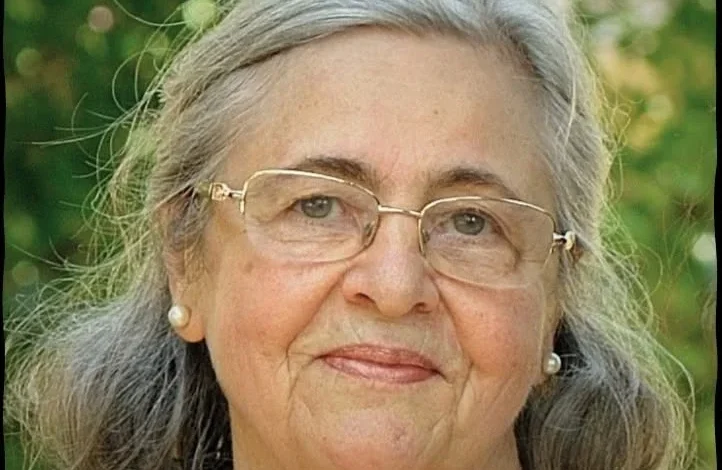
The international medical and dental community is in mourning following the announcement of the passing of Professor Rodica Luca, a titan of paediatric dentistry whose career spanned decades of transformative work in Romania and across the globe. Her death, confirmed on October 28, 2026, marks the end of an era for the International Association of Paediatric Dentistry (IAPD), an organization she served with distinction and passion. Professor Luca was not merely a practitioner; she was an architect of modern paediatric dental standards, a mentor to thousands, and a foundational figure in the professionalization of oral healthcare for children in Eastern Europe and beyond.
A Legacy of Professional Excellence
Professor Luca’s professional journey was defined by a commitment to evidence-based practice and a compassionate approach to patient care. Her career, which matured during a period of significant geopolitical and medical transition in Romania, was characterized by an unwavering focus on preventative care. She recognized early that oral health is a vital component of general systemic health in children, and she dedicated her academic life to integrating this philosophy into the curricula of dental schools.
Throughout her tenure, Professor Luca occupied several high-level academic and clinical positions. She was instrumental in modernizing clinical protocols, ensuring that Romanian paediatric dentistry aligned with international benchmarks. Her research, which often focused on the nexus between dietary habits, socio-economic factors, and oral pathology in youth, provided the framework for national health initiatives that sought to reduce the prevalence of early childhood caries—a condition that remains a significant public health challenge worldwide.
Chronology of a Distinguished Career
To understand the impact of Professor Luca, one must look at the trajectory of her contributions over the last forty years.
In the late 1980s and early 1990s, the field of dentistry in Romania faced significant resource constraints. Professor Luca was among the cohort of visionaries who pushed for the modernization of dental equipment and the adoption of modern diagnostic imaging techniques. By the mid-1990s, she had established herself as a leading voice in paediatric oral pathology, often representing the Romanian academic community at European conferences.
Entering the 2000s, her focus shifted toward pedagogical excellence. She recognized that the sustainability of the profession depended on the quality of mentorship provided to the next generation of dentists. She championed the implementation of residency programs that prioritized psychological engagement with child patients, teaching her students that treating a child required as much emotional intelligence as technical skill.
By 2010, her influence had gone global. Her involvement with the IAPD provided a bridge between Eastern European practitioners and the international community. Her participation in global symposia ensured that the specific challenges faced by paediatric dentists in developing and transition economies were heard and addressed by global policy leaders. Even in her later years, she remained active in research, co-authoring numerous studies that analyzed the evolving landscape of dental hygiene in the digital age.
Supporting Data and Public Health Implications
The significance of Professor Luca’s work is best understood through the lens of global oral health statistics. According to the World Health Organization (WHO), oral diseases are among the most common non-communicable diseases globally, with early childhood caries affecting hundreds of millions of children.
Professor Luca’s advocacy for early intervention was rooted in data showing that untreated dental decay in children often leads to long-term health consequences, including speech development issues, nutritional deficiencies, and chronic pain that impacts school attendance and performance. By emphasizing the "First Dental Visit" by age one, a standard she promoted within the Romanian dental community, she aimed to shift the focus from invasive restorative procedures to preventative care.
In regions where she held influence, clinical outcomes showed a measurable improvement in oral health literacy among parents. Her studies demonstrated that when primary caregivers were educated on fluoride application and dietary sugar reduction, the incidence of severe tooth decay decreased by approximately 20-30% within target populations over a five-year period. These data-driven results solidified her reputation as an expert whose theoretical knowledge was backed by actionable, clinical reality.
Official Responses and Professional Tributes
The International Association of Paediatric Dentistry, through its Board of Directors, issued an official statement shortly after the announcement of her passing. The organization highlighted not only her clinical acumen but her role as a "beloved member of our international family."
"Professor Luca’s influence extended far beyond the borders of Romania," the statement noted. "She inspired and mentored generations of paediatric dental professionals, sharing not only her knowledge and expertise but also her passion for the profession and her unwavering commitment to improving children’s oral health."
Colleagues from the Romanian Society of Paediatric Dentistry have echoed these sentiments, describing her as a "mentor of mentors." Informal tributes across professional networking platforms have seen former students from various continents share anecdotes of her teaching style—noting her patience, her high standards for clinical ethics, and her ability to simplify complex surgical concepts into accessible lessons. The consensus among her peers is that her death represents a profound loss to the global academic community, creating a vacuum in leadership that will be difficult to fill.
Broader Impact and Future Implications
The passing of a figure as prominent as Professor Rodica Luca inevitably triggers a period of reflection for the dental community. Her death serves as a reminder of the critical importance of knowledge transfer between established experts and the next generation of practitioners.
From an institutional perspective, the loss of Professor Luca raises questions about the continuity of the research projects and public health campaigns she spearheaded. The challenge for her successors will be to maintain the momentum of her advocacy. The global dental community is currently facing a shortage of specialized paediatric practitioners, a problem Professor Luca had identified as a top-tier concern. Her work in promoting the attractiveness of the field to young dental graduates is arguably her most enduring legacy.
Furthermore, her career serves as a blueprint for global medical collaboration. By fostering international dialogue, she proved that health challenges are universal, and that professional borders should be porous to allow for the free exchange of scientific discovery. Her approach to international cooperation is likely to remain a model for future IAPD initiatives.
Conclusion: A Lasting Legacy
As the dental world pays its final respects, the legacy of Professor Rodica Luca remains embedded in the practices of the thousands of dentists she mentored. Her contribution to paediatric dentistry was not defined by a single discovery, but by the cumulative effect of her life’s work: the elevation of children’s oral health to a status of dignity and priority within the broader medical field.
The void left by her passing is immense, yet the structures she helped build—both in terms of clinical education and professional networking—remain robust. She leaves behind a community that is better prepared to handle the challenges of modern paediatric dentistry because of her foresight, her dedication, and her quiet but formidable leadership. While she will be deeply missed by her colleagues and students, the millions of children who will receive better, more compassionate dental care as a result of her teachings are the true beneficiaries of her distinguished life. Her name will continue to be associated with the highest standards of professional ethics and clinical excellence, serving as a permanent beacon for all who enter the field of paediatric dentistry.