The company is awaiting final certification to expand its European manufacturing and distribution partnerships for its dental materials.

Graphy Inc., a pioneer in dental 3D printing technology, has reached a critical juncture in its international expansion strategy, successfully navigating the final conformity assessment review for five of its flagship dental materials under the European Union’s Medical Device Regulation (EU MDR). This milestone marks a significant regulatory achievement for the company, positioning it to scale its footprint across the European market, which remains one of the most stringent and lucrative landscapes for dental innovation globally. As the company awaits the formal issuance of these certificates, the industry is closely watching how this move will influence the competitive dynamics of the digital dentistry sector.
The Regulatory Landscape and the EU MDR Hurdle
The EU MDR, which replaced the older Medical Device Directive (MDD), represents a profound shift in the regulatory oversight of medical products within the European Economic Area. Introduced to enhance patient safety and transparency, the regulation mandates rigorous clinical evaluations, comprehensive technical documentation, and sustained post-market surveillance. For companies specializing in dental 3D printing materials, the transition to EU MDR compliance is a high-stakes endeavor that requires substantial investment in research, development, and administrative infrastructure.
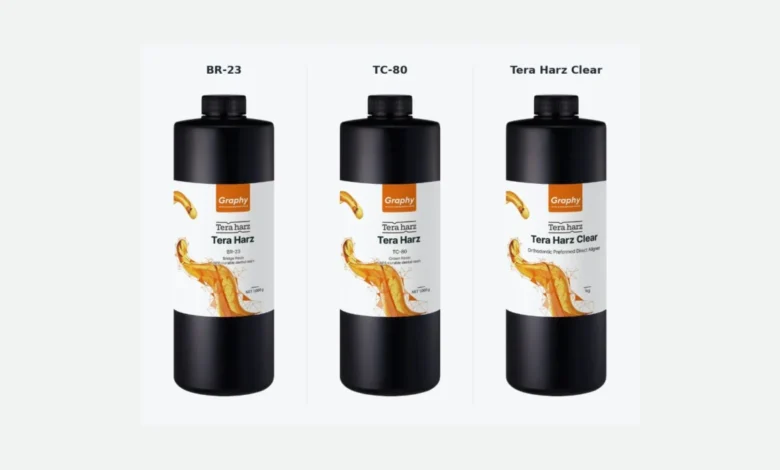
Graphy’s ability to clear the final assessment for five of its core products—the TeraHarz Clear series (TC-85DAC, TA-28, and TR-07) and the TeraHarz series (TC-80DC and BR-23)—is a testament to the robustness of its quality management systems. These materials are foundational to the company’s vision of digital dentistry, where precise, biocompatible, and durable materials are essential for everything from restorative crowns to orthodontic aligners. By meeting these standards, Graphy is effectively de-risking its market entry and signaling to potential European partners that its technology complies with the highest safety benchmarks currently mandated by European health authorities.
Chronology of Global Regulatory Milestones
Graphy’s journey to the European market did not occur in a vacuum; it is part of a deliberate, multi-year strategy to secure global compliance. The chronology of these regulatory approvals highlights a pattern of disciplined expansion:
- Initial R&D Phase: Graphy focused on developing proprietary shape-memory polymers, specifically designed for dental applications, which allowed for the creation of aligners capable of exerting sustained, gentle forces on teeth.
- US Market Entry: The company achieved a significant breakthrough by securing US FDA 510(k) clearance, a vital step that allowed for the legal marketing of its dental materials within the United States. This clearance established a precedent for the company’s material safety profile.
- South American Expansion: Following its success in the US, the company secured registration with Brazil’s National Health Surveillance Agency (ANVISA). This move opened the door to the Latin American market, further diversifying the company’s geographic reach and operational experience.
- EU MDR Submission: Recognizing the tightening regulations in Europe, Graphy initiated the complex process of EU MDR certification, which involved comprehensive audits of its manufacturing facilities and clinical data.
- Current Status: With the completion of the conformity assessment, the company is now in the final "waiting room" phase, anticipating the official delivery of certificates that will unlock the European market for its full range of TeraHarz materials.
Analysis of the TeraHarz Technology Portfolio
The five materials currently awaiting certification serve distinct roles in the dental ecosystem. The TeraHarz Clear series, in particular, has garnered attention for its aesthetic properties and structural integrity. Unlike traditional dental materials, which may suffer from degradation or discoloration over time, the TeraHarz series utilizes advanced photopolymer chemistry to maintain shape memory and structural stability.
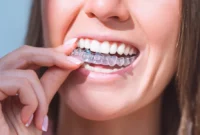
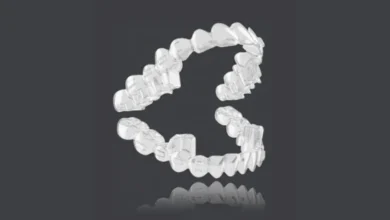
From a technical standpoint, the materials are designed to be "direct-printed," meaning they do not require the time-consuming intermediate steps of traditional mold-making or thermoforming. This efficiency is critical for dental laboratories looking to optimize their workflow. By utilizing these materials, practitioners can produce clear aligners that are not only thinner and more comfortable for the patient but also provide a more consistent force profile, potentially reducing the number of clinical adjustments required during a treatment cycle.
Strategic Business Model: Decentralized Manufacturing
A key element of Graphy’s business strategy is its departure from the traditional model of centralized manufacturing and export. Instead, the company is pioneering a model that relies on "local manufacturing and distribution partnerships." This approach is inherently scalable and resilient to the logistical challenges that have plagued global supply chains in recent years.
Under this model, Graphy provides the raw materials, the proprietary technology, and the technical training to local dental laboratories and distributors. These partners, in turn, use their own printing infrastructure to produce end-user products—such as aligners or splints—using Graphy’s materials. This reduces the carbon footprint associated with shipping finished goods and allows local partners to maintain control over their production schedules and customer service. By avoiding the need for heavy direct capital investment in regional factories, Graphy can allocate more resources toward research and development, effectively acting as the "intellectual core" of a distributed manufacturing network.
Insights from Leadership
The sentiment from the company’s leadership reflects a calculated optimism. Un seob Sim, the chairman of Graphy, has emphasized that the completion of the CE-MDR review is more than just a regulatory formality; it is a catalyst for revenue growth. "Completing the final CE-MDR review is significant because five of our core dental 3D printing materials have passed the rigorous assessment process under the EU’s strengthened medical device requirements," Sim noted in a recent company statement.
The focus now, according to company communications, is on the "tangible orders and revenue" that will follow the certification. The strategic pivot toward commercialization suggests that the company has already been laying the groundwork with potential distributors and manufacturing hubs, waiting only for the final regulatory "green light" to begin the mass deployment of its materials across Europe.
Industry Implications and Future Outlook
The broader implications of Graphy’s regulatory success are significant for the digital dentistry industry. As more dental procedures move toward 3D printing, the demand for high-performance, validated materials will only increase. The industry is currently witnessing a consolidation of players, where only those with the financial and technical bandwidth to meet stringent regulatory requirements—such as the EU MDR—will survive.
Furthermore, the partnership with established entities like Smilers, the clear aligner brand of France-based Biotech Dental, serves as a blueprint for how Graphy intends to enter the European market. By integrating its technology into existing, trusted brands, Graphy can gain immediate market penetration and brand credibility. This type of collaboration validates the "materials-as-a-service" approach, where the innovation lies not just in the hardware (the 3D printer) but in the sophisticated chemistry of the polymers used to create the final dental appliance.
As the European dental market continues to embrace digital transformation, the availability of these certified materials will likely drive an increase in the adoption of 3D-printed orthodontics. Patients stand to benefit from faster turnaround times and more precise treatment options, while dental practices benefit from the efficiency of a streamlined, digital-first workflow.
Looking forward, the successful certification of these five materials will likely trigger a second phase of expansion for Graphy. With a firm foothold in the US, Brazil, and now the European Union, the company is effectively building a global infrastructure for its dental solutions. The challenge for the coming 18 to 24 months will be to scale its supply chain efficiently while maintaining the high quality-control standards required by the very regulators that have just vetted its products.
In conclusion, the pending EU MDR certification is a pivotal development for Graphy Inc. It validates the efficacy of its TeraHarz technology, reinforces its commitment to global quality standards, and provides a clear pathway for aggressive growth in one of the world’s most critical medical device markets. As the company transitions from a regulatory-focused phase to a commercial-focused one, its decentralized partnership model will be the primary engine for its anticipated impact on the dental industry.