Angelalign Technology Inc. has officially signaled a major strategic expansion within the North American orthodontic market, unveiling a robust roadmap of clinical and technological innovations. This move marks a significant milestone for the company as it seeks to deepen its footprint in a competitive sector long dominated by established global players. By outlining a trajectory that spans the next three years, Angelalign is positioning its offerings to meet the increasing demand for precision-driven, evidence-based orthodontic care.
The Strategic Shift Toward 2027
The announcement, centered on a suite of six distinct clinical advancements, reflects a long-term commitment to research and development. While the majority of these solutions are scheduled for a phased rollout in 2027, the pre-announcement serves as a clear indicator to the orthodontic community of the company’s technical direction. These innovations address some of the most persistent challenges in clear aligner therapy, including material durability, complex malocclusion management, and the need for more intuitive digital treatment planning tools.
The timeline for these releases—slated for 2027—suggests a meticulous development and regulatory process. In the medical device industry, bringing new materials and software to market requires rigorous clinical validation and, in many jurisdictions, navigation of complex approval pathways. By providing this visibility now, Angelalign is likely aiming to align its product development cycle with the long-term planning needs of orthodontic practices, which often make capital investments in technology years in advance.
Core Clinical Innovations
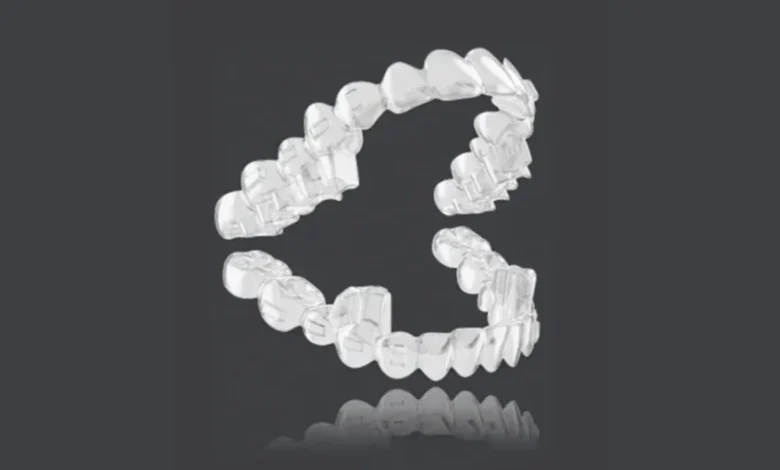
At the heart of the 2027 rollout is the introduction of SuperElastic (MC-SE) aligner material. Orthodontic material science has seen rapid evolution over the past decade, moving away from rigid plastics toward polymers that offer consistent force delivery over time. The MC-SE material is designed to offer an expanded elastic range, providing the necessary strength and toughness required for complex tooth movements. In clinical practice, material fatigue is a common cause of treatment tracking errors; a high-performance material that maintains its shape and force expression is a critical component in ensuring predictable outcomes.
Beyond material science, the company is addressing skeletal growth and structural bite correction with the Adapt-MA system. Mandibular advancement in aligner therapy has historically been challenging, often requiring bulky auxiliary hardware. The Adapt-MA system, which is intended for use in young patients, is specifically engineered to manage diverse growth patterns, ranging from hyperdivergent to hypodivergent cases. By integrating growth guidance into the aligner workflow, Angelalign is attempting to bridge the gap between traditional orthopedic appliances and the aesthetics of clear aligners.
Furthermore, the introduction of the DeepBite Solution aims to expand the clinical envelope for practitioners. Deep bite is one of the most frequently encountered malocclusions, yet it remains one of the more difficult to treat successfully with aligners alone. Angelalign claims this new solution will quadruple the treatable indication of tooth overjet compared to current standard offerings. Coupled with new pressure points and customized trimlines, these features represent a move toward "force engineering," where the aligner itself is optimized to exert specific pressure on the periodontal ligament to achieve desired root and crown positioning.
Digital Transformation: The iPlan Software
In addition to physical hardware, the company is doubling down on its digital infrastructure with the introduction of the iPlan software. In the contemporary orthodontic landscape, the software interface is as important as the physical aligner. Clinicians require platforms that not only facilitate the submission of scans but also provide sophisticated analytical tools for staging treatment.
The iPlan software utilizes intelligent algorithms to assist clinicians in the rapid revision of treatment plans. As clear aligner therapy moves toward more complex cases, the speed and accuracy of the digital "setup"—the virtual simulation of tooth movement—become paramount. By leveraging automation for routine staging, the software is intended to reduce the administrative and design burden on orthodontists, allowing them to focus their expertise on the nuances of the clinical diagnosis rather than the mechanics of the digital setup.
Immediate Availability: The Halo Retention System
While the broader suite of tools awaits a 2027 launch, the company has moved to address an immediate clinical need: long-term stability. The Halo retention system is now available to North American doctors, offering an expanded functional solution for post-treatment stability. Retention is the "final exam" of orthodontic treatment, and the risk of relapse remains a significant concern for clinicians.
The Halo system is designed to address specific relapse scenarios, including deepbite, Class III skeletal relationships, and tongue thrusting habits. By providing a functional retention tool that can mitigate these specific post-treatment forces, Angelalign is acknowledging that the work of the orthodontist does not end the day the braces or aligners are removed.
Industry Context and Market Dynamics
The orthodontic market is currently undergoing a shift from "first-generation" aligner models—which focused primarily on mild cosmetic alignment—to "comprehensive" models capable of addressing complex skeletal and functional issues. Angelalign’s emphasis on these sophisticated clinical solutions aligns with the professionalization of the industry.
According to market analysts, the demand for high-quality, doctor-led orthodontic care is on the rise, even as direct-to-consumer (DTC) models have introduced turbulence into the space. The professional community has responded by doubling down on evidence-based treatment. As noted by Dr. David Sarver, a prominent educator and orthodontist, the expectation for high-quality outcomes has never been higher. His assertion that parents and patients are increasingly unwilling to accept "average" results speaks to the competitive pressure on orthodontists to utilize the best available technology.
Bindu Saran, VP of product strategy at Angelalign, emphasized this sentiment, stating that the company’s philosophy is rooted in listening to the needs of the specialty. "We want to help premium orthodontists stand out in their treatment capabilities," Saran noted. This focus on the "premium" practitioner suggests that Angelalign is positioning itself as a partner to specialists who demand high levels of control and customization, rather than a mass-market provider.
Broader Implications and Future Outlook
The strategic significance of this announcement cannot be overstated. By setting a 2027 timeline, Angelalign is effectively signaling its long-term commitment to the North American market. For practitioners, this creates a clear roadmap for integrating the company’s solutions into their practice management.
The implications for the industry are twofold. First, it puts pressure on existing market leaders to continue their own innovation cycles, particularly in the realm of material science and software-driven staging. Second, it highlights the increasing importance of "total solutions" in orthodontics. It is no longer enough to offer a clear tray; companies must now offer a comprehensive ecosystem that includes growth guidance, complex bite correction, intelligent planning software, and functional retention.
As the industry moves toward 2027, the success of these initiatives will depend on clinical outcomes. Data gathered from the early adoption of the Halo system and the ongoing performance of the current Angelalign portfolio will serve as the foundation for the upcoming rollout. If the company can successfully translate these laboratory and software innovations into consistent, high-quality clinical results, it will likely see a significant increase in its share of the orthodontic market.
Ultimately, the trajectory outlined by Angelalign reflects a broader trend toward the "digitization of the jaw." As scanning, 3D printing, and artificial intelligence continue to converge, the ability to control tooth movement with extreme precision will become the defining characteristic of the successful orthodontic practice. By investing heavily in these R&D pillars, Angelalign is betting that the future of the specialty lies in the marriage of human expertise and advanced, automated clinical solutions. The orthodontic community will be watching closely as these innovations transition from the announcement stage to the clinic chair over the coming years.