Angelalign Technology Inc. has officially signaled a major shift in its North American strategy, unveiling a comprehensive roadmap of six distinct clinical innovations aimed at redefining the capabilities of orthodontic practitioners. While the majority of these advancements—including cutting-edge materials and sophisticated software—are scheduled for a 2027 rollout, the immediate release of the Halo retention system marks a tactical move to address the current, pressing needs of clinicians regarding post-treatment stability. This announcement represents one of the most significant product pipeline disclosures from the company since its entry into the North American market, highlighting an aggressive effort to capture market share through high-tech, evidence-based orthodontic solutions.
A Strategic Roadmap for Orthodontic Innovation
The announcement serves as a foundational pillar for Angelalign’s long-term growth strategy. By pre-announcing a suite of products, the company is attempting to align its development cycle with the evolving expectations of premium orthodontic practices. The clinical innovations slated for 2027 are designed to address the most complex challenges in contemporary orthodontics: tooth movement efficiency, growth guidance, and the management of deep bite malocclusions.
Central to the 2027 portfolio is the SuperElastic (MC-SE) aligner material. In the world of clear aligners, the physical properties of the plastic—specifically its modulus of elasticity, stress relaxation, and durability—are the primary determinants of clinical success. The MC-SE material promises to offer a broader elastic range and superior toughness compared to current industry standards. By maintaining a more consistent force level over the duration of the aligner’s wear cycle, the material aims to optimize tooth movement while potentially reducing the number of refinements required per case.
Furthermore, the introduction of the Adapt-MA system addresses a significant gap in the aligner market: functional jaw orthopedics. Mandibular advancement (MA) has traditionally been the domain of fixed functional appliances or twin-block devices. By integrating this functionality into a clear aligner system, Angelalign is targeting the pediatric and adolescent market, providing a discrete, comfortable, and effective way to guide growth in patients with varying mandibular development patterns. This system is specifically engineered to treat hyperdivergent to hypodivergent growth patterns, offering clinicians a level of versatility that has historically been difficult to achieve with removable clear appliances.
Addressing Complex Malocclusions
The 2027 pipeline also includes a specialized DeepBite Solution, a development that addresses one of the most common and challenging aspects of orthodontic correction. Overjet and overbite issues often require complex mechanics involving vertical control, which can be difficult to manage with standard aligners. Angelalign’s new solution claims to quadruple the treatable range of tooth overjet compared to existing products. This is supported by refinements in "Pressure Points" and "trimlines," which are designed to enhance force expression at critical points on the tooth surface. By improving the fit and the specific contact points of the aligner, the company seeks to increase the predictability of the biomechanical forces applied to the teeth.
Complementing these physical innovations is the introduction of iPlan software. In modern orthodontics, the digital treatment plan is the "blueprint" for the patient’s entire journey. The iPlan software utilizes proprietary intelligent algorithms to automate staging and expedite the revision process. By reducing the time clinicians spend on digital setup and refinement, the software aims to improve the efficiency of the clinical workflow, allowing doctors to focus more on patient interaction and clinical outcomes.
Immediate Availability: The Halo Retention System
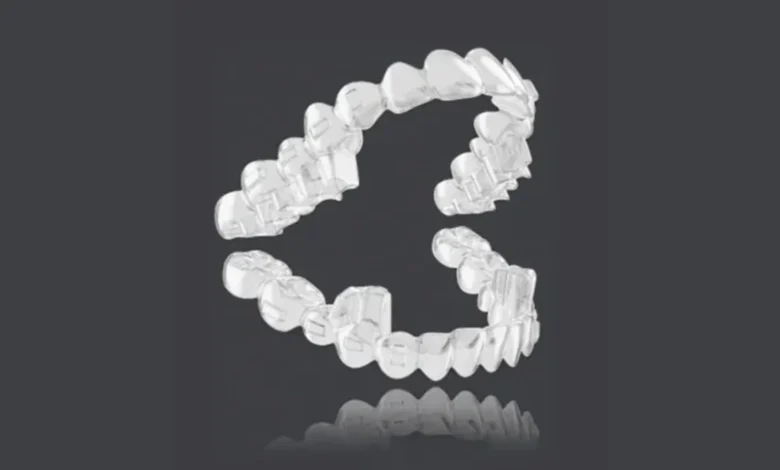
While the 2027 innovations represent the future of the company’s platform, the immediate availability of the Halo retention system provides an urgent utility for current North American practices. Retention is widely considered the most critical phase of orthodontic treatment; without adequate support, relapse is a high probability. The Halo system is designed specifically to mitigate the risk of relapse in conditions that are notoriously difficult to maintain, such as Class III malocclusions, deep bites, and tongue thrusting habits. By offering this solution now, Angelalign is positioning itself as a comprehensive partner for the entire lifecycle of the patient, from active correction to long-term stability.
The Evolution of the Orthodontic Industry
The move toward more sophisticated aligner materials and integrated software is a response to the "premiumization" of the orthodontic specialty. As clear aligners have moved from simple cosmetic correction to comprehensive, full-mouth reconstruction, the demand for precision has skyrocketed.
Bindu Saran, VP of product strategy at Angelalign, emphasized that the company’s R&D process is driven by direct feedback from specialists. "Angel was founded by orthodontic professors and is committed to being the standard bearer of innovation in the specialty," Saran stated. "We want to help premium orthodontists stand out in their treatment capabilities. Our innovations are effective because we listen closely to what specialists ask for and satisfy their needs."
This philosophy mirrors the broader trends observed in medical technology, where the "specialist-led" design model is gaining traction. By involving practitioners in the design phase, companies are able to create tools that feel intuitive and address the specific bottlenecks that occur during daily clinical practice.
Clinical Perspectives and Market Demands
The demand for these high-performance solutions is underscored by the shifting expectations of patients and parents. David Sarver, a prominent orthodontist and educator, highlights a fundamental shift in the patient-doctor dynamic. "In over four decades, I’ve never had a parent say I’d be happy if you ensure that my child’s treatment results are average," Sarver noted. This sentiment encapsulates the current state of the orthodontic market: the commoditization of clear aligners has forced premium providers to distance themselves from "good enough" results and move toward evidence-based, high-precision outcomes.
The implication for the industry is clear: as aligner companies compete for the loyalty of high-end orthodontists, they must offer more than just a brand name. They must offer predictable biomechanics, robust software, and materials that can handle the rigors of complex cases. Angelalign’s roadmap suggests that they are not content to be a secondary player, but are instead aiming to challenge established incumbents by investing heavily in the scientific and clinical foundations of their platform.
Broader Impact and Future Outlook
The transition toward these advanced solutions by 2027 will likely have several key implications for the broader orthodontic landscape:
- Increased Case Complexity: With the introduction of the Adapt-MA system and the DeepBite Solution, the range of cases that can be safely and effectively treated with aligners will continue to expand, further eroding the market share of traditional fixed orthodontic appliances.
- Workflow Automation: The adoption of AI-driven planning software like iPlan will likely force a industry-wide shift toward standardized, digital-first workflows. Practices that fail to adopt such systems may find themselves at a competitive disadvantage regarding time efficiency and case throughput.
- Focus on Long-term Stability: The emphasis on the Halo retention system signals that the industry is beginning to treat retention as an active, therapeutic phase of treatment rather than a passive afterthought. This could lead to a new market segment for "active retention" devices.
As Angelalign Technology Inc. moves toward its 2027 goal, the company’s success will depend on its ability to execute its product rollout and demonstrate the efficacy of its new materials in clinical trials. The pre-announcement strategy is a double-edged sword: it builds excitement and allows practitioners to plan for the future, but it also creates high expectations that the company must meet.
For the North American orthodontist, the message from the company is clear: the future of clear aligner therapy will be defined by materials that are stronger, software that is smarter, and treatment protocols that are significantly more comprehensive. As the specialty continues to evolve, the integration of these technologies into the daily workflow will likely determine which practices thrive in an increasingly competitive and tech-driven market. By bridging the gap between current clinical needs and future-proof solutions, Angelalign is positioning itself as a central player in the next generation of orthodontic care.