
Category Soup And Chili 3
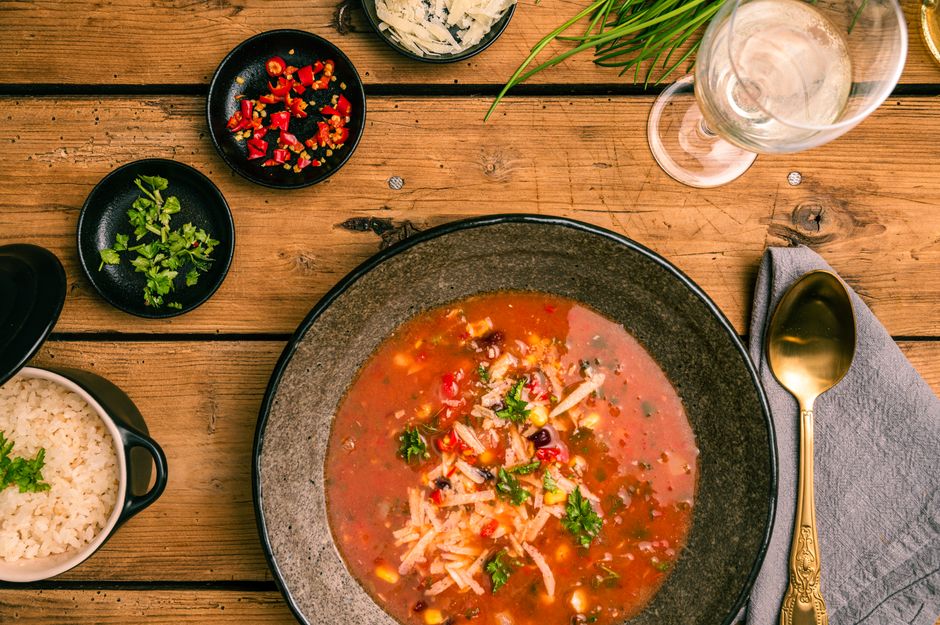
Category Soup and Chili 3: A Deep Dive into Flavor, Form, and Function
Category Soup and Chili 3 represents a specific subset within the broader culinary landscape, focusing on dishes characterized by a rich, broth-based or thickened consistency, often featuring a complex interplay of ingredients, and a common thermal preparation. This category, while seemingly straightforward, encompasses a vast array of global and regional variations, each with its own unique ingredient profiles, cooking methodologies, and textural nuances. Understanding Category Soup and Chili 3 is crucial for chefs, home cooks, food developers, and even consumers seeking to explore or categorize their culinary experiences. The "3" designation within this category often implies a level of refinement or a particular set of defining characteristics, differentiating it from simpler broths or less intricate stews. This article will dissect the fundamental elements, explore key sub-categories, discuss ingredient interplay, analyze cooking techniques, and touch upon the cultural and commercial significance of Category Soup and Chili 3.
At its core, Category Soup and Chili 3 is defined by its liquid medium and the solid components suspended within. The liquid, whether a clear, flavorful broth, a creamy emulsion, or a thickened, viscous base, serves as the carrier for the flavors and textures of the other ingredients. The solid elements can range from finely diced vegetables and shredded meats to larger chunks of protein, beans, grains, or legumes. The term "soup" generally implies a dish where the liquid predominates, while "chili" often suggests a thicker, more stew-like consistency, though the boundaries are fluid and often overlap. The "3" in Category Soup and Chili 3 might denote a specific balance of liquid to solids, a particular level of spice, or a defined range of permissible primary ingredients. For example, a Category Soup and Chili 3 might necessitate a minimum of three distinct protein sources or a specific blend of aromatic vegetables.
The foundational elements of Category Soup and Chili 3 are deeply rooted in the concept of building flavor through a gradual process of extraction and combination. Aromatics, such as onions, garlic, celery, and leeks (often referred to as mirepoix or a similar foundational blend depending on the cuisine), are typically sautéed to release their volatile compounds and create a base layer of flavor. This initial step is critical for developing depth and complexity. Following the aromatics, the primary ingredients – be it meats, poultry, seafood, or plant-based proteins – are often seared or browned to develop Maillard reaction flavors, contributing richness and umami. The liquid medium is then introduced, and a slow simmer or gentle boil allows the flavors to meld and meliorate. The "3" could signify the inclusion of at least three distinct aromatic components or a specific cooking time that allows for optimal flavor infusion, often in the range of three hours or more for certain preparations.
Key sub-categories within Category Soup and Chili 3 are numerous and geographically diverse. For instance, within the realm of clear soups, one might find variations like a refined consommé, which undergoes a rigorous clarification process to achieve exceptional clarity and intense flavor, or a hearty brodo, which is typically richer and may contain small pasta or dumplings. In contrast, creamy soups, often thickened with roux, purees, or dairy, represent another significant branch. Examples include classic bisques, velvety puréed vegetable soups, and chowders, which often incorporate seafood or corn and possess a distinct creamy texture. Chili, as a sub-category, is particularly defined by its use of chili peppers, leading to a spectrum of heat levels and flavor profiles. From a mild vegetarian three-bean chili to a fiery Texas-style meat chili with no beans, the variations are vast. The "3" might refer to specific regional chili styles, such as a classic Cincinnati chili with its unique spice blend, or a Mexican-inspired chili with a specific number of dried chili varieties.
Ingredient interplay is a cornerstone of Category Soup and Chili 3. The synergy between different components is what elevates a simple mixture of ingredients into a cohesive and satisfying dish. The choice of protein significantly influences the overall flavor profile and texture. Fatty cuts of meat, when slow-cooked, will break down and enrich the broth, while leaner proteins might benefit from a shorter cooking time to prevent drying out. Vegetables contribute not only flavor but also essential vitamins, minerals, and fiber. Root vegetables like carrots, potatoes, and parsnips add sweetness and earthiness, while cruciferous vegetables can offer a slightly bitter counterpoint. Legumes, such as beans and lentils, are vital for adding bulk, protein, and a creamy texture to many chilis and thicker soups. Grains like rice, barley, or quinoa can also be incorporated to add texture and absorb flavors. The "3" in Category Soup and Chili 3 could denote a requirement for at least three distinct types of vegetables, a specific ratio of protein to vegetables, or the inclusion of three different classes of ingredients (e.g., protein, vegetable, starch).
Herbs and spices are the architects of nuanced flavor within Category Soup and Chili 3. Fresh herbs like parsley, cilantro, thyme, and rosemary, when added towards the end of cooking, impart bright, aromatic notes. Dried herbs and spices, often added earlier, provide deeper, more complex flavors. Cumin, chili powder, paprika, oregano, and bay leaves are common in chili preparations, contributing warmth, smokiness, and a subtle bitterness. Global cuisines offer a rich tapestry of spice combinations, from the fragrant garam masala in Indian dals to the warming cinnamon and star anise in Chinese braised dishes. Acidic elements, such as tomatoes, lemon juice, or vinegar, can be used to brighten flavors and cut through richness. Umami-rich ingredients like soy sauce, Worcestershire sauce, or mushrooms further enhance the savory depth of the dish. The "3" might relate to a specific spice blend requiring at least three distinct spices, a particular balance of sweet, sour, and savory elements, or the use of three different types of chili peppers in a chili preparation.
Cooking techniques are paramount in achieving the desired outcome for Category Soup and Chili 3. Simmering is the most common method, allowing for slow, even cooking and the gentle infusion of flavors. The duration of the simmer is often critical, with longer cooking times generally resulting in more tender ingredients and a more melded flavor profile. Searing or browning meats and aromatics before adding liquid is a crucial step for developing depth of flavor. Deglazing the pan after searing, by adding a liquid to scrape up browned bits from the bottom, captures valuable flavor compounds. For certain creamy soups, a roux – a mixture of fat and flour cooked together – is used to thicken the base. Emulsification, through vigorous whisking or the use of an immersion blender, is essential for creating smooth, velvety textures in puréed soups. In the context of Category Soup and Chili 3, the "3" could signify a specific cooking temperature range (e.g., below boiling, just simmering), a minimum cooking time of three hours, or a technique that involves three distinct stages of preparation (e.g., searing, simmering, finishing).
The cultural and commercial significance of Category Soup and Chili 3 is undeniable. Soups and chilis are comfort foods across many cultures, often associated with warmth, nourishment, and communal dining. They are staples in home kitchens, restaurant menus, and food service industries. From a quick weeknight meal to a celebratory feast, these dishes offer versatility and adaptability. In the commercial realm, the development of pre-packaged soups and chilis has been a significant market. Understanding the defining characteristics of Category Soup and Chili 3 is crucial for product development, ensuring consistency in flavor, texture, and ingredient profile. This understanding also informs marketing strategies, allowing for clear communication of the product’s attributes to consumers. The "3" designation could also be a proprietary marker used by a specific company or culinary organization to denote a premium or specific style of soup or chili, indicating a certain level of quality or adherence to a defined recipe.
Nutritional considerations are also relevant when discussing Category Soup and Chili 3. Depending on the ingredients used, these dishes can be excellent sources of protein, fiber, vitamins, and minerals. Lean proteins, abundant vegetables, and whole grains contribute to a healthy and satisfying meal. However, it’s also important to be mindful of sodium content, particularly in commercially prepared versions, and the fat content, which can vary significantly based on the type of meat or dairy used. Home cooks have the advantage of controlling these factors, allowing for the creation of healthier versions that still deliver on flavor. The "3" might imply a balanced nutritional profile, such as a specific ratio of macronutrients or a requirement for at least three nutrient-dense ingredients.
The sensory experience of Category Soup and Chili 3 is multifaceted. Texture plays a vital role, from the smooth silkiness of a bisque to the hearty chew of beans and chunks of meat in a chili. The aroma, a complex bouquet of savory, spicy, and herbaceous notes, is often as enticing as the taste itself. The visual appeal, the rich colors of vegetables and meats, and the inviting sheen of the broth contribute to the overall enjoyment. The taste, a symphony of sweet, salty, sour, bitter, and umami, is the ultimate culmination of the ingredients and cooking process. The "3" might relate to the number of distinct textures present in the dish, the balance of at least three primary flavor profiles (e.g., spicy, savory, slightly sweet), or the presence of three visually distinct components.
In conclusion, Category Soup and Chili 3, while a specific classification, encompasses a rich and diverse culinary landscape. Its definition is rooted in the interplay of liquid medium, solid ingredients, and meticulous cooking techniques. The variations within this category are a testament to the adaptability and global appeal of these dishes. Whether for a discerning chef or a home cook seeking to expand their repertoire, a deep understanding of Category Soup and Chili 3, including its potential defining "3" characteristics, offers a pathway to creating exceptionally flavorful and satisfying culinary experiences. The ongoing evolution of this category, influenced by global culinary trends and consumer preferences, ensures its continued relevance and enjoyment for generations to come.
