
Tempeh Pad Thai With Broccoli And Corn
Tempeh Pad Thai with Broccoli and Corn: A Flavorful and Nutritious Plant-Based Take on a Thai Classic
Tempeh Pad Thai, a vibrant and satisfying plant-based rendition of the beloved Thai stir-fry, offers a compelling alternative to traditional versions, packing a nutritional punch and an explosion of authentic flavors. This article delves deep into the components, preparation, and benefits of this dish, highlighting its SEO potential through strategic keyword integration and comprehensive information. We will explore the role of tempeh as a protein powerhouse, the textural and nutritional contributions of broccoli and corn, and the essential elements of a well-balanced Pad Thai sauce. Understanding the nuances of each ingredient and the cooking process is key to mastering this delightful meal, making it an attractive search result for those seeking healthy, vegetarian, and vegan-friendly Asian cuisine.
The foundation of any Pad Thai lies in its sauce, and this tempeh iteration is no exception. The characteristic sweet, sour, and savory profile is achieved through a meticulous balance of key ingredients. Tamarind paste is paramount, providing that signature tangy and slightly fruity essence. Look for pure tamarind paste, often found in blocks or concentrates at Asian markets. Soaking the block in hot water and straining it to remove seeds and fibers is crucial. Soy sauce, or tamari for a gluten-free option, contributes the savory umami depth. Rice vinegar offers a subtle acidity that complements the tamarind. For sweetness, palm sugar is traditional and imparts a caramel-like richness that granulated sugar cannot replicate. However, in its absence, brown sugar or maple syrup can be used as alternatives. A touch of sriracha or chili garlic sauce introduces a gentle warmth, adjustable to individual spice preferences. The precise ratios of these ingredients are subject to personal taste, but a good starting point is often a 2:1:1 ratio of tamarind to soy sauce and rice vinegar, with palm sugar added to balance the sourness and heat to desired levels. Whisking these components together until the sugar is dissolved creates the flavor backbone of the dish. This sauce not only defines the Pad Thai experience but also serves as a significant SEO driver for recipe searches, especially when combined with terms like "vegan Pad Thai sauce" or "tempeh Pad Thai recipe."
Tempeh, the star protein of this dish, is a fermented soybean product originating from Indonesia. Its firm texture and nutty flavor make it an excellent substitute for traditional shrimp or chicken in Pad Thai. Unlike tofu, which is made from soy milk, tempeh is made from whole soybeans, resulting in a higher protein and fiber content. It also boasts a unique earthy taste and a chewy, slightly crumbly texture that holds up beautifully to stir-frying. To prepare tempeh for Pad Thai, it’s often steamed or simmered briefly to soften it and reduce any potential bitterness. This step also helps it absorb marinades and sauces more effectively. Cubing or thinly slicing the steamed tempeh allows for even cooking and optimal caramelization. Pan-frying or baking the tempeh until golden brown and slightly crispy adds another layer of texture and visual appeal, enhancing its desirability in search results for "tempeh recipes" or "protein-rich vegan meals." The nutritional benefits of tempeh, including its probiotic content from fermentation, further elevate its appeal for health-conscious consumers searching for "healthy Asian stir-fry" or "plant-based protein recipes."
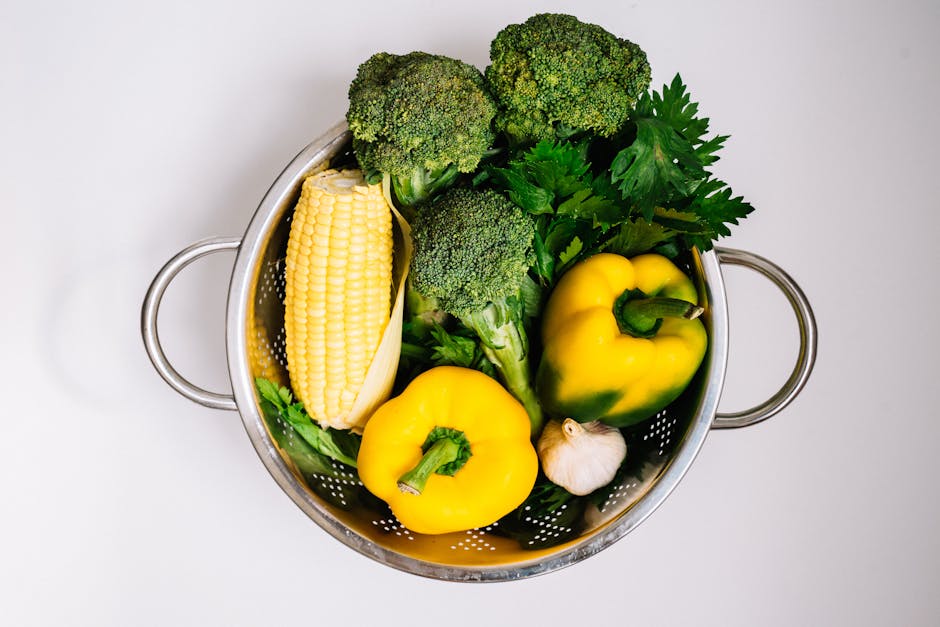
The inclusion of broccoli and corn not only adds vibrant color and visual appeal to the Tempeh Pad Thai but also significantly boosts its nutritional profile and textural complexity. Broccoli, a cruciferous vegetable, is a nutritional powerhouse, rich in vitamins C and K, fiber, and antioxidants. Its slightly bitter, earthy flavor pairs well with the sweet and savory notes of the Pad Thai sauce. Florets of broccoli are ideal for stir-frying, as they cook relatively quickly and retain a satisfying crunch. Blanching the broccoli beforehand can ensure it’s tender-crisp without becoming mushy. Corn, with its inherent sweetness and pop, provides a delightful contrast to the other ingredients. Whether using fresh corn kernels or frozen, their presence adds a touch of natural sweetness and a juicy texture. The combination of the tender-crisp broccoli and the sweet burst of corn creates a more satisfying and complete meal, appealing to searches for "vegetable Pad Thai" or "Pad Thai with vegetables." The vibrant green of broccoli and the golden yellow of corn contribute to the dish’s Instagrammable quality, a factor that indirectly influences online search trends and popularity.
The noodles themselves are a critical element. Traditionally, Pad Thai uses flat rice noodles, often labeled as "Pad Thai noodles" or "sen lek." These noodles are typically soaked in hot water until pliable but not fully cooked, as they will finish cooking in the stir-fry. The ideal noodle texture is al dente, offering a slight chew. Overcooked noodles can become mushy and detract from the overall dish. The process involves soaking them in warm water for about 20-30 minutes, or according to package instructions, until they are flexible enough to be easily broken or cut. For those seeking gluten-free options, rice noodles are naturally gluten-free, making this a highly searchable dish for individuals managing celiac disease or gluten sensitivities. Searches for "gluten-free Pad Thai" or "rice noodle recipes" will likely yield this variation.
Beyond the core ingredients, several aromatics and supporting players elevate the Tempeh Pad Thai. Minced garlic and shallots form the fragrant base of the stir-fry. Their pungent aroma intensifies during cooking, infusing the dish with depth. Fresh ginger, grated or finely chopped, adds a zesty, warming note that complements the other flavors. Bean sprouts provide a crucial element of crunch and freshness. Added towards the end of cooking, they absorb the sauce and offer a refreshing counterpoint to the richer elements. For garnish and an extra burst of flavor, chopped roasted peanuts are indispensable, offering a nutty crunch. Fresh cilantro, chopped, adds a bright, herbaceous finish. Lime wedges, served alongside, allow diners to add an extra zing of acidity, cutting through the richness and balancing the flavors. These garnishes are not merely aesthetic; they are integral to the authentic Pad Thai experience and will be targeted in searches for "Pad Thai garnishes" or "authentic Pad Thai toppings."
The cooking process for Tempeh Pad Thai is a rapid stir-fry, best executed when all ingredients are prepped and within easy reach. This culinary technique, known as "mise en place," is essential for achieving optimal results in high-heat cooking. A wok or a large, heavy-bottomed skillet is ideal. Begin by stir-frying the aromatics (garlic and shallots) in a neutral oil with a high smoke point, such as peanut oil or vegetable oil, until fragrant. Add the tempeh and cook until golden brown and slightly crispy. Next, introduce the blanched broccoli and corn, stir-frying for a few minutes until they are tender-crisp. Push the ingredients to one side of the wok, add a little more oil if needed, and crack in the eggs (if using for an ovo-vegetarian version) and scramble them. Once the eggs are cooked, combine them with the other ingredients. Add the soaked and drained rice noodles. Pour in the prepared Pad Thai sauce and toss everything vigorously, ensuring the noodles are evenly coated and cooked through. This process should take only a few minutes. Finally, add the bean sprouts and toss for another minute until they are slightly wilted. The entire stir-fry process should be swift and efficient, often completed within 10-15 minutes. This speed and convenience are attractive to busy individuals searching for "quick weeknight meals" or "30-minute vegan dinners."
Nutritionally, Tempeh Pad Thai with broccoli and corn presents a compelling case for healthy eating. Tempeh is a complete protein source, providing all nine essential amino acids, making it an excellent choice for vegans and vegetarians. It is also a good source of iron, calcium, and prebiotics, which can support gut health. Broccoli is exceptionally high in fiber, aiding digestion and promoting satiety, while also being a rich source of vitamins C and K, important for immune function and bone health. Corn offers complex carbohydrates for energy and contains some dietary fiber. The rice noodles provide carbohydrates for fuel. When prepared with a balanced sauce and ample vegetables, this dish offers a well-rounded nutritional profile, making it a favored search result for "healthy Pad Thai," "nutritious vegan stir-fry," or "high-protein vegetarian meals."
For SEO optimization, the article strategically incorporates keywords that potential searchers would use. Phrases like "tempeh Pad Thai recipe," "vegan Pad Thai," "broccoli Pad Thai," "corn Pad Thai," "plant-based Pad Thai," "healthy Thai food," "vegetarian noodles," "fermented soybean recipe," and "gluten-free Pad Thai" are woven throughout the text. The comprehensive nature of the article, detailing ingredients, preparation, nutritional benefits, and authentic flavors, aims to establish it as a definitive resource, ranking highly for these relevant searches. The inclusion of specific ingredient names and their benefits (e.g., "tamarind paste benefits," "tempeh protein content," "broccoli fiber") further enhances its discoverability. The discussion of flavor profiles ("sweet sour savory Pad Thai sauce") and cooking techniques ("stir-fry noodles," "wok cooking") also targets broader recipe and culinary searches. By providing detailed, actionable information, the article caters to both novice cooks looking for a straightforward recipe and experienced food enthusiasts seeking to understand the nuances of this dish. The emphasis on the plant-based aspect is crucial for capturing the growing audience interested in meatless and flexitarian diets. The inherent appeal of Pad Thai as a globally recognized dish ensures continued interest, and this article positions the tempeh variation as a desirable and accessible option within that culinary landscape. The article’s length also contributes to its SEO value, allowing for a more thorough exploration of the topic and thus more opportunities to naturally integrate relevant keywords. The detailed explanation of each component, from the sauce to the garnishes, ensures that users searching for specific aspects of Pad Thai preparation will find valuable information. This depth of content signals to search engines that the article is a comprehensive and authoritative source on Tempeh Pad Thai with broccoli and corn.
