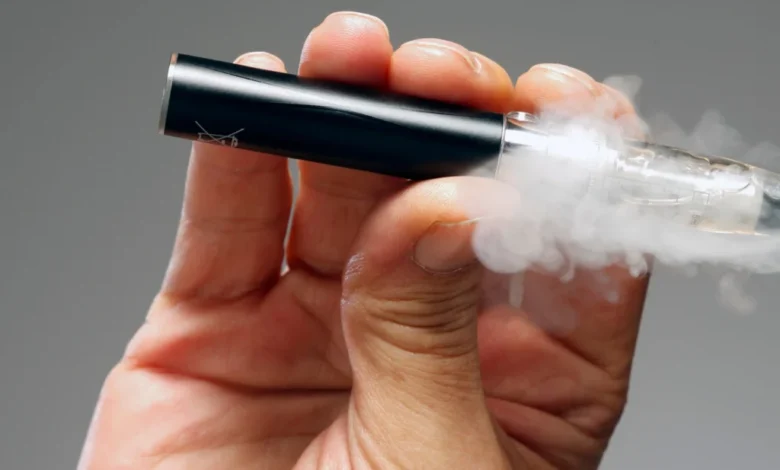
While the detrimental effects of traditional smoking on oral health are widely acknowledged, the public perception of vaping often remains curiously lenient. Marketed for years as a "safer" alternative, e-cigarettes have frequently been granted a de facto "free pass," leading many to erroneously assume they carry negligible oral health risks. However, scientific understanding continues to evolve, revealing a far more intricate and concerning reality. The aerosol produced by e-cigarettes, a complex cocktail of chemicals, can significantly compromise oral health, posing particular challenges for individuals considering or currently undergoing orthodontic treatment. Understanding the specific components within vape liquids, their physiological interactions with oral tissues, and the resulting side effects is paramount for safeguarding one’s smile, both before, during, and after orthodontic intervention.
The Rise of Vaping and Evolving Health Perceptions
E-cigarettes first emerged on the global market in the early 2000s, initially promoted as a harm-reduction tool and a potential aid for smoking cessation. Their appeal quickly grew, fueled by diverse flavor options and the perception of reduced health risks compared to conventional tobacco products. This narrative, however, began to shift as the widespread adoption of vaping, particularly among adolescents and young adults, prompted closer scrutiny from public health organizations and researchers. What was once viewed by some as an innocuous vapor delivery system is now increasingly recognized as a source of significant health concerns, including those directly impacting the delicate ecosystem of the mouth. The timeline of vaping’s ascendancy has paralleled a growing body of evidence highlighting its adverse effects, moving from initial optimism to a cautious and now increasingly critical assessment of its long-term health implications.
Unpacking the Oral Health Risks: Beyond "Water Vapor"
Despite the absence of tobacco leaf combustion, e-cigarette vapor is far from benign. It contains a range of chemicals, many of which are known irritants and toxins, directly contributing to a spectrum of oral health problems. These issues are particularly pertinent for orthodontic patients, whose oral tissues are already under increased stress and require optimal health for successful treatment outcomes.
Propylene Glycol and the Onset of Xerostomia (Dry Mouth)
One of the most pervasive and immediate side effects reported by e-cigarette users is xerostomia, commonly known as dry mouth. The primary culprit in this phenomenon is propylene glycol (PG), a key ingredient in most vape liquids. PG serves as a humectant and carrier solvent, facilitating the vaporization of other ingredients. However, its hygroscopic nature – its strong affinity for absorbing water – extends to the oral cavity. When inhaled, PG readily draws moisture from saliva and oral tissues, leading to a persistent feeling of dryness.
Saliva plays an indispensable role in maintaining oral health. It acts as a natural cleansing agent, washing away food particles and debris, and contains crucial minerals that remineralize tooth enamel. Furthermore, saliva neutralizes acids produced by oral bacteria, thereby protecting against enamel erosion and cavity formation. A significant reduction in salivary flow, therefore, dramatically increases the risk of dental caries (cavities), gum disease (gingivitis and periodontitis), and halitosis (chronic bad breath). Studies have indicated that prolonged dry mouth can alter the oral microbiome, favoring the proliferation of harmful bacteria, further compounding the risk of decay and infection. For orthodontic patients, who already face challenges in maintaining optimal oral hygiene due to braces or aligners, dry mouth exacerbates these difficulties, making them significantly more susceptible to these complications.
Vaping Chemicals: Catalysts for Gum Disease and Inflammation
The aerosol generated by e-cigarettes is not merely "water vapor" but a complex mixture of solvents, flavorings, heavy metals, and volatile organic compounds. Beyond propylene glycol, ingredients like vegetable glycerin, flavoring agents (such as diacetyl, acetyl propionyl, and cinnamaldehyde), and even trace metals from heating coils can irritate the delicate gum tissues. This irritation often manifests as inflammation, redness, and swelling, the hallmark signs of gingivitis.
Chronic inflammation, if left unchecked, can progress to periodontitis, a more severe form of gum disease characterized by the detachment of gums from teeth, the formation of periodontal pockets, and eventual bone loss. Periodontal disease can lead to receding gums, persistent bad breath, and ultimately, tooth mobility and loss. The constant exposure to these irritants from vaping can accelerate the progression of gum disease, making treatment more challenging and potentially compromising the stability of teeth, a critical factor during and after orthodontic treatment. Research has begun to show that e-cigarette users exhibit increased markers of inflammation and altered immune responses in their oral tissues compared to non-users, highlighting a direct link between vaping and compromised periodontal health.
High Nicotine Intake: Impact on Oral Blood Flow and Healing
Many e-liquids contain high concentrations of nicotine, a potent vasoconstrictor. Nicotine’s primary effect on the oral cavity is the constriction of blood vessels, leading to reduced blood flow to the gums and surrounding tissues. Healthy circulation is vital for oral health, as it delivers essential nutrients, oxygen, and immune cells to the tissues, facilitating healing and protecting against infection.
Reduced blood flow, or ischemia, impairs the gums’ ability to receive necessary nourishment and to effectively mount an immune response against pathogens. This makes them more vulnerable to infection and slows down the natural healing processes. For orthodontic patients, this is particularly problematic. Orthodontic treatment involves controlled inflammation and remodeling of bone and gum tissues to facilitate tooth movement. Impaired blood flow can significantly hinder these natural processes, potentially delaying treatment progress and compromising the overall health of the supporting structures. Furthermore, the reduced blood flow can mask the classic symptoms of gum disease, such as bleeding, making it harder for both patients and clinicians to detect and address issues early. This can lead to a false sense of security while underlying periodontal damage continues to advance.
Sweet Vape Flavors: A Silent Threat to Enamel
The appealing array of sweet and fruity flavors is a major draw for many e-cigarette users, particularly younger demographics. While most e-liquids are marketed as "sugar-free," the flavoring agents themselves, such as sucralose, vanillin, and various fruit esters, can still pose a significant threat to dental enamel. These compounds, when aerosolized and deposited on tooth surfaces, can create an acidic environment or provide a substrate for acid-producing bacteria.
Certain flavorings, like citric acid derivatives found in many fruit-flavored vapes, are inherently acidic and can directly erode tooth enamel. Moreover, studies have shown that the viscosity and adherence of e-liquid aerosols can allow these flavorings to linger on tooth surfaces, promoting the growth of cariogenic bacteria (bacteria that cause cavities). When combined with the effects of dry mouth, which reduces the protective buffering capacity of saliva, the risk of developing rampant dental caries significantly escalates. The cumulative effect is a compromised enamel structure, making teeth more susceptible to decay and sensitivity.
Orthodontic Treatment: A Period of Heightened Vulnerability
The intersection of vaping and orthodontic treatment creates a challenging scenario, as optimal oral health is a fundamental prerequisite for successful and stable tooth movement.
Pre-Treatment Assessment: Are Your Tissues Ready?
Before initiating any orthodontic treatment, an orthodontist must ensure that a patient’s teeth and gums are in excellent health. This typically involves a comprehensive periodontal (gum) check-up, often requiring a clearance from a general dentist or a periodontist. If a patient has a history of vaping, or is currently vaping, the likelihood of existing gum inflammation, dry mouth, or early signs of tooth decay is significantly higher. Any pre-existing damage or compromised tissue health must be thoroughly addressed and resolved before active orthodontic treatment can commence. Proceeding with braces or aligners on unhealthy gums can exacerbate existing problems, lead to complications, and potentially jeopardize the entire treatment outcome. The American Association of Orthodontists (AAO) and other dental bodies consistently emphasize that a stable, healthy oral foundation is non-negotiable for effective orthodontic care.
Complications During Active Treatment
Vaping can introduce a cascade of complications during the active phase of orthodontic treatment. The impaired blood flow and chronic inflammation induced by vaping can hinder the biological processes necessary for tooth movement, potentially prolonging treatment duration. Gums that are perpetually inflamed are more prone to bleeding, making oral hygiene practices around orthodontic appliances even more difficult and uncomfortable. This increased difficulty in maintaining hygiene, combined with dry mouth, creates an ideal environment for plaque accumulation and the development of white spot lesions (decalcification marks) around brackets, which are permanent scars on the enamel.
Furthermore, any minor surgical procedures often associated with orthodontics, such as extractions or the placement of temporary anchorage devices (TADs), rely heavily on robust tissue healing. Nicotine’s vasoconstrictive properties and the inflammatory effects of vape chemicals can severely compromise wound healing, increasing the risk of infection and post-operative complications. The continuous stress on periodontal ligaments and bone during tooth movement, coupled with compromised tissue health from vaping, can also lead to increased root resorption, where the roots of the teeth shorten, potentially affecting long-term tooth stability.
Post-Treatment Stability and Relapse Risk
The success of orthodontic treatment is not solely measured by the alignment achieved at debonding but by the long-term stability of the results. Healthy periodontal support is crucial for holding teeth in their corrected positions. If vaping has caused chronic gum disease and weakened the supporting bone and ligaments, there is an increased tendency for teeth to relapse into their original malocclusions post-treatment. Retainers, while essential, cannot fully compensate for compromised foundational support. Therefore, for optimal and lasting results, orthodontists frequently recommend that patients reduce or entirely cease vaping during and indefinitely after their treatment to ensure the integrity of their newly aligned smile and overall oral health.
Official Stances and Public Health Recommendations
Leading dental and public health organizations have issued strong warnings regarding the oral health implications of vaping. The American Association of Orthodontists (AAO) explicitly advises against the use of e-cigarettes and vaping products for individuals undergoing or considering orthodontic treatment, citing the preventable risks to treatment success and overall oral health. Similarly, the American Dental Association (ADA) has consistently highlighted the myriad oral health dangers associated with vaping, including increased risks of dry mouth, gum disease, and cavities, urging dentists to counsel patients about these risks. Public health bodies globally, such as the Centers for Disease Control and Prevention (CDC) and the World Health Organization (WHO), have escalated their warnings, particularly concerning the rise of youth vaping and its broad health impacts, including those on oral health. The consensus among these expert bodies is clear: vaping is not a harmless habit, and its risks to the oral cavity are substantial and well-documented.
The Broader Public Health Landscape and Regulatory Challenges
The ongoing scientific revelations about vaping’s health impacts contribute to a complex public health challenge. Despite increasing awareness, the marketing and accessibility of vaping products, particularly flavored variants, continue to attract new users. Regulatory bodies grapple with how to effectively control and communicate the risks, especially to younger demographics who may be swayed by deceptive "safer alternative" narratives. Educational campaigns are crucial in dispelling myths and providing factual information about the comprehensive health risks, including the often-overlooked oral health consequences. The economic burden of treating vaping-related oral health issues, from managing rampant decay to addressing advanced periodontal disease, also represents a significant cost to healthcare systems.
Conclusion: A Call to Prioritize Oral Health
In conclusion, while e-cigarettes may lack traditional tobacco, their capacity to inflict significant damage upon the gums and teeth is undeniable. The good news, however, is that these risks are entirely preventable. For individuals contemplating orthodontic treatment, which represents a substantial investment of time, effort, and financial resources toward achieving a healthy and aesthetically pleasing smile, understanding and mitigating these risks is paramount. The American Association of Orthodontists strongly recommends abstaining from harmful e-cigarettes and vaping products, not only to ensure the successful outcome of orthodontic treatment but also for the long-term preservation of overall oral health.
Prospective orthodontic patients with a history of e-cigarette use are strongly encouraged to seek a thorough examination from a general dentist or periodontist prior to their orthodontic consultation. These professionals can meticulously assess the current state of their oral health, identify any potential issues exacerbated by vaping, and implement necessary treatments to establish a healthy foundation before embarking on orthodontic care. Trusting an AAO Orthodontist ensures care from a specialist who has completed rigorous dental school and an additional orthodontic residency, possessing the expertise in dentofacial orthopedics necessary to guide patients toward their best, healthiest smile. When ready to achieve a beautiful and healthy smile, locating an AAO orthodontist nearby is the recommended first step.