Navigating Your Orthodontic Journey: What to Expect from Braces and Aligners to Retainers


Embarking on orthodontic treatment is a significant milestone that often prompts a cascade of practical questions extending far beyond the initial aesthetic considerations of brackets, wires, and clear aligner trays. Patients frequently wonder about the anticipated timeline, potential discomfort, and emergency protocols for unexpected mishaps, such as a broken appliance on a Friday evening. Understanding the comprehensive trajectory of orthodontic care—from the initial consultation and active alignment phases to the lifelong maintenance provided by retainers—allows patients to approach their dental transformation with realistic expectations and confidence.
Main Facts and Core Treatment Overviews
Orthodontic care is designed to correct malocclusions, alleviate dental crowding, close gaps, and optimize overall oral function and aesthetics. While patients often focus on the physical apparatus being placed in their mouths, successful outcomes rely on a collaborative partnership between the patient, their family dentist, and a qualified orthodontic specialist.
Treatment modalities primarily fall into two categories: fixed appliances (traditional braces) and removable appliances (clear aligners). Both methods exert continuous, controlled forces on the teeth to remodel the surrounding alveolar bone, gradually shifting the dentition into a healthier, more functional alignment. However, the physiological response of the bone and periodontal tissues dictates that this process must occur gradually to ensure root health and structural stability.
Chronology of the Orthodontic Experience: From Consultation to Retention
The typical orthodontic timeline unfolds through distinct phases, each carrying unique responsibilities for the patient and specific clinical objectives for the practitioner.
Phase 1: The Initial Evaluation and Treatment Planning
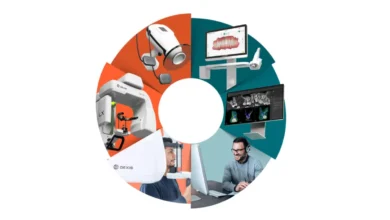
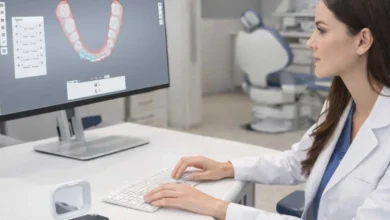
The journey begins with a comprehensive diagnostic examination. During this initial visit, the orthodontist evaluates the patient’s bite, jaw alignment, facial symmetry, and oral health status using advanced imaging, such as digital scans, X-rays, and photographs. Based on these diagnostic records, the specialist formulates a personalized treatment plan detailing the projected timeline, the recommended appliances, and the estimated costs.
Phase 2: Appliance Placement and Active Treatment
Once the plan is approved, the active phase of treatment commences. For traditional braces, this involves bonding brackets directly to the teeth and inserting the initial archwire—a procedure typically completed in a single, painless appointment. For clear aligners, patients receive their initial batch of custom-manufactured trays following the fitting of small, tooth-colored attachments designed to help the aligners grip the teeth effectively.
Throughout active treatment, patients visit their orthodontist periodically—usually every six to ten weeks—for adjustments, wire changes, or to receive new sets of aligners. These regular visits allow the specialist to monitor cellular bone remodeling, evaluate oral hygiene, and ensure that the teeth are tracking according to the projected digital or mechanical model.
Phase 3: The Removal of Appliances and Transition to Retention
Upon achieving the desired bite correction and dental alignment, the active appliances are removed. However, teeth possess a biological "memory" and tend to drift back toward their original positions due to the elasticity of the surrounding periodontal ligaments and gingival fibers. To counteract this natural tendency, the retention phase begins immediately. Patients are fitted with custom retainers—either removable (such as Hawley or clear plastic vacuum-formed trays) or fixed (bonded wire behind the front teeth). The retainer phase is lifelong, with wear requirements tapering down over the years under the guidance of the orthodontist.
Supporting Data and Factors Influencing Treatment Duration
Treatment duration varies widely depending on the biological complexity of the case. Mild spacing or minor crowding can frequently be resolved in eight to twelve months. Conversely, severe skeletal discrepancies, complex bite misalignments (such as severe overbites, underbites, or crossbites), and impacted teeth can extend treatment timelines to two years or longer.
Clinical data and orthodontic research indicate that several critical factors influence the overall speed and success of treatment:
- Biological Age: Adolescent patients generally experience faster tooth movement than adults. Because the jaws of children and teens are still developing and their bone density is less rigid, teeth move more predictably. Adult bone is fully mineralized, which can modestly increase the time required for cellular remodeling.
- Patient Compliance: The adherence to prescribed wear schedules is paramount. For patients using clear aligners, failing to wear the trays for the recommended 20 to 22 hours per day will stall progress. Similarly, patients instructed to wear interarch elastics (rubber bands) must maintain consistent wear to achieve proper bite interdigitation.
- Appliance Maintenance: Lost aligners, broken brackets, or detached bands interrupt the continuous application of force, effectively pressing "pause" on the biological movement and prolonging the overall timeline.
- Periodontal Health: The presence of untreated cavities, gingivitis, or periodontal disease mid-treatment forces orthodontists to pause active adjustments until the issues are resolved by a family dentist, thereby delaying the final result.
Comparative Analysis: Braces Versus Clear Aligners
A prevalent misconception in modern orthodontics is that clear aligners inherently offer a faster treatment timeline than traditional braces. Industry insights and clinical observations reveal that this is not universally true.
While clear aligners are celebrated for their aesthetic subtlety and removability—allowing patients to eat freely and maintain unhindered oral hygiene routines—they are manufactured off-site. The logistical cycle of scanning, digital planning, fabrication, and international shipping can introduce initial lead times before treatment even begins. Furthermore, because aligners rely entirely on patient self-discipline, poor compliance can easily negate any perceived speed advantage.
Conversely, traditional braces are applied chairside in a single visit and begin exerting mechanical force immediately. The orthodontist retains absolute control over adjustments at every scheduled visit, making braces highly effective for complex multi-plane tooth movements, root torque adjustments, and severe rotational corrections. Ultimately, neither option holds a universal built-in speed advantage; the most effective appliance is the one selected through professional diagnosis to match the specific biomechanical needs of the patient’s unique dental structure.
Managing Discomfort and Navigating Orthodontic Emergencies
Mild discomfort is a predictable physiological response to orthodontic treatment. When new braces are placed or archwires are adjusted, the sudden application of pressure triggers an inflammatory response in the periodontal ligament as osteoclasts and osteoblasts begin remodeling the bone. Patients commonly report aching, tenderness, and localized pressure for three to five days following adjustments. Additionally, the soft tissues of the lips, cheeks, and tongue may experience temporary irritation from rubbing against new hardware.
To mitigate this discomfort, clinical recommendations include:
- Rinsing the mouth with warm salt water to soothe irritated soft tissues.
- Applying orthodontic relief wax over protruding brackets or wires that cause friction.
- Utilizing over-the-counter analgesics as advised by a healthcare professional during the initial days following an adjustment.
- Maintaining a softer diet during flare-ups of tenderness.
While true medical emergencies—such as severe facial trauma, uncontrolled bleeding, or compromised airways—require immediate intervention at an emergency room or dental clinic, most unexpected orthodontic issues fall into the category of urgent maintenance rather than immediate peril. A loose bracket, a poking wire, a detached band, or a cracked retainer should be reported promptly to the orthodontic office. Staff can triage the situation, offering immediate palliative advice or scheduling a timely repair visit. Patients are strongly encouraged to maintain an at-home emergency kit stocked with orthodontic wax, dental floss, tweezers, and specialized interproximal brushes to manage minor mechanical issues between professional appointments.
Broader Impact, Professional Standards, and Future Implications
Orthodontic care extends far beyond cosmetic enhancement; it plays a vital role in long-term oral health. Properly aligned teeth are significantly easier to clean, which substantially lowers the risk of plaque accumulation, interproximal cavities, and periodontal disease. Furthermore, correcting functional bite discrepancies distributes occlusal forces evenly across the dental arches, preventing premature tooth wear, enamel abfraction, and temporomandibular joint (TMJ) stress.
Because treatment planning requires rigorous clinical judgment, facial analysis, and biomechanical expertise, governing bodies strongly advise patients to seek care from qualified specialists. Multiple consultations are common and encouraged, allowing patients to evaluate different diagnostic perspectives and establish trust with their chosen practitioner. Organizations such as the American Association of Orthodontists (AAO) advocate for specialized training standards, ensuring that practitioners have completed accredited, multi-year residency programs dedicated exclusively to dentofacial orthopedics and orthodontics.
Ultimately, achieving and maintaining a healthy, beautiful smile is a collaborative investment of time, patience, and professional expertise. By understanding the biological processes at play, adhering closely to clinical instructions, and respecting the essential role of long-term retention, patients can secure a functional and radiant smile designed to last a lifetime.
Related posts: