
Pork Tenderloin With Roasted Brussels Sprouts
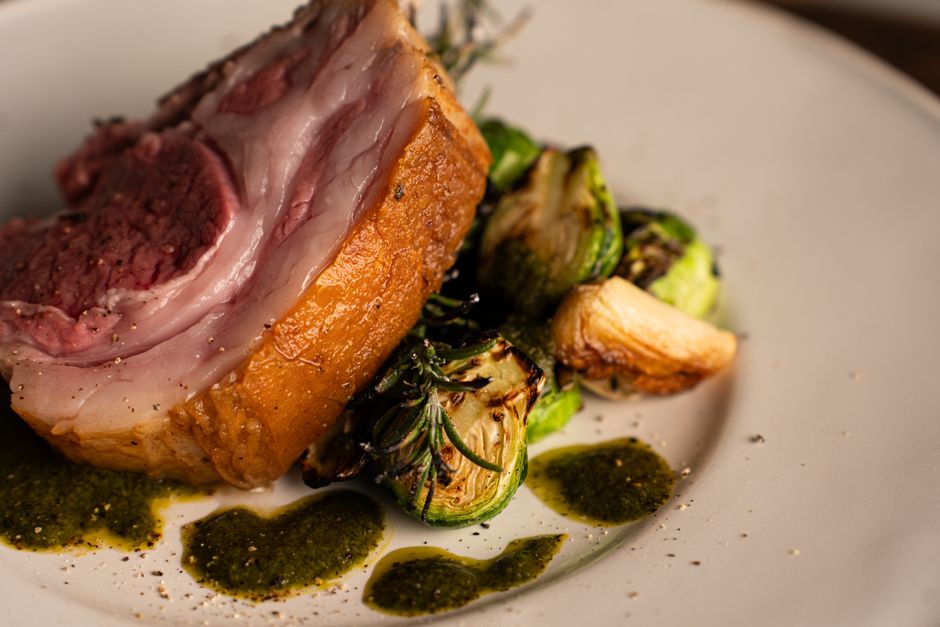
The Ultimate Guide to Perfectly Roasted Pork Tenderloin with Crispy Brussels Sprouts
Pork tenderloin, a lean and tender cut of pork, offers a versatile foundation for countless weeknight meals and impressive dinner party dishes. When paired with the sweet, slightly bitter, and irresistibly crispy notes of roasted Brussels sprouts, it transforms into a culinary masterpiece that’s both healthy and satisfying. This comprehensive guide will delve into every aspect of preparing this dynamic duo, from selecting the finest ingredients to mastering the cooking techniques that guarantee a restaurant-quality result every time. We will explore optimal cooking temperatures, seasoning strategies, and variations to suit diverse palates, ensuring you can confidently recreate this delicious and SEO-friendly meal with ease.
The appeal of pork tenderloin lies in its inherent tenderness and mild flavor, which readily absorbs marinades and rubs, making it an excellent canvas for a wide array of culinary inspirations. Unlike tougher cuts, it requires minimal cooking time and is less forgiving to overcooking, making precision crucial for achieving that melt-in-your-mouth texture. Brussels sprouts, often misunderstood and maligned for their cruciferous nature, reveal their true potential when subjected to high-heat roasting. This process caramelizes their natural sugars, transforming them into delightful morsels with a delightful crunch, effectively banishing any lingering bitterness. The synergy between the succulent pork and the crisp, earthy sprouts creates a balanced and harmonious flavor profile that resonates with a broad audience, making this dish a perennial favorite.
Selecting the Perfect Pork Tenderloin: Quality is Key
The foundation of any exceptional pork tenderloin dish begins with selecting the highest quality meat. Look for pork tenderloins that are a healthy pinkish-red color, indicating freshness. The surface should be firm and slightly moist, not slimy or excessively wet. A good indicator of quality is minimal marbling; while some fat is desirable for flavor and moisture, excessive fat can lead to a greasy end product. Pork tenderloins typically range from 1 to 1.5 pounds, serving approximately 2-3 people. When purchasing, examine the packaging for any signs of damage or leakage. If buying from a butcher, don’t hesitate to ask for their recommendation or if they can trim any excess silverskin. Silverskin is a thin, connective tissue that can become tough and unpleasant when cooked, so it’s best to remove it before preparation. A sharp knife is essential for this trimming process. Gently slide the knife under the silverskin and run it along the length of the tenderloin, applying gentle pressure to peel it away.
The Art of Seasoning Pork Tenderloin: Elevating Flavor
Once trimmed, the pork tenderloin is ready for seasoning. This is where you can infuse it with your desired flavor profile. A simple yet effective approach involves a generous rub of coarse sea salt and freshly ground black pepper. The salt not only enhances the natural pork flavor but also aids in moisture retention during cooking. For a more complex flavor, consider adding garlic powder, onion powder, paprika (sweet or smoked), or dried herbs such as rosemary, thyme, or sage. These herbs complement the pork beautifully. A drizzle of olive oil or a light coating of Dijon mustard before applying the rub helps the seasonings adhere and promotes even browning. For those seeking a more adventurous flavor, explore marinades. Common marinade ingredients include soy sauce, Worcestershire sauce, garlic, ginger, honey, brown sugar, and citrus juices. Remember that marinating time is crucial. Over-marinating can sometimes toughen the meat, especially with acidic ingredients. A typical marinating time for pork tenderloin is between 30 minutes and 2 hours. For a sweeter profile, a glaze can be applied during the final stages of cooking, often incorporating ingredients like maple syrup, honey, balsamic vinegar, or fruit preserves.
Mastering the Roast: Achieving Tender, Juicy Pork
Pork tenderloin is best cooked using high-heat roasting methods to ensure a tender interior and a beautifully browned exterior. The ideal internal temperature for pork tenderloin is 145°F (63°C) followed by a 3-5 minute rest. This temperature ensures that the pork is cooked through and safe to consume, yet still incredibly juicy and tender. Overcooking will result in dry, tough meat. A meat thermometer is an indispensable tool for achieving this precision.
Preheat your oven to a relatively high temperature, typically between 400°F and 425°F (200°C to 220°C). Place the seasoned pork tenderloin on a rimmed baking sheet lined with parchment paper for easy cleanup. Ensure there is adequate space around the tenderloin for even heat circulation. The cooking time will vary depending on the thickness of the tenderloin and your oven’s calibration, but a good estimate is 15-25 minutes. Begin checking the internal temperature after about 15 minutes. For a beautiful sear on all sides, you can opt for a two-step cooking process. First, sear the tenderloin in a hot, oven-safe skillet with a tablespoon of oil over medium-high heat for 2-3 minutes per side until golden brown. Then, transfer the skillet to the preheated oven to finish cooking. This method locks in juices and develops a richer flavor.
The Secret to Crispy Brussels Sprouts: High Heat and Proper Preparation
Brussels sprouts, when roasted correctly, are a revelation. The key to their success lies in high heat, proper preparation, and avoiding overcrowding the baking sheet.
Start by washing and trimming the Brussels sprouts. Remove any loose or yellowing outer leaves. For larger sprouts, you can cut them in half or quarters lengthwise to ensure they cook evenly with smaller ones. This also exposes more of the surface area for caramelization. Toss the prepared Brussels sprouts in a bowl with a tablespoon or two of olive oil, salt, and freshly ground black pepper. For an added layer of flavor, consider incorporating minced garlic, red pepper flakes, or a drizzle of balsamic glaze after roasting.
Spread the seasoned Brussels sprouts in a single layer on a separate baking sheet, or on the same baking sheet as the pork tenderloin, ensuring they have ample space. Overcrowding will steam the sprouts rather than roast them, resulting in a soggy texture. Roast the Brussels sprouts in the same oven as the pork tenderloin, typically at 400°F to 425°F (200°C to 220°C). They will take approximately 20-30 minutes to become tender and develop those coveted crispy edges. Halfway through the roasting time, toss the sprouts to ensure even browning.
Timing is Everything: Coordinating the Pork and Sprouts
The beauty of this dish lies in its ability to be cooked concurrently. The roasting times of the pork tenderloin and Brussels sprouts are quite similar, making it an efficient meal to prepare. While the oven is preheating, you can prepare both the pork and the sprouts. Once the pork goes into the oven, the sprouts can follow shortly after, or be placed on a rack above or below the pork depending on your oven’s heat distribution. Monitor both items closely, using your meat thermometer for the pork and visual cues for the sprouts. The pork tenderloin will require resting time after cooking, which is the perfect opportunity for the Brussels sprouts to finish their roasting to peak crispness.
Serving Suggestions and Flavor Variations
Once both the pork tenderloin and Brussels sprouts are perfectly cooked, it’s time to serve. Allow the pork tenderloin to rest for 5-10 minutes before slicing. This resting period is crucial for redistributing the juices, ensuring every slice is succulent. Slice the tenderloin against the grain into ½-inch thick medallions. Arrange the sliced pork tenderloin on a serving platter alongside the crispy roasted Brussels sprouts.
For a more complete meal, consider serving with a side of roasted potatoes, a light quinoa salad, or a dollop of creamy mashed potatoes. The pork and sprouts also pair wonderfully with a simple pan sauce made by deglazing the pork’s roasting pan with a splash of white wine or chicken broth and a knob of butter.
Flavor Variations to Explore:
- Garlic Herb Pork: Incorporate minced garlic, rosemary, and thyme into your pork rub.
- Sweet and Spicy Pork: Marinate the pork in a mixture of soy sauce, honey, sriracha, and garlic.
- Balsamic Glazed Pork: Brush the pork with a balsamic glaze during the last 5-10 minutes of roasting.
- Lemon Pepper Brussels Sprouts: Add lemon zest and extra black pepper to your Brussels sprout seasoning.
- Bacon-Wrapped Brussels Sprouts: For an indulgent twist, wrap halved Brussels sprouts in thin strips of bacon before roasting.
- Parmesan Roasted Brussels Sprouts: Toss the sprouts with grated Parmesan cheese during the last 10 minutes of roasting.
Troubleshooting Common Issues
- Dry Pork Tenderloin: This is almost always a result of overcooking. Invest in a reliable meat thermometer and cook to the recommended internal temperature of 145°F (63°C).
- Soggy Brussels Sprouts: Ensure your oven is preheated properly, and avoid overcrowding the baking sheet. High heat and adequate space are critical for crispiness.
- Tough Pork Tenderloin: This can be due to overcooking or not removing the silverskin. Proper trimming and precise cooking are essential.
- Bitter Brussels Sprouts: Roasting at high heat significantly reduces bitterness. Ensure they are well-seasoned with salt and fat.
By understanding the fundamental principles of selecting, seasoning, and cooking pork tenderloin and Brussels sprouts, you can consistently achieve a delicious and impressive meal. The combination of lean protein and nutrient-rich vegetables, prepared with simple yet effective techniques, makes this dish a standout in any culinary repertoire. Its inherent health benefits, coupled with its satisfying flavors and textures, ensure its popularity for both everyday dining and special occasions. Embrace these guidelines, experiment with your favorite flavors, and enjoy the unparalleled satisfaction of perfectly roasted pork tenderloin with crispy Brussels sprouts.
