
Strawberry Granita With Pistachios And Cream
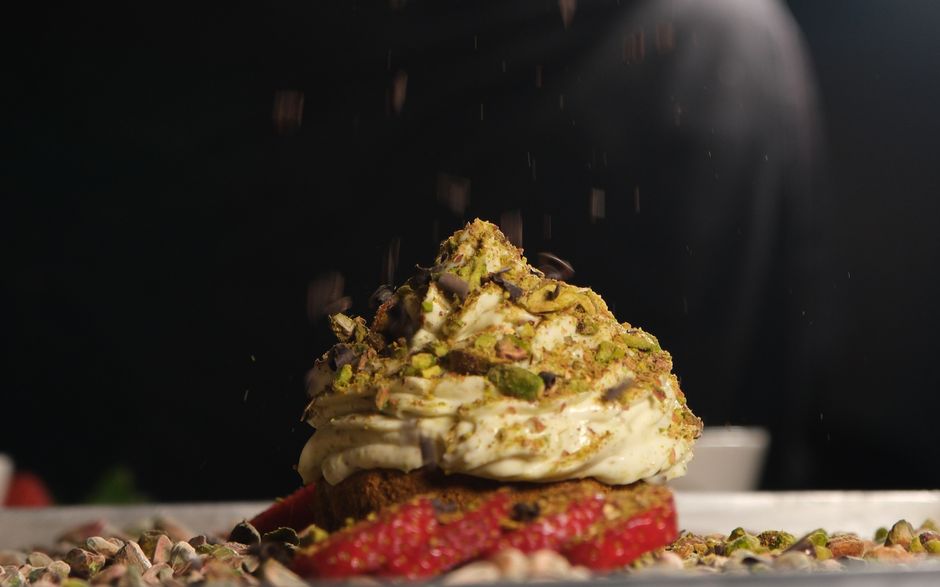
Strawberry Granita with Pistachios and Cream: A Culinary Symphony of Summer
Strawberry granita with pistachios and cream represents a sophisticated yet refreshingly simple dessert, a testament to the power of high-quality ingredients and precise execution. This Italian frozen delight transcends mere sorbet; its granular, icy texture, achieved through a specific freezing and scraping technique, offers a unique sensory experience. The inherent sweetness and vibrant tang of ripe strawberries form the foundation, a bright, clean flavor profile that is amplified by the addition of crunchy, roasted pistachios and a luxurious swirl of rich cream. This combination is not just a dessert; it’s an exploration of textures and complementary tastes, perfect for cleansing the palate after a hearty meal or as a standalone indulgence on a sweltering summer afternoon. Understanding the nuances of each component – the perfect ripeness of the strawberries, the ideal crunch of the pistachios, and the proper consistency of the cream – is key to unlocking its full potential.
The fundamental element of this dessert is, of course, the strawberry. Selecting the finest strawberries is paramount. Look for fruits that are deeply red, plump, and fragrant, with no signs of bruising or soft spots. Organic, locally sourced strawberries will invariably offer a more intense and authentic flavor, unmarred by prolonged transport or artificial ripening. The sweetness and acidity balance will be more pronounced, requiring less, if any, added sugar in the granita base. When preparing the strawberries, a simple hulling and pureeing process is sufficient. Avoid over-processing, which can lead to a gummy texture. A slightly coarse puree retains some of the fruit’s natural texture, contributing to the final granita’s character. The natural sugars present in ripe strawberries often provide ample sweetness, but a small addition of granulated sugar or a light simple syrup might be necessary to achieve the desired balance, especially if the berries are on the tarter side. The sugar not only sweetens but also plays a crucial role in the granita’s texture by lowering the freezing point of the liquid, preventing it from freezing into a solid, unyielding block.
The process of making granita is what truly defines its identity. Unlike sorbet, which is typically churned in an ice cream maker to create a smoother, more uniform texture, granita relies on manual intervention. After the strawberry-sugar mixture is prepared and chilled, it is poured into a shallow, freezer-safe dish, such as a metal baking pan. The dish is then placed in the freezer. At regular intervals, typically every 30-45 minutes, the developing ice crystals on the surface are scraped and broken up with a fork. This process of repeated freezing and scraping is repeated for several hours until the entire mixture has transformed into a collection of fine, fluffy ice crystals. The objective is to achieve a texture that is neither a solid block nor overly slushy, but rather a delicate, crystalline formation that melts luxuriously on the tongue. The shallow pan is crucial for maximizing surface area, allowing for more efficient freezing and easier scraping. Some recipes might incorporate a splash of lemon juice or a touch of liqueur, such as Grand Marnier or Limoncello, to add complexity and enhance the strawberry’s natural vibrancy. However, for a purist approach, the pure strawberry flavor is often sufficient.
The pistachio element introduces a vital textural contrast and a subtle, earthy nuttiness that beautifully complements the bright sweetness of the strawberries. For optimal flavor and crunch, it is highly recommended to use unsalted pistachios and lightly toast them. Roasting brings out their inherent oils and intensifies their flavor, transforming them from merely good to truly exceptional. This can be done in a dry skillet over medium heat, stirring frequently, or in a preheated oven at around 350°F (175°C) for 8-10 minutes, until fragrant. Allow them to cool completely before chopping. The chopping should be coarse, leaving some larger pieces for a more satisfying bite. The aim is not to create a powder but distinct, discernible fragments that provide a delightful crunch against the icy granita. Some chefs might opt for lightly salted pistachios to introduce a hint of savory balance, a technique that can elevate the overall flavor profile, especially for those who enjoy a more complex sweet and salty interplay. The visual appeal of the vibrant green pistachios against the ruby-red granita is also a significant draw, contributing to the dessert’s aesthetic charm.
The addition of cream provides a luxurious counterpoint, offering richness and a silken texture that balances the sharp, icy nature of the granita. There are several ways to incorporate the cream, each yielding a slightly different result. A simple, unsweetened whipped cream is a classic choice. Heavy cream, whipped to soft peaks, offers a delicate cloud-like texture that melts into the granita. For a richer experience, a lightly sweetened whipped cream can be used, with just a hint of sugar and perhaps a touch of vanilla extract. Another approach is to use crème fraîche or a mascarpone cream. Crème fraîche, with its inherent tanginess, can provide a sophisticated contrast to the sweet strawberries. Mascarpone, with its incredibly smooth and rich consistency, adds an unparalleled level of decadence. The cream is typically served dolloped generously on top of the granita just before serving, allowing the diner to integrate it as they please. Alternatively, a thin stream of heavy cream or even a drizzle of condensed milk can be incorporated for a different textural experience and sweetness profile. The key is to ensure the cream is cold when served to maintain the contrast with the frozen granita.
The synergy between these three components is where the true magic lies. The icy, fragmented structure of the strawberry granita provides a refreshing palate cleanser, its bright acidity cutting through any richness. The crunchy, slightly savory pistachios offer a delightful textural interruption, preventing the dessert from becoming monolithic. Finally, the creamy element provides a luscious mouthfeel, a comforting embrace that smooths out the sharp edges and binds the flavors together. When consumed together, each bite offers a complex interplay of temperatures, textures, and tastes: the invigorating chill of the ice, the satisfying crunch of the nuts, the subtle sweetness of the fruit, and the velvety smoothness of the cream. This layered experience is what elevates strawberry granita with pistachios and cream from a simple frozen treat to a refined dessert worthy of any occasion.
Serving this dessert is an art form in itself. The granita should be scraped from its frozen state just before serving to maintain its optimal crystalline texture. It can be presented in chilled individual bowls or glasses. A generous spoonful of the granita is placed in the serving vessel, followed by a dollop of the prepared cream and a scattering of the chopped pistachios. For an extra touch of elegance, a small, fresh mint sprig can be added as a garnish, providing a pop of color and an aromatic flourish. The visual appeal is as important as the taste, so consider the presentation. The vibrant red of the strawberries, the emerald green of the pistachios, and the pristine white of the cream create a visually striking composition. The temperature contrast between the frozen granita and the cool cream is also a key sensory element.
The versatility of this dessert is another of its strong suits. While the classic combination of strawberry, pistachio, and cream is exceptional, variations are abundant. Consider infusing the strawberry syrup with a hint of basil or mint for an herbaceous twist. Experiment with different nuts, such as almonds or macadamia nuts, for alternative textural and flavor profiles. For a more decadent cream component, a lemon-infused mascarpone or a lavender-scented whipped cream can be explored. The base granita itself can also be adapted. While strawberry is a classic, other berries like raspberries or even a mix of berries can be used. The addition of a splash of balsamic vinegar to the strawberry puree can introduce an unexpected depth and complexity that works surprisingly well with the sweet and nutty elements.
From an SEO perspective, incorporating relevant keywords naturally throughout the article is crucial for discoverability. Terms such as "strawberry granita recipe," "Italian dessert," "frozen strawberry treat," "pistachio and cream," "summer dessert," "easy granita," "homemade granita," "best granita," and "no-churn dessert" can be strategically woven into the narrative. Highlighting the ingredients, such as "ripe strawberries," "roasted pistachios," and "whipped cream," also aids in search engine optimization. The article’s comprehensive nature, delving into the ‘how-to’ and ‘why’ of each component, naturally lends itself to a higher ranking in search results for users seeking detailed information on this specific dessert. The distinct texture of granita, often a point of confusion for those unfamiliar with it, is explained clearly, further enhancing its SEO value.
The process of achieving the perfect granita texture involves patience and attention to detail. Over-freezing can result in a hard, icy mass, while insufficient scraping will leave it too liquid. The ideal outcome is a granular, snowy texture that crumbles easily when scooped. The ratio of liquid to sugar in the initial strawberry mixture is also important. Too little sugar will result in a very hard freeze, while too much can make it overly sweet and prevent proper ice crystal formation. A good starting point is a 1:1 ratio of fruit puree to liquid (including sugar and any added water or liqueur), but this can be adjusted based on the natural sweetness of the fruit. The chilling time of the initial mixture before freezing is also a factor; ensuring it is thoroughly cold will expedite the freezing process and contribute to finer ice crystals.
The pistachio element should not be an afterthought. The quality of the pistachios directly impacts the final flavor. Avoid pre-shelled pistachios that have been sitting on shelves for extended periods, as they can lose their freshness and become stale. Opt for whole, in-shell pistachios that you can shell yourself just before roasting for the best results. The salt content, as mentioned, is a matter of personal preference. For a more refined dessert, unsalted is generally preferred, allowing the natural flavors of the strawberry and pistachio to shine through. If using salted pistachios, consider reducing or omitting any added salt in the other components.
The cream component, while seemingly simple, offers numerous avenues for customization. The fat content of the cream will influence its stability and richness. Heavy whipping cream (36-40% fat) is ideal for achieving a stable whipped cream. Lower fat creams will be more challenging to whip effectively. Sweetening the cream should be done judiciously. A tablespoon or two of powdered sugar per cup of cream is usually sufficient. Over-sweetening can detract from the refreshing quality of the granita. Vanilla extract is a classic addition, but consider exploring other flavorings like almond extract, rose water, or even a hint of citrus zest to complement the strawberry.
The combination of strawberry granita with pistachios and cream is a testament to the beauty of simplicity and the power of well-executed ingredients. It offers a sophisticated yet approachable dessert that celebrates the essence of summer. Its unique texture, vibrant flavors, and elegant presentation make it a standout choice for both casual gatherings and more formal occasions. The inherent health benefits of fresh strawberries, coupled with the natural goodness of nuts and dairy, also contribute to its appeal. This dessert is more than just a sweet ending; it’s a culinary experience that engages all the senses, leaving a lasting impression of refreshing indulgence. The SEO value is derived from the detailed breakdown of each element, providing comprehensive answers to potential search queries, and the natural inclusion of relevant keywords.
