
Tag Budget Meal Prep
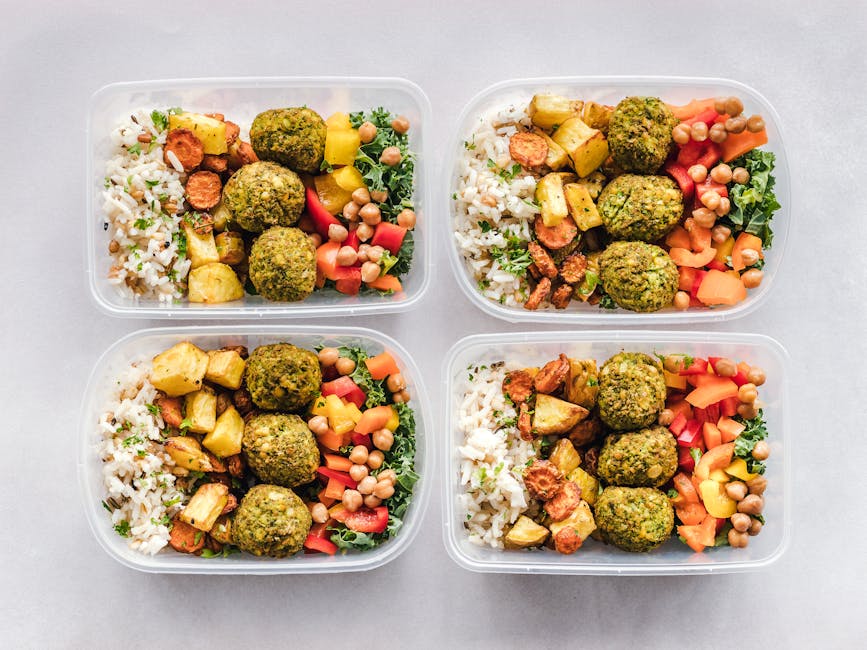
Tag Budget Meal Prep: Mastering Affordable and Efficient Home Cooking
Budget meal prep is a strategic approach to preparing food that prioritizes cost-effectiveness, time efficiency, and healthy eating. The core concept revolves around planning meals, purchasing groceries strategically, and cooking in bulk to create a week’s worth of nutritious and affordable food ahead of time. This method directly combats the pervasive issue of expensive and often unhealthy convenience foods and restaurant meals. By investing a few hours upfront, individuals and families can significantly reduce their food spending, minimize food waste, and ensure they have healthy options readily available, eliminating the temptation of impulse purchases or resorting to takeout when time is scarce. This proactive approach to eating empowers individuals to take control of their health and finances simultaneously, demonstrating that healthy eating doesn’t need to be a financial burden. The foundational elements of successful budget meal prep include meticulous planning, smart shopping, and efficient cooking techniques.
Strategic Meal Planning for Maximum Savings
The cornerstone of budget meal prep is meticulous meal planning. This isn’t merely deciding what to eat; it’s a deliberate process of strategizing to minimize costs and maximize ingredient utilization. Begin by assessing your current food inventory. What staples do you already have on hand? What is approaching its expiration date? Integrating these existing items into your plan prevents waste and reduces the need for duplicate purchases. Next, establish a weekly meal calendar, outlining breakfast, lunch, and dinner for each day. Prioritize meals that share common ingredients. For example, if you plan to roast a whole chicken, you can use the leftovers for chicken salads, stir-fries, or as a base for soups throughout the week. This ingredient synergy is paramount in budget meal prep, as it reduces the number of unique items you need to buy, thereby lowering your grocery bill.
When selecting recipes, favor those that are naturally budget-friendly. Lentils, beans, rice, oats, pasta, and seasonal vegetables are excellent foundational ingredients for cost-effective meals. Consider recipes that utilize less expensive cuts of meat or rely more heavily on plant-based protein sources. Avoid recipes that call for specialty or out-of-season ingredients, as these can drastically inflate your grocery costs. Another crucial aspect of planning is to consider portion sizes. Over-preparing leads to food waste, which directly contradicts the budget-friendly objective. Plan for realistic portion sizes based on your household’s needs, and adjust recipes accordingly. Furthermore, incorporating leftovers into your meal plan is a powerful cost-saving strategy. Designate specific days for enjoying leftovers or repurpose them into entirely new dishes. This "waste-not, want-not" philosophy is central to successful budget meal prep. Finally, once your meal plan is drafted, transform it into a detailed grocery list. Stick to this list religiously during your shopping trips to avoid impulse buys and ensure you only purchase what you need.
Smart Grocery Shopping: The Art of the Budget Haul
The grocery store is where budget meal prep truly takes flight, or falters. Smart shopping is an art form that requires a combination of awareness, discipline, and strategic execution. The first rule is to always shop with your pre-prepared grocery list. This list, derived directly from your meal plan, is your shield against the allure of impulse purchases, which are often the biggest budget drain. Before you even step into the store, check for sales flyers and digital coupons from your preferred supermarkets. Align your meal plan, as much as possible, with what is currently on sale. Buying in bulk is another cornerstone of budget grocery shopping. Items like rice, pasta, dried beans, oats, and canned goods are often significantly cheaper when purchased in larger quantities. However, be mindful of storage space and your actual consumption rate to avoid buying more than you can use before it spoils.
Consider the "unit price" – the cost per ounce, pound, or item. This metric is invaluable for comparing the true cost of different brands and sizes. A larger package might seem more expensive upfront but could offer a lower unit price. Produce is a significant area where budget strategies can be applied. Opt for in-season fruits and vegetables, as they are typically more abundant and therefore less expensive. Don’t shy away from "ugly" produce; these cosmetically imperfect items are often discounted but offer the same nutritional value and flavor. Frozen and canned fruits and vegetables are also excellent budget-friendly alternatives, especially when fresh produce is out of season or prohibitively expensive. They retain their nutrients and have a significantly longer shelf life. When it comes to proteins, consider less expensive options such as chicken thighs, ground turkey, eggs, beans, and lentils. Buying larger cuts of meat and portioning them yourself can also be more cost-effective than pre-cut portions. If you do buy meat, consider buying in bulk when on sale and freezing portions for later use.
Shopping at discount grocery stores or farmers’ markets can also yield significant savings. Compare prices across different retailers to identify the best deals. Avoid pre-packaged and pre-cut items whenever possible, as the convenience comes at a premium. Dicing your own vegetables or assembling your own spice blends will save money. Finally, practice the "shop the perimeter" principle. The outer aisles of the grocery store typically house fresh produce, dairy, and meats, which are generally less processed and can be more budget-friendly than the processed foods found in the inner aisles. A disciplined approach to grocery shopping, guided by your meal plan and a keen eye for value, is non-negotiable for successful budget meal prep.
Efficient Cooking and Storage Techniques for Meal Prep Success
Once your ingredients are home, the next critical phase is efficient cooking and storage. The goal is to maximize your time investment by preparing multiple meals or components simultaneously. Batch cooking, the practice of preparing large quantities of individual food items or complete meals, is the backbone of this stage. Instead of cooking a single meal for each day, you dedicate a block of time (often a few hours on a weekend) to prepare food for the entire week. This could involve roasting multiple trays of vegetables, cooking a large pot of grains like rice or quinoa, grilling or baking a significant amount of protein, and washing and chopping produce.
One of the most efficient cooking methods for meal prep is sheet pan cooking. You can roast vegetables and proteins together on a single baking sheet, minimizing cleanup and maximizing oven efficiency. Similarly, large-pot cooking is ideal for soups, stews, chili, and grains. These dishes are often even tastier the next day and freeze well. Consider also preparing "meal components" rather than fully assembled meals. For example, cook a large batch of grilled chicken breasts, roasted sweet potatoes, and a big salad base. Then, each day, you can quickly assemble different combinations for varied meals. This approach offers flexibility and prevents taste fatigue.
Proper storage is paramount to ensuring the safety and freshness of your prepped meals. Invest in good quality, airtight food storage containers. Glass containers are excellent for reheating and are more durable than many plastics. For portioning, consider containers with separate compartments to keep different food items from becoming soggy or mixed. When storing cooked food, allow it to cool down to room temperature before sealing and refrigerating. This prevents condensation buildup, which can lead to spoilage. For longer storage, freezing is your best friend. Soups, stews, chili, cooked grains, and even cooked proteins freeze exceptionally well. Ensure you label your frozen items with the contents and date of preparation to avoid confusion and ensure you use them within their optimal quality timeframe.
When packing lunches or individual meals, consider the order of assembly. For salads, keep dressings separate to prevent wilting. For dishes that might become mushy, such as pasta with sauce, store the pasta and sauce separately if possible, or ensure the pasta is cooked al dente. For hot meals, reheat them thoroughly to an internal temperature of 165°F (74°C) to ensure food safety. Understanding the shelf life of different foods is also important. Cooked meats and vegetables typically last 3-4 days in the refrigerator, while grains and legumes can last a bit longer. By implementing efficient cooking methods and employing smart storage strategies, you can transform your kitchen into a meal prep powerhouse, saving time and money while enjoying healthy, home-cooked meals.
Budget-Friendly Meal Ideas and Recipe Inspiration
The beauty of budget meal prep lies in its adaptability, allowing for a vast array of delicious and affordable meals. The key is to leverage staple ingredients and simple flavor combinations.
Breakfast:
- Oatmeal Power Bowls: Rolled oats cooked with water or milk, topped with frozen berries, a drizzle of honey or maple syrup, and a sprinkle of nuts or seeds. This is incredibly cost-effective and customizable.
- Egg Muffins: Whisked eggs baked in muffin tins with chopped vegetables (onions, peppers, spinach), cheese, and pre-cooked sausage or bacon bits. These are portable and satisfying.
- Overnight Oats: Oats soaked in milk or yogurt overnight, creating a ready-to-eat breakfast. Add fruit, chia seeds, and a touch of sweetener.
Lunch:
- Lentil Soup with Whole Wheat Bread: A hearty and protein-rich soup made with dried lentils, vegetables like carrots, celery, and onions, and vegetable broth. Serve with a slice of whole-wheat bread for a filling meal.
- Bean and Rice Burrito Bowls: Black beans or pinto beans, seasoned rice, salsa, corn, and a dollop of Greek yogurt or a sprinkle of cheese. You can also add shredded chicken or ground turkey if your budget allows.
- Tuna Salad or Chickpea Salad Sandwiches/Wraps: Canned tuna or mashed chickpeas mixed with mayonnaise or Greek yogurt, celery, and onion, served on whole-wheat bread or in a whole-wheat wrap.
- Pasta Salad with Canned Tuna or Chickpeas: Cooked pasta tossed with chopped vegetables, canned tuna or chickpeas, and a simple vinaigrette dressing.
Dinner:
- Sheet Pan Roasted Chicken and Vegetables: Chicken thighs or drumsticks roasted on a sheet pan with chopped seasonal vegetables like broccoli, potatoes, carrots, and onions, seasoned with herbs and spices.
- Chili with Ground Turkey or Beans: A large pot of chili made with ground turkey (or a mix of beans for a vegetarian option), tomatoes, onions, peppers, and chili spices. Serve with a small amount of rice or cornbread.
- Shepherd’s Pie with Lentil or Ground Meat Filling: A base of savory ground meat (or lentils) and vegetables topped with mashed potatoes or a sweet potato mash.
- Stir-Fry with Rice and Frozen Vegetables: A quick stir-fry using a protein source like chicken, tofu, or shrimp (if on sale), a generous amount of frozen stir-fry vegetables, and a simple soy sauce-based sauce, served over rice.
- Baked Ziti or Lasagna with Ground Meat or Lentils: A comforting and filling pasta bake. You can make a large batch and freeze individual portions.
Key Budget-Friendly Ingredients to Stockpile:
- Grains: Rice (brown and white), oats, pasta, quinoa.
- Legumes: Dried lentils, dried beans (black, pinto, kidney), canned beans.
- Proteins: Chicken thighs/drumsticks, ground turkey, eggs, canned tuna, tofu.
- Vegetables: Onions, potatoes, carrots, sweet potatoes, frozen vegetables (broccoli, peas, corn, mixed vegetables), canned tomatoes.
- Fruits: Apples, bananas, frozen berries.
- Dairy/Alternatives: Milk, yogurt, cheese (block cheese is often cheaper than shredded).
- Pantry Staples: Vegetable broth, olive oil, vinegar, spices, flour, sugar, salt.
By focusing on these versatile and cost-effective ingredients, you can create a diverse and satisfying meal prep rotation that keeps your budget in check without compromising on nutrition or taste. The ability to adapt these core ideas to sales and seasonal availability is crucial for ongoing savings.
Overcoming Challenges and Maintaining Momentum
While budget meal prep offers significant advantages, maintaining momentum and overcoming common challenges is essential for long-term success. One of the primary hurdles is time commitment. Initially, meal prep can feel time-consuming. The key is to view this time as an investment that pays dividends throughout the week. Start small with just a few meals, and gradually increase your prep load as you become more efficient. Batch cooking components rather than full meals can also reduce the upfront time investment.
Another challenge is plateauing in creativity and falling into a rut with the same few meals. To combat this, actively seek out new budget-friendly recipes. Utilize online resources, cookbooks focused on frugal eating, and social media for inspiration. Experiment with different spices, herbs, and flavor profiles to keep your meals exciting. Furthermore, involve family members in the planning and preparation process. This can make the task more enjoyable and foster a shared commitment to healthy eating and saving money.
Food spoilage and waste can also be a significant setback, especially when trying to stick to a budget. This is often a result of over-preparation or improper storage. Re-evaluate your portion sizes and consumption habits. If you consistently have leftovers that go bad, reduce the quantities you prepare. Ensure you are properly cooling and storing all prepped food. Utilizing your freezer effectively for longer-term storage is crucial. Labeling is essential here.
Unexpected expenses or deviations from the plan can disrupt even the most well-laid budget. Life happens, and sometimes you might need to eat out or a recipe might turn out differently than expected. Don’t let a single setback derail your entire effort. Simply get back on track with your next meal or the following week. View it as a learning experience and adjust your planning accordingly. Perhaps you need a slightly larger contingency in your grocery budget for unforeseen circumstances.
Finally, maintaining motivation can be difficult, especially when faced with the allure of convenient, less healthy options. Remind yourself of the tangible benefits of your efforts: significant cost savings, improved health, reduced stress around meal times, and a greater sense of control over your diet. Track your savings by comparing your weekly food expenditure before and after implementing meal prep. This data can be a powerful motivator. Celebrate small victories and acknowledge the positive impact budget meal prep is having on your life. With a strategic approach, consistent effort, and a focus on overcoming these common challenges, budget meal prep can become a sustainable and rewarding habit that transforms your relationship with food and finances.
