
Tag Collard Greens Recipe
The Ultimate Southern Collard Greens Recipe: A Guide to Flavorful, Tender Greens
This comprehensive guide delves into crafting the ultimate Southern collard greens, a staple of soul food cuisine. We’ll explore the nuances of selection, preparation, cooking techniques, and flavor building to achieve perfectly tender, deeply savory collard greens that are both healthy and incredibly satisfying. Beyond a simple recipe, this article aims to educate on the why and how behind each step, empowering you to create collard greens that are a true culinary triumph. We will cover everything from sourcing the best greens to achieving that signature smoky, slightly sweet, and undeniably comforting flavor profile that defines authentic Southern cooking.
Choosing the Best Collard Greens: Foundation of Flavor
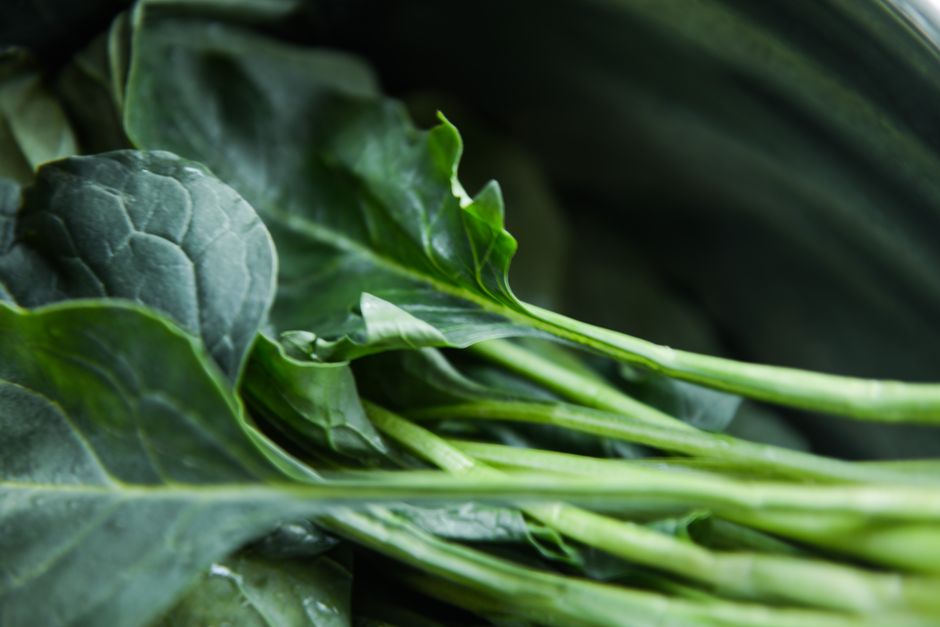
The quality of your collard greens directly impacts the final dish. Selecting fresh, vibrant greens is paramount. Look for collard greens with deep green, unblemished leaves. Avoid those with yellowing, wilting, or slimy spots, as these indicate the greens are past their prime and will result in a less flavorful and potentially bitter outcome. The leaves should feel firm and crisp to the touch. While year-round availability is common, collard greens are often at their sweetest and most tender after the first frost. This natural process converts starches into sugars, mitigating any inherent bitterness and enhancing their overall flavor. When buying pre-packaged collard greens, ensure the bag is free of excess moisture, which can promote spoilage. If purchasing from a farmer’s market, inspect the bunch carefully, looking for healthy stems and vibrant leaf color. For the most authentic flavor, seek out mature collard greens, which tend to have a richer, deeper taste. Younger, more tender collards can sometimes be a bit more delicate in flavor and may require a slightly shorter cooking time.
Preparing Collard Greens: The Essential Cleaning and Cutting Process
Proper preparation is crucial for both taste and texture. Collard greens, being field-grown, often carry grit and can harbor small insects. Thorough cleaning is non-negotiable. Begin by rinsing the leaves individually under cool running water. A good method is to fill a clean sink or large bowl with cool water, submerge the leaves, and gently agitate them to loosen any dirt. Drain the water and repeat this process at least two to three times, or until the water runs clear. After rinsing, it’s time to remove the tough, fibrous stems. For larger, more mature collard greens, the central rib can be quite thick. You can either trim it off entirely with a sharp knife or fold the leaf in half lengthwise and slice along the rib to remove it. Younger, more tender greens may only require a gentle trim of the very base of the stem. Once the stems are removed, stack a few leaves on top of each other, roll them up tightly like a cigar, and then slice them into ribbons, also known as "chiffonade." This cutting technique ensures even cooking and a more pleasant eating experience. The thickness of your ribbons can be adjusted to your preference; thinner ribbons will cook faster and integrate more seamlessly into the broth, while thicker ribbons will retain more of their individual texture.
The Flavor Base: Building Depth with Aromatics and Fat
The soul of Southern collard greens lies in the richness and depth of their flavor base. This typically starts with rendered pork, which provides an unparalleled savory foundation. Smoked ham hocks are the traditional and highly recommended choice, offering a smoky, salty, and slightly sweet dimension. Other excellent options include smoked turkey necks or wings, which provide a leaner but still deeply flavorful alternative. For those seeking a vegetarian or vegan preparation, smoked paprika, liquid smoke, and vegetable broth can be used to mimic these smoky notes. The fat rendered from the pork is essential for sautéing the aromatics. Begin by browning your chosen pork product in a large, heavy-bottomed pot or Dutch oven over medium heat. Once the pork is nicely browned and has released its fat, remove it from the pot and set aside, leaving the rendered fat behind. Next, add chopped yellow onion and minced garlic to the pot. Sauté these aromatics in the pork fat until they are softened and fragrant, typically 5-7 minutes. This step caramelizes the onions and infuses the fat with their sweet and pungent flavors, laying the groundwork for the collard greens.
The Cooking Liquid: Broth and Seasoning for Perfect Tenderness
The cooking liquid is where the collard greens will simmer and soften, absorbing all the delicious flavors. While water can be used, chicken broth or a good quality vegetable broth will contribute additional depth and richness. The amount of liquid will depend on the volume of your greens and your desired consistency. A good starting point is to have enough liquid to mostly cover the greens, but not drown them. As the greens cook down, they will release their own moisture, so it’s better to start with slightly less and add more if needed. The seasoning is critical at this stage. Beyond the rendered pork and aromatics, salt and black pepper are essential. However, the true magic of Southern collard greens comes from a touch of acidity and sometimes a hint of sweetness to balance the earthy, sometimes slightly bitter notes of the greens. Apple cider vinegar is a classic choice, adding a bright tang that cuts through the richness. A pinch of sugar or a drizzle of molasses can further enhance the sweetness and add a beautiful depth of color. Red pepper flakes can be added for a subtle kick of heat. Remember to taste and adjust seasonings as you go, especially considering the saltiness of your pork product.
Simmering to Perfection: Achieving Tender, Flavorful Greens
Once the flavor base is established and the greens are prepared, it’s time for the simmering process. Add the cleaned and chopped collard greens to the pot, layering them if necessary. Return the browned pork product to the pot. Pour in your chosen cooking liquid, ensuring the greens are mostly submerged. Bring the liquid to a gentle simmer over medium-high heat, then reduce the heat to low, cover the pot tightly, and let the greens cook. The simmering time is where patience is key. For truly tender collard greens, expect a minimum of 1 to 1.5 hours. Some prefer to cook them for even longer, up to 2 or 3 hours, to achieve an exceptionally melt-in-your-mouth texture. During the cooking process, stir the greens occasionally to ensure even cooking and prevent sticking. If the liquid level drops too low, add more broth or water. As the greens cook, they will wilt significantly and their color will deepen to a rich, dark green. The broth will also become infused with all the flavors, transforming into a delicious, savory pot liquor.
The "Pot Liquor": The Treasure of Collard Greens
The "pot liquor" is the flavorful liquid that remains after cooking collard greens. It is considered by many to be as prized as the greens themselves. This nutrient-rich broth is a concentrated essence of all the ingredients – the pork, aromatics, and greens. Traditionally, it’s served alongside the greens and is meant to be sipped or used for dipping cornbread. Before serving, it’s often recommended to remove the pork hock or turkey neck, shred any meat from the bone, and return it to the pot. This adds an extra layer of flavor and texture to the finished dish. Some home cooks also like to thicken the pot liquor slightly by removing the lid during the last 30 minutes of cooking, allowing some of the liquid to evaporate. You can also mash some of the cooked greens against the side of the pot to release their natural starches and thicken the broth. Regardless of your preferred consistency, never discard the pot liquor – it’s a culinary goldmine.
Variations and Enhancements: Customizing Your Collard Greens
While the classic Southern collard greens recipe is undeniably delicious, there are numerous ways to customize and enhance the dish to suit your palate and dietary needs. For a spicier kick, increase the amount of red pepper flakes or add a chopped jalapeño or serrano pepper along with the onions and garlic. A splash of hot sauce added during the simmering process or served on the side can also provide desired heat. For a sweeter profile, consider adding a tablespoon or two of brown sugar or a small amount of chopped dried fruit like raisins or cranberries during the last 30 minutes of cooking. If you’re looking to incorporate more vegetables, finely diced carrots or celery can be added with the onions for added flavor and texture. For a heartier dish, some recipes include a diced smoked sausage, such as kielbasa or andouille, added alongside the pork hocks. For a vegetarian or vegan adaptation, as mentioned earlier, focus on building a robust smoky flavor with smoked paprika, liquid smoke, and a flavorful vegetable broth. You can also add a pound of sautéed mushrooms for an umami boost. Don’t be afraid to experiment with different types of vinegar; balsamic vinegar can offer a different kind of acidity and sweetness.
Serving Suggestions: The Perfect Companions to Collard Greens
Collard greens are a versatile side dish that pairs beautifully with a wide array of Southern classics. They are an indispensable component of any soul food meal, complementing dishes like fried chicken, baked macaroni and cheese, and cornbread. The slightly bitter and savory notes of the greens provide a perfect counterpoint to rich and fried foods. Cornbread, in its many forms – from a dense, moist skillet cornbread to a lighter, crumbly muffin-style – is a traditional and beloved accompaniment. Its slightly sweet and crumbly texture is ideal for sopping up the flavorful pot liquor. Other excellent pairings include barbecue pulled pork, smoked ribs, and fried fish. For a lighter meal, collard greens can be served alongside grilled chicken or fish. Remember to serve them hot, with plenty of the delicious pot liquor for dipping and drizzling. The communal aspect of Southern dining often involves passing around a large platter of collard greens, allowing everyone to partake in this flavorful tradition.
Nutritional Benefits of Collard Greens: A Healthy Choice
Beyond their incredible flavor, collard greens are a nutritional powerhouse. They are an excellent source of vitamins A, C, and K, as well as folate and calcium. These leafy greens are packed with antioxidants, which can help protect the body against cell damage. The fiber content in collard greens also contributes to digestive health and can help regulate blood sugar levels. While traditional preparations often involve pork, the greens themselves are inherently low in calories and fat, making them a healthy addition to any diet. Even with the addition of smoked meats, the overall health profile remains impressive. Their high vitamin K content is particularly noteworthy, as it plays a crucial role in blood clotting and bone health. The vibrant green color is indicative of their high chlorophyll content, which has been linked to various health benefits. Incorporating collard greens into your diet is a delicious way to boost your intake of essential nutrients and support overall well-being.
Troubleshooting Common Issues: Perfecting Your Collard Greens
Even with the best intentions, occasional issues can arise when cooking collard greens. One common problem is bitterness. This can sometimes occur if the greens are harvested before a frost or if the stems are not properly removed. Adding a touch more sweetness (sugar, molasses) or acidity (vinegar) during the cooking process can help to mitigate bitterness. Another issue can be toughness. This is usually a result of insufficient cooking time. Collard greens require a significant amount of simmering to become tender. Ensure you are cooking them for at least 1 to 1.5 hours, and even longer if necessary. If your greens are gritty, it means they weren’t cleaned thoroughly enough. Always err on the side of caution when washing leafy greens. If the pot liquor seems too thin, you can remove the lid during the last 30 minutes of cooking to allow some of the liquid to evaporate. Conversely, if it’s too thick, you can add a bit more broth or water. Lastly, ensure you are tasting and adjusting seasonings throughout the cooking process. The salt content of smoked meats can vary, so it’s important to season accordingly.
Storing and Reheating Collard Greens: Preserving the Flavor
Proper storage and reheating will ensure your delicious collard greens can be enjoyed for days to come. Once cooled, store leftover collard greens in an airtight container in the refrigerator for up to 3-4 days. The flavors often meld and deepen overnight, making them even more delicious the next day. To reheat, you can gently simmer them on the stovetop over low heat, adding a splash of water or broth if needed. Alternatively, they can be reheated in the microwave, covered, until heated through. For larger batches, freezing is an option. Allow the collard greens to cool completely, then portion them into freezer-safe containers or bags. They can be stored in the freezer for up to 3 months. Thaw overnight in the refrigerator before reheating. When reheating frozen collard greens, you may need to add a bit more liquid to revive them. Freezing can sometimes slightly alter the texture of the greens, but the flavor will largely remain intact.
The Enduring Legacy of Southern Collard Greens
The preparation of Southern collard greens is more than just a recipe; it’s a culinary tradition steeped in history and cultural significance. From the fields of the American South to tables across the globe, these humble greens have earned their place as a beloved comfort food. The process of slow cooking, the melding of savory and smoky flavors, and the communal act of sharing them all contribute to their enduring appeal. Understanding the nuances of selecting, preparing, and cooking collard greens allows you to not only recreate an authentic dish but also to appreciate the rich culinary heritage it represents. This comprehensive guide provides the knowledge and techniques to master the art of Southern collard greens, ensuring a truly satisfying and flavorful experience for yourself and your loved ones. Embrace the tradition, savor the flavors, and enjoy the bounty of this iconic dish.
