
5 Ways Ease Sore Stiff Hips
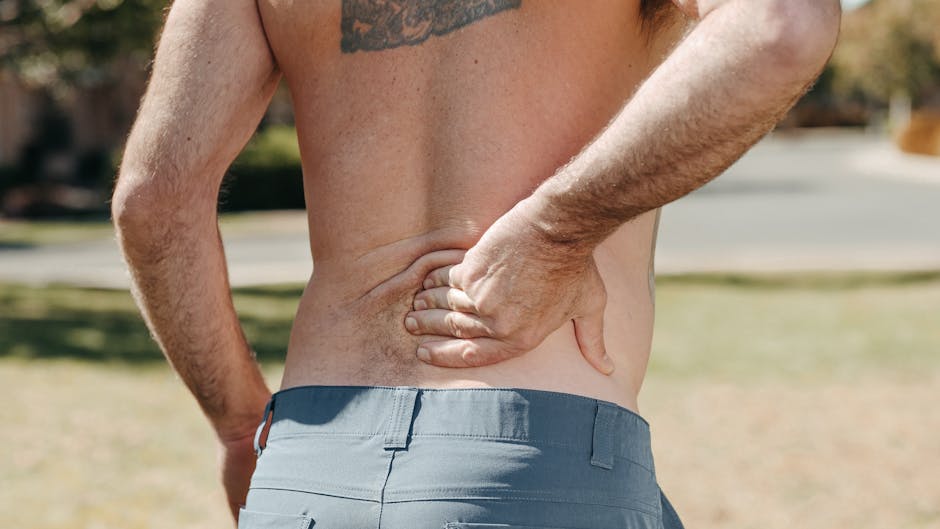
5 Proven Strategies to Alleviate Sore and Stiff Hips
Sore and stiff hips are a common complaint, significantly impacting mobility and quality of life. This discomfort can stem from a variety of issues, including osteoarthritis, bursitis, tendonitis, muscle strains, or simply prolonged inactivity. The hip joint, a ball-and-socket marvel, bears a substantial amount of weight and is crucial for almost every lower body movement. When it becomes inflamed or restricted, even simple actions like walking, sitting, or sleeping can become challenging. Fortunately, a multi-faceted approach combining targeted exercises, mindful movement, and therapeutic modalities can provide substantial relief and restore function. This article outlines five effective strategies to ease sore and stiff hips, focusing on practical, actionable steps for long-term improvement.
1. Targeted Stretching and Mobility Exercises
Restricted hip mobility is a primary contributor to stiffness and pain. Introducing a consistent routine of targeted stretching and mobility exercises is paramount to restoring range of motion and reducing muscle tension. These exercises aim to lengthen tight hip flexors, gluteal muscles, and hamstrings, all of which can contribute to hip impingement and discomfort.
-
Hip Flexor Stretch (Kneeling): Begin in a kneeling position with one leg forward, knee bent at 90 degrees and directly over the ankle. The back leg should be resting on the floor with the knee on the ground. Gently push the hips forward, feeling a stretch in the front of the hip of the back leg. Maintain a neutral spine, avoiding arching the lower back. Hold for 30 seconds, breathing deeply, and repeat 2-3 times per side. This is particularly effective for individuals who spend a lot of time sitting, as prolonged sitting shortens the hip flexors. Over time, these tight muscles pull on the pelvis, leading to anterior pelvic tilt and increased strain on the hip joint.
-
Pigeon Pose (Modified): This yoga-inspired pose is excellent for targeting the piriformis and gluteal muscles, which can become tight and contribute to sciatica-like pain radiating into the hip. Start on your hands and knees. Bring your right knee forward towards your right wrist, and extend your left leg straight back. Lower your hips towards the floor. The shin of your front leg can be positioned parallel to the front of your mat, or for a gentler version, angle the foot closer to your groin. Ensure your hips remain square and don’t lean excessively to one side. You should feel a stretch in the outer hip of your front leg. Hold for 30 seconds to 1 minute, and repeat on the other side. Modifications include placing a block or blanket under the hip of the front leg for support.
-
Butterfly Stretch (Bound Angle Pose): This stretch targets the inner thighs and hips, promoting groin flexibility. Sit on the floor with the soles of your feet together, knees bent and falling outwards. You can hold your feet or ankles for support. Gently let your knees move towards the floor, keeping your back straight. For a deeper stretch, hinge forward at the hips, maintaining a straight back. Avoid forcing the knees down. Hold for 30 seconds to 1 minute, repeating 2-3 times. This pose is beneficial for improving hip adductor flexibility, which can be compromised in individuals with hip pain.
-
Figure-Four Stretch: This can be performed either lying down or seated. Lying down: Lie on your back with your knees bent and feet flat on the floor. Cross your right ankle over your left thigh, creating a "figure four" shape. Gently draw your left thigh towards your chest, feeling a stretch in your right gluteal and outer hip. Keep your head and shoulders relaxed on the floor. Hold for 30 seconds and repeat on the other side. Seated: Sit in a chair with your feet flat on the floor. Cross your right ankle over your left thigh. Gently lean forward, maintaining a straight back, to deepen the stretch. This is a more accessible option for those who find it difficult to lie down.
-
90/90 Hip Stretch: This dynamic stretch improves both internal and external hip rotation. Sit on the floor with your right leg bent at a 90-degree angle in front of you, with your shin parallel to your body. Your left leg should be bent at a 90-degree angle to your side, with your shin parallel to your side. Your torso should be upright. Gently lean forward over your front leg, feeling a stretch in your hip. Then, rotate your torso towards your back leg, feeling a stretch in your back hip. Perform 5-10 repetitions on each side, alternating between forward and backward rotations. This exercise is excellent for improving hip mobility in all planes of motion.
Consistency is key with these exercises. Aim to perform them daily or at least 5-6 times per week. Listen to your body and avoid pushing into sharp pain. Gentle discomfort during a stretch is acceptable, but a sharp, shooting, or burning sensation indicates you need to back off.
2. Strengthening Exercises for Hip and Core Stability
While stretching addresses stiffness, weak muscles around the hip and core can exacerbate pain and instability. A targeted strengthening program helps to build resilience, improve posture, and better support the hip joint. A strong core provides a stable base for hip movements, reducing the load on the joint itself.
-
Glute Bridges: Lie on your back with your knees bent and feet flat on the floor, hip-width apart. Engage your abdominal muscles and glutes, then lift your hips off the floor until your body forms a straight line from your shoulders to your knees. Squeeze your glutes at the top of the movement. Lower slowly and repeat for 10-15 repetitions. This exercise directly targets the gluteal muscles, which are crucial for hip extension and stabilization. Weak glutes can lead to compensatory movements that strain the hip.
-
Clamshells: Lie on your side with your knees bent and stacked, and your hips aligned. Keep your feet together. Keeping your feet touching, lift your top knee upwards, opening your legs like a clamshell. Focus on engaging your outer gluteal muscles. Lower slowly and repeat for 10-15 repetitions per side. This exercise targets the gluteus medius and minimus, which are essential for pelvic stability and preventing hip drop during walking and running.
-
Lateral Leg Raises: Lie on your side with your legs straight and stacked. Lift your top leg straight up towards the ceiling, keeping it straight and without rotating your hips. Control the movement as you lower it back down. Repeat for 10-15 repetitions per side. This also targets the gluteus medius, promoting hip abduction strength and stability.
-
Bird-Dog: Start on your hands and knees with your wrists directly under your shoulders and your knees directly under your hips. Engage your core to keep your back straight and stable. Simultaneously extend your right arm forward and your left leg backward, keeping them parallel to the floor. Avoid arching your back or letting your hips sag. Hold for a few seconds, then return to the starting position and repeat with the opposite arm and leg. Perform 10-12 repetitions on each side. This exercise enhances core strength, balance, and coordination, all of which contribute to better hip support.
-
Plank: Begin in a push-up position, but rest on your forearms instead of your hands. Keep your body in a straight line from your head to your heels, engaging your core and glutes. Avoid letting your hips sag or rise too high. Hold for 30-60 seconds, or as long as you can maintain proper form. Gradually increase the hold time. The plank is a fundamental exercise for building isometric strength in the entire core, which is vital for stabilizing the pelvis and hips.
Incorporate these strengthening exercises 3-4 times per week, allowing for rest days between sessions. Ensure you maintain proper form to maximize effectiveness and prevent injury. Gradually increase repetitions, sets, or hold times as you get stronger.
3. Low-Impact Cardiovascular Exercise
While high-impact activities can aggravate sore hips, low-impact cardiovascular exercise is beneficial for improving circulation, reducing inflammation, and maintaining overall fitness without undue stress on the joints. Regular aerobic activity can also contribute to weight management, which is crucial for reducing the load on hip joints, especially for individuals who are overweight or obese.
-
Walking: Brisk walking is an accessible and highly effective low-impact activity. Start with shorter durations and gradually increase your pace and distance as your hips tolerate it. Aim for at least 30 minutes of brisk walking most days of the week. Focus on maintaining good posture, with your head held high and your shoulders relaxed. Swinging your arms naturally can also aid momentum and engage your upper body.
-
Swimming: The buoyancy of water significantly reduces stress on the hip joints, making swimming an excellent option for those with hip pain. The resistance of the water also provides a full-body workout. Various strokes can be beneficial, but freestyle and backstroke are often well-tolerated. Consider water aerobics classes for structured workouts and added variety.
-
Cycling (Stationary or Outdoor): Cycling, especially with proper bike fit, can be very kind to the hips. A stationary bike offers a controlled environment, allowing you to adjust resistance and seat height for optimal comfort. If cycling outdoors, choose flatter routes initially and gradually introduce inclines as your hips strengthen. Ensure the seat is at a height that allows for a slight bend in the knee at the bottom of the pedal stroke to avoid hyperextension.
-
Elliptical Trainer: The elliptical machine mimics a walking or running motion but without the impact. The smooth, gliding movement is gentle on the hips and knees. Start with lower resistance and incline settings and gradually increase them as you build endurance.
-
Tai Chi and Qigong: These ancient Chinese practices involve slow, flowing movements that improve balance, flexibility, and strength. They are inherently low-impact and focus on mindful movement, which can be incredibly beneficial for reducing stiffness and promoting relaxation in the hips.
The goal of cardiovascular exercise is to elevate your heart rate and improve endurance. Aim for at least 150 minutes of moderate-intensity aerobic activity or 75 minutes of vigorous-intensity activity per week, spread throughout the week. Listen to your body and adjust the intensity and duration based on your comfort level.
4. Heat and Cold Therapy
Therapeutic modalities like heat and cold therapy can provide temporary relief from hip pain and stiffness by addressing inflammation and muscle tension. Understanding when to use each is crucial for maximizing their benefits.
-
Heat Therapy: Heat increases blood flow to the affected area, which can help to relax muscles, reduce stiffness, and promote healing. It is generally more effective for chronic stiffness and dull aches.
- Warm Compress/Heating Pad: Apply a warm, moist compress or a heating pad set to a low or medium setting to the affected hip for 15-20 minutes. Ensure the heat is not too intense to avoid burns.
- Warm Bath/Shower: A warm bath, perhaps with Epsom salts, can provide soothing relief for sore hips. The water’s buoyancy also offers gentle support.
- Paraffin Wax Treatments: While less common for home use, paraffin wax can be used in some therapeutic settings to provide deep, penetrating heat.
Use heat therapy before stretching or light exercise to warm up the muscles and improve flexibility.
-
Cold Therapy (Cryotherapy): Cold constricts blood vessels, which reduces inflammation, swelling, and numbs pain. It is typically more effective for acute pain, after an injury, or following strenuous activity that may have aggravated the hips.
- Ice Pack: Wrap an ice pack or a bag of frozen vegetables in a thin towel to prevent frostbite. Apply to the affected hip for 15-20 minutes at a time, with at least 45 minutes between applications.
- Cold Water Immersion: For more widespread hip discomfort, a cold water soak can be beneficial.
Use cold therapy when you experience a flare-up of pain or after activities that may have caused micro-trauma to the hip tissues.
It is important to note that these therapies are for symptomatic relief and do not address the underlying causes of hip pain. Always consult with a healthcare professional if you are unsure about which therapy to use or if your pain is severe or persistent.
5. Mindfulness, Body Awareness, and Posture Correction
Chronic hip pain can lead to altered movement patterns and a heightened awareness of discomfort, often referred to as pain sensitization. Developing mindfulness and body awareness can help to break this cycle, while correcting postural imbalances can prevent further strain on the hip joint.
-
Mindful Movement: This involves paying close attention to your body’s sensations during everyday activities. When walking, notice the feeling of your feet hitting the ground, the swing of your arms, and the alignment of your pelvis. When sitting, be aware of how your hips are positioned and whether you are slouching. This increased awareness allows you to identify and correct movements that may be contributing to your hip pain. For example, you might notice that crossing your legs or sitting in a particular chair posture exacerbates your discomfort, prompting you to adjust.
-
Body Scan Meditation: Regularly practicing body scan meditation can help you become more attuned to subtle sensations throughout your body, including in your hips. This practice cultivates a non-judgmental awareness of your physical state, allowing you to identify areas of tension or discomfort without immediately reacting to them. Over time, this can help to desensitize you to pain signals and foster a more relaxed relationship with your body.
-
Posture Correction: Poor posture, particularly anterior pelvic tilt (where the pelvis is tilted forward) and excessive lumbar lordosis (the inward curve of the lower back), can place significant stress on the hip joints.
- Core Engagement: Consciously engaging your core muscles (abdominal and back muscles) helps to stabilize the pelvis and maintain a neutral spine. Practice drawing your navel towards your spine while keeping your breathing steady.
- Standing Posture: Stand with your feet hip-width apart, knees slightly bent, and your weight evenly distributed. Imagine a string pulling you up from the crown of your head, elongating your spine. Tuck your tailbone slightly to counteract anterior pelvic tilt.
- Sitting Posture: When sitting, ensure your feet are flat on the floor, and your knees are at a 90-degree angle. Avoid slouching or leaning too far forward. Consider using a lumbar support cushion if needed.
-
Ergonomic Adjustments: Evaluate your environment for potential postural stressors. This includes the height of your desk and chair, the support of your mattress, and the position of your computer screen. Making ergonomic adjustments can significantly reduce strain on your hips and back throughout the day.
By integrating these mindfulness practices and actively working on posture correction, you can create a more supportive and balanced foundation for your hip joints, leading to reduced pain and improved long-term function. This holistic approach addresses the mind-body connection, empowering you to take an active role in managing your hip health.
