
Slow Cooker Chicken Tortilla Soup Recipe
Slow Cooker Chicken Tortilla Soup: A Flavorful, Effortless Masterpiece
Slow cooker chicken tortilla soup transcends the ordinary, offering a deeply satisfying and remarkably simple meal solution. This recipe harnesses the power of your slow cooker to meld flavors over several hours, yielding a rich, complex broth brimming with tender chicken, vibrant vegetables, and authentic Mexican-inspired spices. The beauty of this dish lies in its minimal hands-on preparation. You can toss ingredients into the crockpot in the morning, and return to a fragrant, bubbling pot of deliciousness ready to be served by dinnertime. This recipe is not just about convenience; it’s about unlocking layers of flavor through slow, gentle cooking, ensuring every spoonful is a delightful experience. The core of this soup lies in its aromatic base, featuring sautéed onions and garlic, the foundational elements of countless savory dishes. These aromatics are then joined by diced tomatoes, both fresh and canned for a balance of bright acidity and deep tomato flavor, along with vegetable or chicken broth, providing the liquid medium for the slow cooking process. The star, of course, is the chicken. Boneless, skinless chicken breasts or thighs are ideal, as they become incredibly tender and easily shreddable after their long soak in the flavorful broth. The spice blend is critical to achieving that authentic tortilla soup taste. Cumin, chili powder, and a touch of smoked paprika form the backbone, delivering warmth and depth. A bay leaf adds a subtle herbaceous note that further enhances the overall complexity. As the soup simmers, these ingredients meld and marry, creating a symphony of tastes that will have your taste buds singing. The beauty of slow cooker recipes is their adaptability. While this recipe provides a solid foundation, feel free to adjust the spice levels to your preference. If you enjoy a spicier kick, incorporate a pinch of cayenne pepper or a diced jalapeño into the initial cooking phase. Conversely, if a milder soup is desired, reduce the chili powder.
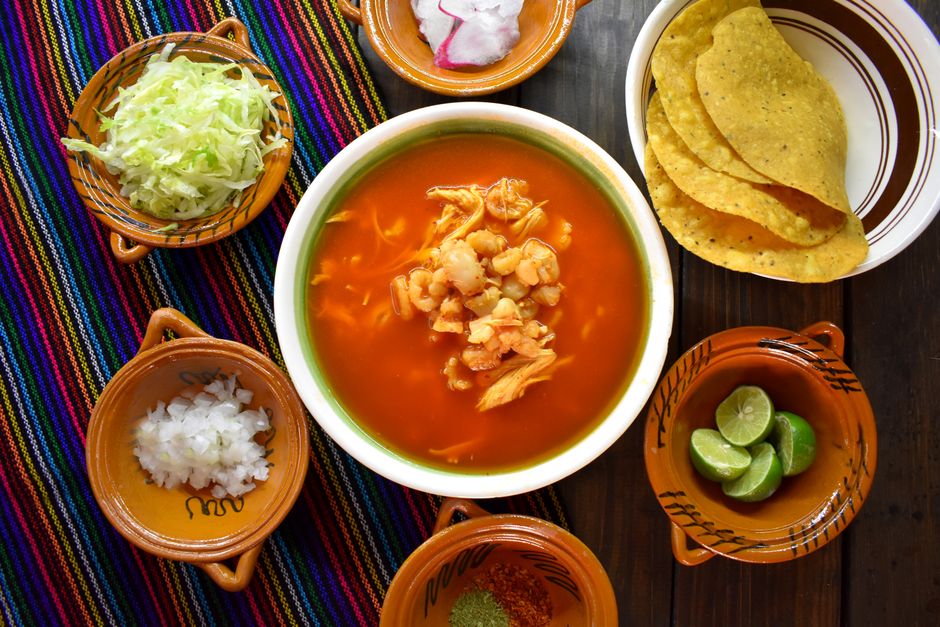
The magic of slow cooker chicken tortilla soup extends beyond its core ingredients. The garnishes are where this dish truly shines, transforming a humble soup into a customizable feast. These toppings provide textural contrast, bursts of freshness, and additional layers of flavor that elevate the experience. Crispy tortilla strips are essential. You can achieve this by baking or frying corn tortillas until golden and crunchy. The satisfying crunch of these strips against the tender soup is a hallmark of a great tortilla soup. Shredded cheese, typically Monterey Jack or a Mexican blend, melts beautifully into the hot soup, adding a creamy, savory element. Fresh cilantro, with its bright, citrusy notes, offers a refreshing counterpoint to the richness of the soup. Diced avocado provides a creamy, buttery texture and healthy fats. A dollop of sour cream or plain Greek yogurt adds a tangy, cooling element, further balancing the flavors. Squeeze of fresh lime juice over the top just before serving is a non-negotiable for many tortilla soup enthusiasts, as the acidity cuts through the richness and brightens all the flavors. For those who enjoy an extra layer of heat, thinly sliced jalapeños or a drizzle of your favorite hot sauce can be added. Each garnish contributes to the overall sensory experience, allowing individuals to tailor their bowl to their exact preferences. This customization is a significant part of the appeal of slow cooker chicken tortilla soup, making it a crowd-pleaser for a variety of palates. The sheer versatility of the garnishes means that leftovers can be just as exciting as the initial serving, as you can remix the topping combinations.
Preparing this slow cooker chicken tortilla soup is a straightforward process, designed to minimize active cooking time. Begin by finely chopping one large yellow onion and mincing four cloves of garlic. In a large skillet, heat two tablespoons of olive oil over medium heat. Add the chopped onion and cook until softened and translucent, about 5-7 minutes. Stir in the minced garlic and cook for an additional minute until fragrant, being careful not to burn it. This initial sautéing step is crucial for developing a robust flavor base for the soup. Next, add the sautéed onion and garlic to your slow cooker. To the slow cooker, add one 28-ounce can of diced tomatoes, undrained, and one 15-ounce can of petite diced tomatoes, also undrained. These tomatoes provide both sweetness and acidity. Pour in four cups of chicken or vegetable broth. For a richer flavor, consider using a high-quality broth. Now it’s time for the chicken. Add two boneless, skinless chicken breasts (about 1.5 pounds total) to the slow cooker. Ensure the chicken is submerged in the liquid. Sprinkle in two teaspoons of chili powder, one teaspoon of ground cumin, half a teaspoon of smoked paprika, and half a teaspoon of salt. Add a quarter teaspoon of black pepper. Finally, tuck in one bay leaf amongst the ingredients. Give everything a gentle stir to combine. Cover the slow cooker and cook on low for 6-8 hours, or on high for 3-4 hours, until the chicken is cooked through and tender. The longer cooking time on low allows for a deeper melding of flavors.
Once the cooking cycle is complete, carefully remove the chicken breasts from the slow cooker and place them on a clean cutting board. Using two forks, shred the chicken. Return the shredded chicken to the slow cooker and stir it back into the soup. At this stage, you’ll want to taste the soup and adjust seasonings as needed. You might want to add a little more salt, pepper, or chili powder depending on your preference. For an extra layer of flavor, you can stir in half a cup of fresh or frozen corn kernels during the last 30 minutes of cooking. Some variations also include adding a can of black beans, rinsed and drained, along with the corn for added heartiness and fiber. If you find the soup to be too thick, you can always add a little more broth until it reaches your desired consistency. The beauty of this recipe is its forgiving nature; it’s hard to truly mess it up. The slow cooking process tenderizes the chicken beautifully, making it incredibly easy to shred. This shredding step is essential for distributing the chicken evenly throughout the soup. The resulting texture is a delightful contrast between the tender shredded chicken and the flavorful broth. The aroma filling your kitchen as this soup cooks is an indicator of the deliciousness to come. It’s a comforting and inviting smell that signals a hearty and satisfying meal is on its way. The ease of preparation means you can enjoy a gourmet-quality meal without spending hours in the kitchen, making it perfect for busy weeknights or casual weekend gatherings.
To serve your slow cooker chicken tortilla soup, ladle the hot soup into individual bowls. This is where the garnishes come into play and the real fun begins. Arrange your chosen toppings in small bowls around the serving area so guests can customize their own bowls. Essential garnishes include a generous handful of crispy tortilla strips, a sprinkle of shredded Monterey Jack or a Mexican cheese blend, a scattering of fresh chopped cilantro, and a dollop of sour cream or Greek yogurt. For those who appreciate a bit more richness, diced avocado is a must. A squeeze of fresh lime juice over the top right before eating will brighten all the flavors. Additional optional toppings include sliced jalapeños for those who like it spicy, crumbled cotija cheese for a salty kick, or even a spoonful of salsa for an extra burst of tomato and spice. The visual appeal of a well-garnished bowl of chicken tortilla soup is undeniable, with vibrant colors and varied textures coming together to create an enticing presentation. The crunch of the tortilla strips against the creamy soup, the freshness of the cilantro, and the tang of the lime all contribute to a multi-dimensional eating experience. This soup is not just a meal; it’s an event, allowing for individual creativity and enjoyment. The ability to personalize each bowl makes it a perfect dish for families or groups with diverse dietary preferences and taste inclinations. It’s a dish that encourages interaction and shared enjoyment.
The nutritional profile of this slow cooker chicken tortilla soup is also worth noting. It’s a relatively lean dish, especially when using chicken breasts. The broth provides hydration, and the vegetables contribute essential vitamins and minerals. When loaded with garnishes, it can be a very complete and satisfying meal. Opting for Greek yogurt over sour cream can further reduce fat content while still providing creaminess. Adding beans increases the fiber and protein content, making the soup even more filling and beneficial. Avocado contributes healthy monounsaturated fats. While the tortilla strips are a delicious addition, it’s worth noting that they can add a significant amount of calories and carbohydrates depending on how they are prepared and how many are used. Baking them instead of frying can offer a healthier alternative. Overall, this soup is a great option for those looking for a flavorful and nutritious meal that can be prepared with minimal effort. Its adaptability makes it suitable for a variety of dietary needs and preferences, and the slow cooking method ensures that the ingredients are cooked to perfection, maximizing their nutritional value and flavor. The soup is a good source of protein from the chicken, and depending on the broth and vegetables used, can offer a range of vitamins and minerals. The inclusion of fiber from vegetables and optional beans contributes to satiety and digestive health.
For those who are looking to make this recipe ahead of time or freeze portions, it holds up remarkably well. Once the soup is cooked and the chicken is shredded, allow it to cool completely. You can then store it in airtight containers in the refrigerator for up to 3-4 days. When reheating, gently warm it on the stovetop or in the microwave. For longer storage, the soup can be frozen in individual portions or in larger containers for up to 3 months. Thaw frozen soup overnight in the refrigerator and then reheat as usual. It’s important to note that while the soup itself freezes well, it’s best to add fresh garnishes like avocado, cilantro, and tortilla strips just before serving to maintain their optimal texture and flavor. This make-ahead capability makes slow cooker chicken tortilla soup an ideal candidate for meal prepping, allowing you to have healthy and delicious meals readily available throughout the week. The convenience of being able to prepare a large batch and then enjoy it over several days without sacrificing quality or taste is a significant advantage. Freezing portions is also a great strategy for busy individuals or families, ensuring that a wholesome and satisfying meal is always on hand. The robust flavor profile of the soup actually deepens and improves after a day or two in the refrigerator, making leftovers potentially even more delicious than the initial serving.
The versatility of this slow cooker chicken tortilla soup extends beyond simple preparation and storage. It can be the base for numerous culinary explorations. Consider adding a can of mild green chilies for a subtle smoky flavor and a hint of heat. A tablespoon of tomato paste stirred in with the diced tomatoes can deepen the tomato flavor even further. For a vegetarian or vegan version, substitute the chicken with an equal amount of firm or extra-firm tofu, pressed and crumbled, and use vegetable broth. Black beans and corn can be increased to provide ample protein and texture. Nutritional yeast can be added for a cheesy, savory flavor profile. The spice blend can be adjusted to mimic other Southwestern flavors; for instance, adding a pinch of smoked paprika and a dash of chipotle powder can introduce a more intense smoky and spicy element. Some adventurous cooks have even incorporated a tablespoon of cocoa powder to add an unexpected depth and richness, a nod to mole sauces. The core of the recipe remains its simplicity and the ability to adapt it to various tastes and dietary needs. This adaptability ensures that the slow cooker chicken tortilla soup recipe is not just a single dish, but a culinary canvas upon which you can paint your own flavor masterpieces. Whether you’re a seasoned chef or a beginner cook, this recipe offers a gateway to creating delicious, comforting, and impressive meals with minimal fuss. The foundational elements are so well-balanced that they provide a perfect starting point for experimentation and personalization.
