
Sweet Potato And Roasted Chickpea Bowl
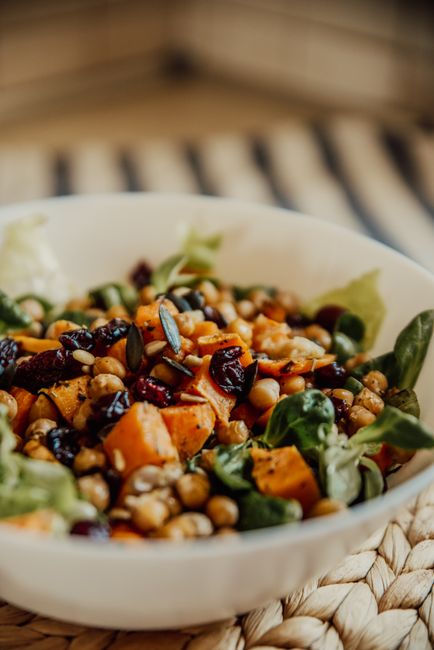
Sweet Potato and Roasted Chickpea Bowls: A Nutrient-Dense, Flavor-Packed Meal Solution
The sweet potato and roasted chickpea bowl represents a powerful synergy of culinary appeal and nutritional excellence. This dish, characterized by its vibrant colors, varied textures, and deeply satisfying flavors, is more than just a trendy meal; it’s a testament to the versatility of whole foods. At its core, the bowl leverages the earthy sweetness of roasted sweet potatoes, their inherent carbohydrates providing sustained energy, and the satisfying crunch of oven-toasted chickpeas, a plant-based protein powerhouse. This foundational pairing is then elevated by a myriad of potential additions, transforming a simple concept into a customizable gastronomic experience. From a health perspective, this bowl is a champion. Sweet potatoes are lauded for their rich content of beta-carotene, a precursor to Vitamin A, essential for vision, immune function, and skin health. They also offer a good source of Vitamin C, manganese, and dietary fiber, which aids digestion and promotes satiety. Chickpeas, or garbanzo beans, are similarly impressive. They deliver substantial protein, crucial for muscle repair and growth, along with a significant amount of fiber, contributing to blood sugar regulation and a feeling of fullness. Furthermore, chickpeas provide essential minerals like folate, iron, and phosphorus. The combination of these two ingredients creates a nutritionally dense meal that can be adapted to various dietary needs, including vegetarian, vegan, gluten-free, and paleo (with careful ingredient selection). The preparation method itself, roasting, is key to unlocking the full flavor potential of both sweet potatoes and chickpeas. Roasting caramelizes the natural sugars in the sweet potato, intensifying its sweetness and developing a tender, slightly crispy exterior. For chickpeas, roasting transforms their soft texture into a delightfully crunchy element, making them an addictive and healthy snack component within the bowl. This method also requires minimal added fat, making it a healthier alternative to frying. The inherent versatility of the sweet potato and roasted chickpea bowl allows for an almost infinite array of flavor profiles and ingredient combinations, making it an ideal candidate for weeknight dinners, meal prepping, or even entertaining guests. Its appeal lies in its ability to be both comforting and exciting, healthy and indulgent.
The foundational element of any sweet potato and roasted chickpea bowl is the preparation of its two core components: the sweet potato and the chickpeas. For optimal flavor and texture, both are best roasted. Sweet potatoes should be washed thoroughly, and then cut into uniform pieces – cubes, wedges, or fries are all popular choices. The size of the cut will influence cooking time; smaller pieces will cook faster and become crispier, while larger pieces will remain softer and more tender. For roasting, a drizzle of olive oil or avocado oil is typically used to facilitate browning and prevent sticking. Seasoning is crucial at this stage. A simple sprinkle of salt and black pepper is a classic, but the possibilities are vast. Smoked paprika adds a lovely depth and smokiness, cumin brings an earthy warmth, garlic powder offers a pungent punch, and chili powder or cayenne pepper introduces a welcome kick of heat. For a touch of sweetness that complements the natural sweetness of the potato, a pinch of cinnamon or a light drizzle of maple syrup can be incorporated before roasting. The sweet potatoes are typically roasted at a relatively high temperature, around 400-425°F (200-220°C), for 20-30 minutes, depending on the size of the pieces, until they are fork-tender and have developed caramelized edges.
Chickpeas, ideally canned and drained, or pre-cooked from dry, should be thoroughly dried before roasting to achieve maximum crispiness. Patting them dry with a clean kitchen towel or paper towels is essential. Similar to sweet potatoes, a light coating of oil is applied, and then the chickpeas are seasoned generously. The same spice combinations that work for sweet potatoes can be applied here, or entirely different flavor profiles can be explored. Nutritional yeast, for instance, imparts a cheesy, umami flavor that is particularly appealing for vegan variations. Herbs like rosemary or thyme can also be added. Roasting chickpeas requires a similar high heat, often in the same oven as the sweet potatoes but potentially for a slightly shorter duration, around 20-25 minutes, or until they are golden brown and firm to the touch. It’s important to keep an eye on them to prevent burning. The distinct texture achieved through roasting is what elevates chickpeas from a mere bean to a craveable bowl component.
Beyond the sweet potato and chickpea base, the beauty of these bowls lies in their customizability. A plethora of ingredients can be incorporated to create diverse flavor profiles and enhance nutritional completeness. Leafy greens form a common and healthy foundation. Spinach, kale, arugula, or mixed greens add volume, vitamins, and minerals. For a more substantial base, cooked grains like quinoa, brown rice, or farro can be added, providing complex carbohydrates and additional fiber. Quinoa is a complete protein, further boosting the protein content of the meal.
Protein sources beyond chickpeas can also be included. Grilled or pan-seared tofu or tempeh, marinated in a flavorful sauce, offers another excellent plant-based protein option. For omnivores, grilled chicken breast, flaky baked salmon, or lean ground turkey can be incorporated.
Vegetable additions are where the visual appeal and nutritional diversity truly shine. Broccoli florets, roasted or steamed, add a cruciferous crunch and vitamin C. Bell peppers, in various colors, add sweetness and a dose of Vitamin A and C. Red onion, thinly sliced and added raw or lightly caramelized, provides a pungent counterpoint. Corn, either fresh, frozen, or roasted kernels, adds a touch of sweetness and texture. Avocado, sliced or cubed, offers healthy monounsaturated fats and a creamy contrast to the roasted elements. Cherry tomatoes, halved, bring a burst of acidity and freshness.
Sauces and dressings are the flavor orchestrators of the sweet potato and roasted chickpea bowl. A creamy tahini dressing, made with tahini, lemon juice, garlic, and water, is a classic and complements both sweet and savory elements beautifully. A spicy peanut sauce, incorporating peanut butter, soy sauce (or tamari for gluten-free), lime juice, ginger, and chili garlic sauce, adds a rich, umami kick. A simple lemon-herb vinaigrette, with olive oil, lemon juice, fresh herbs like parsley or cilantro, and a touch of Dijon mustard, offers a bright and zesty option. For a richer flavor, a balsamic glaze or a drizzle of your favorite hot sauce can elevate the bowl.
Toppings provide the final flourish, adding texture, flavor, and nutritional boosts. Toasted nuts and seeds, such as slivered almonds, pepitas (pumpkin seeds), or sunflower seeds, offer healthy fats and a satisfying crunch. Fresh herbs, like cilantro, parsley, or mint, add a burst of freshness and aroma. A sprinkle of crumbled feta or goat cheese can add a salty, tangy dimension for dairy consumers. For a vegan alternative, a sprinkle of nutritional yeast can mimic a cheesy flavor. Pickled red onions or jalapeños can provide a welcome tangy and spicy contrast.
The SEO potential of the sweet potato and roasted chickpea bowl lies in its inherent appeal to a broad audience seeking healthy, customizable, and flavorful meal options. Keywords such as "sweet potato bowl," "roasted chickpea bowl," "healthy bowls," "vegan meal prep," "vegetarian recipes," "gluten-free meals," "nutrient-dense recipes," and "easy dinner ideas" are highly relevant. Focusing on variations of these keywords, such as "spicy roasted chickpea bowl" or "creamy tahini sweet potato bowl," can further refine search engine optimization. The emphasis on "roasted" highlights a popular cooking method, and "chickpeas" and "sweet potato" are widely searched ingredients. Including terms related to dietary needs like "plant-based protein" or "fiber-rich meals" also targets specific search queries.
The adaptability of the sweet potato and roasted chickpea bowl makes it an excellent candidate for content creation around various meal occasions. Articles focusing on "meal prep ideas for the week," "quick and healthy weeknight dinners," or "post-workout recovery meals" would naturally incorporate this dish. Furthermore, highlighting its visual appeal for platforms like Instagram and Pinterest with terms like "colorful food bowls" or "instaworthy meals" can drive traffic. The comprehensive nature of the bowl, encompassing various food groups and macronutrients, makes it a strong contender for long-form content that addresses complete meal solutions.
The health benefits of the core ingredients are a significant draw for search engine visibility. Discussions around "beta-carotene rich foods," "plant-based protein sources," "dietary fiber benefits," and "vitamins and minerals in sweet potatoes and chickpeas" can attract users seeking nutritional information. Specific health-related keywords like "blood sugar friendly meals" or "digestive health recipes" can also be targeted, given the fiber content of both sweet potatoes and chickpeas.
The preparation methods themselves offer SEO opportunities. "How to roast sweet potatoes," "how to make crispy roasted chickpeas," and "easy bowl recipes" are all valuable search terms. Demonstrating different roasting techniques, spice blends, and sauce recipes allows for multifaceted content creation that can capture a wider range of user searches.
Beyond the ingredients and preparation, the concept of the "bowl" itself is a popular search trend. Content that explores "bowl meal ideas," "grain bowls," or "superfood bowls" will naturally align with the sweet potato and roasted chickpea bowl. Highlighting the versatility and customizability of bowls allows for an extensive range of related content that can be optimized for search engines.
Finally, incorporating user-generated content and trending flavor profiles can further enhance SEO. For example, if a particular spice blend or sauce becomes popular, creating content around "trending sweet potato bowl toppings" or "TikTok famous roasted chickpea recipes" can tap into current search interests. The inherent "build-your-own" nature of the bowl encourages experimentation, and content that reflects this can resonate with users looking for inspiration and guidance. The key to maximizing SEO for this dish lies in understanding the diverse search queries that revolve around its core ingredients, preparation methods, health benefits, and the overarching "bowl" meal concept.
The sweet potato and roasted chickpea bowl’s inherent versatility also lends itself to discussions around specific dietary needs and preferences, further expanding its SEO footprint. For individuals following a vegan diet, the bowl is a natural fit. Content focusing on "best vegan protein bowls," "plant-based meal prep," or "dairy-free dinner ideas" would prominently feature this dish. The emphasis on roasted chickpeas as a primary protein source is a key selling point for vegan and vegetarian consumers.
Similarly, for those seeking gluten-free options, the bowl is easily adaptable. By opting for gluten-free grains like quinoa or rice, and ensuring all added sauces and seasonings are certified gluten-free, the bowl becomes a safe and satisfying meal. Keywords such as "gluten-free dinner," "celiac-friendly meals," or "naturally gluten-free recipes" are highly relevant.
The paleo diet community also finds value in this bowl, provided certain ingredients are omitted or substituted. Sweet potatoes are a staple in paleo diets, and roasted chickpeas can be enjoyed in moderation by some paleo followers. Focusing on lean proteins, healthy fats, and non-starchy vegetables, while excluding grains and legumes entirely for stricter paleo adherence, allows for a tailored approach. Keywords like "paleo friendly bowls," "sweet potato paleo recipes," and "healthy fat sources" would be relevant in this context.
The low FODMAP diet can also be accommodated with careful ingredient selection. Sweet potatoes are generally well-tolerated, and while chickpeas are high in FODMAPs, smaller portions or alternative protein sources like seasoned chicken or salmon can be used. Content related to "low FODMAP meal ideas" or "FODMAP friendly sweet potato recipes" could be explored.
Furthermore, the bowl’s capacity to be a complete meal makes it attractive for those looking for time-saving solutions. "One-pan meals," "sheet pan dinners," and "minimal cleanup recipes" are all terms that can be associated with the preparation of the sweet potato and chickpea components. This efficiency aspect is a significant draw for busy individuals and families.
The visual appeal of the sweet potato and roasted chickpea bowl is undeniable. Its vibrant colors, from the orange of the sweet potato to the green of leafy vegetables and the varied hues of other vegetable additions, make it highly shareable on social media platforms. Content creators can leverage this by using high-quality imagery and focusing on keywords like "colorful food bowls," "Instagrammable meals," or "food photography inspiration." This visual appeal also translates to search engines, where image results can drive traffic to articles and recipes.
The interactive nature of building a bowl also lends itself to content that encourages user engagement. Quizzes like "What’s your ideal sweet potato bowl combination?" or "Build your perfect roasted chickpea bowl" can be highly effective in driving traffic and keeping users on a website. This type of content taps into the personalization trend and offers a fun, engaging way for users to discover new variations.
The educational aspect of the sweet potato and roasted chickpea bowl is also a valuable SEO asset. Articles that delve into the specific health benefits of each ingredient, explain the science behind roasting to enhance flavor, or offer tips for meal prepping and storage can attract users seeking in-depth information. This content can establish authority and build trust with an audience.
Finally, the global appeal of bowls as a meal format means that discussions around international flavor profiles can also be integrated. For example, an Asian-inspired sweet potato and chickpea bowl with a ginger-sesame dressing or a Mediterranean-inspired version with olives and feta can be explored. This broadens the keyword reach to include terms like "Asian fusion bowls," "Mediterranean recipes," or "global flavors." By strategically incorporating these diverse keywords and content themes, the sweet potato and roasted chickpea bowl can achieve significant SEO visibility across a wide range of search queries, establishing itself as a versatile and highly sought-after meal option.
