
Adductor Abductor Machine Alternatives
Adductor Abductor Machine Alternatives: Sculpting Inner and Outer Thighs Without the Machine
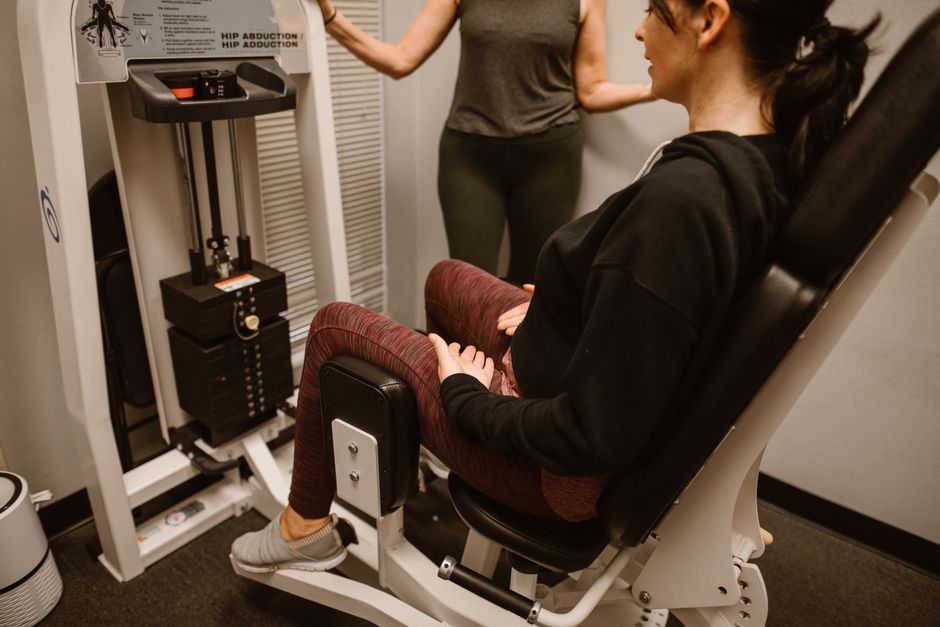
The adductor and abductor machines are staples in many gyms, offering targeted isolation for the inner and outer thigh muscles. However, access to these machines can be limited, or individuals may seek variety in their training to prevent plateaus and enhance overall athleticism. Fortunately, a wide array of effective adductor and abductor machine alternatives exist, catering to various fitness levels and equipment availability. These alternatives not only replicate the muscle activation of the machines but often engage stabilizing muscles, contributing to a more functional and robust lower body. This article delves into comprehensive, SEO-friendly strategies for targeting the adductor and abductor muscle groups without relying on dedicated gym equipment, empowering individuals to achieve their desired physique and performance goals.
Understanding the Adductor and Abductor Muscle Groups
Before exploring alternatives, it’s crucial to understand the primary muscles involved. The adductors are a group of muscles located on the inner thigh, responsible for bringing the legs together towards the midline of the body. Key adductor muscles include the adductor magnus, adductor longus, adductor brevis, gracilis, and pectineus. These muscles are vital for stability, walking, running, and movements involving closing the legs.
The abductors, conversely, are located on the outer thigh and hip, responsible for moving the legs away from the midline of the body. The primary abductor muscles are the gluteus medius and gluteus minimus, with the tensor fasciae latae also playing a significant role. These muscles are critical for hip stability, balance, lateral movements, and preventing the pelvis from dropping during single-leg stances.
Bodyweight Adductor Alternatives
Bodyweight exercises offer unparalleled accessibility and can be incredibly effective for targeting the adductor muscles, especially when focusing on form and progressive overload.
1. Sumo Squat: This variation of the squat places a greater emphasis on the adductors due to the wider stance and outward-rotated feet.
- Execution: Stand with your feet significantly wider than shoulder-width apart, toes pointed slightly outward. Keeping your chest up and back straight, lower your hips down as if sitting into a chair, ensuring your knees track over your toes. Descend until your thighs are parallel to the floor or as low as comfortable. Push through your heels to return to the starting position, squeezing your glutes and inner thighs at the top.
- SEO Keywords: Sumo squat benefits, wide stance squat, inner thigh squat, adductor bodyweight exercise.
- Progression: Increase reps, hold a dumbbell or kettlebell at the bottom, perform pulsed reps, or add a jump at the top (Sumo Jump Squat).
2. Cossack Squat (Lateral Lunge): This dynamic movement effectively stretches and strengthens the adductors of the straight leg while engaging the working leg’s glutes and quads.
- Execution: Start with a wide stance, feet parallel. Shift your weight to one side, bending that knee and lowering your hips down and back, keeping the opposite leg straight with the foot flat on the floor. The straight leg’s adductors will be stretched. You should feel a deep stretch in the groin. Return to the center by pushing off the bent leg.
- SEO Keywords: Cossack squat form, lateral lunge adductor, groin stretch exercise, dynamic adductor stretch.
- Progression: Increase range of motion, hold weights, perform with a deficit (standing on a small platform).
3. Curtsy Lunge: This lunge variation targets the adductors of the back leg as it crosses behind the front leg.
- Execution: Stand with feet hip-width apart. Step one leg diagonally backward and across the other, as if performing a curtsy. Lower your hips until your front thigh is parallel to the floor and your back knee is close to the ground. Keep your chest upright. Push off your front foot to return to the starting position.
- SEO Keywords: Curtsy lunge muscles worked, adductor lunge, crossing leg exercise, hip adductor workout.
- Progression: Hold dumbbells, increase reps, perform walking curtsy lunges.
4. Frog Pumps: A less common but highly effective exercise for adductor activation, particularly when performed with a focus on the contraction.
- Execution: Lie on your back with the soles of your feet together and knees bent and pushed outwards (like a frog position). With your feet pressed firmly together, lift your hips off the ground, squeezing your glutes and inner thighs. Hold for a moment at the top and slowly lower back down.
- SEO Keywords: Frog pump exercise, adductor activation, inner thigh squeeze, glute bridge variation.
- Progression: Elevate feet on a bench, hold a light weight on the hips, increase hold time.
5. Side-Lying Leg Lifts (Adduction focus): While typically associated with abductors, a specific modification can target adductors.
- Execution: Lie on your side, with your bottom leg straight and your top leg bent with the foot placed on the floor in front of your bottom leg. Engage your adductors to lift the straight bottom leg off the ground, keeping it tight and controlled. Lower slowly.
- SEO Keywords: Side lying adductor lift, inner thigh leg lift, adductor strengthening exercise.
- Progression: Add ankle weights, increase reps.
Resistance Band Adductor Alternatives
Resistance bands are portable, affordable, and offer variable resistance that can be adjusted by band tension or position.
1. Standing Banded Adduction: This mimics the movement of the adductor machine.
- Execution: Secure a resistance band around a stable anchor point at shin height. Loop the other end around your ankle. Stand facing the anchor point with the band on your right side. Keeping your left leg stationary, pull your right leg across your body towards your left leg, squeezing your inner thigh. Control the movement back to the starting position. Repeat on the other side.
- SEO Keywords: Banded adduction, resistance band inner thigh, adductor exercise at home, portable adductor workout.
- Progression: Use a stronger band, increase reps, increase distance from anchor.
2. Seated Banded Adduction: A more controlled variation that focuses on the squeeze.
- Execution: Sit on the floor with your legs extended. Loop a resistance band around your feet, holding the ends in your hands. Keeping your back straight, press your legs outward against the band. Then, using your adductors, pull your legs inward against the resistance. Alternatively, loop the band around a stable object behind you and loop the other end around both feet, then pull your legs inward.
- SEO Keywords: Seated adductor band exercise, resistance band groin workout, inner thigh band squeeze.
- Progression: Use a stronger band, increase reps.
3. Banded Clamshells (Adductor Emphasis): While typically an abductor exercise, a slight modification can engage adductors.
- Execution: Lie on your side with knees bent and a resistance band around your thighs, just above your knees. Keep your feet together. Engage your adductors to press your knees apart, working against the band’s resistance. This targets the gluteus medius but also provides a stretch and isometric engagement for the adductors of the supporting leg.
- SEO Keywords: Banded clamshells, glute medius band, hip abduction with band. (While focused on abduction, mentioning the adductor engagement in the description is key).
Dumbbell and Kettlebell Adductor Alternatives
Heavier weights can provide a more challenging stimulus for the adductor muscles.
1. Dumbbell Sumo Squat: As mentioned in bodyweight, adding weight significantly increases the challenge.
- Execution: Hold a dumbbell or kettlebell in front of your chest or between your legs. Perform the sumo squat as described above.
- SEO Keywords: Dumbbell sumo squat, kettlebell sumo squat, weighted adductor exercise.
2. Goblet Squat (Wide Stance): Similar to a dumbbell sumo squat, the goblet squat position can facilitate a deeper range of motion and adductor activation.
- Execution: Hold a dumbbell or kettlebell at chest height. Adopt a wider stance than a standard goblet squat, with toes slightly outward. Lower into the squat, focusing on pushing your knees out and feeling the stretch in your adductors.
- SEO Keywords: Goblet squat adductor, wide stance goblet squat.
3. Dumbbell Adductor Drag: A less common but effective isolation exercise.
- Execution: Lie on your back with knees bent and feet flat on the floor. Place a dumbbell between your knees. Squeeze your adductors to hold the dumbbell in place. Then, keeping the dumbbell squeezed, slowly lower your hips towards the floor, creating tension in your adductors. Return to the starting position by engaging your adductors.
- SEO Keywords: Dumbbell adductor drag, adductor squeeze exercise, inner thigh isolation dumbbell.
Bodyweight Abductor Alternatives
Targeting the abductors, particularly the gluteus medius and minimus, is crucial for hip health and overall lower body aesthetics.
1. Standing Hip Abduction: A fundamental and effective exercise.
- Execution: Stand tall, holding onto a wall or stable surface for balance if needed. Keeping your leg straight and your core engaged, lift one leg out to the side, squeezing your outer thigh and glute. Control the movement back to the starting position.
- SEO Keywords: Standing hip abduction, abductor leg raise, outer thigh lift, glute medius exercise.
- Progression: Add ankle weights, perform with a resistance band around the ankles, increase reps.
2. Side-Lying Leg Lifts (Abduction): A classic and highly effective abductor exercise.
- Execution: Lie on your side with your legs straight and stacked. Keeping your bottom leg on the floor for stability, lift your top leg upwards towards the ceiling, focusing on squeezing your outer hip and glute. Lower slowly with control.
- SEO Keywords: Side lying leg lift, abductor raise, outer hip exercise, glute medius isolation.
- Progression: Add ankle weights, perform with a resistance band around the thighs, increase reps.
3. Clamshells: A highly effective exercise for gluteus medius activation and hip external rotation.
- Execution: Lie on your side with your knees bent and stacked, hips stacked. Keeping your feet together, lift your top knee upwards, rotating your hip outwards and squeezing your outer glute and thigh. Lower slowly.
- SEO Keywords: Clamshell exercise, hip external rotation, glute activation, outer thigh workout.
- Progression: Add a resistance band around the thighs, increase reps, hold at the top.
4. Fire Hydrants: This quadruped exercise targets the abductors and gluteus medius with a focus on control and hip stability.
- Execution: Start on your hands and knees with your wrists under your shoulders and knees under your hips. Keeping your back straight and core engaged, lift one leg out to the side, bending at the knee (like a dog lifting its leg). Focus on squeezing your outer glute. Lower slowly.
- SEO Keywords: Fire hydrant exercise, quadruped hip abduction, glute medius engagement, hip stability exercise.
- Progression: Add ankle weights, add a resistance band around the thighs, increase range of motion.
5. Banded Lateral Walks (Monster Walks): This dynamic exercise engages the abductors and glutes to resist inward movement.
- Execution: Place a resistance band around your ankles or just above your knees. Stand with feet hip-width apart, in a slightly athletic stance. Step one foot out to the side, then bring the other foot to meet it, maintaining tension on the band. Continue stepping laterally in one direction for a set distance, then return.
- SEO Keywords: Banded lateral walks, monster walks, resistance band glutes, hip abduction cardio.
Resistance Band Abductor Alternatives
Resistance bands are excellent for abductor work due to the constant tension they provide.
1. Standing Banded Hip Abduction: Similar to bodyweight, but with added resistance.
- Execution: Secure a resistance band to a stable anchor at ankle height. Loop the other end around the ankle furthest from the anchor. Stand facing away from the anchor, keeping the band taut. Lift your leg out to the side, against the band’s resistance. Control the return.
- SEO Keywords: Banded hip abduction, resistance band outer thigh, at-home abductor exercise.
- Progression: Use a stronger band, increase distance from the anchor, perform pulsing reps.
2. Seated Banded Hip Abduction: A controlled exercise for isolating the abductors.
- Execution: Sit on the floor with your legs extended. Loop a resistance band around your feet, holding the ends. Press your legs outwards against the band’s resistance, engaging your abductors. Hold for a moment, then slowly return. Alternatively, loop the band around a stable object behind you and loop the other end around your feet, then press outwards.
- SEO Keywords: Seated abductor band, resistance band outer hip.
3. Banded Donkey Kicks (with outward push): While primarily a glute exercise, a conscious outward push at the top engages abductors.
- Execution: Start on your hands and knees. Place a resistance band around your thighs. Perform a donkey kick, lifting one leg back and up. At the peak of the movement, intentionally push your knee slightly outwards against the band, engaging your abductors.
- SEO Keywords: Banded donkey kicks, glute kickbacks with band, abductor glute exercise.
Dumbbell and Kettlebell Abductor Alternatives
While abductor work is often bodyweight or band-focused, some weighted options exist.
1. Dumbbell Side Lying Leg Raise: Adds resistance to the classic side-lying leg lift.
- Execution: Lie on your side with your legs straight. Place a dumbbell on your top thigh, securing it with your hand or another object. Perform the side-lying leg lift, lifting the dumbbell with your leg.
- SEO Keywords: Dumbbell side leg raise, weighted abductor lift.
2. Kettlebell Hip Abduction Swings: A dynamic movement requiring control and engaging abductors.
- Execution: Stand with feet slightly wider than hip-width. Hold a kettlebell with both hands. Perform a hip hinge, allowing the kettlebell to swing between your legs. As you stand up, explosively drive your hips forward and slightly swing the kettlebell to one side, engaging your abductors and glutes. Control the swing back down.
- SEO Keywords: Kettlebell hip abduction swing, dynamic abductor exercise.
Functional Training and Integrated Movements
Beyond isolation exercises, many functional movements inherently engage the adductor and abductor muscles, contributing to overall lower body strength and stability.
1. Single-Leg Romanian Deadlifts (RDLs): This exercise demands significant hip stability, engaging the abductors to prevent the pelvis from dropping.
- SEO Keywords: Single leg RDL, balance exercise, hamstring glute RDL.
2. Step-Ups: The stabilizing muscles, including the abductors, work hard to keep the pelvis level during the ascent and descent.
- SEO Keywords: Step up variations, unilateral leg strength, balance during lunges.
3. Walking Lunges: Similar to step-ups, maintaining hip stability during the stride engages the abductor muscles.
- SEO Keywords: Walking lunges benefits, dynamic lower body workout.
4. Turkish Get-Ups: This complex full-body movement requires significant hip and core stability, making it an excellent integrated abductor and adductor exercise.
- SEO Keywords: Turkish get up benefits, full body complex exercise, hip stability workout.
Programming Considerations and Progression
When incorporating these adductor and abductor machine alternatives into your training program, consider the following:
- Rep Range and Sets: For hypertrophy, aim for 2-4 sets of 8-15 repetitions. For strength and endurance, adjust accordingly.
- Tempo: Control the eccentric (lowering) phase of each movement for greater muscle activation and time under tension.
- Progressive Overload: Continuously challenge your muscles by increasing reps, sets, weight, resistance band tension, decreasing rest periods, or improving form.
- Mind-Muscle Connection: Focus on actively squeezing and engaging the target muscles during each repetition.
- Variety: Rotate through different exercises to prevent plateaus and ensure balanced development.
- Listen to Your Body: Pay attention to any pain or discomfort and modify exercises as needed.
- Warm-up and Cool-down: Prepare your muscles for exercise with dynamic stretching and cool down with static stretching to improve flexibility.
Conclusion
The absence of adductor and abductor machines in a training regimen is not a limitation but rather an opportunity to explore a diverse range of effective alternatives. From fundamental bodyweight movements to the strategic use of resistance bands and weights, individuals can meticulously sculpt and strengthen their inner and outer thighs. By understanding the anatomy and employing progressive training principles, these alternatives provide a comprehensive path to achieving aesthetic goals, enhancing athletic performance, and promoting long-term hip health, all without requiring specialized gym equipment.
