Palatal Expanders: Unveiling the Crucial Role of Jaw Expansion in Orthodontic Treatment and Overall Health

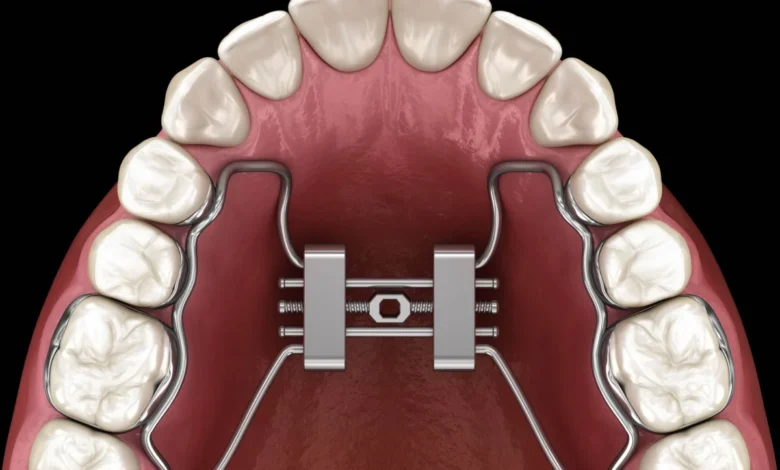
Orthodontic science, dedicated to the diagnosis, prevention, and treatment of dental and facial irregularities, employs a sophisticated array of tools to guide teeth and jaws into optimal alignment. Among these, the palatal expander stands as a foundational yet frequently misunderstood appliance. Designed to correct transverse bite problems by gently widening the upper jaw, or maxilla, this device plays a pivotal role in interceptive orthodontics, particularly for growing children and adolescents. Its application is not merely about achieving aesthetic symmetry; it is deeply intertwined with functional benefits, including improved breathing, chewing, and overall oral health. The American Association of Orthodontists (AAO) consistently highlights the expander’s effectiveness and safety, positioning it as a cornerstone in comprehensive orthodontic treatment plans.
The Historical Trajectory of Jaw Expansion in Orthodontics
The concept of widening the dental arch to correct malocclusion is not a recent innovation. Early orthodontic pioneers recognized the limitations imposed by a narrow upper jaw and sought methods to address it. As far back as the mid-19th century, dental practitioners experimented with rudimentary devices. Dr. Emerson C. Angell, in 1860, is often credited with publishing the first report on rapid maxillary expansion (RME), detailing a screw-based appliance used to separate the midpalatal suture in an adult patient. While his methods were pioneering, the scientific understanding of craniofacial growth and bone physiology was still nascent.
The early 20th century saw increased interest and refinement in appliance design, though the true biomechanical principles of suture separation were debated. It wasn’t until the mid-20th century, with advancements in radiography and anatomical research, that the understanding of the midpalatal suture’s role in maxillary growth solidified. The development of more robust, patient-friendly, and predictable expanders, particularly the banded rapid palatal expander, transformed the field. This evolution allowed orthodontists to intervene earlier and more effectively, preventing more severe malocclusions from developing and often reducing the need for tooth extractions or extensive surgical interventions in later life. The continuous research and technological improvements in materials and diagnostic imaging have further enhanced the precision and success rates of palatal expansion therapies.
The Scientific Principle: How Palatal Expanders Work
At the heart of palatal expansion lies the unique anatomy of the upper jaw. In children and adolescents, the two halves of the maxilla are joined by a cartilaginous structure known as the midpalatal suture, running down the center of the roof of the mouth. This suture remains unfused during periods of active growth, typically until the late teens or early twenties, though the timing can vary significantly by individual, gender, and skeletal maturity.
A palatal expander leverages this physiological characteristic. The device, typically attached to the upper back teeth (molars), applies gentle, continuous, or intermittent outward pressure across the palate. This force encourages the gradual separation of the midpalatal suture. Unlike tooth movement, which involves remodeling the alveolar bone around individual teeth, palatal expansion involves skeletal change—a true widening of the foundational bone structure of the upper jaw.
When the expander is activated (either by turning a screw or through built-in springs), it creates tension along the suture. This tension stimulates osteogenesis, the process of new bone formation, in the gap created by the separation. As new bone fills this space, the upper jaw permanently widens. This process is most efficient and stable during periods of active growth. In skeletally mature adults, where the midpalatal suture has fused, conventional palatal expansion is often not possible without surgical assistance, as the fused bone resists non-surgical separation. In such cases, procedures like Surgically Assisted Rapid Palatal Expansion (SARPE) or Miniscrew-Assisted Rapid Palatal Expansion (MARPE) are employed to facilitate the necessary skeletal changes.
Prevalence and the Critical Need for Expansion
Malocclusions, or bite problems, are highly prevalent globally, affecting a significant portion of the population. Studies indicate that various forms of malocclusion, including those requiring transverse expansion, are common, with estimates suggesting that crossbites alone affect between 8% and 20% of children and adolescents. A narrow upper jaw is a significant contributing factor to several common orthodontic issues, making palatal expanders a vital treatment modality.
The most common issues palatal expanders treat include:
- Posterior Crossbite: This occurs when the upper back teeth bite inside the lower back teeth. A unilateral crossbite can lead to a functional shift of the lower jaw, causing asymmetry and potential temporomandibular joint (TMJ) problems over time. Bilateral crossbites result in a constricted upper arch.
- Dental Crowding: A narrow upper jaw often lacks sufficient space for all permanent teeth to erupt properly, leading to overcrowding. Expansion can create the necessary arch length, potentially obviating the need for tooth extractions.
- Impacted Teeth: When teeth, particularly canines, are blocked from erupting into their correct position, expansion can help create space and guide them into alignment, reducing the complexity of subsequent treatment.
- Mouth Breathing and Airway Issues: A constricted upper arch is frequently associated with a narrow nasal cavity and reduced airway space. Palatal expansion can improve nasal breathing, which is crucial for overall health, sleep quality, and even facial development. Chronic mouth breathing can contribute to sleep-disordered breathing and conditions like obstructive sleep apnea.
- Asymmetric Jaw Development: Early correction of crossbites can prevent the lower jaw from shifting to accommodate the narrow upper jaw, thus promoting more balanced facial growth.
- Speech Impediments: In some cases, a narrow palate can affect tongue positioning and articulation, leading to certain speech difficulties. Expansion can provide more room for the tongue, potentially improving speech.
Addressing these issues early with an expander can prevent more severe and complex problems from developing, ultimately leading to more stable, healthier, and aesthetically pleasing outcomes.
Types of Palatal Expanders: Tailoring Treatment to Individual Needs
The field of orthodontics offers various types of palatal expanders, each designed to address specific patient needs and anatomical conditions. The orthodontist’s choice of expander is based on a thorough diagnosis, considering the patient’s age, skeletal maturity, the severity of the malocclusion, and treatment goals.
- Rapid Palatal Expander (RPE): This is the most common type, particularly for children and young teenagers.
- Banded RPE: This consists of metal bands cemented to the molars, which are connected by a metal framework containing a central screw mechanism. The patient or a parent uses a small key to turn the screw at prescribed intervals (typically once or twice a day), causing rapid and controlled expansion.
- Bonded RPE: Similar in function to the banded RPE, but instead of metal bands, it uses an acrylic pad that covers the biting surfaces of the back teeth and is bonded directly to them. This can be beneficial for patients with decalcification concerns or certain types of bites.
- Slow Palatal Expander: These expanders apply gentler forces over a longer period, with less frequent activation. They are sometimes used for minor expansion needs or when a slower, more biologically driven response is desired.
- Removable Expanders: While less common for significant skeletal expansion, some removable appliances incorporate expansion screws. Their effectiveness for true skeletal widening is limited compared to fixed expanders, but they can be used for minor dental arch widening in specific cases.
- Miniscrew-Assisted Rapid Palatal Expander (MARPE): This advanced technique is increasingly used for older adolescents and adults who have more mature, partially or fully fused midpalatal sutures. MARPE devices incorporate small temporary anchorage devices (TADs), or miniscrews, which are placed directly into the palatal bone. These screws provide direct skeletal anchorage, allowing for more efficient and predictable suture separation even in older patients, often reducing or eliminating the need for traditional surgical assistance.
- Surgically Assisted Rapid Palatal Expander (SARPE): For skeletally mature adults with fully fused sutures, SARPE involves a minor surgical procedure performed by an oral surgeon. Incisions are made in the maxilla to weaken the bony resistance around the midpalatal suture, after which a conventional RPE is used to achieve expansion. This method ensures successful skeletal widening where non-surgical methods would fail.
Each type of expander serves a distinct purpose, highlighting the individualized nature of orthodontic treatment.
The Treatment Journey: A Phased Approach
The process of palatal expansion is a well-defined, multi-phase journey, meticulously managed by the orthodontist.
- Initial Consultation and Diagnosis: The first step involves a comprehensive orthodontic evaluation. The orthodontist conducts a thorough clinical examination, takes diagnostic records (including dental impressions or digital scans, photographs, and various X-rays like panoramic and cephalometric films), and assesses the patient’s skeletal maturity. This data informs the diagnosis and the development of a customized treatment plan.
- Appliance Placement: Once the decision to use a palatal expander is made, the appliance is custom-fabricated based on the patient’s dental impressions. During the placement appointment, the expander is carefully fitted and cemented onto the upper molars. The orthodontist provides detailed instructions to the patient and parents on how to activate the expander and what to expect during the initial adjustment period.
- Activation Phase: This is the active widening period, which typically lasts a few weeks to a few months. Patients or parents are instructed to turn a small key in the expander’s screw mechanism at specific intervals (e.g., once or twice a day). Each turn applies a precise amount of pressure, gradually separating the midpalatal suture. Regular monitoring appointments are scheduled to track progress and make any necessary adjustments. A visible gap between the two front teeth is a common and expected sign that the expansion is occurring skeletally, confirming the separation of the midpalatal suture. This gap usually closes naturally over time or during subsequent orthodontic treatment.
- Retention Phase: Once the desired width has been achieved, the activation phase ceases, but the expander remains in place. This crucial retention phase typically lasts for several months (often 3-6 months or longer). During this time, the expander acts as a passive retainer, allowing new bone to fully calcify and consolidate in the widened suture area. This stabilization is critical for the long-term success and stability of the expansion, preventing relapse.
- Post-Expansion Orthodontics: After the retention phase, the expander is removed. The patient then typically transitions to the next stage of orthodontic treatment, which often involves braces or clear aligners. These appliances are used to fine-tune tooth positions, close any remaining spaces, and establish a stable bite, integrating the newly expanded jaw width into the overall dental arch.
- Long-Term Stability and Follow-up: The orthodontist will continue to monitor the patient’s progress throughout and after comprehensive orthodontic treatment to ensure the stability of the results and address any growth-related changes.
Patient Experience and Management: Adapting to the Appliance
Wearing a palatal expander is a new experience that requires an adjustment period. It is normal to encounter certain sensations and temporary changes as the mouth adapts to the appliance.
- Initial Sensation and Discomfort: Patients commonly report a feeling of pressure or "fullness" in the mouth, particularly after the expander is first placed or after an adjustment. This sensation is a direct result of the forces being applied to the palate and teeth. Mild tenderness in the teeth, jaw, or even the nose and cheeks can occur. Most patients describe this as pressure or soreness rather than sharp pain. Over-the-counter pain relievers, such as ibuprofen or acetaminophen, can help manage discomfort during the initial days and after activations. If discomfort feels severe, persistent, or unusual, contacting the orthodontist’s office is advised.
- Speech Changes: The presence of the expander on the roof of the mouth can temporarily affect speech. The tongue needs space to form sounds, and the appliance occupies some of this space, leading to a lisp or muffled speech. This usually improves significantly within a week or two as the tongue adapts and patients practice speaking. Reading aloud can accelerate this adaptation.
- Increased Saliva: Many patients experience a temporary increase in saliva production as the mouth registers the expander as a foreign object. This typically subsides as the mouth becomes accustomed to the appliance.
- Eating and Dietary Modifications: While wearing an expander, it is generally recommended to avoid certain foods that can damage the appliance or become lodged in it. These include sticky foods (caramels, chewing gum), hard foods (nuts, hard candies, popcorn), and crunchy foods. Softer foods cut into small pieces are easier to manage.
- Oral Hygiene: Meticulous oral hygiene is paramount with a palatal expander. Food particles can easily get trapped in and around the appliance. Patients should brush thoroughly after every meal, paying special attention to cleaning around the bands and under the wires of the expander. Specialized interdental brushes, proxy brushes, or a water flosser can be highly effective in dislodging food debris and maintaining gum health around the appliance. Regular fluoride rinses may also be recommended.
Candidates for Palatal Expansion: The Importance of Timing
A palatal expander is most commonly and effectively utilized in growing children and young teenagers. The optimal window for treatment aligns with periods of active skeletal growth, typically between the ages of 7 and 14, although this can vary.
- Age and Skeletal Maturity: The orthodontist assesses not just chronological age but also skeletal maturity, often using indicators like hand-wrist X-rays or cervical vertebral maturation (CVM) analysis from a cephalometric X-ray. These tools help determine the remaining growth potential and the likelihood of successful suture separation. Girls generally complete their skeletal growth earlier than boys, which impacts the timing of intervention.
- Benefits of Early Intervention: Correcting a narrow upper jaw while a child is still growing offers numerous advantages. It can:
- Normalize jaw growth patterns, preventing asymmetric development.
- Create space for erupting permanent teeth, reducing the likelihood of extractions.
- Improve breathing patterns, especially nasal breathing, and potentially mitigate the risk of sleep-disordered breathing.
- Enhance facial aesthetics by creating a broader, more harmonious smile.
- Simplify and shorten the duration of subsequent comprehensive orthodontic treatment.
- Prevent long-term issues such as abnormal tooth wear, periodontal problems, and TMJ dysfunction.
- Adult Considerations: While expansion is most straightforward in growing patients, adults are not entirely precluded from expansion approaches. However, due to the fusion of the midpalatal suture, adult expansion typically requires surgical assistance (SARPE) or, more recently, miniscrew-assisted techniques (MARPE). These methods allow for skeletal expansion in adults, often as part of a multidisciplinary treatment plan that might also involve orthognathic surgery for more complex jaw discrepancies. The AAO emphasizes that an orthodontist can explain what is possible based on an individual’s unique jaw structure and treatment goals.
Safety, Effectiveness, and Broader Implications
Palatal expanders have been a staple in orthodontic treatment for decades, with an extensive track record of safety and effectiveness when used under the careful supervision of a qualified orthodontic specialist. The discomfort experienced is typically mild and transient, a small trade-off for the significant long-term benefits.
The implications of successful palatal expansion extend far beyond simply straightening teeth:
- Improved Respiratory Health: Widening the palate can increase nasal airflow, promoting nasal breathing over mouth breathing. This has profound implications for general health, including better sleep quality, reduced risk of sleep apnea, and improved overall well-being.
- Enhanced Masticatory Function: A properly aligned bite improves the efficiency of chewing, contributing to better digestion and nutrient absorption.
- Reduced Risk of TMJ Disorders: Correcting transverse discrepancies can alleviate undue stress on the temporomandibular joints, potentially reducing the risk of pain and dysfunction in this critical area.
- Periodontal Health: Properly aligned teeth are easier to clean, reducing the risk of plaque accumulation, gum disease, and tooth decay.
- Long-Term Orthodontic Stability: By addressing the foundational skeletal discrepancy, palatal expansion creates a more stable environment for the teeth, potentially leading to more enduring orthodontic results.
- Psychosocial Benefits: A harmonious smile and improved facial symmetry can significantly boost self-confidence and self-esteem, particularly important during formative years.
- Economic Impact: While an initial investment, early intervention with a palatal expander can often prevent the need for more complex, invasive, and costly treatments (such as extensive tooth extractions or major jaw surgery) later in life, representing a long-term economic saving.
The consensus among orthodontic professionals, including the AAO, is that palatal expanders are a fantastic and essential tool in the orthodontist’s toolkit, playing an indispensable role in correcting a wide range of orthodontic issues and contributing significantly to a patient’s overall health and quality of life.
If concerns arise regarding a narrow palate, crossbite, or dental crowding for oneself or one’s child, the most prudent first step is an evaluation with a certified orthodontist. These specialists possess the expertise to accurately diagnose the condition, determine the optimal timing for intervention, and recommend the most appropriate type of palatal expander or other orthodontic treatment. The AAO Orthodontist locator provides a reliable resource to find an AAO orthodontic specialist nearby and schedule a comprehensive consultation, paving the way for a healthier, more confident smile.