Revolutionizing Orthodontic Practice: Dr. Terry Sellke’s Transition to FXClear Aligners and the Quest for Superior ‘Fit and Finish’

By 2015, clear aligner therapy had already become a significant component of high-volume orthodontic practices, representing approximately 30% of patient treatments in Dr. Terry Sellke’s clinics, with thousands of patients having been successfully treated. However, despite the growing popularity and established methodologies, persistent challenges frequently arose, including patient discomfort associated with aligner changes, visible staining of the aligners, inconsistent clinical finishes, and the undesirable unseating of aligners, even with the extensive application of attachments. These recurring issues underscored a fundamental need for technological advancement and material innovation within the clear aligner sector.
The challenges encountered in the daily practice of orthodontics with aligners resonated with a quality control philosophy widely adopted in the automobile manufacturing industry: "fit and finish." This concept emphasizes the critical precision required during assembly, where components must integrate seamlessly to achieve optimal functionality, aesthetic appeal, and overall performance. In traditional braces, orthodontists meticulously work to improve the fit between the bracket slot and the archwire to facilitate precise tooth movement. A parallel principle applies profoundly to clear aligner treatment, where the exact fit of the aligner—both at its initial insertion and as teeth progressively shift—is paramount for accurately translating the prescribed tooth movements from the digital treatment plan into actual clinical outcomes. As the clear aligner market expanded with the entry of numerous new competitors, Dr. Sellke’s practice initiated a thorough search for an aligner system that could more consistently meet their stringent standards of quality and clinical predictability.
The Evolving Landscape of Clear Aligner Therapy and Its Challenges
The advent of clear aligner therapy marked a paradigm shift in orthodontics, offering an aesthetically pleasing and often more comfortable alternative to traditional fixed braces. Initially perceived as a solution primarily for minor aesthetic corrections, the technology rapidly advanced, expanding its application to more complex malocclusions. This growth was fueled by increasing patient demand for less conspicuous treatment options and the continuous innovation in digital planning and aligner manufacturing. By the mid-2010s, clear aligners had firmly established their place in mainstream orthodontics, with market projections consistently showing upward trends. The global clear aligner market, valued at several billion dollars, continues to expand at a compound annual growth rate (CAGR) exceeding 20%, driven by technological advancements, rising disposable incomes, and increased awareness of dental aesthetics.
However, the rapid adoption of early clear aligner systems also brought to light several clinical limitations. Orthodontists frequently grappled with issues such as insufficient force delivery for complex movements, reliance on numerous attachments to enhance grip, and the potential for "aligner lag," where the actual tooth movement falls behind the programmed movement. Patient experiences also varied, with common complaints including discomfort, the visual degradation of aligners due to staining from food and beverages, and the practical inconvenience of aligners not staying seated correctly. These factors often necessitated more frequent refinements, extended treatment durations, and, at times, compromised final outcomes, prompting a critical re-evaluation of existing aligner materials and biomechanical designs.
A Strategic Evaluation: Identifying a New Standard
Driven by the imperative to overcome these persistent challenges and deliver superior patient outcomes, Dr. Sellke’s practice embarked on a comprehensive evaluation of available clear aligner systems. This rigorous process, spanning several months, involved assessing five distinct aligner brands based on a variety of clinical and material science criteria. The objective was to identify a system that not only addressed the shortcomings of previous generations but also offered a genuine advancement in precision, efficiency, and patient experience.
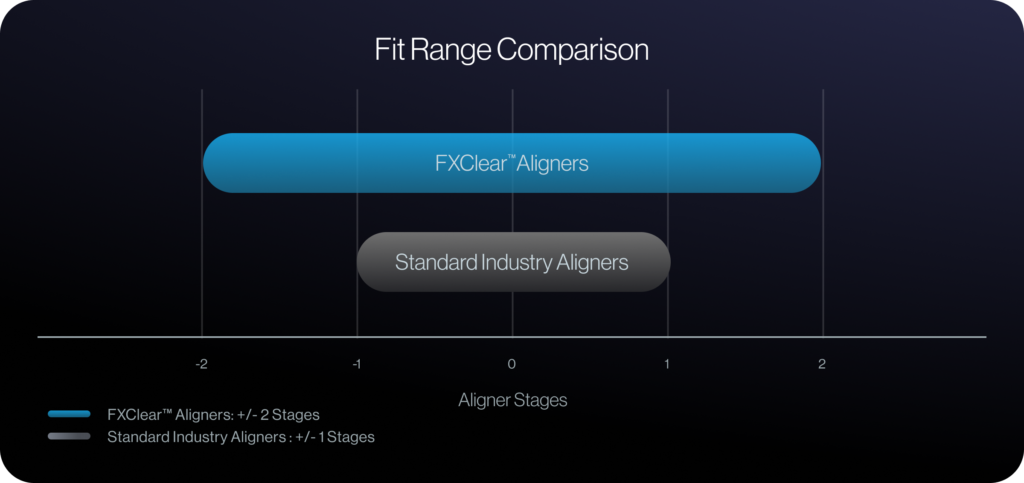
In 2019, after extensive scrutiny, OrthoFX was selected. Its flagship material, FXClear, stood out for its innovative design philosophy, specifically engineered to mitigate the limitations observed in other leading brands. The core promise of FXClear was its ability to deliver lighter, more controlled forces across a broader spectrum of tooth movement. The benefits observed almost immediately in Dr. Sellke’s practice were so compelling that all new aligner starts were transitioned to OrthoFX within a remarkably short period of three months.
FXClear: Engineering for Optimal Performance
The clinical advantages of FXClear aligners, as observed by Dr. Sellke and his team, translated directly into measurable improvements: fewer refinements were needed, the reliance on attachments was significantly reduced, treatment efficiency saw a marked boost, and the overall quality of the final orthodontic finish was consistently higher. These improvements are attributable to the unique material properties and biomechanical design of FXClear.
- Superior Fit Range: Internal testing, comparing FXClear with a leading brand using 3D models (Figure 1), demonstrated a significantly enhanced fit range for FXClear. This superior initial fit and continued adaptability as teeth move is crucial for accurate expression of prescribed movements, minimizing discrepancies and preventing aligner unseating.
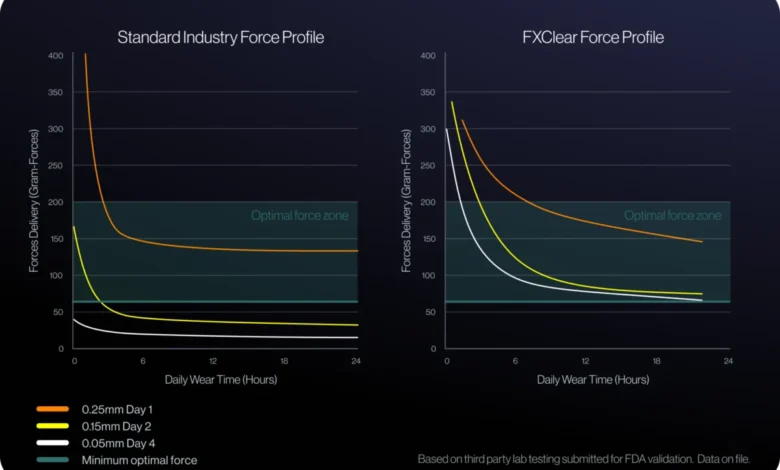
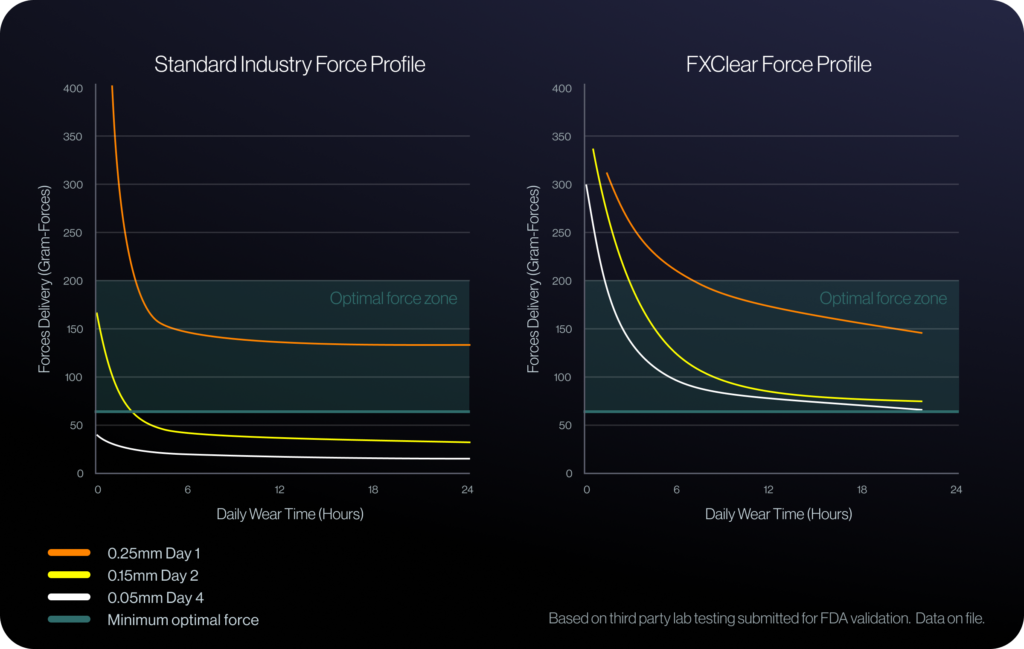
- Optimal and Sustained Force Delivery: A critical aspect of effective orthodontic treatment is the application of forces that are both optimal in magnitude and sustained over time. Independent laboratory testing meticulously compared FXClear with standard industry aligners, revealing a stark difference in force delivery profiles (Figure 2).
- The Optimal Force Zone: This zone, typically ranging from approximately 60 to 200 g-f across various tooth movement types, represents the ideal biomechanical window for effective tooth movement. Forces within this range are crucial for preventing undesirable biological responses such as periodontal ligament (PDL) hyalinization and the undermining resorption process. These pathological responses can lead to a loss of control over tooth movement, aligner unseating, and ultimately, treatment lag, necessitating refinements.
- Standard Industry Force Profile: The left graph in Figure 2 illustrates a common issue with many standard aligners. On Day 1, these aligners often exert very high, supra-optimal forces (orange curve) due to the inelasticity of the plastic. This initial surge is followed by a rapid decline in force and activity as the teeth begin to move. By Day 2 (yellow curve), the remaining forces frequently drop below the minimum threshold required for effective tooth movement. Consequently, by Day 4, the aligner is often no longer active. This rapid decay in effective force leads to aligner lag and necessitates more frequent aligner changes or refinements.
- FXClear Force Profile: In contrast, the right graph in Figure 2 showcases FXClear’s superior force profile. The FXClear aligner remains actively engaged throughout the measurement period. Even on Day 4, sufficient forces persist across all tooth movement types, ensuring continuous and controlled tooth movement. This sustained force delivery minimizes the risk of lag and reduces the need for refinements, contributing significantly to treatment predictability and efficiency.
Patient-Centric Innovations: Comfort and Aesthetics
Beyond the biomechanical advantages, OrthoFX also prioritized patient compliance in the design of FXClear aligners, recognizing that appliance performance is inherently dependent on patient wear.
- Enhanced Comfort: One of the most immediate advantages observed clinically was the lower force profile of FXClear, which directly translates into enhanced patient comfort. In Dr. Sellke’s practice, patient complaints related to discomfort during aligner changes were significantly reduced, often eliminating the need for pain relievers that were previously required. This improvement in patient experience is a major factor in improving compliance and ensuring consistent aligner wear.
- Superior Stain Resistance: The aesthetic integrity of clear aligners is a key concern for patients. FXClear aligners demonstrate remarkably high stain resistance, a property that is highly valued by patients. Rigorous internal testing involved immersing FXClear and a leading clear aligner material in common staining agents like coffee, tea, and red wine. FXClear maintained excellent color stability over seven days, whereas the leading brand showed visible staining within just 12 hours (Figure 3). Based on these compelling results, Dr. Sellke’s practice now confidently advises patients that they may consume black coffee (without sugar) during aligner wear, a seemingly minor detail that significantly enhances the patient’s lifestyle and satisfaction.
A Testament to Efficacy: The Adult Class III Case Study
By 2023, the cumulative benefits of FXClear had dramatically reshaped patient preferences in Dr. Sellke’s practice. The proportion of patients opting for aligners had flipped relative to 2015, with approximately 70% now choosing aligner therapy. Treatment efficiency had been profoundly optimized, consistently achieving outcomes comparable to—and often surpassing—those typically achieved with traditional braces. This allowed the practice to offer both treatment options at the same cost, providing greater flexibility and value to patients. The following case report vividly illustrates the rapid, stable, and high-quality outcomes attainable with FXClear aligners.
-
Diagnosis & Treatment Plan:
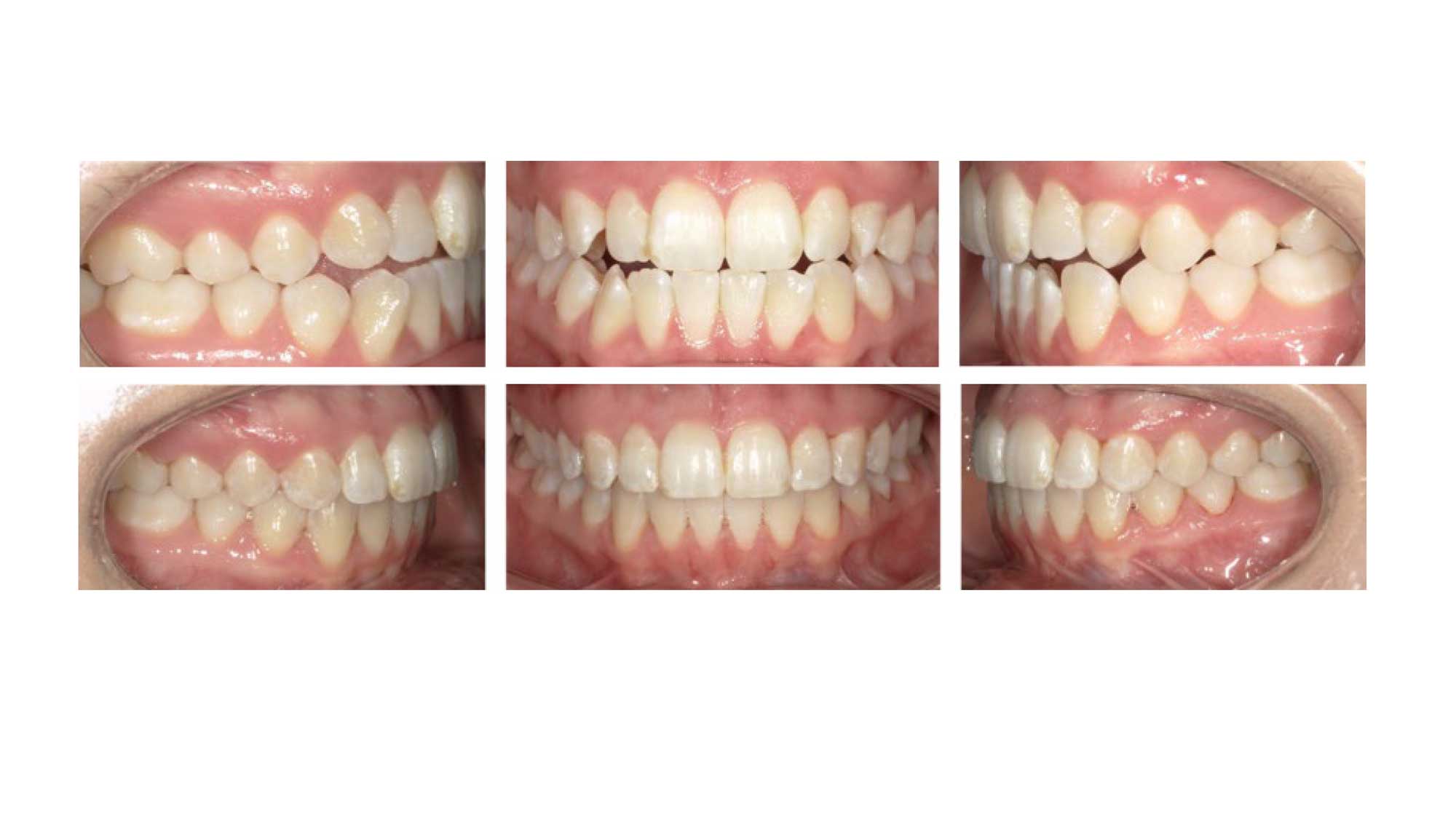
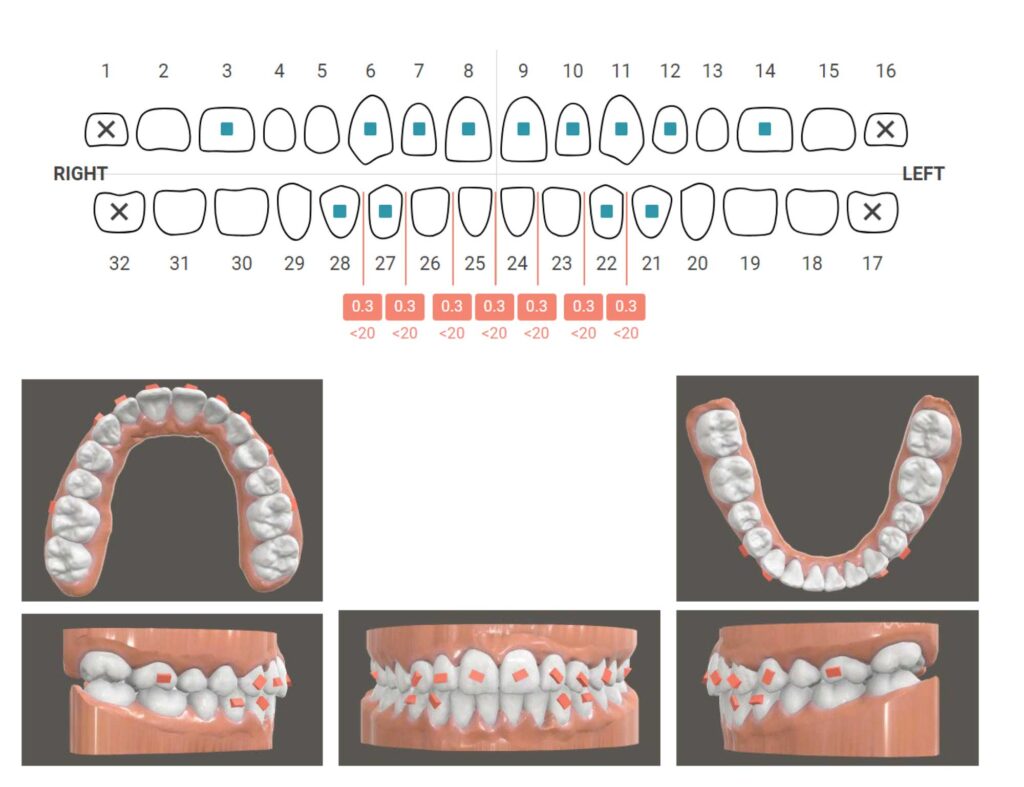
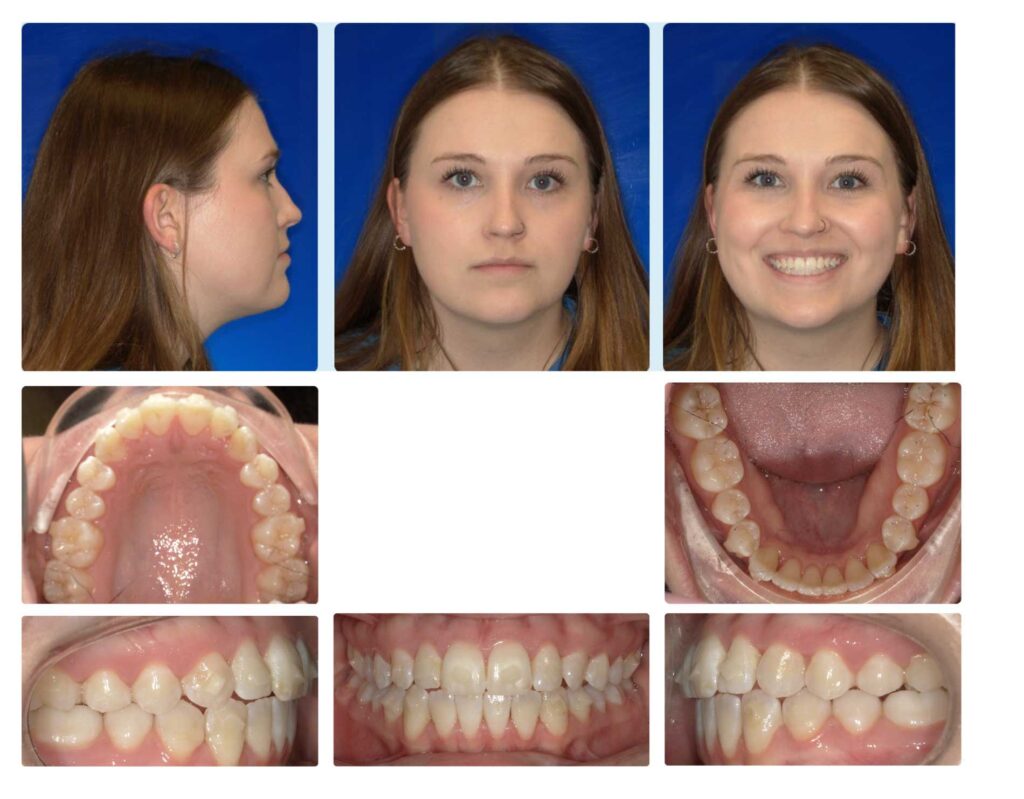
The patient was a 23-year-old adult presenting as an "Edge on Class III" case, characterized by both upper and lower dental crowding (Figure 4). Her primary complaint was recurrent jaw locking and pain, a common manifestation of Temporomandibular Disorder (TMD) often associated with a lack of anterior guidance in the occlusion. Given her adult status, the patient expressed a strong preference for aligner treatment (Figure 5). In Dr. Sellke’s experience, aligners have proven to be the most effective appliance for addressing open bite cases, a common feature in Class III malocclusions.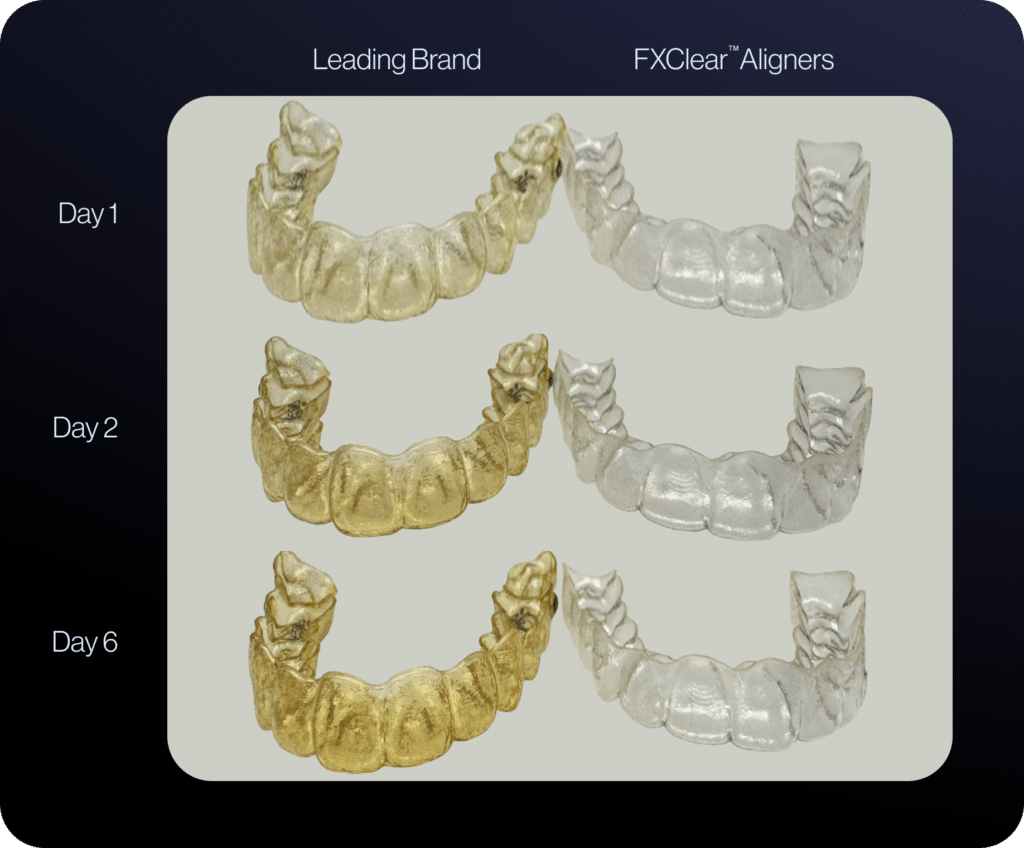
The treatment plan incorporated Class III elastics to establish the necessary overjet and improve the condylar position within centric occlusion. A key advantage of aligners in this context is the full occlusal coverage they provide, which offers robust posterior occlusal support. This feature has historically made Class III elastics well-tolerated in Dr. Sellke’s TMD cases. This strategic approach has consistently yielded more stable overbite correction compared to treatments that rely solely on anterior vertical elastics, which have shown a higher propensity for relapse.
-
Treatment Plan Summary:
- Maxillary Arch:
- Proclination of anterior teeth (0.5 mm)
- Distalization of posterior teeth (0.5 mm)
- Expansion of posterior segments (1.0 mm)
- Mandibular Arch:
- Retroclination of anterior teeth (1.0 mm)
- Mesialization of posterior teeth (0.5 mm)
- Expansion of posterior segments (0.5 mm)
- Interproximal Reduction (IPR):
- Maxillary: 0.2 mm on anterior teeth, 0.2 mm on posterior teeth
- Mandibular: 0.2 mm on anterior teeth, 0.2 mm on posterior teeth
- Planned Attachments: 21 attachments (maxillary: 10, mandibular: 11)
- Elastics: Class III elastics (intermaxillary)
- Maxillary Arch:
-
Planned Refinement (#1):
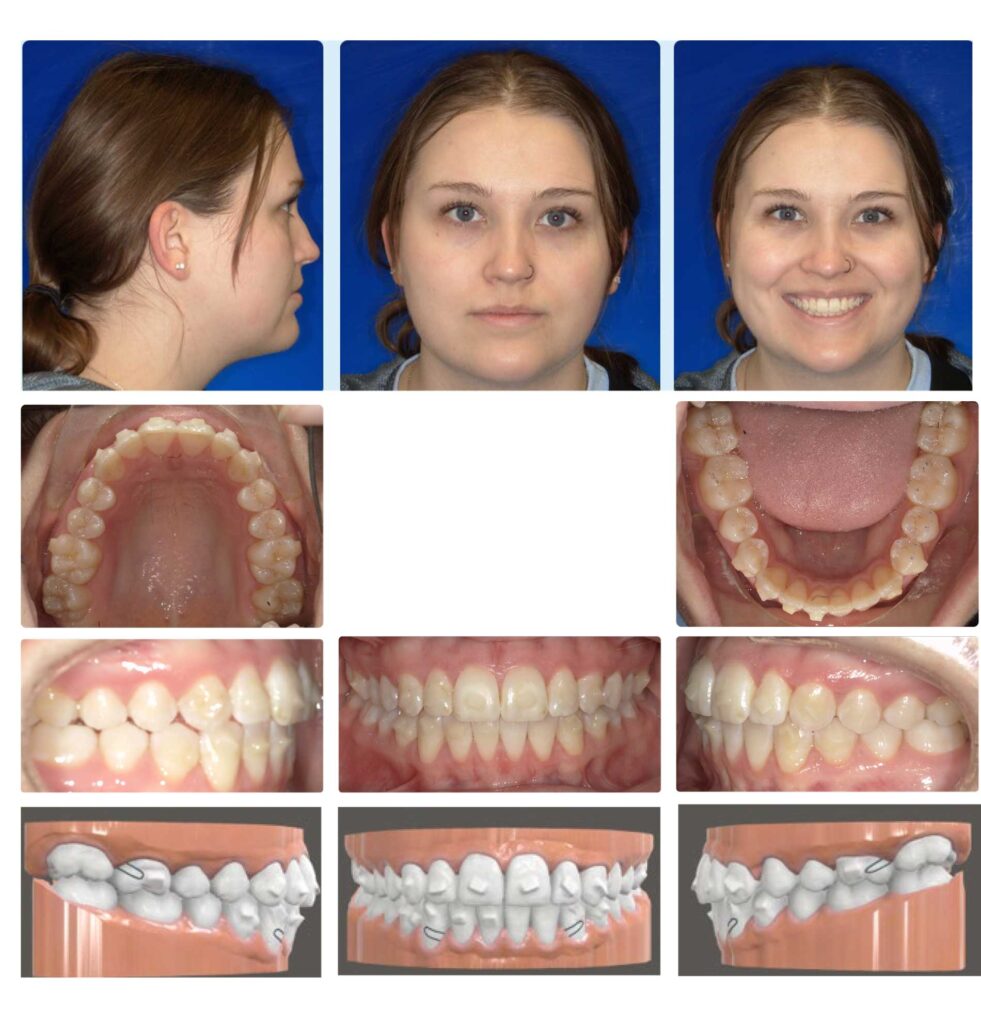
The initial treatment plan projected the first refinement at aligner #31. However, the patient’s case progressed with such remarkable efficacy that the first refinement was initiated earlier, at aligner #26. This adjustment was made to perform necessary enameloplasty sooner, thereby optimizing the aesthetic outcome (Figures 6 and 7).- Refinement goals:
- Achieve improved overjet and overbite.
- Perform enameloplasty for final tooth shaping.
- Ensure precise rotational correction of specific teeth.
- Refinement goals:
-
Final Refinement (#2):
A second, final refinement was conducted to meticulously fine-tune the occlusion and ensure the highest possible quality of finish.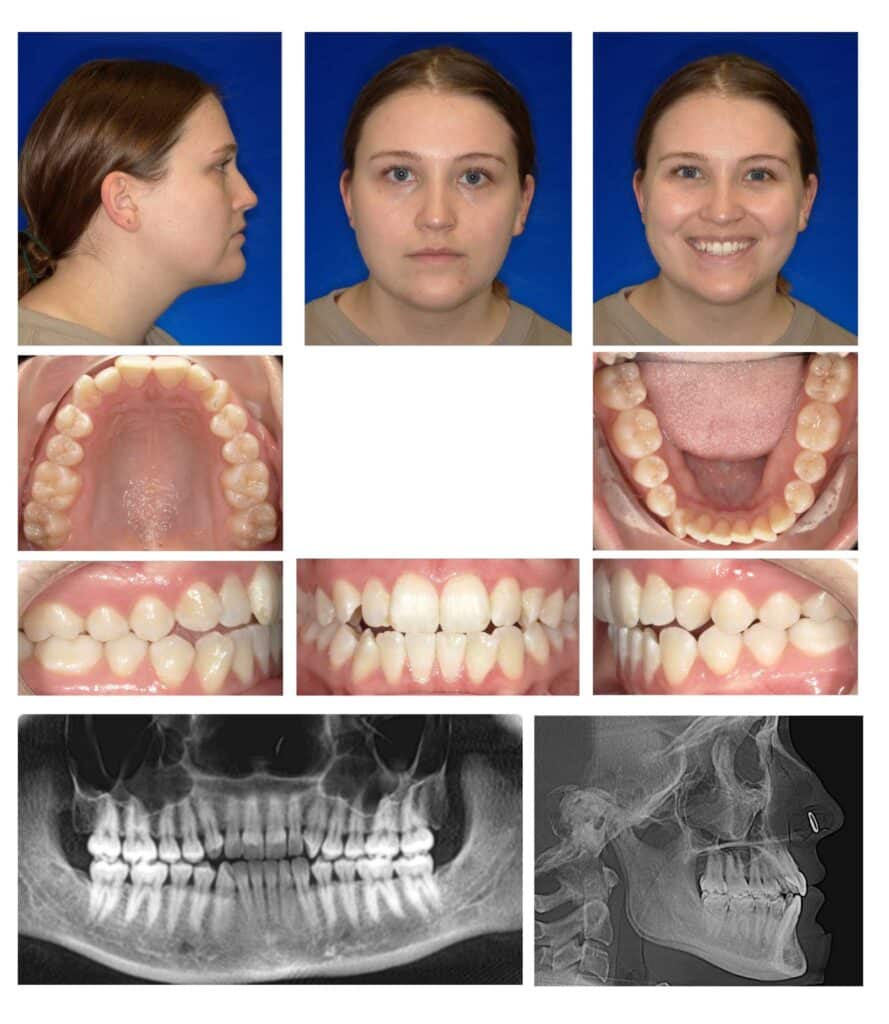
- Refinement goals:
- Perfect intercuspation.
- Achieve ideal midline alignment.
- Establish stable anterior guidance.
- Refinement goals:
-
Treatment Results:
All predefined treatment objectives were successfully achieved (Figure 8). Crucially, the open bite was resolved entirely without the need for vertical elastics, validating the effectiveness of the chosen biomechanical strategy with FXClear. The use of FXClear aligners in this complex Class III open bite case provided superior control over vertical, transverse, and anteroposterior dimensions compared to what might have been achievable with traditional fixed appliances. Unwanted tooth movements were effectively prevented, while all rotations were accurately corrected, and crowding was eliminated with remarkable efficiency, culminating in an exceptionally high-quality finish.- Treatment metrics:
- Total Aligner Stages: 47 (30 initial, 10 for refinement 1, 7 for refinement 2)
- Total Attachments: 21 (all placed initially)
- Total Treatment Duration: 14 months
- Total Refinements: 2
- Total In-Office Visits: 10
- Treatment metrics:
Synergy with Technology: Remote Monitoring and Retention Strategies
Beyond the innovative aligner material, Dr. Sellke’s practice integrates FXClear aligner treatment with cutting-edge, AI-driven remote monitoring technology from DentalMonitoring. This synergistic approach allows for regular remote evaluations of aligner fit and treatment progress, significantly reducing the number of required in-office visits while simultaneously enhancing clinical control and elevating the overall quality of treatment. This blend of advanced aligner technology and digital oversight represents a modern, efficient, and patient-centric approach to orthodontics.
Standard retention protocols in the practice consist of a mandibular bonded retainer (3-3) and a maxillary Essix retainer. For specific open-bite cases, such as the one described, an additional mandibular Essix retainer is prescribed to be worn nightly for approximately 10 hours over the bonded retainer. This additional measure is critical in preventing posterior eruption, which could otherwise lead to a relapse of the corrected open bite, ensuring long-term stability of the treatment outcome.
Transforming Practice: Broader Implications and Future Outlook
The adoption of the FXClear aligner system from OrthoFX has marked a significant transformation in Dr. Sellke’s orthodontic practice. The consistent observation of superior finishes with fewer aligners and attachments underscores the profound impact of polymer characteristics on clinical outcomes.
Firstly, FXClear aligners’ ability to deliver lighter, more consistent forces enhances patient acceptance by reducing discomfort, while simultaneously allowing for a greater range of movement per aligner. This translates into superior control of tooth movement across all three planes of space and facilitates more significant movement per stage, thereby improving efficiency.
Secondly, these advanced material properties allow for substantially less overcorrection to be incorporated into the appliance design. This biomechanical precision supports more efficient tooth movement and enables the achievement of more detailed and refined final occlusions.
Thirdly, the exceptional fit of the FXClear polymer, which "hugs" the teeth so effectively and delivers forces so reliably, has virtually eliminated refinements necessitated by aligner unseating. An internal review of 100 cases revealed that refinements related to aligner unseating occurred in only four patients, each requiring merely a single refinement phase. This dramatic reduction in unseating incidents highlights a significant advancement in aligner stability and predictability.
Furthermore, Dr. Sellke’s clinical experience aligns with the preliminary findings of an independent study, which indicates that FXClear offers a more streamlined treatment experience with fewer office visits, fewer aligners, and greater predictability compared to traditional aligner systems. Beyond these measurable clinical advantages, patients consistently appreciate the superior color stability and enhanced comfort of FXClear. Clinically, the practice routinely achieves excellent posterior occlusion, a critical factor for long-term oral health and stability.
In conclusion, when integrated with sophisticated remote monitoring technologies, FXClear represents a monumental advancement in clear aligner therapy, especially within a practice boasting over two decades of aligner experience. Much like the automotive industry’s meticulous concept of "fit and finish" serves as a benchmark for quality, these advancements in orthodontic materials and technology enable the attainment of the best possible "fit and finish" for aligner treatment, setting a new standard for excellence in patient care.
All photos courtesy of Dr Terry Sellke.
References
- Proffit, W. R., Fields, H. W., & Sarver, D. M. (2019). Contemporary Orthodontics (6th ed.). Elsevier.
- Ren, Y., Maltha, J. C., & Kuijpers-Jagtman, A. M. (2003). Biomedical aspects of orthodontic tooth movement—a review of the literature. European Journal of Orthodontics, 25(6), 517-531.
- [Preliminary findings of an independent study indicating that FXClear offers fewer office visits, fewer aligners, and greater predictability than the Invisalign aligner system.] (https://orthodonticproductsonline.com/resource-center/podcasts/25-faster-40-fewer-aligners-the-clinical-data-behind-fxclear/)
Terry Sellke, DDS, MS, maintains private practices in Grayslake, Antioch, and Gurnee, Illinois. A dedicated innovator, Dr. Sellke relentlessly incorporates new technologies and systems enhancements to achieve exceptional results with shorter and fewer appointments and reduced treatment durations. He served as a distinguished clinical professor and co-director of the orthodontic clinic at the University of Illinois at Chicago for 36 years and continues to share his expertise by lecturing at the university and globally on groundbreaking innovations in orthodontics.
Related posts: