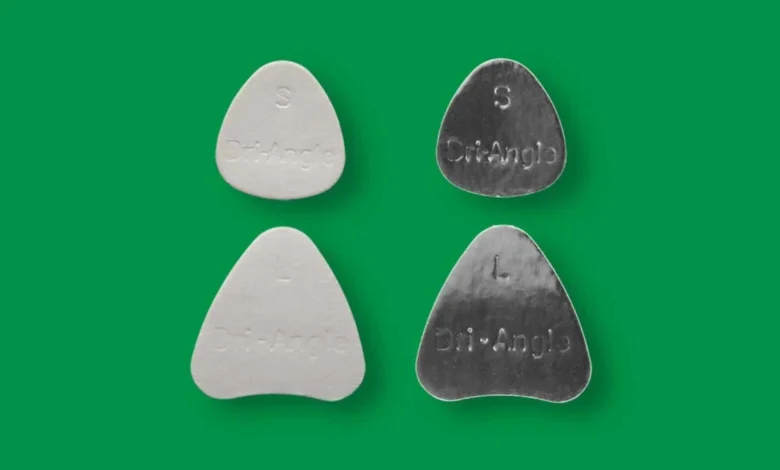
The strategic acquisition marks a significant milestone for Great Lakes Dental Technologies, a Tonawanda, New York-based industry leader, as it moves to fully integrate the production and operations of Dental Health Products under its corporate umbrella. This move effectively secures the future of the Dri-Angle—a specialized dental tool designed to manage salivary flow—by bringing its entire manufacturing lifecycle in-house. For the local dental industry, the acquisition also signals a shift in operational consolidation, as the workforce from the smaller, nearby entity transitions into the larger, employee-owned structure of Great Lakes.
A Legacy of Innovation in Moisture Control
The Dri-Angle, which has been a staple in the Great Lakes product catalog for more than two decades, represents a departure from traditional chairside moisture management techniques. Originally conceptualized and developed by a practicing dentist, the device was engineered to address a perennial challenge in restorative dentistry: maintaining a dry, contamination-free field during procedures such as bonding, cementing, and complex restorative work.
Traditional methods for moisture control often involve the use of cotton rolls, which can become saturated quickly, require frequent replacement, and may occasionally impede the practitioner’s line of sight or access to the parotid duct. The Dri-Angle functions by covering the parotid area, effectively restricting saliva flow at its source. This provides clinicians with a consistent, reliable environment, which is critical for the success of adhesive dentistry, where even minor moisture contamination can compromise the longevity of a restoration. By owning the intellectual property and the manufacturing process, Great Lakes is now positioned to ensure the continued availability and quality control of a product that has become an essential component of clinical workflows globally.
Chronology of the Integration
The relationship between Great Lakes and Dental Health Products has been long-standing, characterized by a successful distribution partnership that spanned over 20 years. During this period, Great Lakes served as a primary conduit for the Dri-Angle to reach dentists, orthodontists, and restorative specialists.
The transition toward full acquisition began as both companies evaluated the logistical benefits of merging operations. Given their geographic proximity—the two firms were located within a 15-mile radius of one another in Western New York—the integration process was streamlined. In the months leading up to the final agreement, the leadership teams worked to transition the manufacturing equipment, supply chain management, and personnel. The formal shift of operations to the Great Lakes headquarters in Tonawanda represents the final step in a multi-stage transition that ensures zero disruption to the supply chain for dental practices that rely on the product.
Operational Consolidation and Workforce Transition
One of the most notable aspects of this acquisition is the human capital component. Great Lakes Dental Technologies operates as an employee-owned company, a structure that fosters long-term commitment and organizational stability. By integrating the employees of Dental Health Products into this model, Great Lakes has not only secured the technical expertise required to manufacture the Dri-Angle but has also expanded its own workforce of over 200 dedicated employee-owners.
The consolidation of operations into the Tonawanda facility provides several economic and operational advantages. By eliminating the overhead of a separate facility and streamlining logistics, Great Lakes is expected to optimize production cycles. Furthermore, the proximity of the two companies meant that the transition for employees was less disruptive than a typical cross-state acquisition, allowing for the retention of institutional knowledge regarding the specific nuances of the Dri-Angle production line.
Market Implications and Distribution Strategy
The dental supply market is currently characterized by a push toward higher efficiency and improved clinical outcomes. As restorative and orthodontic procedures become increasingly complex, the demand for high-quality, reliable chairside accessories has seen steady growth.
David Josza, president and CEO of Great Lakes, emphasized the strategic importance of the acquisition during the official announcement. "The Dri-Angle has been part of Great Lakes’ product line for over 20 years," Josza stated. "We understand the importance of this unique product to doctors and dental offices. This is a perfect marriage of a good, hard-working chairside product and Great Lakes’ ability to leverage our distribution network, broadening Dri-Angle availability worldwide."
From an analytical perspective, this acquisition allows Great Lakes to control its margin and supply chain more effectively. In the medical device industry, relying on external manufacturers for critical components can introduce risks related to production delays or changes in manufacturing standards. By bringing the Dri-Angle fully in-house, Great Lakes mitigates these risks, ensuring that they can scale production in response to global demand without relying on third-party manufacturing timelines.
The Broader Impact on the Dental Sector
The dental, orthodontic, and sleep and airway markets served by Great Lakes require a high degree of precision. The integration of Dental Health Products into the broader Great Lakes portfolio strengthens the company’s position as a one-stop-shop for clinicians.
Supporting data in the dental supply sector suggests that consolidation is becoming an increasingly common trend among mid-sized medical device manufacturers. As regulatory requirements for medical devices continue to evolve, smaller manufacturing entities often find it challenging to navigate compliance, quality assurance, and global distribution logistics independently. By joining a larger, established player like Great Lakes, products like the Dri-Angle gain access to robust regulatory support teams and international distribution channels that might otherwise have been difficult to navigate.
Furthermore, the "employee-owned" culture at Great Lakes suggests a long-term vision for the Dri-Angle. Rather than treating the acquisition as a short-term financial play, the company is integrating the product into its core business, indicating an intent to invest in its development and long-term viability. This provides stability for the dental practices that have incorporated the Dri-Angle into their daily protocols, ensuring that the tool remains a reliable fixture in their instrument trays for years to come.
Looking Toward the Future
As the dental industry pivots toward digital dentistry and improved patient experience, tools that simplify chairside work are becoming more valuable. The Dri-Angle represents a "low-tech, high-impact" solution that solves a universal clinical problem. With the full resources of Great Lakes Dental Technologies behind it, the product is likely to see increased marketing, improved distribution logistics, and perhaps future iterations or enhancements based on feedback from the expanded user base.
The transition of the Dental Health Products workforce into the Great Lakes family is also a testament to the health of the manufacturing sector in the Buffalo-Niagara region. By retaining skilled labor and centralizing specialized production, Great Lakes is reinforcing its commitment to the local economy while simultaneously strengthening its global footprint.
For the dental professional, the impact of this acquisition is expected to be overwhelmingly positive. While the branding and product remain familiar, the underlying operational strength behind the Dri-Angle has been significantly bolstered. As Great Lakes continues to integrate its new assets, the company remains focused on its primary objective: providing high-quality, innovative solutions to the dental community, ultimately leading to better outcomes for patients worldwide. The marriage of this specialized moisture control technology with the expansive distribution and manufacturing capabilities of Great Lakes serves as a blueprint for how legacy products can be revitalized and sustained within a larger corporate structure.