The Comprehensive Guide to Post-Braces Care: What Happens After the Orthodontist Removes Your Appliances


Reaching the day your orthodontic braces are finally removed marks a significant milestone in dental health and personal appearance. After months or potentially years of regular adjustments, tightening, and dietary restrictions, patients finally get to see the fully aligned smile they and their orthodontists worked so hard to achieve. However, clinical experts and dental associations emphasize that the removal of fixed orthodontic appliances is not the end of the treatment timeline, but rather the transition into a critical maintenance phase. Understanding the physiological changes, discomforts, and responsibilities that follow braces removal is essential for preserving long-term dental health and preventing orthodontic relapse.
The Removal Procedure: What to Expect in the Chair
The process of taking off braces is a carefully orchestrated clinical procedure performed by trained orthodontic professionals. Using specialized dental instruments, the orthodontist systematically detaches the brackets, archwires, and metal or elastic bands from each individual tooth. Patients commonly report hearing or feeling minor clicking sounds as the adhesive bond breaks and the brackets release from the enamel surface.
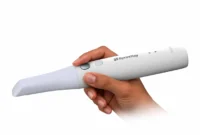
Once the hardware is removed, the clinical team focuses on eliminating any residual bonding resin. A specialized dental polisher is used to smooth the tooth surfaces, ensuring that no rough patches of adhesive remain and that the natural enamel feels clean and uniform. This appointment frequently incorporates a comprehensive evaluation of the final bite occlusion and tooth alignment to verify that all primary treatment objectives have been successfully met. Orthodontists often capture final diagnostic records during this visit, which may include digital intraoral scans, physical dental impressions, clinical photography, or panoramic X-rays. These records serve as a baseline for future comparisons and assist in fabricating customized retention devices.
Understanding the Physical Sensations of Removal
While the prospect of having metal hardware detached from the teeth often creates anxiety, the physical removal process is generally reported as painless by the vast majority of patients. The sensation is typically characterized by momentary pressure, squeezing, or a brief pulling force as each bracket is cleanly sheared from the tooth. These sensations are transient, usually lasting only a fraction of a second per tooth.
The polishing phase can also produce unique sensory experiences, including mild vibrations and warmth caused by friction against the enamel. Once the appliances are completely gone, patients frequently experience a psychological and physical shock regarding how their mouths feel. Teeth may feel remarkably smooth, and the tongue may wander continuously over newly exposed surfaces that were previously obstructed by brackets and wires. Additionally, the lips and cheeks must readjust to the absence of bulk on the teeth, which can temporarily alter speech patterns or facial resting posture.
Managing Post-Removal Tooth and Gum Sensitivity
It is entirely normal to experience a degree of sensitivity following the removal of braces. This discomfort generally stems from two primary sources: the mechanical forces applied during bracket debonding and adhesive polishing, and the underlying inflammation of the periodontal tissues that may have persisted throughout treatment.
Teeth may react sensitively to thermal stimuli, such as hot coffee, ice water, or acidic and sugary foods. Furthermore, the gums may feel tender, particularly if they were slightly swollen or overgrown around the brackets during the active phase of alignment. Professional dental organizations note that this mild sensitivity is temporary and typically subsides within a few days as the oral cavity adapts. Orthodontists often recommend over-the-counter pain relievers or the use of specialized desensitizing toothpastes containing potassium nitrate or stannous fluoride to manage discomfort during this transitional window.
Addressing the Phenomenon of Loose Teeth
One of the most alarming sensations patients report after getting their braces off is a feeling of looseness or mobility in certain teeth. This physiological response is entirely expected and is rooted in the biological mechanics of tooth movement. Orthodontic treatment relies on bone remodeling; as pressure is applied, the bone on one side of the root breaks down while new bone is deposited on the opposite side to support the tooth in its new position.
When braces are removed, the bone and periodontal ligament fibers surrounding the teeth have not yet fully solidified around the roots in their new locations. Consequently, the teeth require several weeks or months of stabilization to anchor firmly into the surrounding alveolar bone. If a tooth exhibits extreme mobility, sharp pain, or an inability to bite down properly, patients are advised to contact their orthodontist immediately to rule out premature occlusal trauma or premature retainer failure.
Dietary Adjustments and the Return to Normal Eating
The removal of braces brings immediate dietary liberation for most patients. Foods that were strictly prohibited or restricted throughout the treatment duration—such as whole apples, corn on the cob, hard pretzels, sticky caramels, and chewy popcorn kernels—can finally be reintroduced without the risk of bending wires or popping off loose brackets.
Despite this newfound freedom, dental professionals recommend a cautious, gradual approach to eating immediately following the removal appointment. Because teeth and gums remain in a heightened state of sensitivity during the first 48 to 72 hours, consuming intensely hard, crunchy, or acidic foods can exacerbate soreness. Furthermore, patients who have been prescribed removable retainers must remember to extract their appliances prior to consuming meals or pigmented beverages to prevent structural damage, staining, and the accumulation of harmful bacteria.
The Indispensable Role of Retainers in Modern Orthodontics
The single most critical element of post-braces care is the consistent, disciplined use of a retainer. Without retention, teeth possess a natural biological memory that compels them to drift back toward their original malocclusion, a process known as orthodontic relapse. Biological aging, continuous jaw growth, natural tooth wear, and everyday masticatory forces ensure that the oral environment remains dynamic throughout a person’s lifetime.
Orthodontists typically prescribe one of several standard retainer types based on individual clinical requirements:
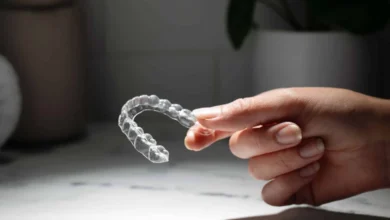
- Removable clear plastic retainers (often vacuum-formed from thermoplastic material), which offer aesthetic discretion and cover the entire dental arch.
- Removable Hawley retainers, constructed from a combination of acrylic and a labial metal wire, known for their durability and adjustability.
- Fixed or bonded retainers, consisting of a thin wire permanently cemented to the lingual (tongue-facing) surface of the front teeth, most commonly applied to the lower anterior region.
Establishing a Long-Term Retention Schedule
The timeline for wearing a retainer evolves significantly from the day the braces come off. During the initial months following appliance removal, the periodontal ligaments and surrounding bone tissue are at their most vulnerable state. To counteract the high risk of rapid relapse, orthodontists typically instruct patients to wear their removable retainers on a nearly continuous basis—usually 20 to 22 hours per day—removing them only for meals, oral hygiene routines, and high-contact athletic activities.
As months pass and clinical evaluations confirm that the bone structure has successfully stabilized around the tooth roots, orthodontists gradually transition patients to a nighttime-only wear schedule. Dental research strongly indicates that long-term, indefinite nighttime retainer wear is necessary to preserve a straight smile into adulthood. Failing to maintain this routine frequently results in the gradual shifting of teeth, requiring secondary orthodontic intervention later in life.
Oral Hygiene and Maintenance Protocol After Braces
Maintaining optimal oral hygiene becomes significantly more straightforward once fixed braces are removed, as the physical barriers trapping plaque and food debris are eliminated. However, diligence remains paramount. Patients are encouraged to brush thoroughly at least twice daily with a fluoride toothpaste and floss daily to remove plaque from interproximal spaces that were difficult to access during active treatment.
Caring for the retainer itself is equally vital for oral health. Removable retainers must be cleaned daily using specialized non-abrasive cleansers, mild antibacterial soap, or dedicated retainer cleaning tablets. Using standard toothpaste to clean plastic retainers can create microscopic abrasions that harbor bacteria and cause the material to look cloudy or discolored. Additionally, retainers must always be stored in their designated protective cases when not in use rather than being wrapped in napkins, where they are frequently discarded by mistake or crushed.
Follow-Up Care, Monitoring, and Recognizing Warning Signs
Orthodontic care does not conclude the moment the patient walks out of the clinic after braces removal. Most orthodontic practices schedule a series of structured follow-up appointments—typically spaced at intervals of three months, six months, and one year post-removal—to monitor the stability of the dental alignment and check the integrity of the retainers. These routine evaluations allow clinicians to detect minor shifts, wear-and-tear on appliances, or emerging bite issues before they require extensive corrective procedures.
Patients must remain vigilant and contact their orthodontist promptly if they observe specific warning signs during the post-braces period. Red flags requiring professional intervention include:
- A removable retainer that suddenly feels excessively tight, painful, or refuses to seat properly on the teeth.
- Physical damage to a retainer, such as cracks, fractures, warped plastic, or a detached wire.
- A bonded (permanent) retainer wire that breaks, bends, or detaches from even a single tooth.
- Unexplained, persistent pain, severe localized sensitivity, or sudden changes in bite alignment.
Orthodontic experts universally stress that attempting to force a poorly fitting retainer into place can damage the roots of the teeth and accelerate unwanted shifting. Early consultation with a qualified professional ensures that adjustments or replacements can be made safely.
The Broader Implications of Completing Orthodontic Treatment
The successful completion of orthodontic treatment extends far beyond cosmetic improvements. Properly aligned teeth and a balanced bite contribute directly to long-term systemic and oral health benefits. Straight teeth are fundamentally easier to clean, which significantly reduces the cumulative lifetime risks of developing periodontal disease, gingivitis, localized tooth decay, and abnormal enamel wear caused by traumatic occlusion. Furthermore, correcting functional bite discrepancies can alleviate chronic issues related to temporomandibular joint (TMJ) disorders, tension headaches, and masticatory muscle fatigue.
As the population increasingly values preventative healthcare and aesthetic wellness, the demand for structured post-orthodontic maintenance education continues to rise. Public health campaigns spearheaded by professional organizations, such as the American Association of Orthodontists (AAO), continually emphasize that patient compliance during the retention phase is the ultimate determinant of treatment longevity.
Transitioning from Braces to a Lifetime of Healthy Smiles
Successfully navigating the transition from braces to a natural, retainer-supported smile requires patience, discipline, and open communication with dental healthcare providers. While the immediate aftermath of removal involves minor physical adjustments, temporary sensitivities, and the establishment of new daily hygiene habits, these efforts safeguard a major personal and financial investment in dental health. By adhering closely to professional wear schedules, attending scheduled follow-up evaluations, and maintaining rigorous daily oral hygiene practices, patients can ensure that their newly straightened smiles remain healthy, functional, and aesthetically pleasing for a lifetime.