Life After Braces: A Comprehensive Guide to Your Post-Orthodontic Transition and Retainer Care


The removal of orthodontic braces marks a significant milestone for millions of patients annually, representing the culmination of months or even years of physical adjustments, dietary restrictions, and financial investment. According to data from the American Association of Orthodontists (AAO), millions of individuals undergo orthodontic treatment to correct malocclusions, improve dental functionality, and enhance facial aesthetics. While the day the brackets and wires finally come off is widely celebrated in dental offices around the world, patients are frequently surprised to learn that orthodontic care does not terminate the moment the hardware is removed. Instead, the transition into the post-braces phase initiates a new, equally critical chapter focused on stabilizing the dentition and safeguarding the structural results achieved during active treatment.
Understanding the Mechanics of Braces Removal
The process of debonding—the clinical term for removing braces—is a routine procedure performed by trained orthodontic professionals using specialized dental instrumentation. When a patient arrives for their debonding appointment, the orthodontist systematically detaches the individual metal or ceramic brackets, removes the stabilizing archwires, and extracts any auxiliary rubber bands or metal bands encircling the molars. Patients often report hearing faint cracking or popping sounds and feeling transient pressure during this stage, which is merely the dental cement fracturing as the bracket base separates from the enamel surface.
Once the visible hardware is cleared, the clinical team utilizes specialized polishing burs and handpieces to meticulously remove any remaining adhesive resin from the teeth. This phase ensures that the enamel surfaces return to a smooth, natural texture. Following the cleaning process, orthodontists typically conduct a comprehensive evaluation of the newly revealed smile. This diagnostic assessment frequently includes updated panoramic X-rays, intraoral photographs, and digital scans or traditional plaster impressions. These records serve as a baseline to evaluate the final occlusion (bite alignment) and fabricate the custom retainers that will lock the teeth into their corrected anatomical positions.
Managing Discomfort and Immediate Physical Sensations
A common concern among patients preparing for debonding is whether the removal process causes physical pain. Clinical consensus indicates that the procedure itself is generally painless, though patients may experience mild, short-lived sensations of pressure, squeezing, or vibration as the brackets are detached and residual adhesive is polished away. These sensations typically subside within minutes.
However, the days immediately following the removal of braces can introduce localized sensitivity. Because the teeth have been constrained by fixed appliances for an extended duration, removing the hardware alters the tactile feedback of the mouth. Patients frequently remark that their teeth feel unusually smooth, slippery, or even slightly exposed when running their tongue across the enamel or biting into food. Furthermore, mild tooth and gum tenderness is common as the periodontal ligaments—the fibrous tissues anchoring the teeth within the jawbone—adjust to the newfound freedom and as the gums recover from minor inflammation associated with oral hygiene challenges during active treatment. Orthodontists often recommend over-the-counter analgesics or specialized desensitizing toothpastes to manage this temporary discomfort, which typically resolves within a week.
The Phenomenon of Dental Mobility and Bone Remodeling
One of the most unsettling yet normal occurrences after braces are removed is a transient feeling of looseness in the teeth. To understand why this happens, it is necessary to examine the biological mechanism of orthodontic movement. Orthodontic treatment relies on controlled mechanical force to prompt bone remodeling. On the pressure side of a tooth, bone is resorbed (broken down), while on the tension side, new bone is deposited. Throughout active treatment, the supporting alveolar bone and periodontal tissues are in a constant state of dynamic biological flux.
When braces are finally removed, the newly repositioned teeth are surrounded by bone tissue that has not yet fully mineralized and stabilized in its new architecture. Consequently, teeth may exhibit a slight degree of mobility. This phenomenon is entirely standard; the surrounding bone and periodontal ligament require adequate time—often several months—to mature and firmly anchor the roots in their corrected locations. Patients experiencing excessive mobility, sharp pain, or localized trauma should immediately consult their orthodontist, but mild physiological shifting during the initial weeks is a predictable part of the biological healing curve.
Transitioning Back to Normal Dietary Habits
The removal of braces brings an immediate lifting of the strict dietary restrictions that patients have navigated for years. Foods that were strictly forbidden due to the risk of damaging brackets and wires—such as whole apples, corn on the cob, hard pretzels, sticky caramels, and chewy popcorn kernels—are suddenly back on the menu.
Despite this newfound dietary freedom, dental professionals strongly advise patients to reintroduce these foods gradually. Because the teeth and gums may remain sensitive for several days post-debonding, biting into hard or crunchy items can induce unnecessary discomfort. Furthermore, patients who have been prescribed removable retainers are generally instructed to take them out prior to consuming any food or beverage other than plain water, ensuring that the acrylic and wire components are not warped, stained, or structurally compromised.
The Indispensable Role of Retainers in Preventing Orthodontic Relapse
Perhaps the most critical takeaway from the post-braces transition is the absolute necessity of retainer wear. Teeth possess a natural biological memory and a lifelong tendency to drift back toward their original, pre-treatment positions—a process clinically known as orthodontic relapse. This tendency is driven by continuous physiological forces, including the recoil of stretched periodontal fibers, ongoing craniofacial growth, natural tooth wear, and the everyday pressures exerted by the lips, cheeks, and tongue.
To counteract orthodontic relapse, retainers are prescribed as a permanent fixture of dental maintenance. Orthodontists generally utilize three primary categories of retainers:
- Hawley Retainers: Traditional removable appliances constructed from a durable acrylic base molded to fit the roof of the mouth or the lingual floor, combined with a stainless steel labial wire that spans the front surfaces of the teeth. Hawley retainers are adjustable and highly durable.
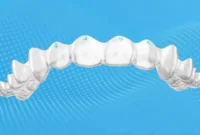
- Clear Plastic Retainers (Essix or Vivera): Transparent, vacuum-formed trays that fit snugly over the entire dental arch. These appliances are favored for their aesthetic discretion, as they are virtually invisible when worn, though they can crack or discolor over time.
- Fixed (Permanent) Retainers: A thin, braided stainless steel wire bonded directly to the lingual (tongue-facing) surfaces of the front teeth, typically spanning from canine to canine. Fixed retainers are particularly common for the lower anterior teeth, providing continuous, 24/7 retention without requiring patient compliance.
The Timeline of Retainer Compliance
The schedule for wearing a retainer evolves significantly over time. In the immediate aftermath of braces removal—often spanning the first four to six months—orthodontists typically recommend continuous retainer wear. During this critical window, the patient is advised to wear the appliance twenty-four hours a day, removing it only during meals, athletic activities, and oral hygiene routines. This strict schedule allows the periodontal ligaments and alveolar bone sufficient time to solidify around the new tooth positions.
As the months progress and clinical follow-up evaluations confirm structural stability, orthodontists frequently transition patients to a nocturnal wear schedule. Under this protocol, the retainer is worn exclusively while sleeping. For many patients, lifelong nocturnal retainer wear becomes a permanent habit. Clinical guidelines from organizations such as the American Association of Orthodontists emphasize that "nighttime for a lifetime" is often necessary to guarantee that teeth remain perfectly aligned well into adulthood, as minor craniofacial changes continue throughout a person’s life.
Long-Term Oral Hygiene and Maintenance Protocols
With the removal of orthodontic brackets and archwires, patients often experience immense relief regarding their oral hygiene routine. Brushing and flossing no longer require navigating around metal squares and complex interdental threads. However, maintaining pristine dental hygiene remains vital to protect the newly revealed enamel and ensure the longevity of both the teeth and the retainers.
Patients are encouraged to brush at least twice daily with a fluoride toothpaste and floss daily to remove plaque accumulation along the gumline. For those with fixed lower retainers, standard dental floss must be threaded beneath the wire using floss threaders or interdental brushes to prevent calculus buildup and subsequent periodontal disease.
Simultaneously, retainers themselves demand rigorous daily maintenance. Removable retainers accumulate bacterial plaque, calculus, and food debris just like natural teeth. Neglecting retainer hygiene can lead to persistent bad breath, discoloration, and microbial growth that threatens oral health. Patients should clean their removable appliances daily using non-abrasive cleansers, specialized retainer tablets, or mild soap and cool water, strictly avoiding hot water which can warp the acrylic or plastic material.
When to Seek Professional Intervention
While the post-braces period is generally straightforward, patients must remain vigilant for warning signs that warrant professional intervention. An orthodontist should be contacted immediately under several specific circumstances:
- A retainer cracks, breaks, snaps, or becomes permanently warped.
- A fixed retainer wire detaches from even a single tooth, which can allow rapid localized shifting.
- A removable retainer begins to feel excessively tight, painful, or fails to seat completely over the dental arch—a clear indicator that dental shifting or relapse has already commenced.
- Persistent, unexplained pain, sharp bite interferences, or localized swelling occurs around the gums or supporting bone structures.
Proactively addressing these issues during scheduled follow-up visits or emergency appointments prevents minor mechanical failures from turning into severe orthodontic complications that might require retreatment.
The Broader Impact of Post-Orthodontic Care
The completion of orthodontic treatment extends far beyond cosmetic enhancements. A well-aligned bite improves masticatory efficiency, reduces abnormal wear on tooth enamel, decreases the risk of temporomandibular joint (TMJ) disorders, and facilitates superior long-term periodontal health by eliminating hard-to-clean crowding zones. However, realizing these lifelong health benefits requires unwavering dedication to the post-braces maintenance protocol.
Ultimately, the removal of braces represents the crossing of a major finish line, but it simultaneously establishes the foundation for a lifetime of proactive oral stewardship. Through a combination of consistent retainer compliance, diligent oral hygiene, and routine professional dental check-ups, patients can ensure that the structural integrity and aesthetic beauty of their new smile endure for decades to come.