Dimensions’ Discovery EXPO to Feature Critical Training on Identifying Human Trafficking in the Dental Setting


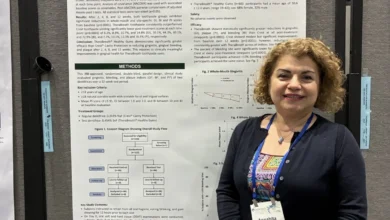
As the healthcare industry continues to grapple with its role in identifying and assisting victims of exploitation, the upcoming Dimensions’ Discovery EXPO has announced a pivotal educational session designed to bridge the gap between clinical practice and humanitarian intervention. On August 7, from 2:00 pm to 4:00 pm, Kandice Swarthout, RDH, LPC, will lead a comprehensive seminar titled "Recognizing the Warning Signs of Human Trafficking," aimed at empowering oral health professionals to serve as a frontline defense against one of the world’s most pervasive human rights violations.
The session comes at a time when global awareness regarding human trafficking—encompassing both labor and sex trafficking—is at an all-time high, yet many healthcare providers remain under-trained in identifying the subtle indicators of abuse. Swarthout, who uniquely holds credentials as both a registered dental hygienist and a licensed professional counselor, will leverage her dual expertise to provide attendees with a multidimensional understanding of victimology and clinical observation.
The Dental Professional as a Frontline Responder
The choice of the dental setting as a venue for trafficking intervention is backed by significant public health data. Research indicates that a vast majority of human trafficking victims—some studies suggest as high as 88%—encounter a healthcare professional at least once while they are still being exploited. Because dental care often involves close, prolonged physical proximity and regular follow-up appointments, oral health teams are uniquely positioned to notice physical and behavioral changes that might go unnoticed in a fast-paced emergency room or a brief primary care visit.
Swarthout’s presentation will emphasize that dental hygienists and dentists are often the first point of contact for individuals who are otherwise isolated from society. The session will explore how the clinical environment, which requires a high degree of trust and physical intimacy, can be leveraged to create a "safe space" for disclosure, provided the clinician knows how to approach the situation without compromising the patient’s safety.
Understanding the Scope of the Crisis
To provide necessary context, the seminar will frame human trafficking not merely as a criminal justice issue, but as a rapidly growing public health crisis. According to the International Labour Organization (ILO), human trafficking is a multibillion-dollar industry affecting an estimated 27.6 million people worldwide at any given time. In the United States, the Polaris Project, which operates the National Human Trafficking Hotline, consistently reports thousands of cases annually, with victims spanning every demographic, including minors, domestic citizens, and foreign nationals.
The "Discovery EXPO" session will break down these statistics into actionable clinical insights. Attendees will learn that trafficking is not confined to specific geographic "red light districts" or industrial hubs; rather, it occurs in suburban dental practices, urban clinics, and rural communities alike. By understanding the ubiquity of the problem, dental professionals can move past the "it doesn’t happen here" mindset and adopt a more vigilant, trauma-informed approach to patient care.

Clinical Indicators and Red Flags in the Dental Chair
A core component of Swarthout’s curriculum involves identifying the specific physical and behavioral "red flags" that may present during a routine dental exam. These indicators are often subtle and can be easily overlooked if a clinician is focused solely on oral pathology.
Physical Signs of Trauma
Oral health professionals are trained to look for abnormalities, but the session will teach them to look for patterns of injury consistent with abuse. These may include:
- Fractured teeth or jaw injuries that are inconsistent with the patient’s explanation of the "accident."
- Bruising in various stages of healing around the neck, jawline, or ears.
- Intraoral trauma, including lacerations to the frenum or palate, which may suggest forced activity.
- Untreated dental decay or advanced periodontal disease in a patient who appears to have a "handler" or companion who is overly controlling of the patient’s finances or schedule.
Behavioral and Social Indicators
Beyond physical trauma, Swarthout will detail the psychological grooming and coercion techniques used by traffickers. Behavioral red flags include:
- A companion or "translator" who refuses to leave the patient’s side and insists on speaking for them.
- A patient who exhibits hyper-vigilance, extreme submissiveness, or an inability to provide a permanent home address.
- The presence of "branding" tattoos—names, barcodes, or symbols—often found on the neck or wrists, signifying "ownership" by a trafficker.
- A lack of identification documents or the inability of the patient to hold onto their own money or phone.
Legal Responsibilities and Reporting Protocols
A critical and often daunting aspect of human trafficking intervention for healthcare providers is the legal obligation to report. Swarthout will provide clarity on the varying state mandates regarding mandatory reporting. While most states require the reporting of suspected child abuse, the legal requirements for reporting suspected trafficking in adults can be more complex and vary by jurisdiction.
The session will guide clinicians on how to navigate these responsibilities while maintaining the "do no harm" ethical standard. Reporting a suspected trafficker while the victim is still in the office can lead to immediate retaliation against the victim. Therefore, the training will focus on "warm handoffs" to local advocacy groups, the use of the National Human Trafficking Hotline, and coordination with social services to ensure a safety plan is in place before any official report triggers a law enforcement response.
Chronology of the Dimensions’ Discovery EXPO
The Dimensions’ Discovery EXPO, organized by Belmont Business Media, has established itself as a premier venue for continuing education in the dental hygiene field. The event is structured to provide high-impact, evidence-based learning opportunities that go beyond technical clinical skills.
- Morning Sessions: Usually focus on emerging technologies in periodontics and restorative dentistry, providing a foundation of clinical excellence.
- The 2:00 PM – 4:00 PM Slot: Reserved for "Recognizing the Warning Signs of Human Trafficking," this session serves as the ethical and humanitarian anchor of the day’s programming.
- Post-Session Discussion: Attendees are encouraged to network and discuss the implementation of "In-Office Protocols" for suspected abuse, ensuring that the knowledge gained is translated into a standardized office policy.
Analysis of the Impact on Dental Practice
The inclusion of this topic at a major dental expo reflects a broader shift in the profession toward holistic patient care. Dental hygiene is increasingly viewed not just as the maintenance of oral health, but as an integral component of the public health safety net. By training dental teams to recognize trafficking, the industry is essentially expanding the number of "eyes and ears" on the ground by tens of thousands.

Industry analysts suggest that sessions like Swarthout’s are essential for modernizing dental education. As licensure boards increasingly require continuing education credits in ethics, domestic violence, and human trafficking, the demand for high-quality, clinical-focused training has surged. This move by Dimensions of Dental Hygiene signals a commitment to social responsibility that resonates with a younger generation of dental professionals who prioritize social advocacy as part of their career identity.
Official Responses and Professional Advocacy
Kristen Pratt Machado, the executive editor for Dimensions of Dental Hygiene and Decisions in Dentistry, has overseen the development of the EXPO’s curriculum since the company’s inception in 2001. Under her leadership, the publication has frequently championed "the dental-medical link" and the role of the hygienist as a patient advocate.
While official statements from the organizers emphasize the "empowerment" of the clinician, the underlying message is one of professional duty. "Oral health professionals may be among the few healthcare providers to encounter victims… while they are still being exploited," the organization noted in its event preview. This highlights a professional reality: the dental chair may be the only place where a victim is ever alone with a person who has the power and the knowledge to help them escape.
Conclusion: A Call to Action for Oral Health Teams
As the August 7 event approaches, the dental community is being called to recognize that their responsibilities extend to the person, not just the mouth. Kandice Swarthout’s session at the Dimensions’ Discovery EXPO represents more than just a continuing education opportunity; it is a call to action.
By equipping clinicians with the tools to identify the subtle signs of coercion and trauma, the dental profession can play a measurable role in dismantling trafficking networks and providing a lifeline to those in the shadows. For many patients, the difference between continued exploitation and a path to freedom may very well begin with a compassionate, informed question from their dental hygienist.
For those interested in attending or seeking more information on the full schedule of the Dimensions’ Discovery EXPO, registration details and session descriptions are available through the official event portal. This training marks a significant step forward in the evolution of dental hygiene as a vital pillar of community health and human rights advocacy.
Related posts: