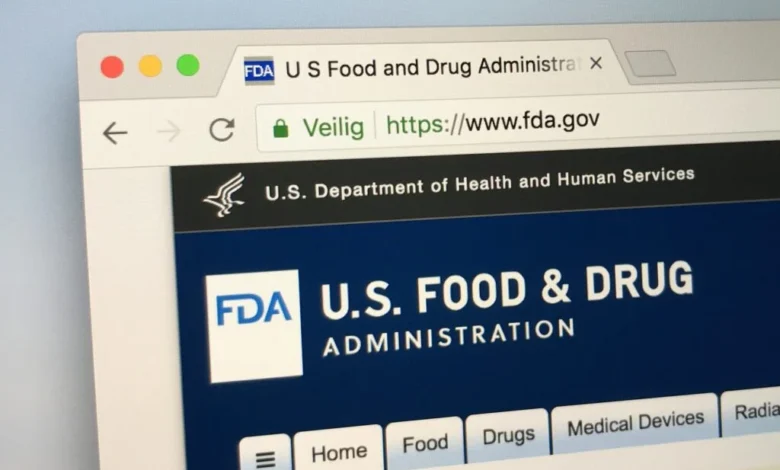
The U.S. Food and Drug Administration (FDA) has taken a decisive step in clarifying the regulatory landscape surrounding orthodontics by launching a comprehensive consumer-facing digital resource dedicated to clear dental aligners. This initiative serves as a definitive public health warning, explicitly articulating that the FDA has not authorized clear aligners for direct-to-consumer (DTC) models that bypass the prescription and oversight of a licensed dentist or orthodontist. The move marks a pivotal shift in the agency’s engagement with the rapidly evolving sector of teledentistry, responding to a mounting volume of reports regarding complications arising from unsupervised tooth movement.
The Regulatory Landscape and FDA Guidance
The newly established FDA webpage serves as an educational bridge, outlining the inherent risks and the required clinical standards for safe orthodontic intervention. At the heart of the agency’s messaging is the insistence that aligner therapy is a medical procedure, not merely a consumer product. By categorizing these devices as Class II medical devices, the FDA maintains that their use must be predicated on a clinical diagnosis.
The agency’s guidance highlights that the omission of professional supervision—specifically the lack of in-person diagnostic examinations—significantly increases the risk of adverse outcomes. Among the complications cited by the FDA are the development of malocclusions (uneven bites), unintended and irreversible tooth movement, localized chronic pain, and, in severe cases, premature tooth loss. The FDA stresses that periodic, in-person clinical assessments are non-negotiable for monitoring the biological response of the periodontal tissues and the mechanical progression of the treatment plan.
A Chronology of Advocacy and Intervention
The FDA’s public-facing stance is the culmination of a multi-year campaign led by the American Association of Orthodontists (AAO). For years, the association has lobbied for stricter oversight of mail-order orthodontic services, arguing that the convenience of remote models often comes at the expense of patient safety.
The timeline of this regulatory engagement reveals a persistent effort by the dental community:
- Early 2020s: The rise of direct-to-consumer clear aligner companies leads to an influx of reported cases of suboptimal treatment outcomes and patient harm.
- July 2024: The AAO conducts a formal meeting with FDA officials. During this session, the association presented a curated dossier of clinical case studies, documenting severe dental complications linked to aligners sold without an in-person physical exam or radiographic diagnostic imaging.
- September 2025: Following the initial meeting, an AAO delegation submits a formal letter to the FDA signed by 1,745 licensed orthodontists. This document provided empirical evidence and a broad-based professional consensus calling for the FDA to clarify its regulatory expectations regarding the necessity of in-person care.
- July 2026: Rep. Brian Babin introduces the Oversight of Responsible Teledentistry for Healthy Outcomes (ORTHO) Act (HR 9829). The proposed legislation seeks to codify the standards for teledentistry, ensuring that any remote orthodontic practice must adhere to the same safety protocols as traditional in-office care.
Clinical Risks and the Importance of Diagnostic Records
The core of the clinical debate revolves around the diagnostic process. Professional orthodontic treatment is traditionally anchored in a comprehensive assessment that includes clinical history, physical examination, and imaging such as panoramic X-rays or cone-beam computed tomography (CBCT). These diagnostic tools are essential for identifying underlying periodontal disease, root resorption, or other conditions that could contraindicate orthodontic movement.
When consumers bypass these steps in favor of mail-order impressions, they often inadvertently expose themselves to systemic risks. Without an in-person evaluation, conditions such as gingival recession, bone loss, or undiagnosed cysts may go undetected until they have progressed to a point where intervention is costly or surgical. The AAO’s advocacy has consistently centered on the concept of "the standard of care," asserting that the standard should not be lowered simply because the delivery mechanism—the clear aligner—is perceived as a consumer good rather than a surgical device.
Official Responses and Industry Sentiment
The announcement from the FDA has been met with significant approval from the dental professional community. Mike Durbin, president of the AAO, framed the announcement as a milestone for patient safety. "This announcement reflects years of sustained advocacy by the AAO and its members to elevate patient health and safety concerns associated with clear aligner treatment provided without appropriate clinical oversight," Durbin stated. He emphasized that the recognition of in-person examinations as a foundational requirement validates the association’s long-standing position on the clinical necessity of the doctor-patient relationship.
The sentiment is echoed by those involved in the policy-making process. Nathan Mick, the AAO’s vice president of advocacy, noted that this victory is the result of a multifaceted strategy. "There are many strategic layers behind patient advocacy success like this: regulatory engagement, federal and state legislation, coalition building, clinical evidence, and sustained grassroots outreach," Mick observed. This strategy appears to be gaining traction in the legislative halls of Washington, where the ORTHO Act continues to gather support as a necessary safeguard against the potential for corporate-led, profit-driven dental models that neglect long-term patient health.
Implications for the Future of Teledentistry
The implications of this FDA guidance are broad, affecting both the clinical practice of dentistry and the business models of teledentistry startups. By explicitly stating that clear aligners require professional supervision, the FDA has effectively narrowed the legal space for companies that operate without a robust, state-licensed clinical framework.
- Market Standardization: Companies currently operating under a "direct-to-consumer" label may be forced to pivot their business models to include partnerships with brick-and-mortar clinics to maintain compliance with the FDA’s guidance.
- Liability Shifts: With the FDA’s public stance established, the legal liability for adverse outcomes in unsupervised treatment is likely to increase for providers who fail to conduct the necessary in-person examinations.
- Increased Transparency: Consumers are now better equipped to evaluate the risks of orthodontic services. By updating their consumer resource pages, the FDA is promoting a more informed patient base, which in turn acts as a market force that favors safety over the convenience of purely remote, unmonitored treatment.
- Legislative Momentum: The FDA’s move provides a strong tailwind for the ORTHO Act. Lawmakers often look to the expertise of federal agencies when considering new safety standards; the FDA’s endorsement of in-person supervision creates a clear path for federal regulation that would codify these expectations into law.
Looking Ahead: The Intersection of Innovation and Safety
As the dental industry continues to integrate digital technologies, the tension between accessibility and safety remains a central theme. While teledentistry offers the potential to expand access to orthodontic care for underserved populations, the FDA’s recent actions serve as a firm reminder that technological innovation cannot replace the expertise of a licensed clinician.
The path forward likely involves a hybrid model of care where digital monitoring is used to augment—rather than replace—the critical in-person oversight that ensures the structural integrity of the patient’s dentition. The collaborative effort between the AAO and the FDA demonstrates a commitment to maintaining rigorous health standards in an era of rapid commercialization. For patients, the message is clear: the convenience of a remote, mail-order aligner kit should never supersede the necessity of a professional diagnosis.
In conclusion, the FDA’s updated guidance is a vital regulatory pivot that prioritizes patient outcomes over the convenience of a decentralized, unsupervised market. By clearly defining the requirements for safe clear aligner therapy, the agency has empowered patients and reinforced the essential role of the orthodontist in the healthcare continuum. As the industry moves forward, the focus will likely remain on integrating these safety standards into both the business and clinical practice of modern dentistry, ensuring that the next generation of orthodontic treatment remains both innovative and, fundamentally, safe.
Related posts: